The Moya View
Available on Amazon: (click any image to buy)


-

Stones
“Stones” emerged from a walk with my autistic brother, where the gravel beneath us felt like a ledger—each stone a record of what we’ve inherited and what we must carry. I wrote it to honor the physicality of memory and the way lineage shapes our future terrain. The poem resists sentimentality and abstraction, staying grounded…
-
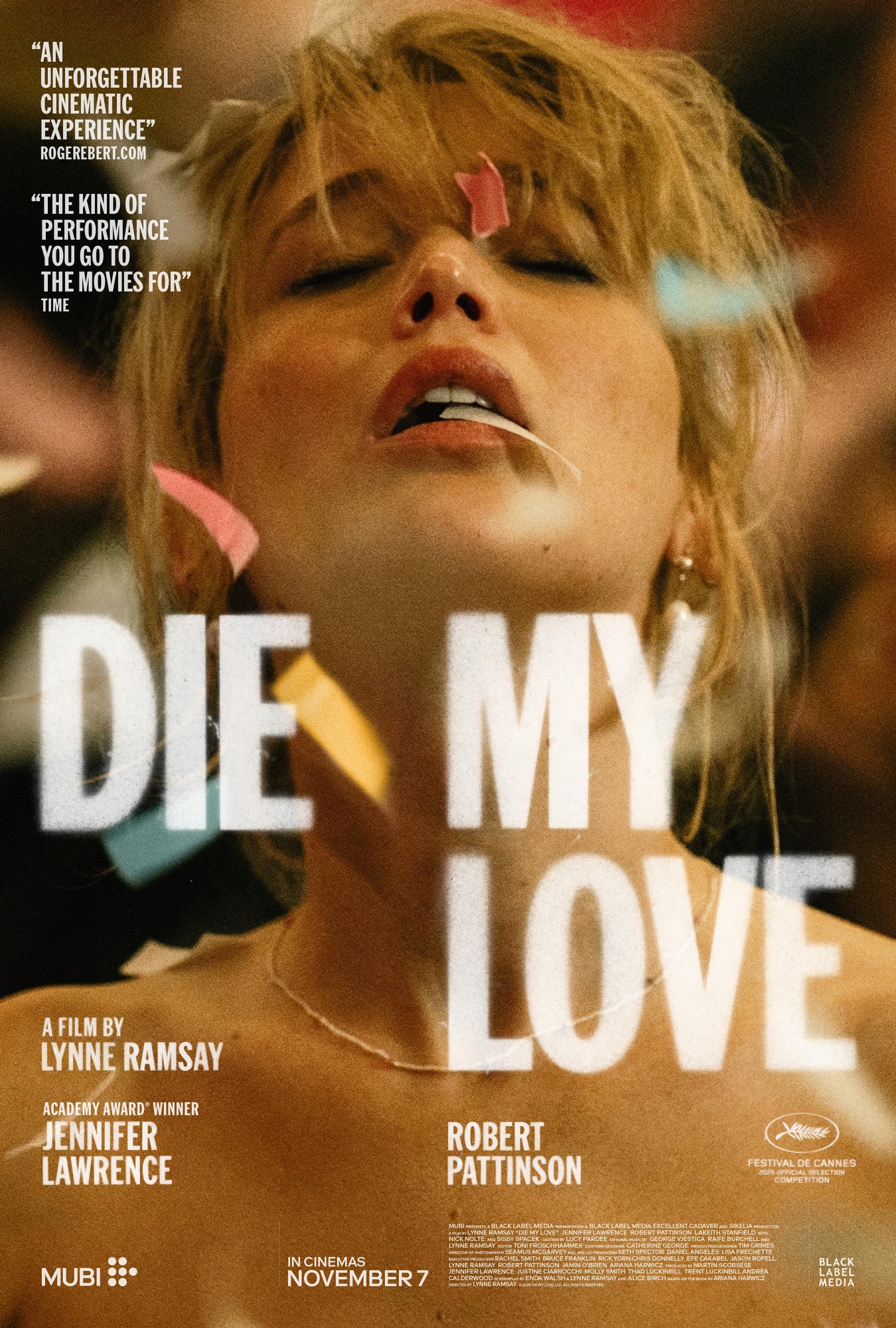
Die My Love: A Fire in the Field
Jennifer Lawrence delivers a fierce, intimate performance in Lynne Ramsay’s Die My Love, a story of desire, exhaustion, and a relationship stretched to its limits. The film blends emotional boldness with lyrical imagery, creating a portrait of motherhood and longing that lingers.
-

Together: Two Become Strange
A gentle, surreal horror satire, Together follows Alison Brie and Dave Franco as lovers drawn into a mythic form of union that reshapes their bodies and their bond. Michael Shanks guides the film with a playful spirit, blending intimacy, humor, and eerie mythology.
-

Avatar: Fire and Ash Finds Beauty in Repetition
Avatar: Fire and Ash blends sweeping spectacle with a story of family, grief, and renewal as Jake Sully and Neytiri face new threats across Pandora’s oceans and volcanic frontiers. James Cameron delivers a visually radiant chapter that revisits familiar themes with warmth and scale.
-
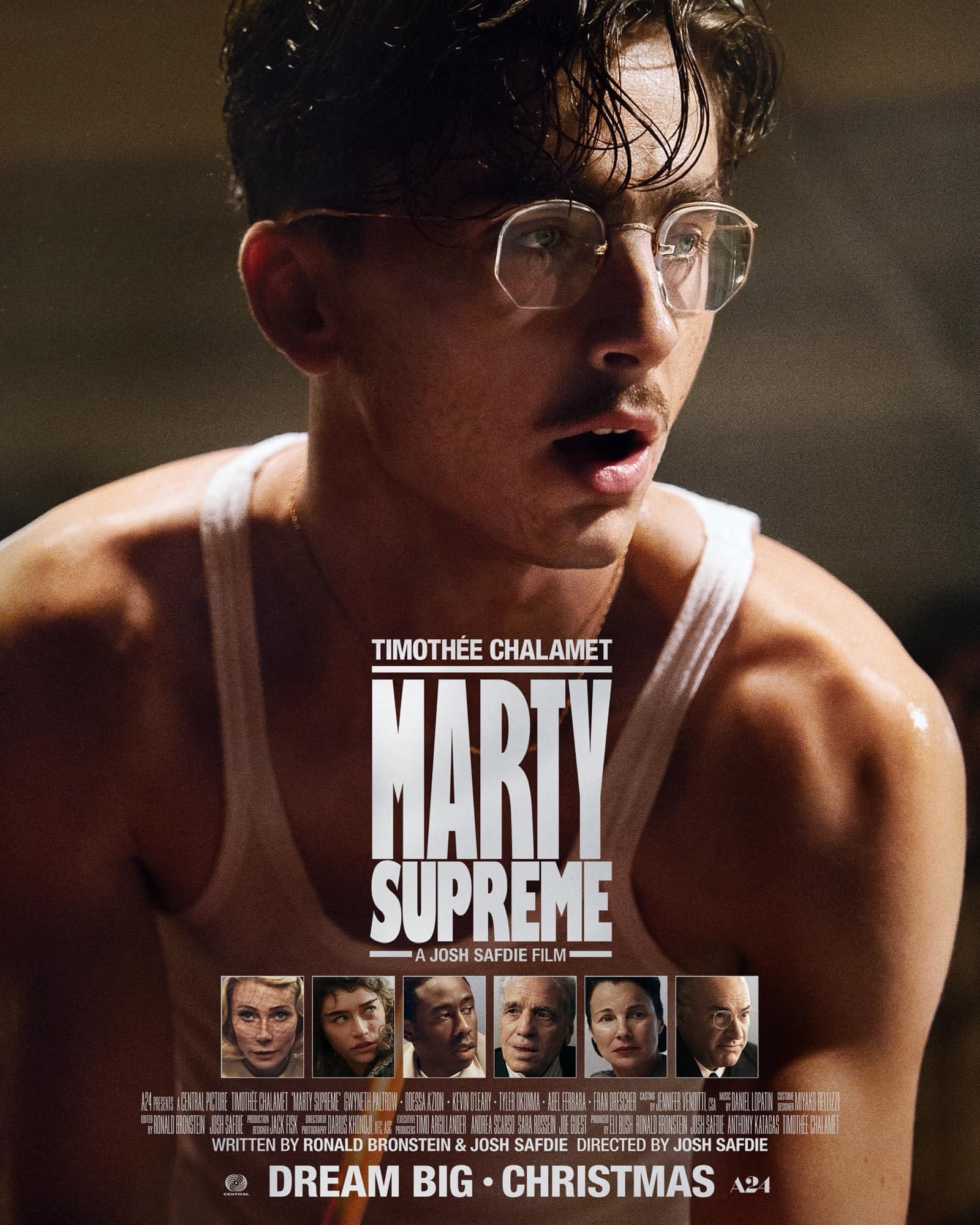
Marty Supreme Serves Spin, Swagger, and a Surprising Amount of Soul**
Josh Safdie’s Marty Supreme delivers a vibrant, comic portrait of Timothée Chalamet as a table‑tennis prodigy chasing fame, mastery, and meaning across continents. The film blends athletic spectacle with a sharp character study of confidence, desire, and the many forms of power.
-

Song Sung Blue Finds Harmony in Love, Tribute, and Thunderbolts of Cheese
Craig Brewer’s Song Sung Blue blends tribute‑act charm with heartfelt family drama, carried by Hugh Jackman and Kate Hudson’s warm, lively chemistry. The film celebrates Neil Diamond’s music, the art of imitation, and the enduring strength of love and partnership.
-

Queens of the Dead” — Sequins, Screams, and Social Commentary Shuffle in Chaotic Harmony
A wild blend of drag pageantry and undead mayhem, Queens of the Dead delivers camp spectacle with affectionate nods to George Romero. Jaquel Spivey leads a vibrant ensemble through a warehouse apocalypse filled with humor, heart, and high‑heeled heroics.
-

Bugonia: A Hymn of Bees, Bodies, and the Beautiful Terror of Being Human
Bugonia blends cosmic myth, ecological warning, and human longing into a luminous, bittersweet tale led by Emma Stone’s mesmerizing performance. Yorgos Lanthimos crafts a story where bees, bodies, and alien intelligence shape a vision of the world’s final breath and its fragile rebirth.
-

Goodbye June: A Winter Song of Love, Loss, and Returning Home
Kate Winslet’s Goodbye June offers a luminous, bittersweet portrait of a family gathering around a mother’s final Christmas. With heartfelt performances from Toni Collette, Andrea Riseborough, Johnny Flynn, Timothy Spall, and Helen Mirren, the film becomes a moving study of love, memory, and the bonds that endure.
-
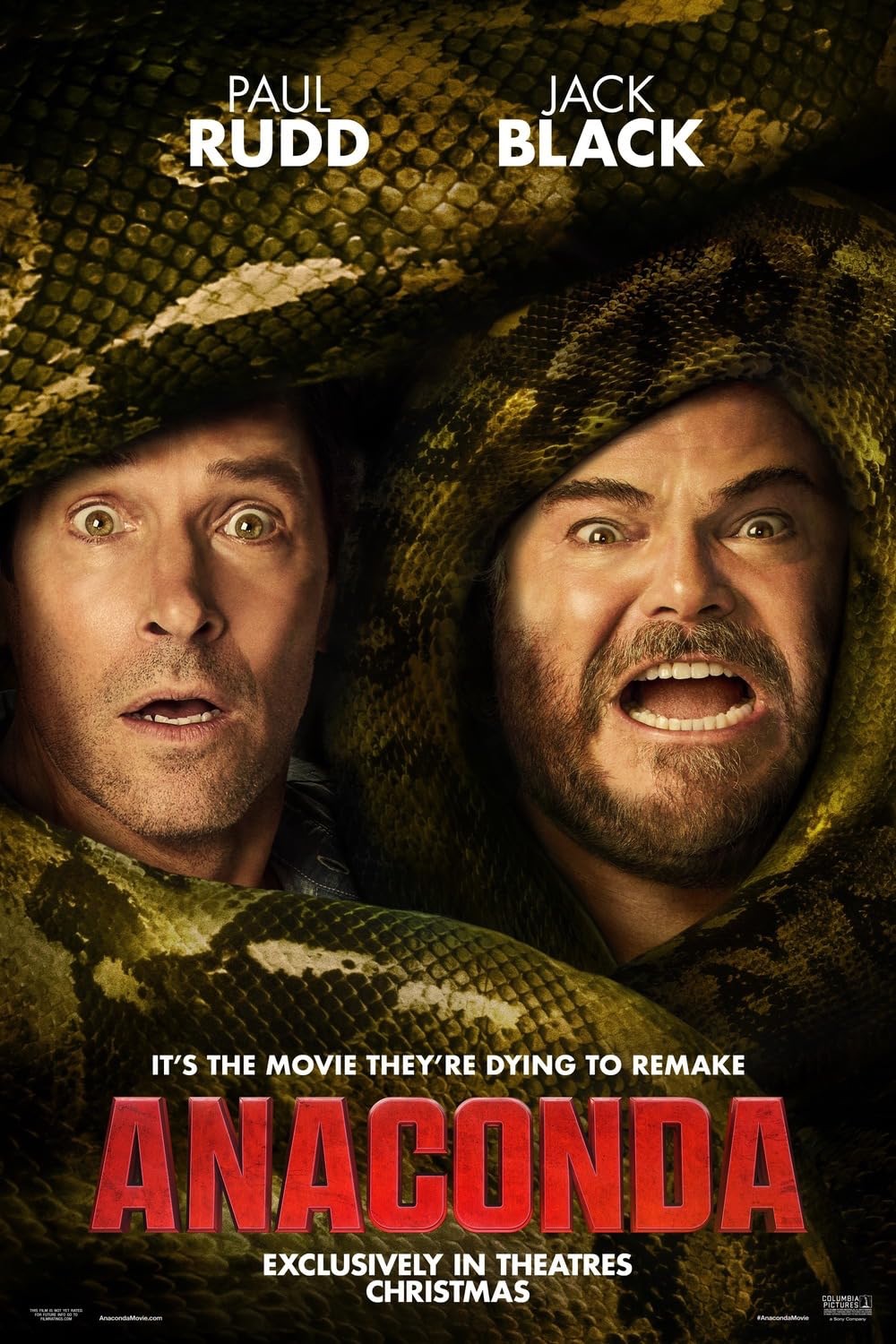
Anaconda: The Indie Jungle Joyride We Deserve
Tom Gormican’s Anaconda delivers a wildly funny, self‑aware adventure that turns indie filmmaking into a jungle carnival. Jack Black and Paul Rudd lead a spirited ensemble through a story filled with ambition, friendship, and one very enthusiastic anaconda.
-
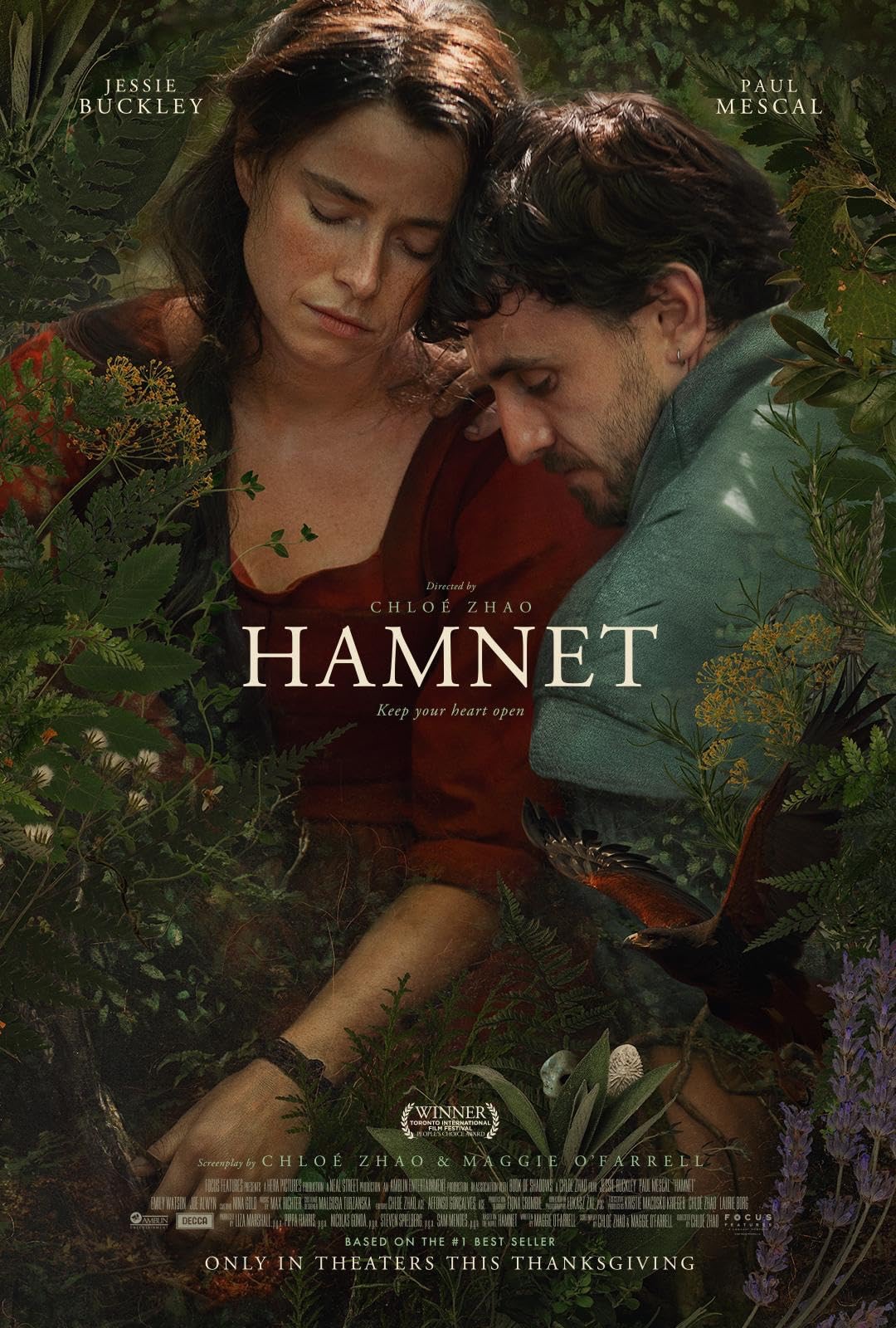
Hamnet: A Son in the Air: Chloe Zhao’s Hamnet and the Birth of Shakespeare’s Grief
Chloé Zhao’s Hamnet offers a radiant reimagining of Shakespeare’s family life and the origins of Hamlet. Jessie Buckley and Paul Mescal lead a cast that brings Stratford and London to vivid, emotional life. The film becomes a moving portrait of love, lineage, and the creation of art from the deepest human experiences.
-
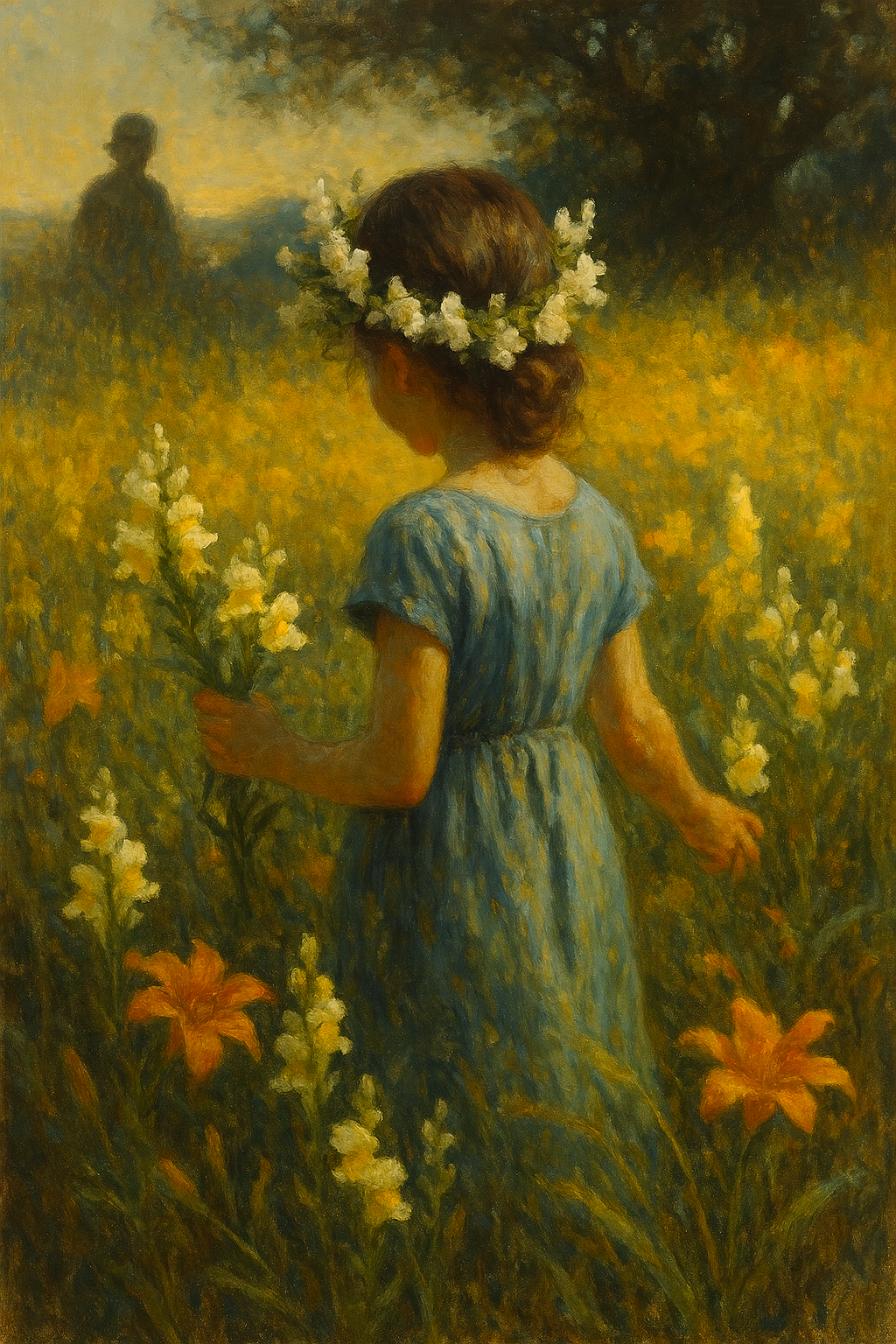
Snapdragon Fields
This poem began as a way to face the presence a parent leaves behind after death. I wasn’t trying to summon anything. I was trying to name the interruptions that still arrive without warning. The poem grew from that tension—how the past steps into the present, how memory can feel like a visitor who won’t…
-

Girl Taken: A Kidnap Thriller That Trips Over Its Own Feet (With Enthusiasm
Girl Taken follows a runaway teen whose ride with a family friend turns into a fight for survival, while her mother races to track her down. Erica Durance anchors the film with steady resolve, supported by Eric Hicks and Kennedy Rowe. The thriller offers a light, easygoing take on abduction drama, delivering tension with a…
-
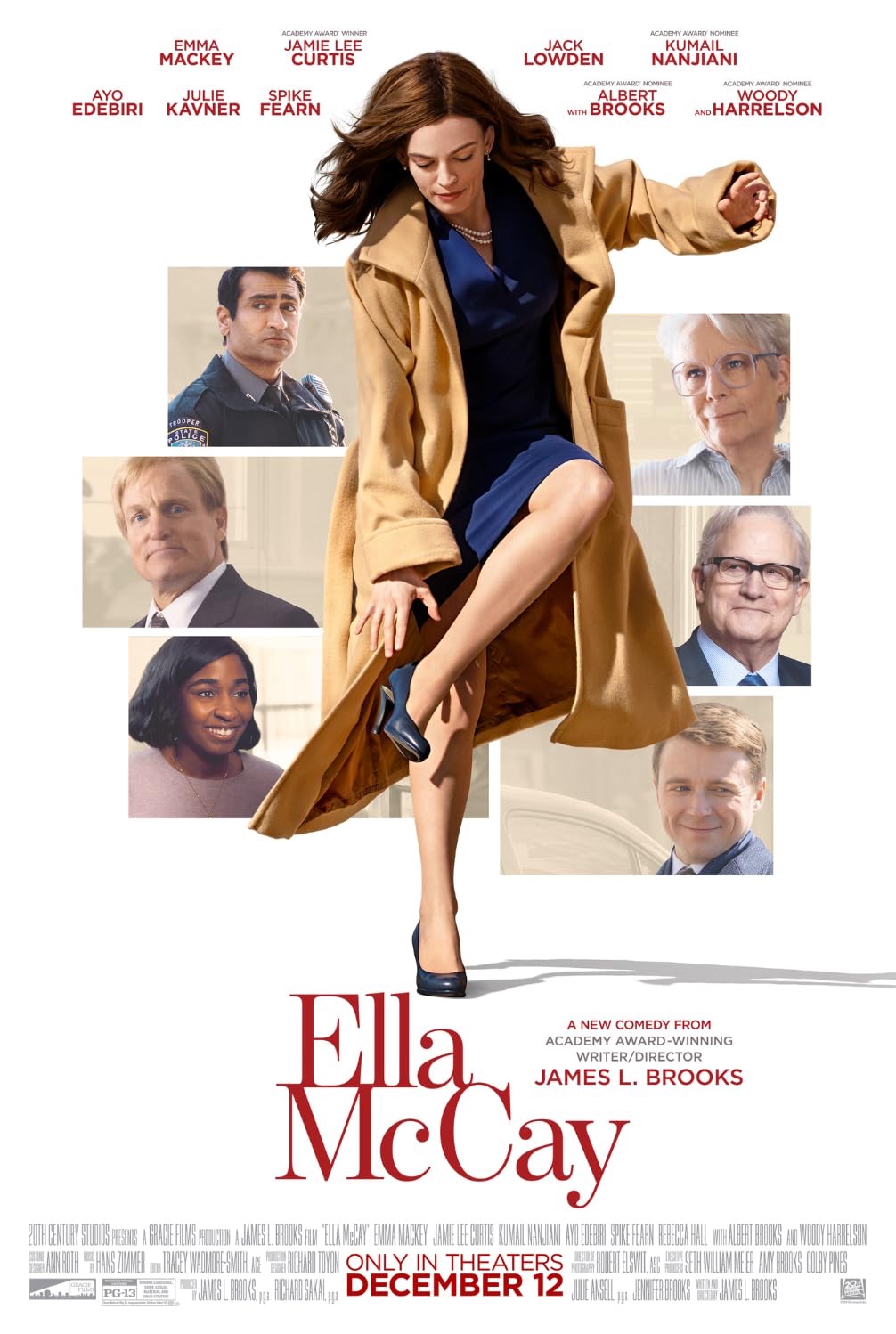
Ella McCay and the Art of Staying Upright in a Tilted World
Ella McCay is a lively political comedy that follows a young governor navigating scandal, family turmoil, and the thrill of public service. Emma Mackey leads a stellar ensemble, with Jamie Lee Curtis shining as the aunt who keeps the family orbit steady. James L. Brooks delivers a warm, hopeful portrait of leadership, love, and the…
-
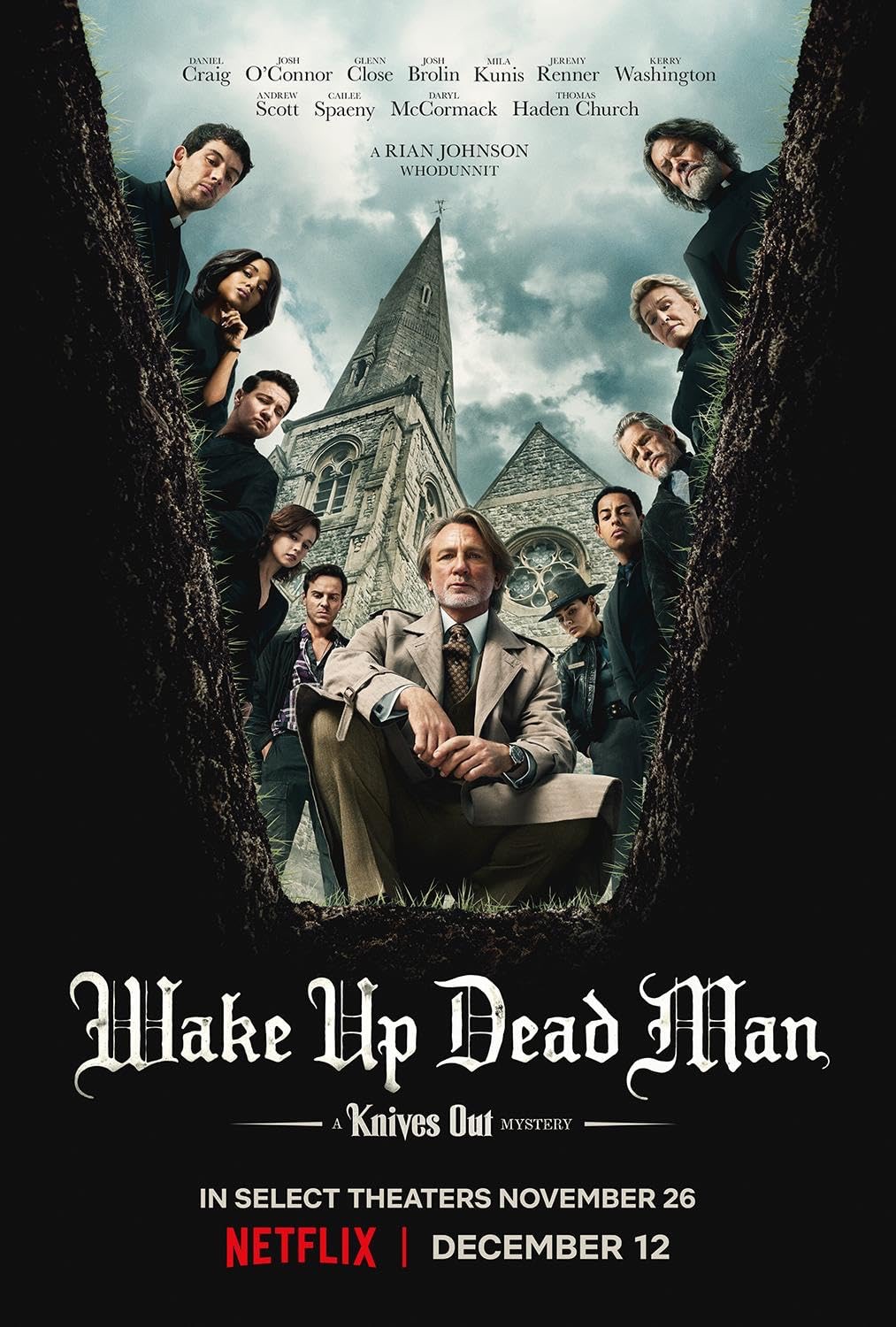
Wake Up Dead Man” Delivers a Holy Whodunnit With Heavenly Style
Wake Up Dead Man delivers a lively, heartfelt mystery filled with humor, spiritual intrigue, and standout performances. Daniel Craig’s Benoit Blanc shines as he navigates a labyrinth of faith, deception, and resurrection theatrics. Rian Johnson crafts a story that celebrates both the joy of a great puzzle and the resilience of a community seeking renewal.
-
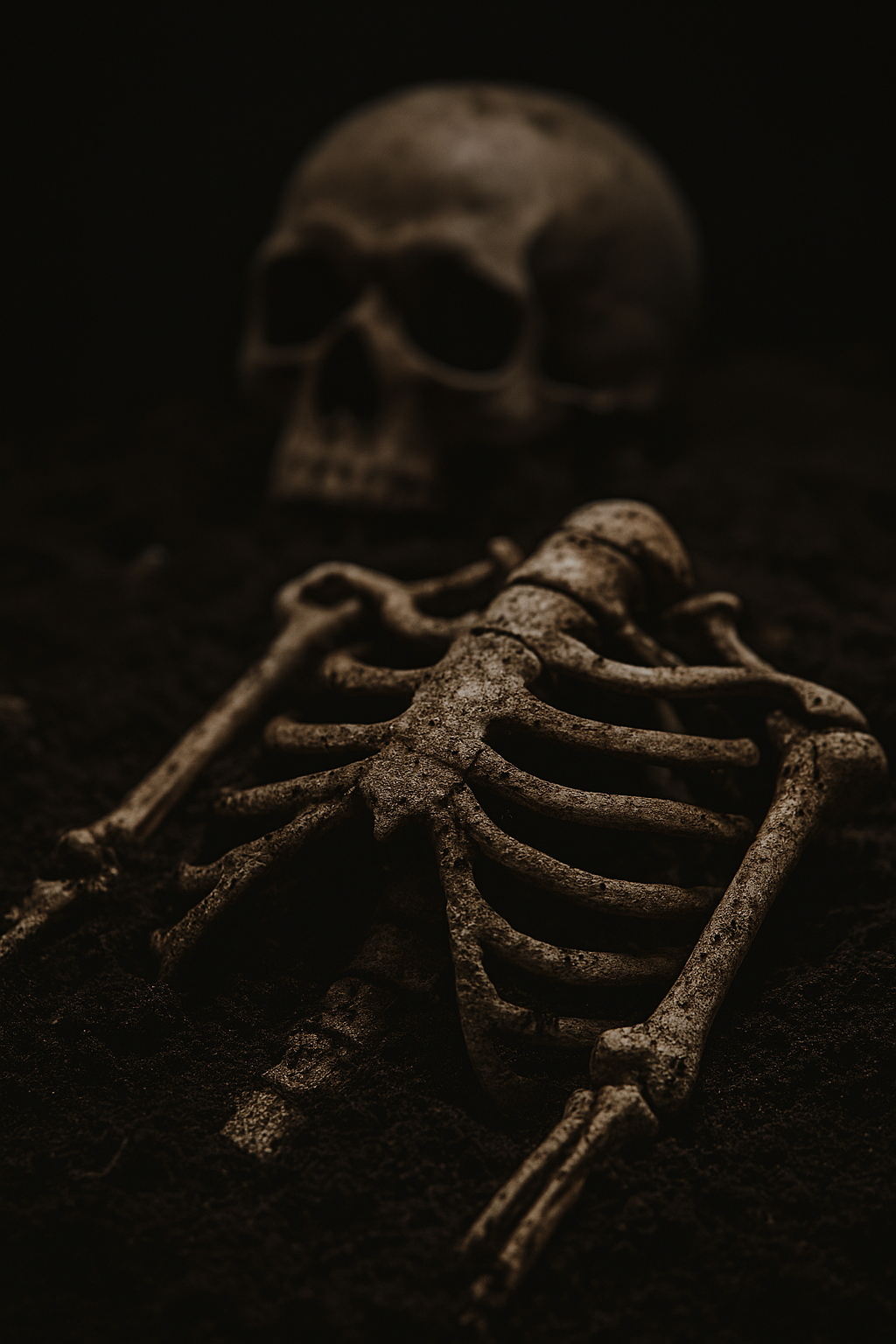
Bone Confession
Bone Confession began as a way to name the physical weight I carry from the people I’ve lost and the ones I couldn’t help. The poem grew from a single pulse in the wrist into a record of how the body stores memory—through objects, breath, and the small actions that prove we’re still here. I…
-
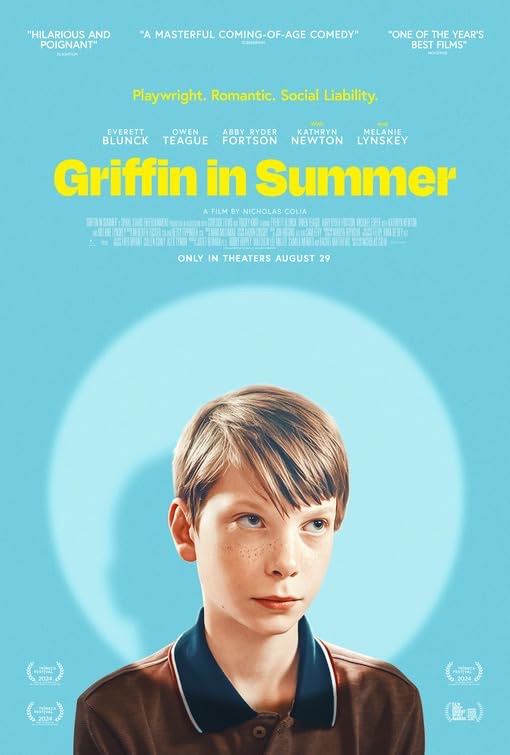
Griffin in Summer: A Playwright, a Pool, and Plenty of Drama
Griffin in Summer blends teenage ambition with suburban drama in Nicholas Colia’s playful coming-of-age film. Everett Blunck leads a spirited cast as Griffin Nafly, a 14-year-old playwright chasing Broadway dreams. The movie charms with its mix of comic energy, heartfelt friendship, and youthful mischief.
-

My Secret Santa: Alexandra Breckenridge Delivers Cheer in a Ski‑Resort Mrs. Doubtfire
Alexandra Breckenridge stars in My Secret Santa, a holiday comedy directed by Mike Rohi that borrows heavily from Mrs. Doubtfire. While the film leans on familiar tropes—single mom in disguise, a rebellious love interest, and predictable rom-com beats—the cast delivers enough warmth to keep it watchable. It’s not a Christmas classic, but it’s a decent…
-
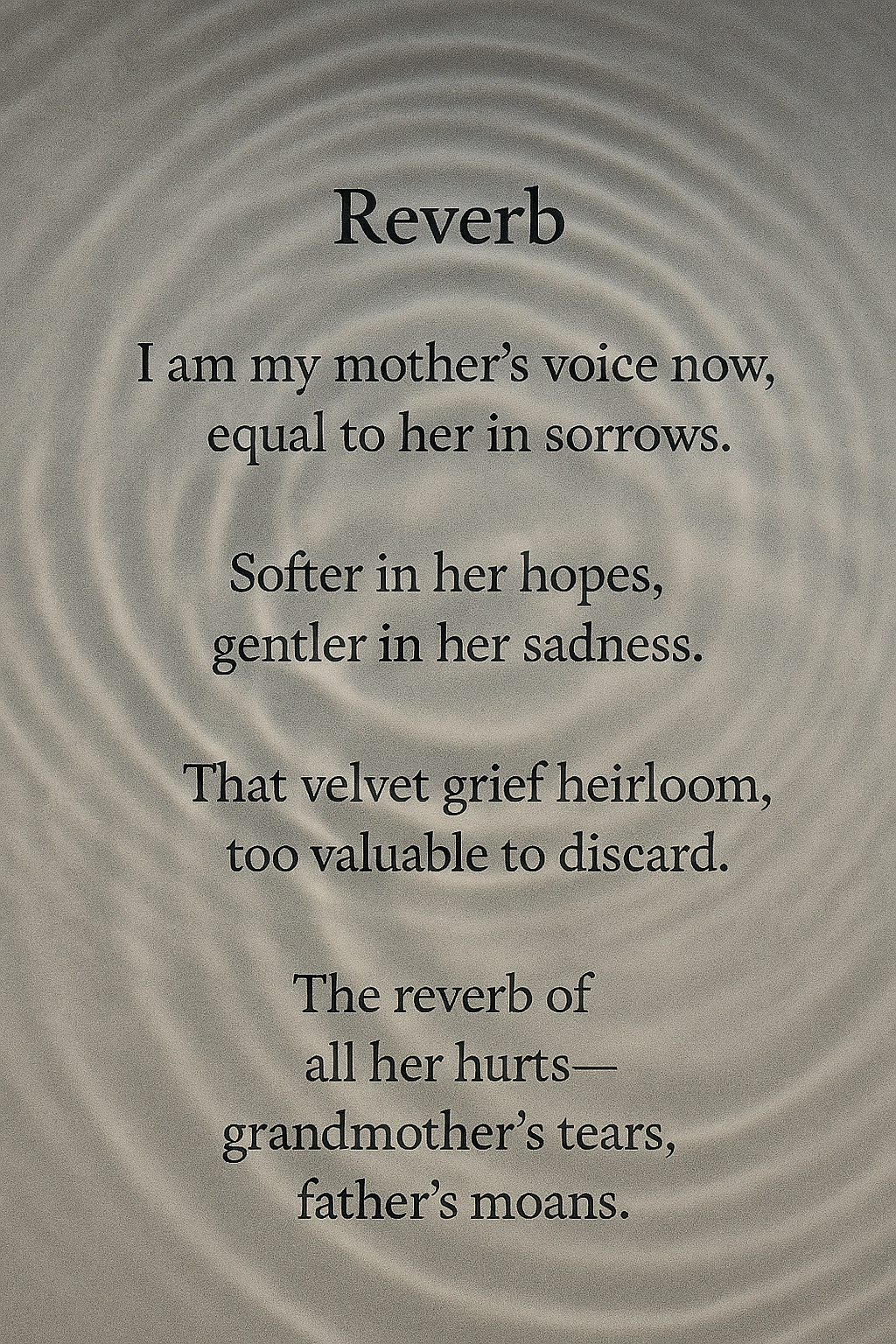
Reverb
Reverb” emerged from a moment of quiet recognition—when I realized I was speaking in my mother’s cadence, carrying her grief as if it were my own. The poem is built as a series of couplets that echo generational sorrow without resolving it. I wanted the rhythm to waver, to enact the instability of grief itself.…
-

Undo
“Undone” emerged from my lifelong reckoning with memory and survival. After losing family members in a tragic accident, I found myself haunted by the idea of reversal—not just of time, but of blame, grief, and the unintelligible aftermath. The poem imagines a world where trauma rewinds: collisions un-happen, blood disappears, and the dead return to…
-

Jay Kelly: Clooney’s Jay Kelly Finds Fame, Family, and a Comic Pause Button
George Clooney shines in Noah Baumbach’s Jay Kelly, a comic yet heartfelt portrait of an actor wrestling with fame, family, and the roles we play in life. This review explores how the film balances humor with reflection, offering a slightly mixed but warmly positive take on its themes of identity and connection.
-
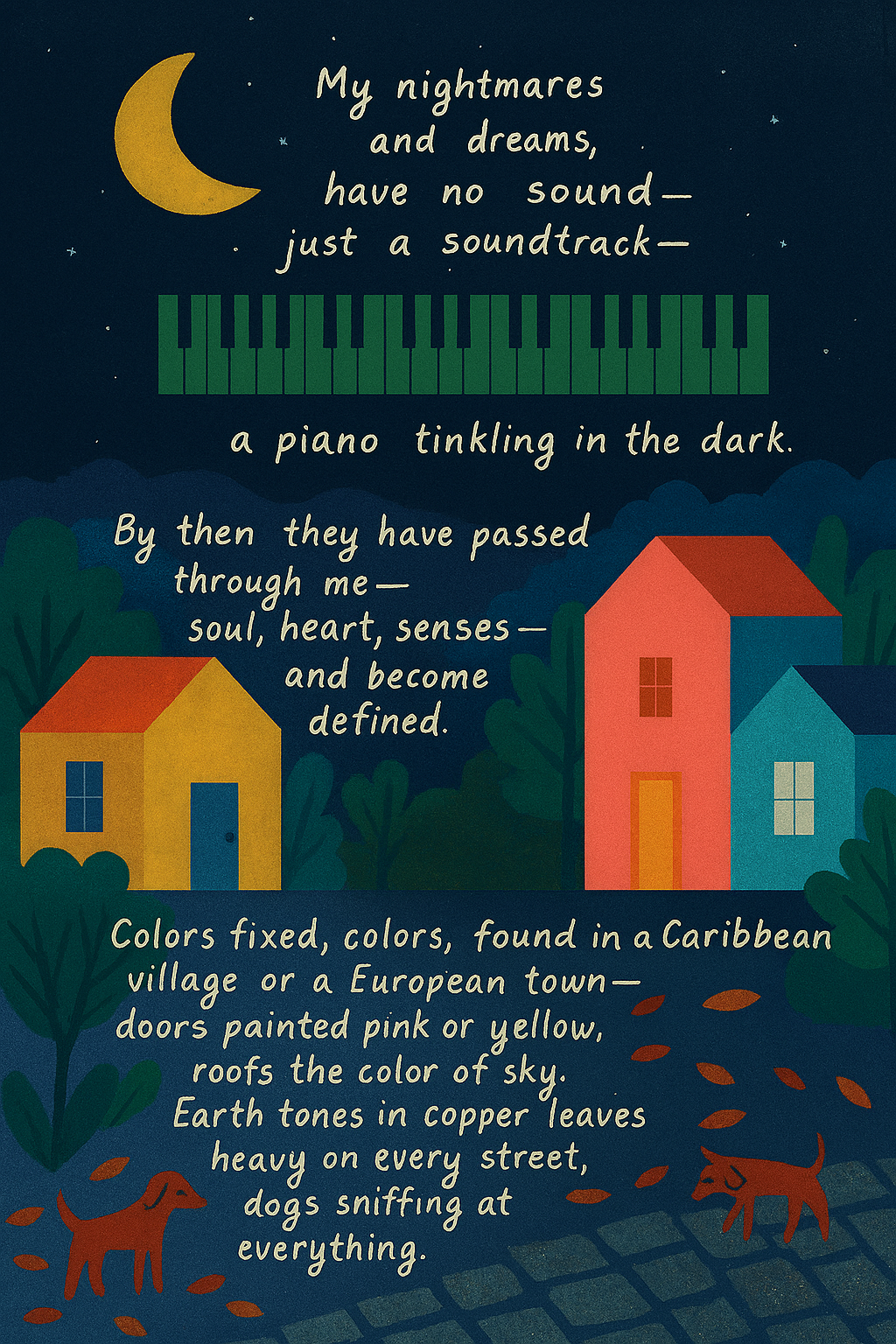
Transcription
soundtrack and images transform into words. I wanted to capture how memory and imagination build a foundation—bright doors, roofs wide as sky—out of fragments of fear and joy. The theme is resilience: the act of immersing nightmares in dreams until something sacred emerges.
-
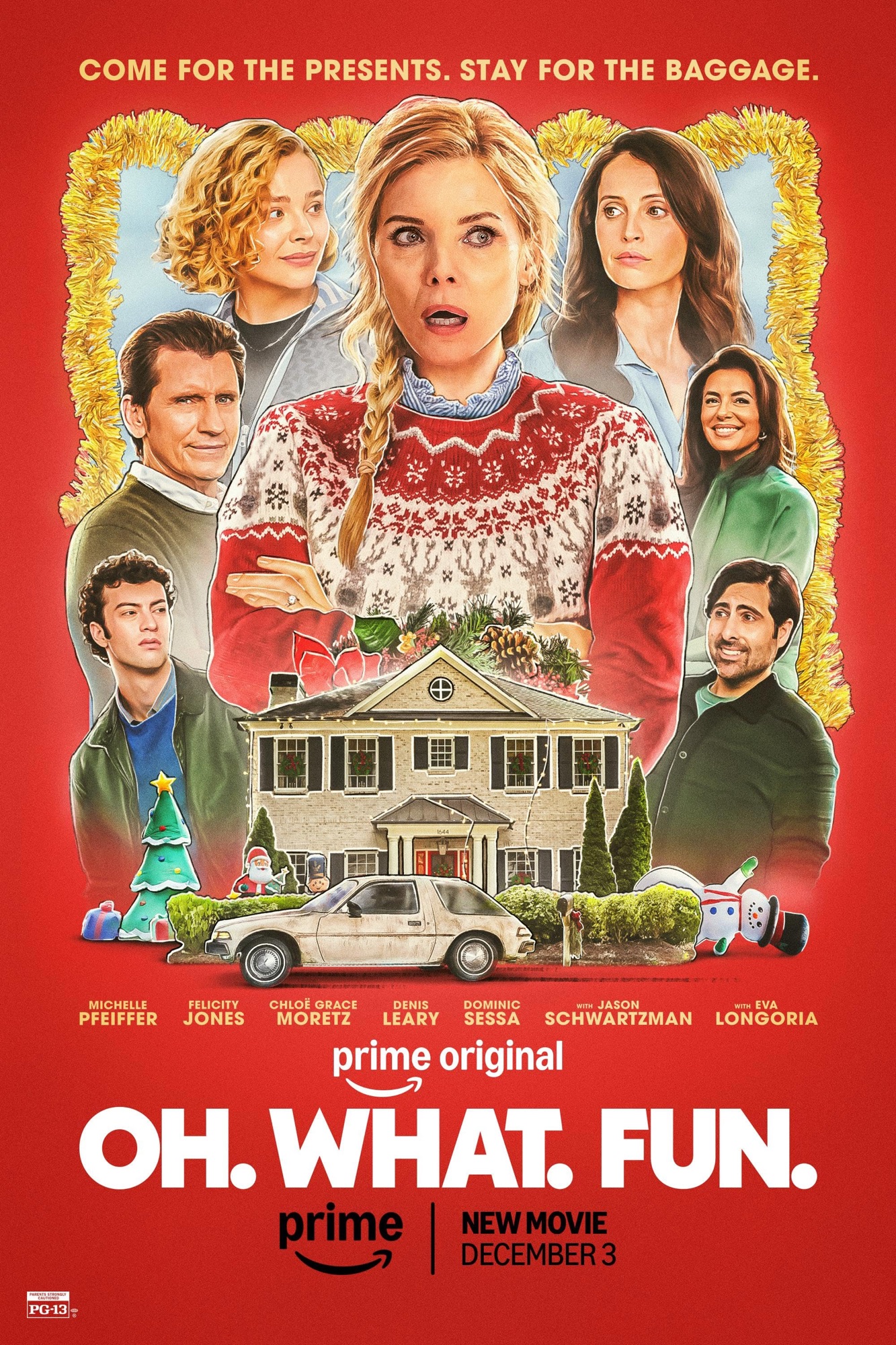
Oh. What. Fun.: Holiday Moms Deserve the Spotlight, and Michelle Pfeiffer Delivers It With Sparkle
Michelle Pfeiffer shines in Oh. What. Fun., a holiday comedy directed by Michael Showalter that finally gives mothers the spotlight in Christmas storytelling. With a star-studded cast and a festive comic tone, the film celebrates the unseen labor that makes the season sparkle.
-
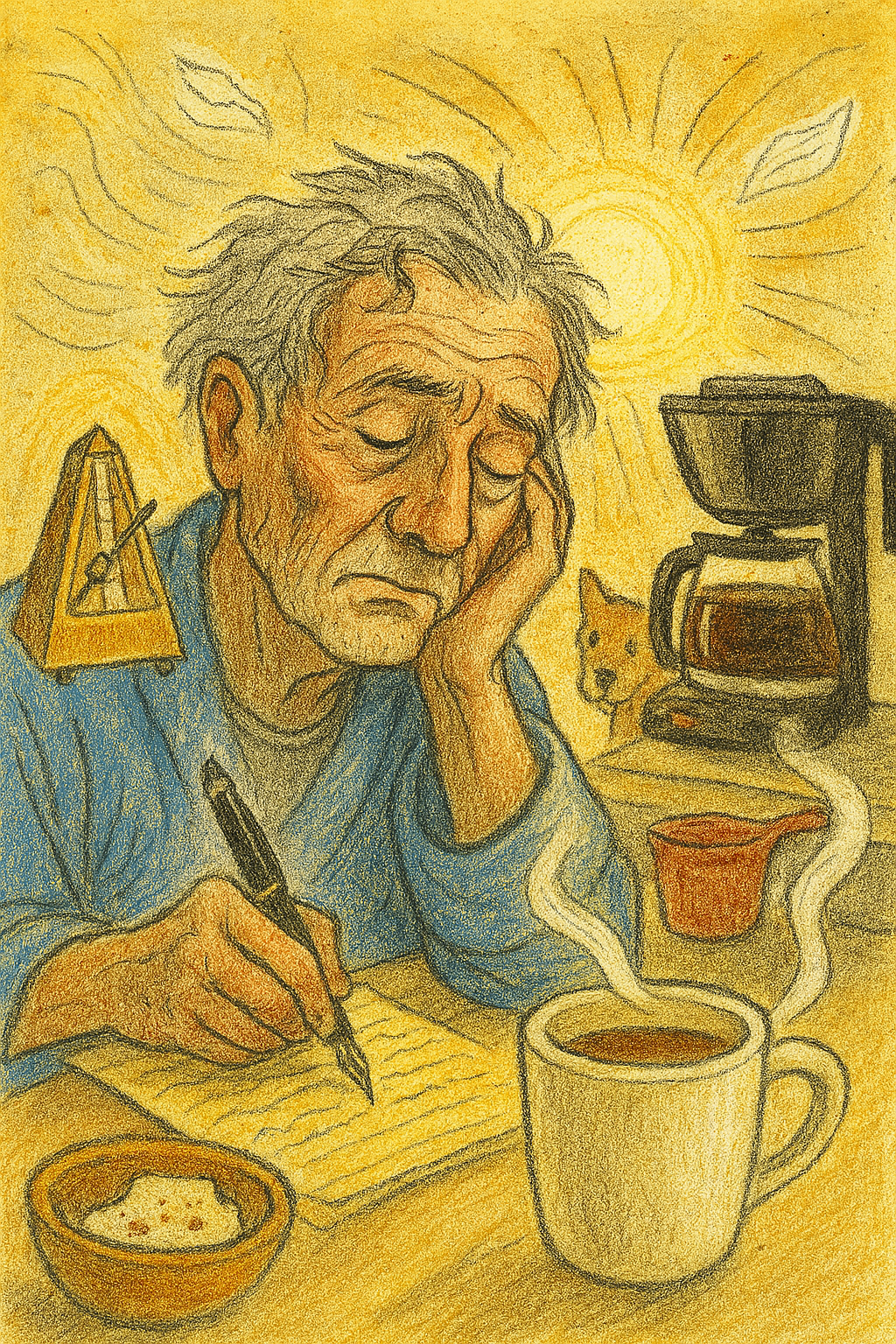
Getting There
“Getting There” emerged from the rhythm of my mornings—each act of survival measured, each gesture a hinge between mortality and renewal. I wrote it after noticing how my routines—feeding the dog, checking blood sugar, making coffee—had become a kind of metronome, ticking the sacred rhythm of the day. The poem honors that rhythm and the…
-
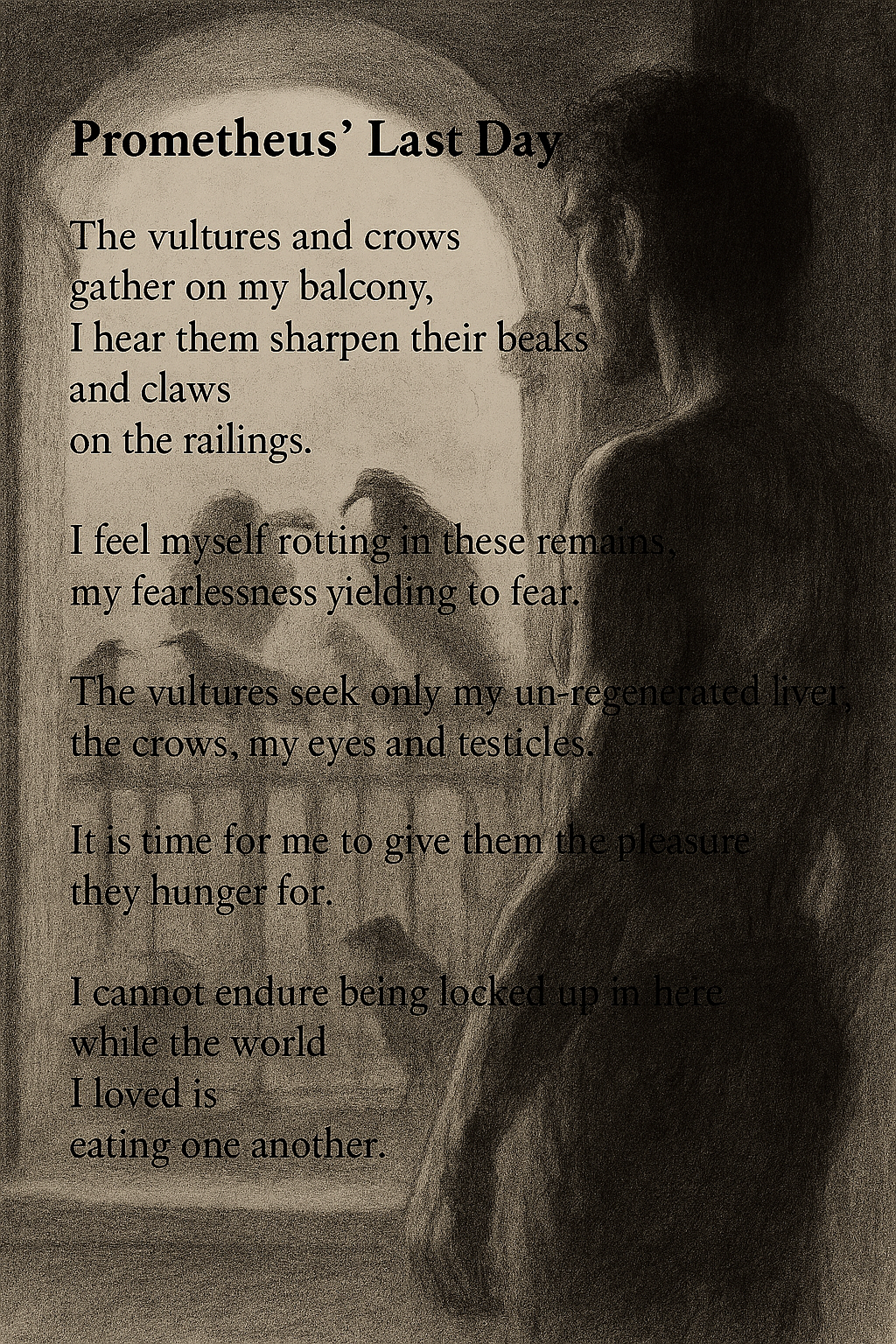
Prometheus’ Last Day
Prometheus’ Last Day began as a meditation on endurance—what it means to rot without rescue. I wanted to strip the myth of Prometheus down to its final gesture: not defiance, but surrender. The poem resists metaphor and dramatization, choosing anatomical precision and ethical collapse.
-
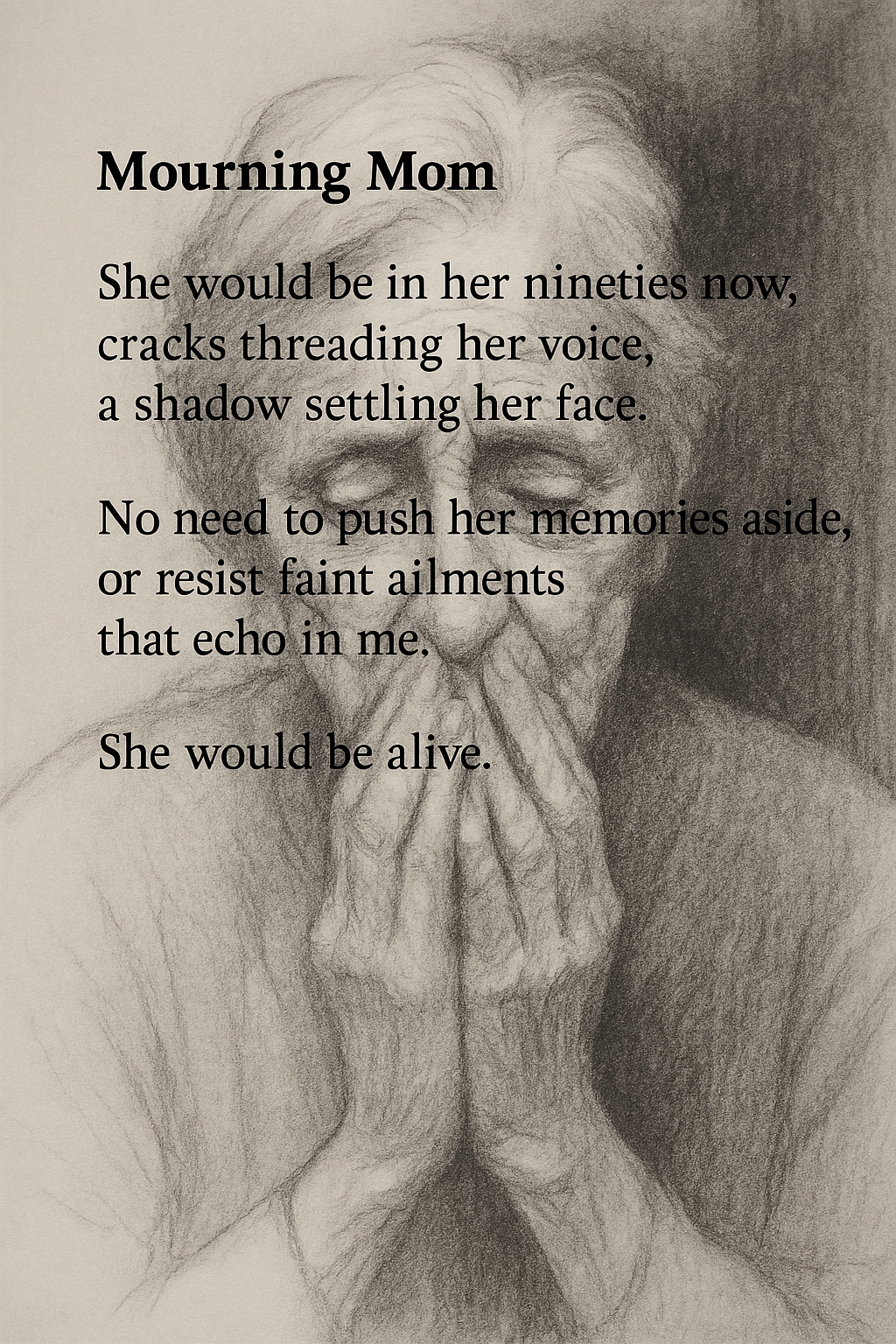
Mourning Mom
This poem emerged from a moment of speculative grief—imagining my mother’s aging voice as a thread I never got to follow. I wanted to write an elegy that refused sentimentality, that honored absence without ornament. The poem’s structure mirrors that ethic: short stanzas, pared-back language, and a final line that lands without flourish.
-

Left Handed Girl: A Song of Gentle Courage
This in-depth review of Left Handed Girl celebrates Janet Tsai’s radiant performance and Shih King Tsohu’s tender direction. The film earns an A grade for its warmth, childlike wonder, and luminous ensemble cast. It is a cinematic embrace of individuality, courage, and joy, leaving the viewer with lasting brightness.
-
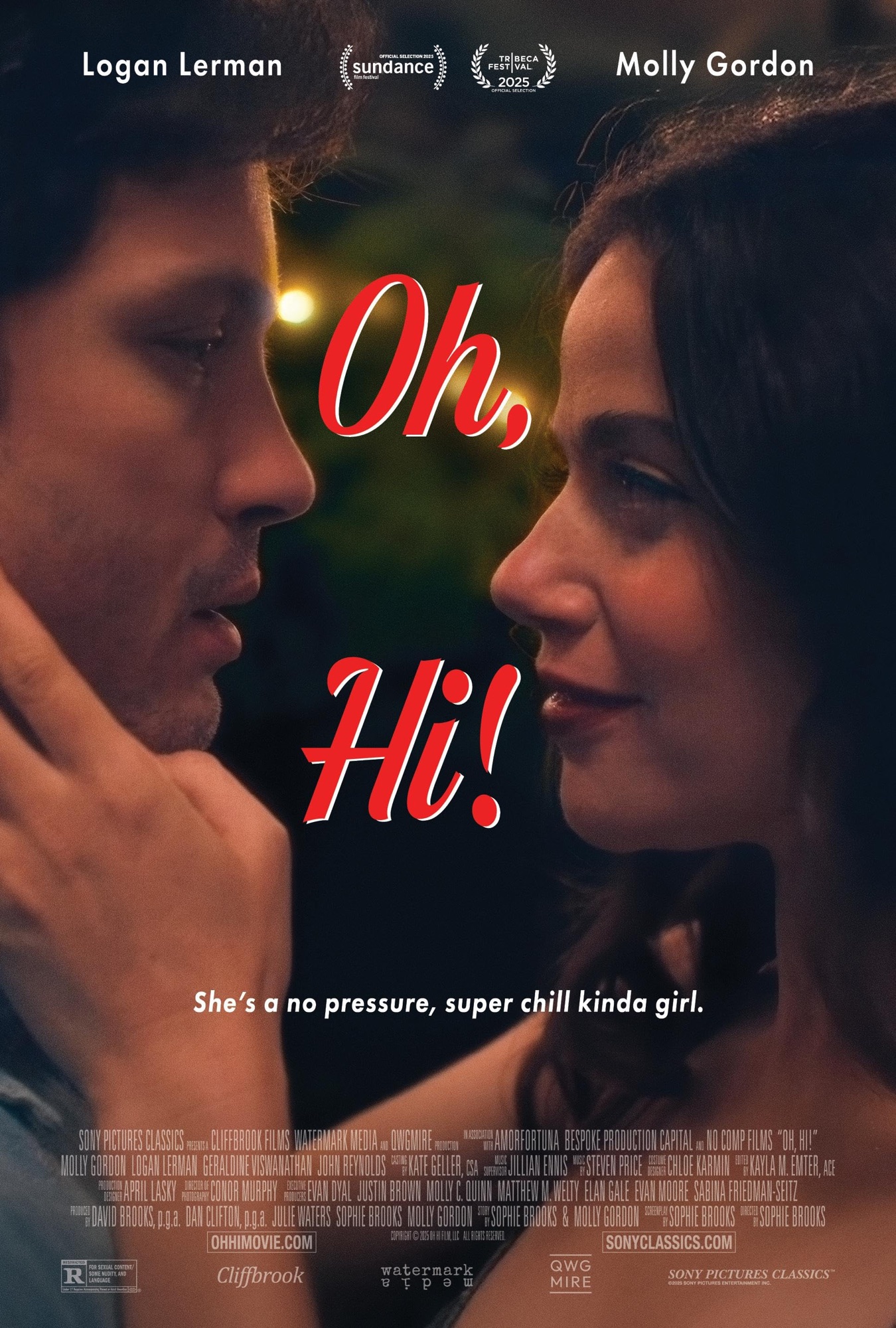
Oh, Hi: Love, Chains, and Pancakes
This review of Sophie Brooks’ Oh, Hi celebrates its comic romance and inventive storytelling. Molly Gordon and Logan Lerman deliver performances filled with charm and consequence, supported by a lively ensemble. With its playful tone and heartfelt resolution, the film earns an A-, a grade that reflects its joyful embrace of love’s contradictions.
-

J’s Sky
“J’s Sky” emerged from the final moments I shared with someone I loved deeply. I wrote it in the hush that followed her passing, where grief had no metaphor—only gesture. The poem resists sentimentality and instead ritualizes consequence through pared-down language and elemental imagery. The sky becomes a container for ash, not answers. I wanted…
-
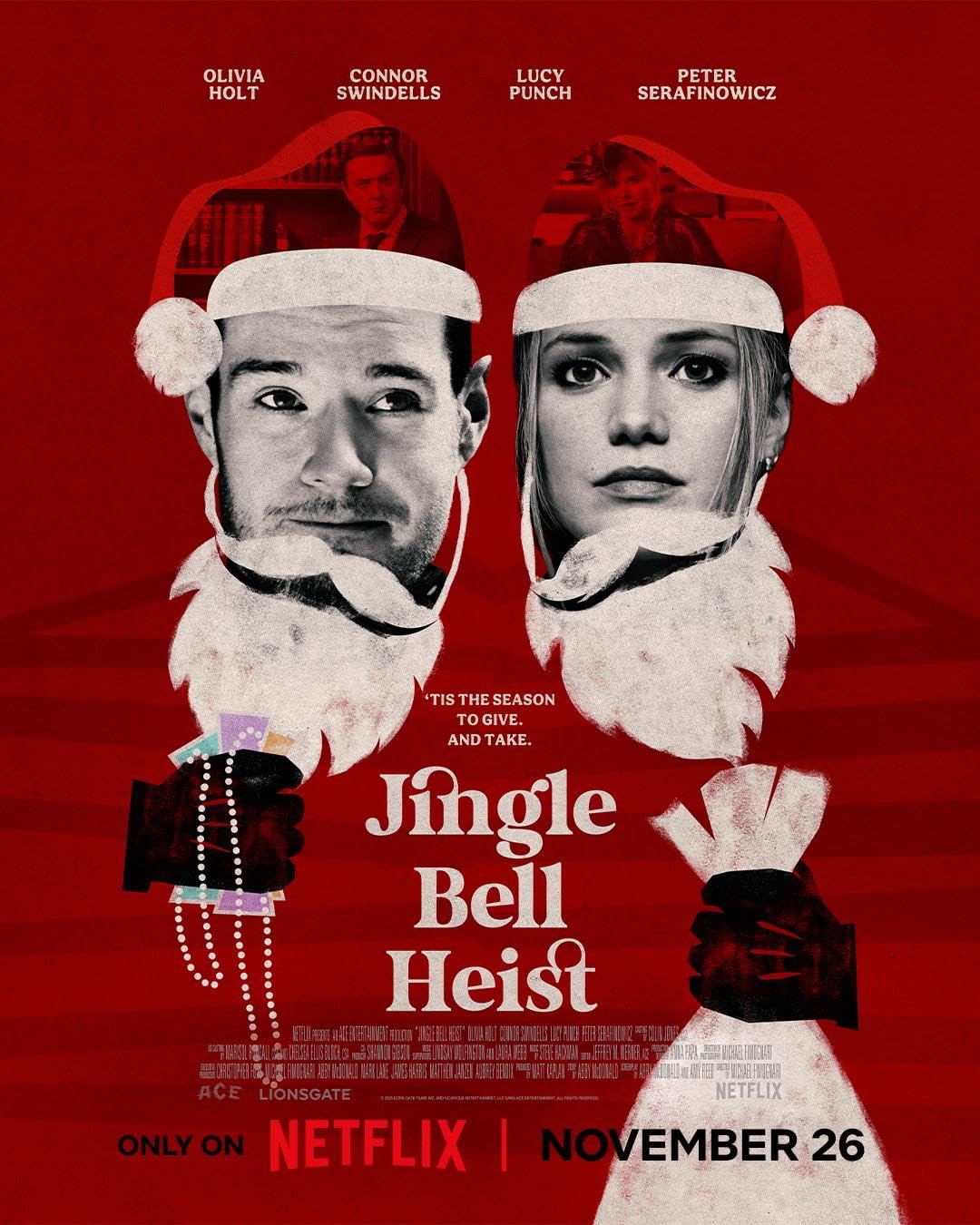
Jingle Bell Heist: Diamonds, DNA, and Deck the Halls
This review of Jingle Bell Heist celebrates Olivia Holt’s standout performance and Michael Fimognari’s stylish direction. With clever twists, festive flair, and a comic tone, the film earns an B+ for its joyful blend of crime and Christmas. A holiday caper that sparkles with heart and humor, it’s a seasonal treat worth revisiting.
-

Zootopia 2: Scales, Fur, and the Song of Belonging
This review of Zootopia 2 celebrates its poetic storytelling, comic brilliance, and heartfelt performances. Jason Bateman and Ginnifer Goodwin shine as Nick and Judy, while directors Jared Bush and Byron Howard expand the city’s mythos with elegance. Awarded a glowing A, the film is a triumph of harmony, humor, and consequence.
-

Peace Lily
Peace Lily began as a quiet observation of my wife’s improbable success with a single plant. Over time, it became a ritual ledger—tracking seasonal displacement, artificial substitutions, and the endurance of living things. The poem’s triadic structure echoes the trinity of life, labor, and love. Its humor is understated, its gestures symbolic: the copper penny…
-
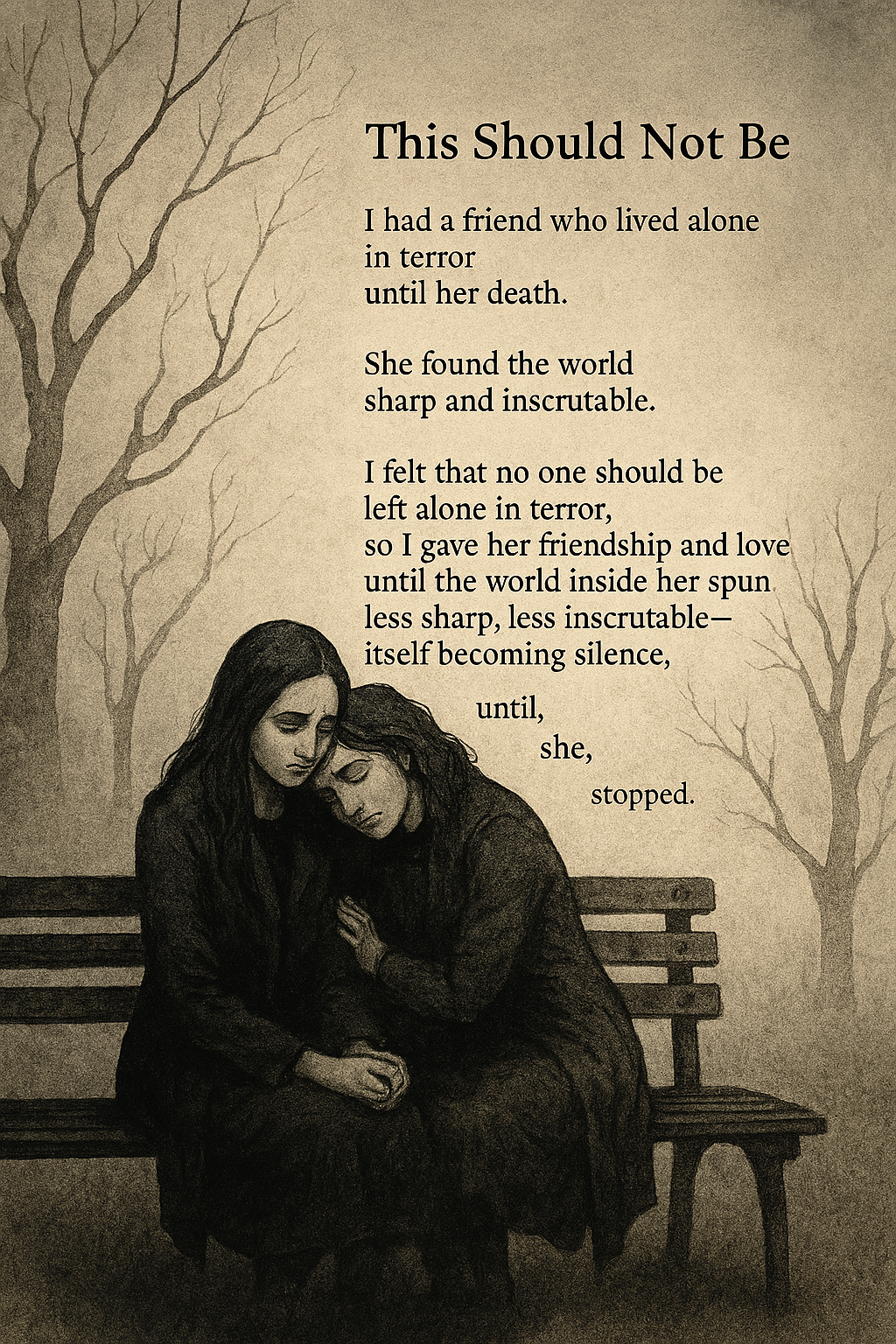
This Should Not Be
This Should Not Be” emerged from a moment of ethical rupture—the unbearable knowledge that someone I loved lived in terror until her death. The poem is not a lament but a ritualized protest. I wanted to write something that refused sentimentality and instead enacted consequence. The repetition of “inscrutable” is deliberate—it marks her being trapped…
-

Blue Sun Palace”: A Prayer in the Half-Light of Queens
This review explores Blue Sun Palace as a lyrical, gritty portrait of Chinese immigrants in Queens. Constance Tsang’s debut feature honors silence, longing, and the sacred rituals of connection. With Lee Kang-sheng’s quiet brilliance and Tsang’s poetic direction, the film becomes a prayer etched in light.
-

One Drop
One Drop emerged from a moment of ritual reflection—when memory of language felt like water evaporating into something divine and unreachable. The poem is a meditation on muffled fluency, divine thirst, and the act of waiting. It’s not a lament but a ritual of scarcity, where prayer becomes a gesture of hope and consequence. I…
-
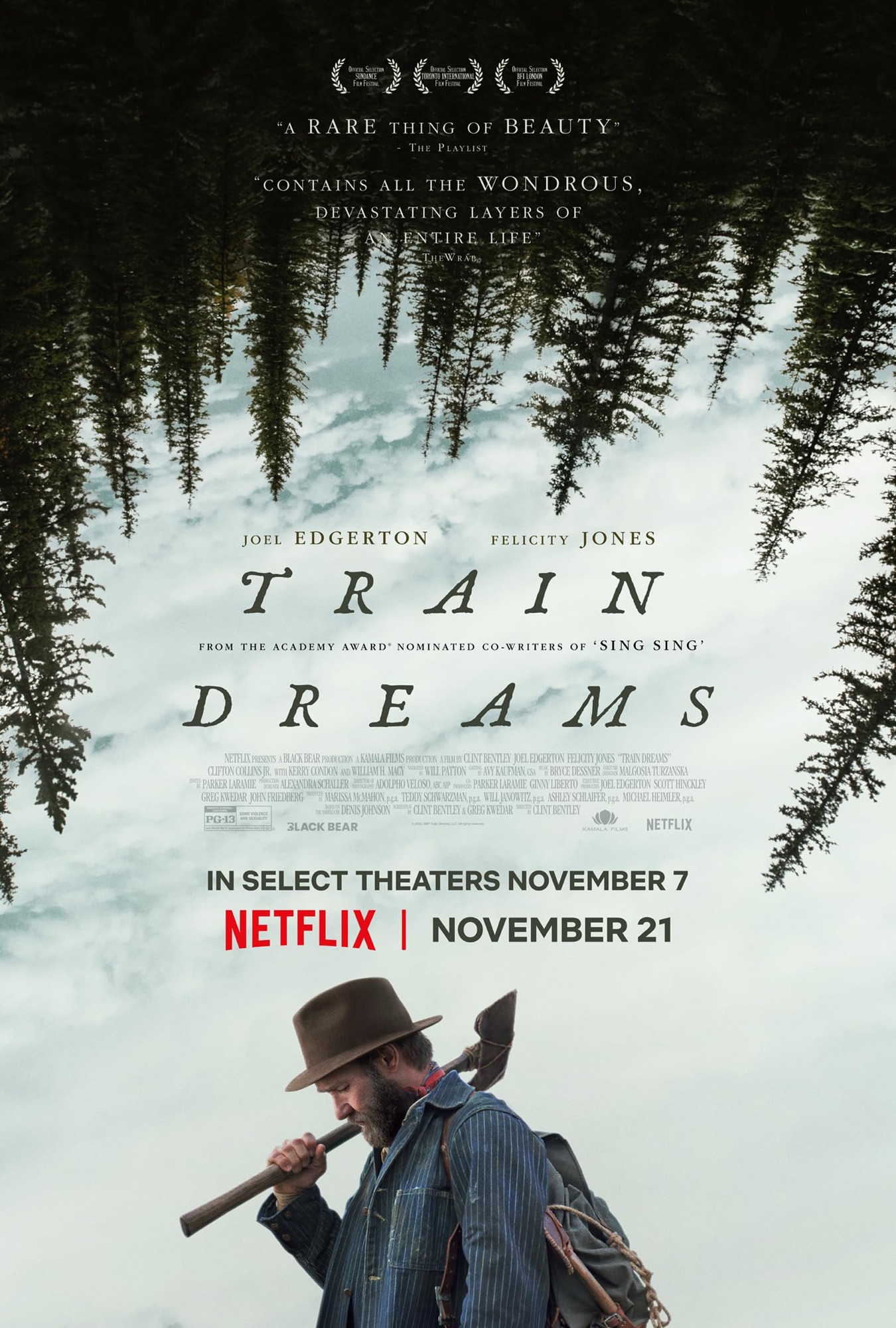
Train Dreams: A Life Hammered Into Timber and Smoke
This review of Train Dreams, directed by Clint Bentley and starring Joel Edgerton, explores the film’s lyric grit and enduring power. The story of Robert Grainier unfolds across eight decades, marked by labor, loss, and haunting visions. Awarded an A, the film stands as a profound meditation on memory, resilience, and connection.
-
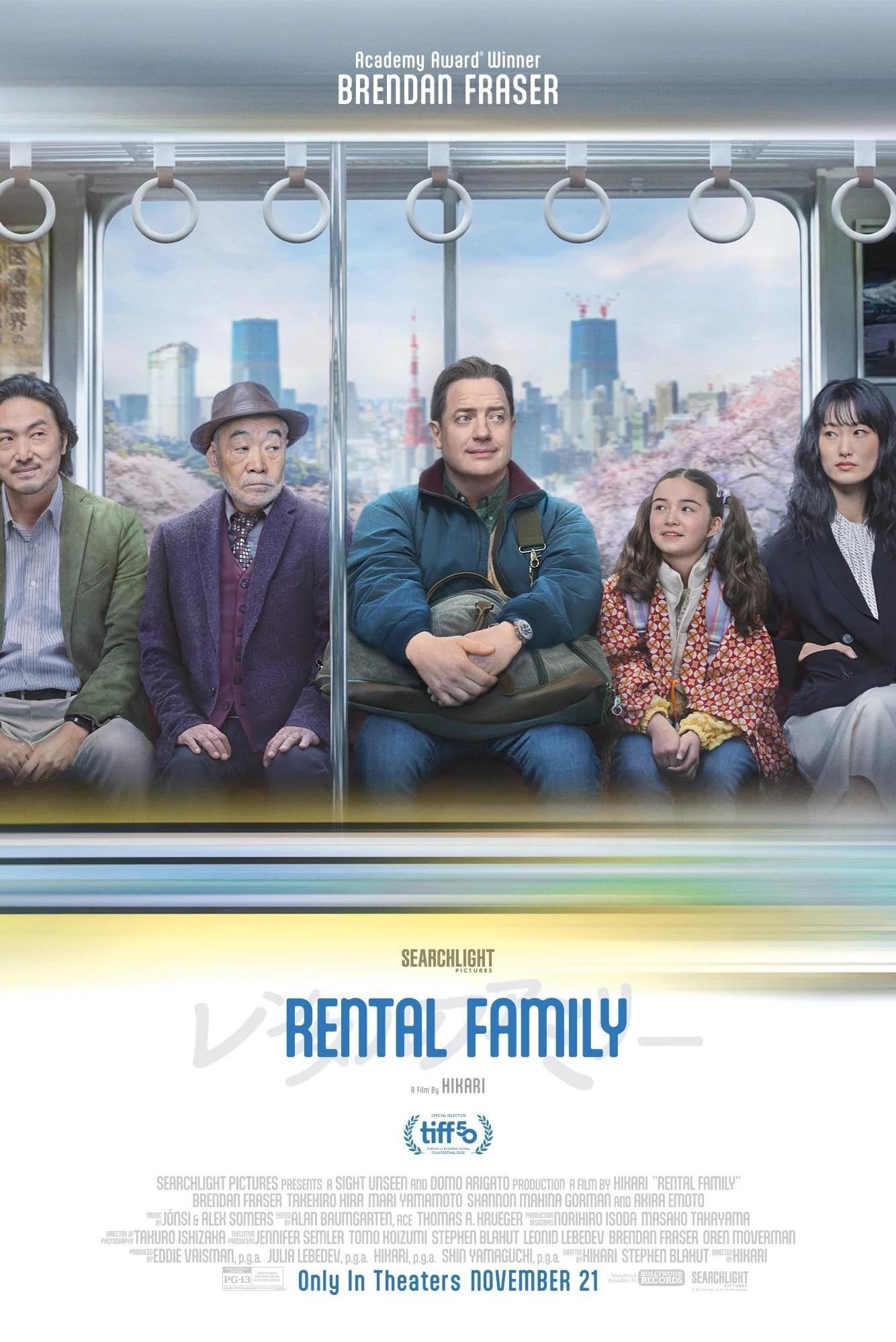
Rental Family: Brendan Fraser’s Joyful Connections
This review of Rental Family, directed by Hikari and starring Brendan Fraser, celebrates its heartfelt performances and layered storytelling. The film earns an A for its exploration of connection, ritual, and chosen bonds. With humor and sincerity, the review highlights the cast’s strengths and the director’s compassionate vision.
-
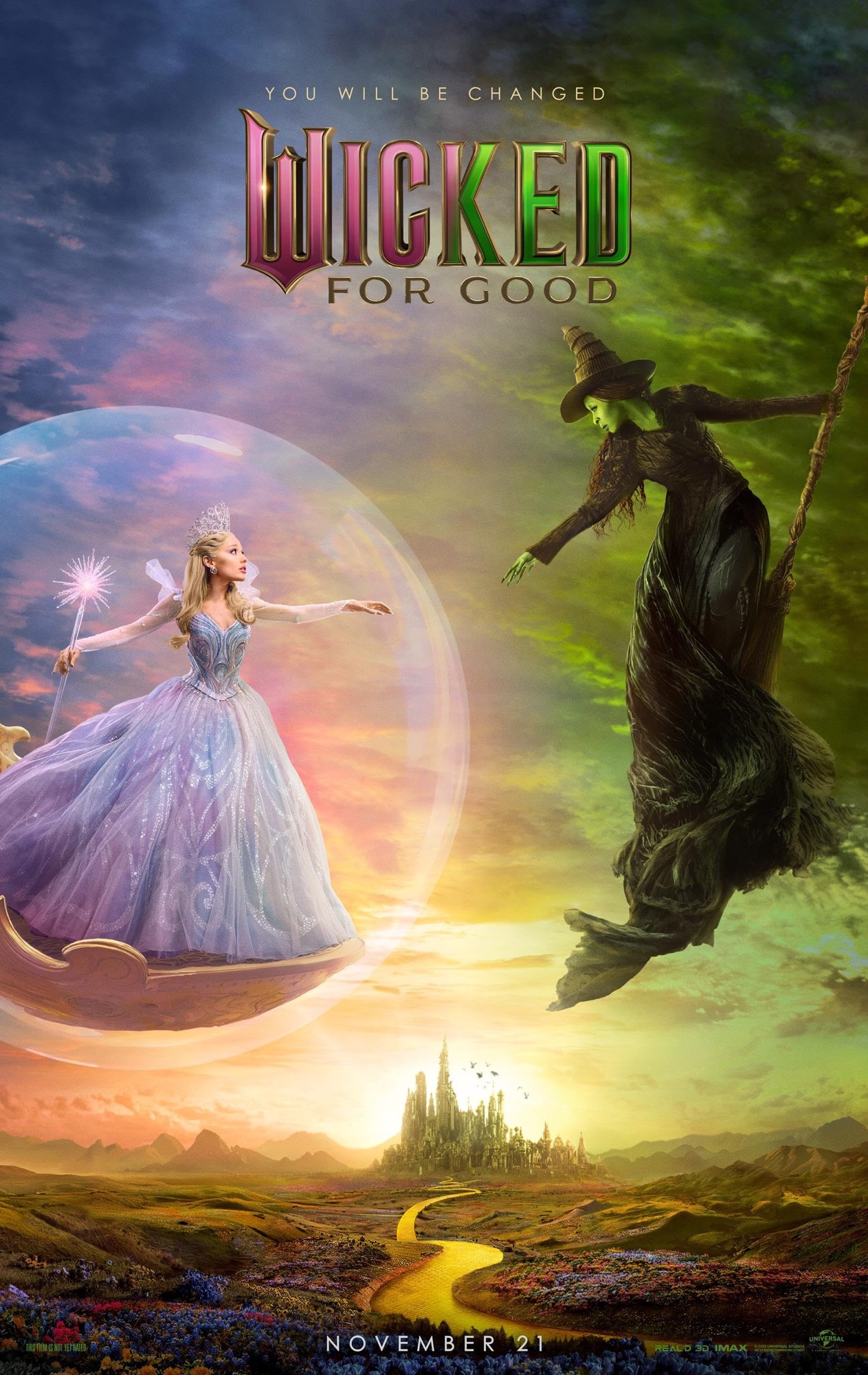
Wicked for Good: The Emerald Curtain Falls, Yet Glimmers Remain
John M. Chu’s Wicked for Good reimagines Oz with grandeur and consequence, balancing Baum’s charm, Maguire’s revisionism, and the 1939 film’s mythic aura. Cynthia Erivo and Ariana Grande anchor a tale of friendship, deception, and resistance, where the themes of animal equality and authoritarian power resonate with modern echoes. This review explores how effectively the…
-

In Our Dreams: The Sandman’s Children and the Fractured Marriage
Step into the haunting dreamworld of In Your Dreams, where siblings Stevie and Elliot confront the Sandman to save their parents’ fractured marriage. Directed by Erik Benson and Alexander Woo, this Grimm-inspired drama balances charm and darkness, offering a tale of wishes, fears, and the fragile bonds that hold families together.
-

The Empty Chair
This poem originated from the ritual of watching films with someone I loved, and the chair she occupied became a consecrated site after her passing. Each line mimics a film frame rate—24 letters per line—so the poem itself becomes a reel of memory. Commas and dashes act as cuts, splicing grief into cinematic rhythm. The…
-
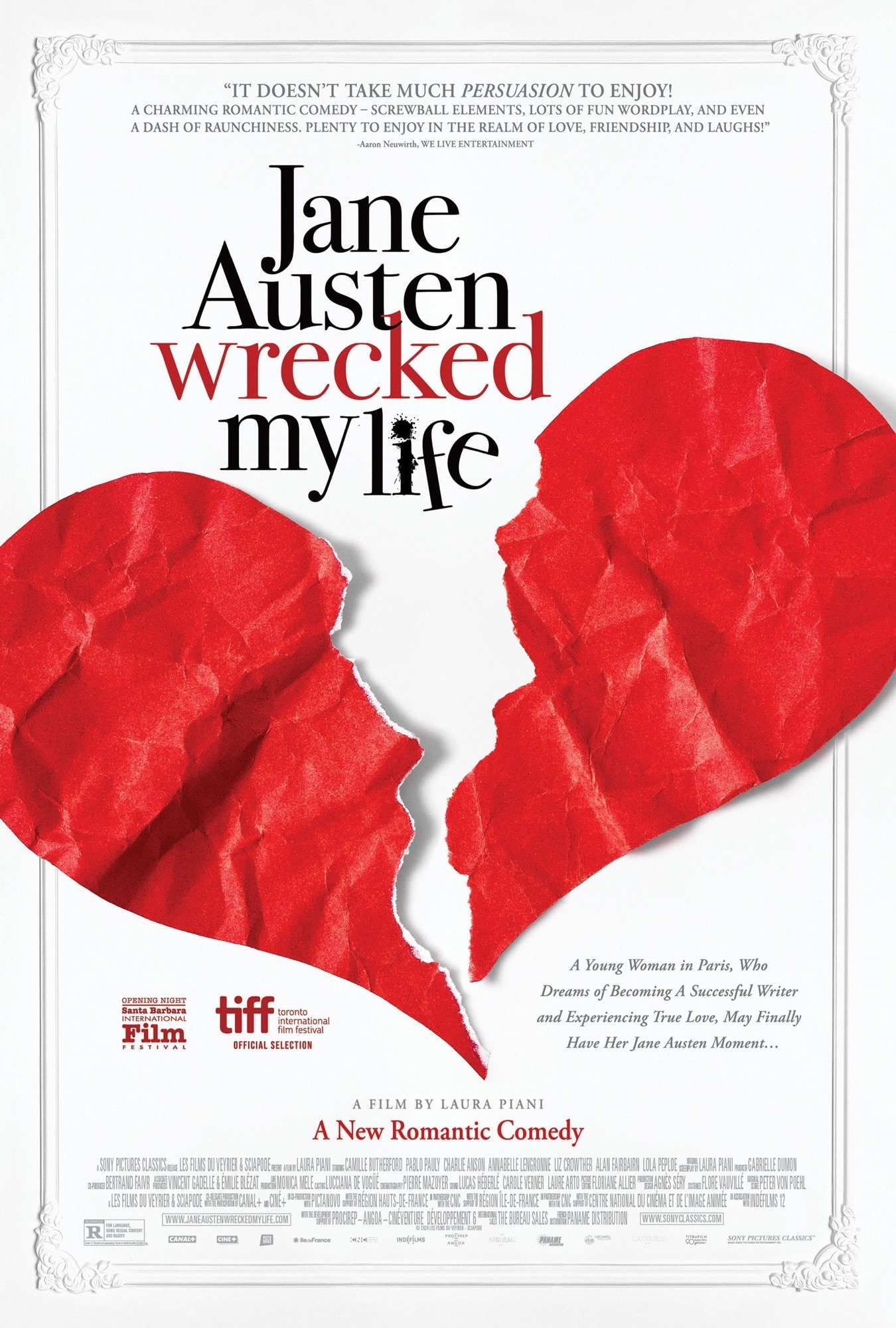
Jane Austen Wrecked My Life, But Left Me Smiling Anyway
Camille Rutherford shines in Laura Piani’s Jane Austen Wrecked My Life, a witty, slightly chaotic parody-romance that pokes fun at Austen’s tropes while delivering its own tender payoff
-

The Running Man: Powell Runs, Wright Winks, Capitalism Trips Over Its Own Sneakers
Edgar Wright’s The Running Man turns Glenn Powell into a hunted everyman in a dystopian game show where capitalism and media manipulation collide. The chase thrills, the satire bites, and the spectacle occasionally stumbles—but it’s a ride worth taking.
-
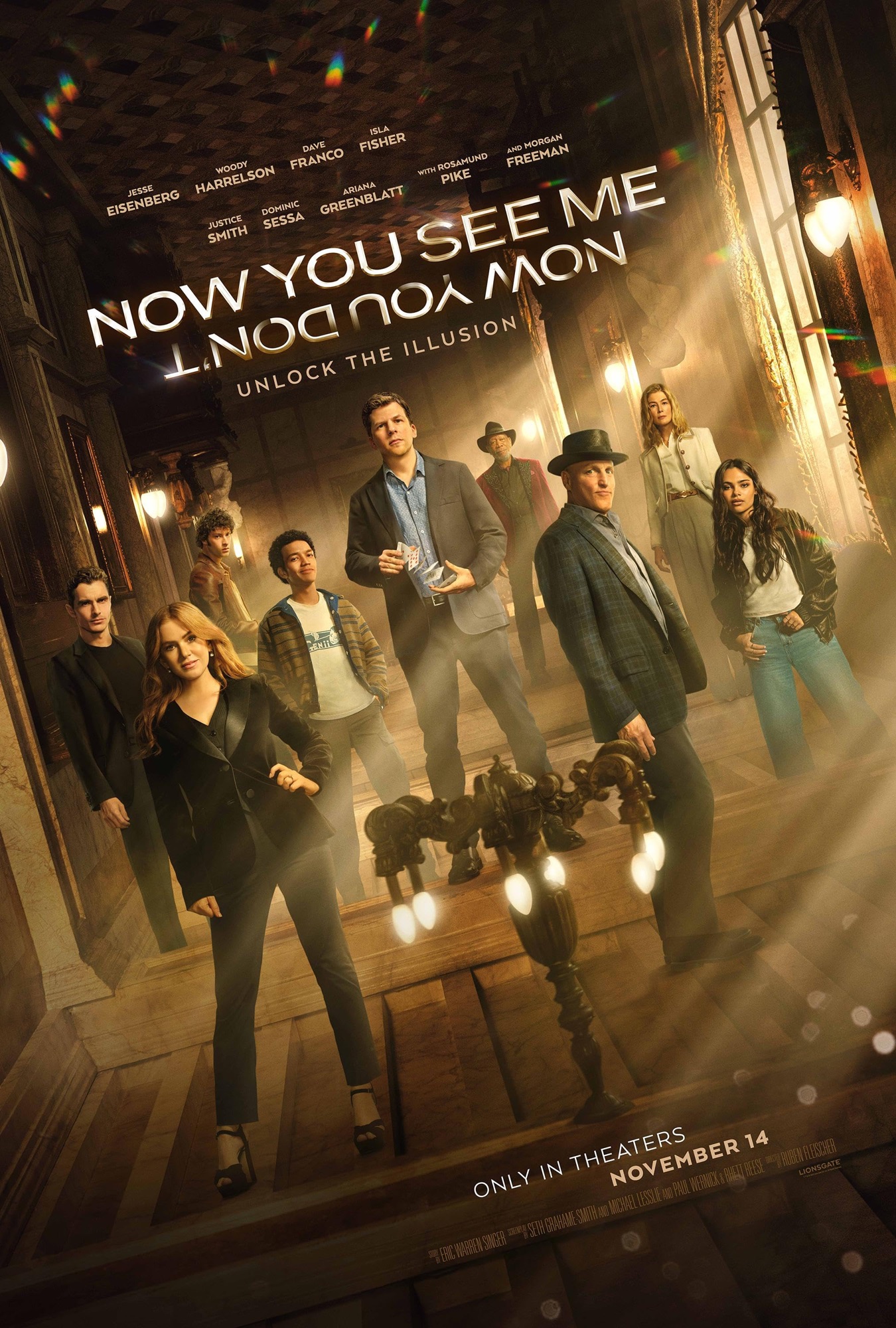
Now You See Me, Now You Don’t: The Diamond Heist That Almost Slips Through Its Own Fingers
Ruben Fleischer’s Now You See Me Now You Don’t delivers a prankish mix of spectacle and snark, with Woody Harrelson and the Four Horsemen pulling off a diamond heist that’s equal parts clever and clumsy. Our review breaks down what dazzles and what disappears.
-
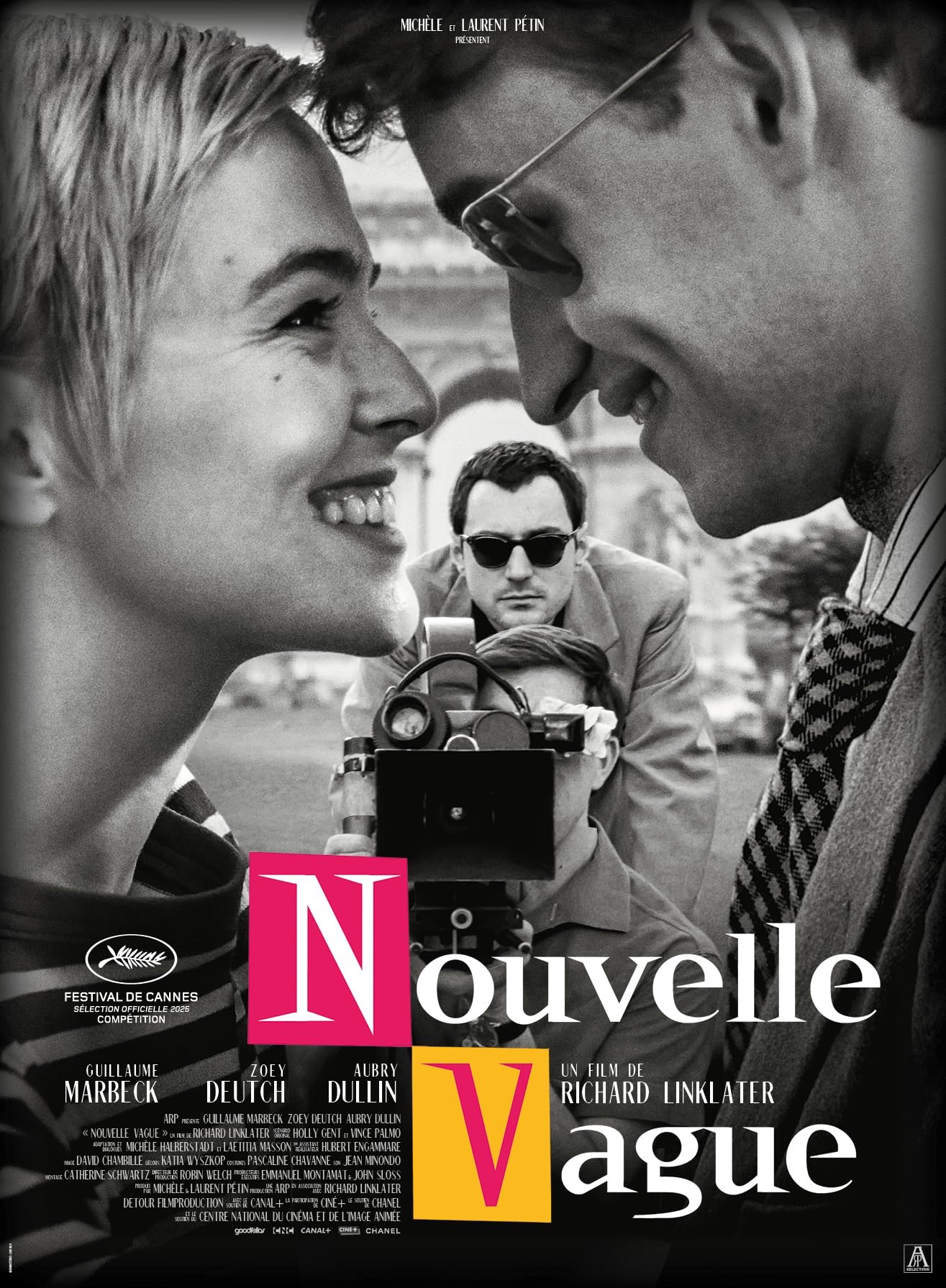
Nouvelle Vague: Breathless, Blue Moon, and the Long Shadow of the New Wave: Godard, Linklater, and Truffaut
Jean-Luc Godard’s Breathless shattered cinematic rules with style and rupture, while Richard Linklater’s Nouvelle Vague and earlier Blue Moon reflect on memory, myth, and endurance. In this essay, I explore how Linklater stands as Truffaut’s American heir, why he chose to dramatize Godard—his opposite—and why I remain a devoted Truffaut fan and a reluctant admirer…
-

Breathless and The 400 Blows: Cinema as Style, Cinema as Memory
Jean-Luc Godard’s Breathless shattered cinematic rules with its jump cuts and noir echoes, while François Truffaut’s The 400 Blows grounded cinema in memory and lived experience. In this reflection, I explore how these two films shaped my own movie mania—why I remain a devoted Truffaut fan and a reluctant admirer of Godard.
-
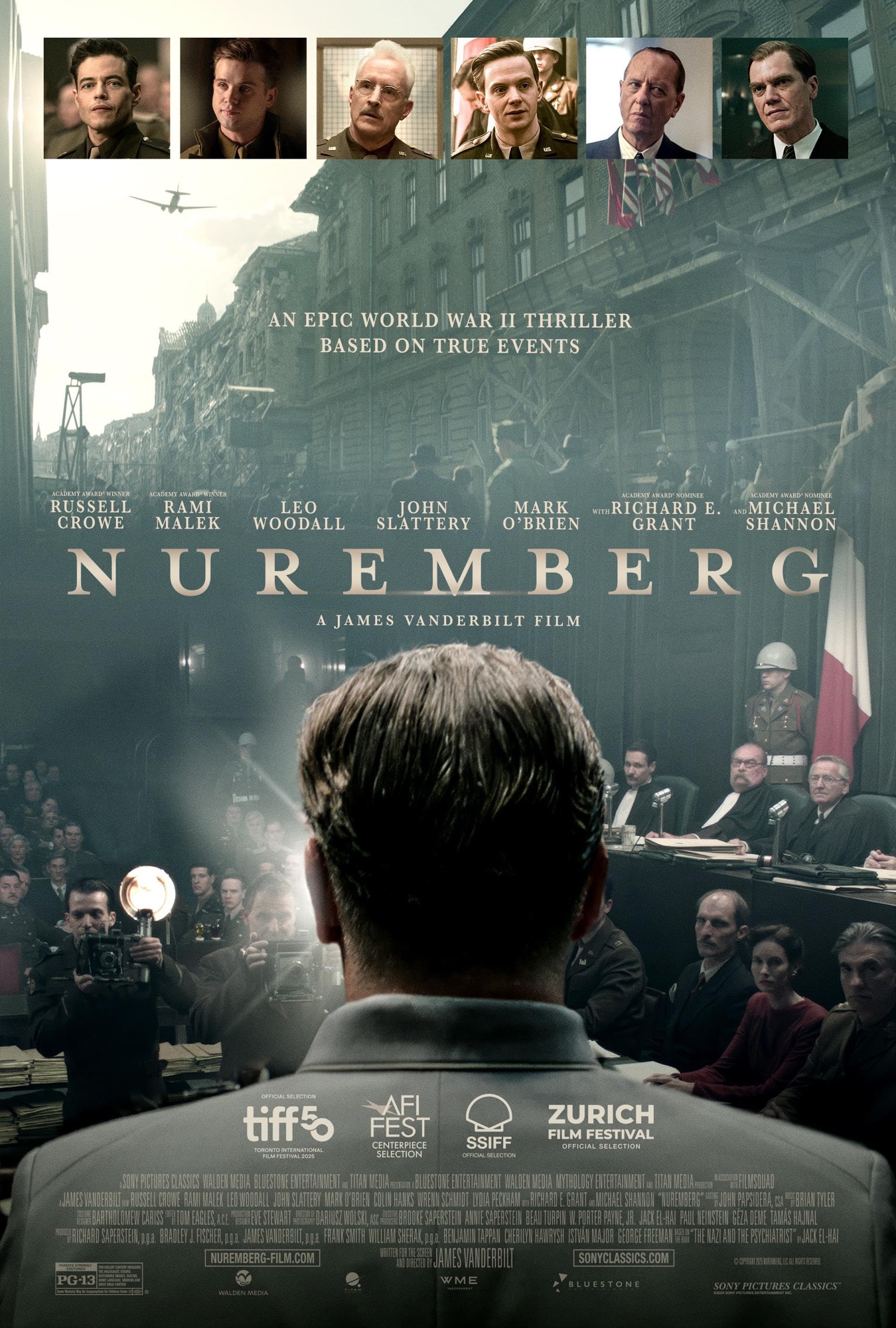
Nuremberg: The Weight of Judgement
James Vanderbilt’s Nurenberg, starring Russell Crowe and Rami Malek, revisits the historic tribunal that sought justice after the Holocaust. Both courtroom drama and history lesson, the film wrestles with the weight of judgment, offering a mixed yet powerful portrayal of survival, denial, and consequence.
-

The Unholy Trinity: Pierce Brosnan, Samuel L. Jackson, and Brandon Lessard forge a brutal, bruised Western in Richard Gray’s The Unholy Trinity—flawed, but fiercely alive.
Pierce Brosnan and Samuel L. Jackson lead a brutal, morally tangled Western in The Unholy Trinity. My review explores how Richard Gray’s frontier tale wrestles with legacy, betrayal, and survival.
-
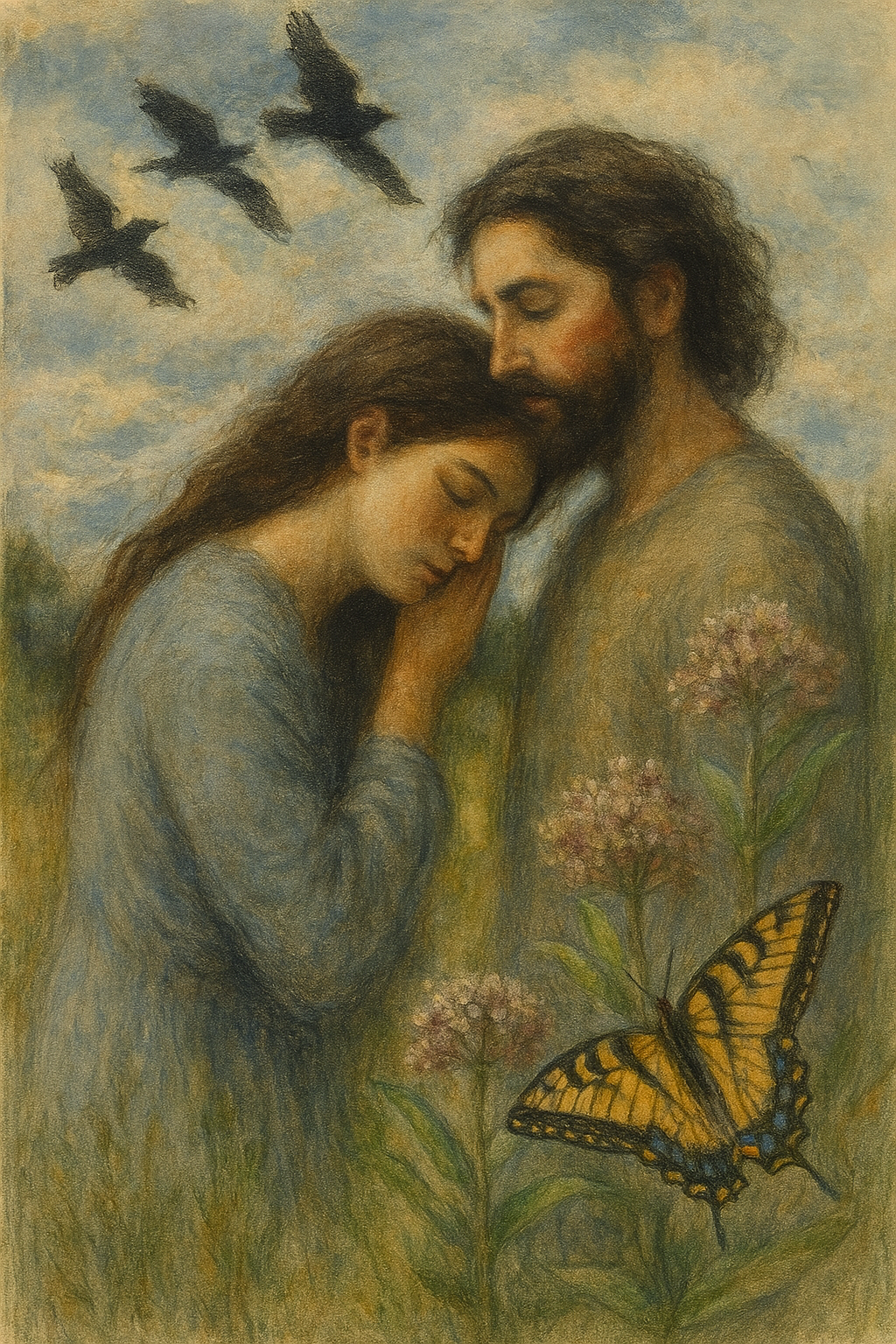
Birds and Milkweed
Birds and Milkweeds emerged from a moment of listening—pressing my ear to my wife’s chest and imagining wings. The poem enacts the illusion of flight that love offers, and the beauty that remains after we fall. Butterflies and milkweed form a memento mori—not of grief, but of transformation. I wanted to write a poem that…
-

The Cut: Orlando Bloom’s unnamed fighter claws toward redemption in Sean Ellis’s brutal boxing drama, where the real opponent is the body itself.
Orlando Bloom’s unnamed fighter descends into obsession and bodily sacrifice in Sean Ellis’s The Cut—a brutal, poetic boxing drama that trades punches for pain and glory for hunger.
-
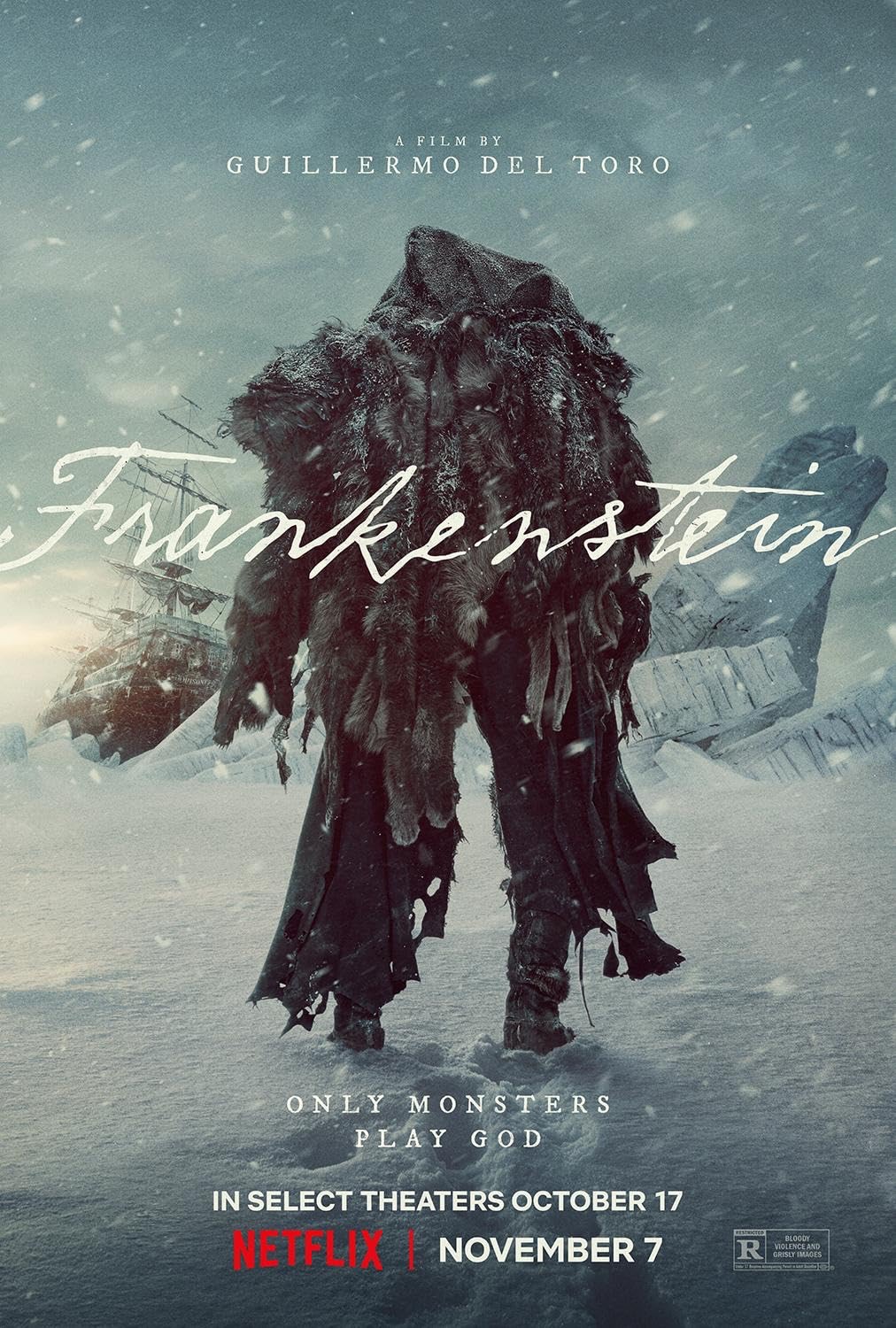
Frankenstein: “Frankenstein Forgives: Del Toro’s Resurrection of Grief, Grace, and Consequence”
Guillermo del Toro’s Frankenstein resurrects more than a myth—it revives grief, grace, and consequence. This review explores the film’s brutal lyricism, its philosophical weight, and the Creature’s journey toward recognition and survival. A monster who forgives. A story that breathes.
-
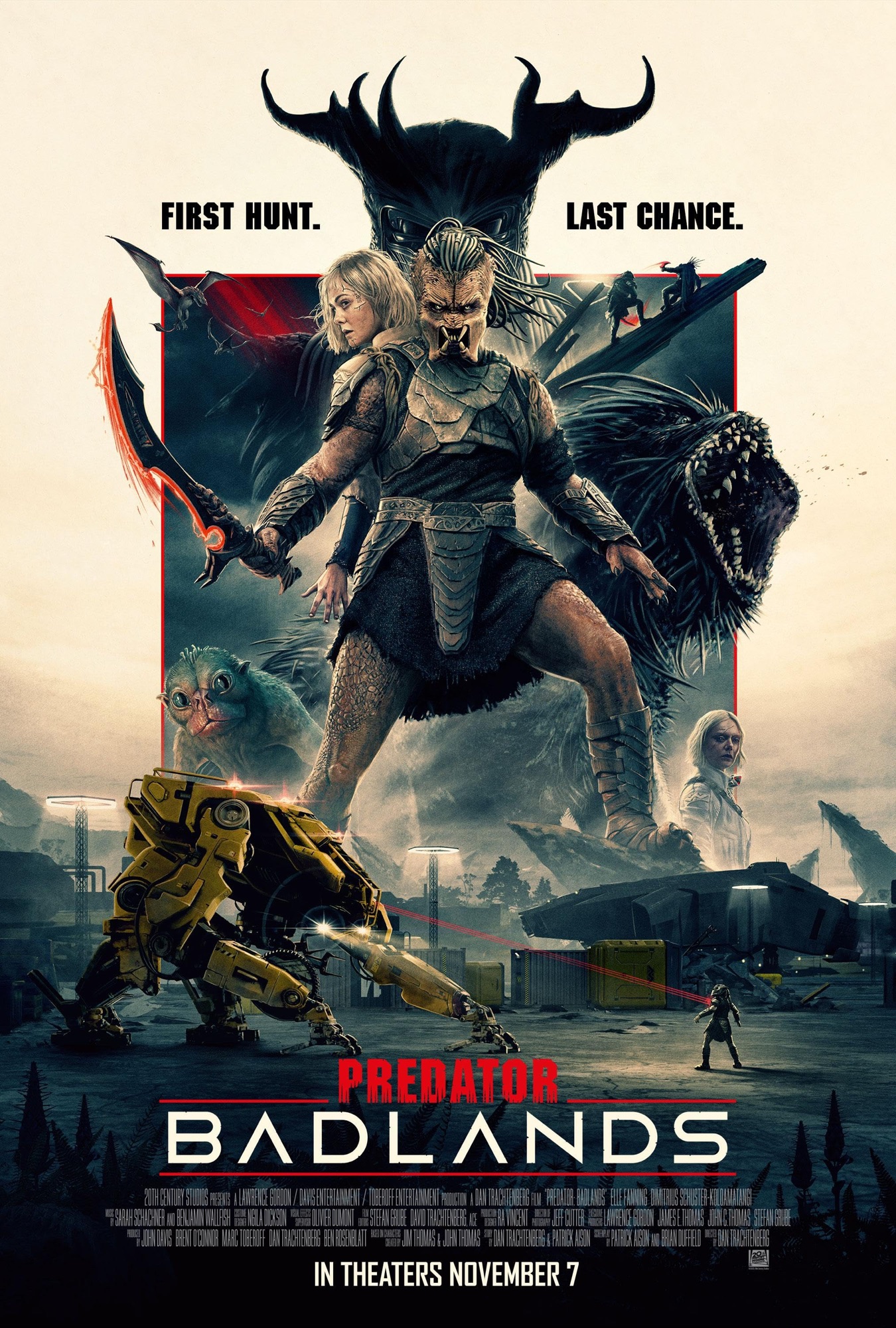
Predator: Badlands is a brutal, inventive survival tale that reimagines the franchise through blood, betrayal, and bond.
Dan Trachtenberg’s Predator: Badlands reimagines the franchise as a brutal survival tale, with Elle Fanning delivering a dual performance that anchors a story of betrayal, adaptation, and chosen kinship. Read my full review.
-
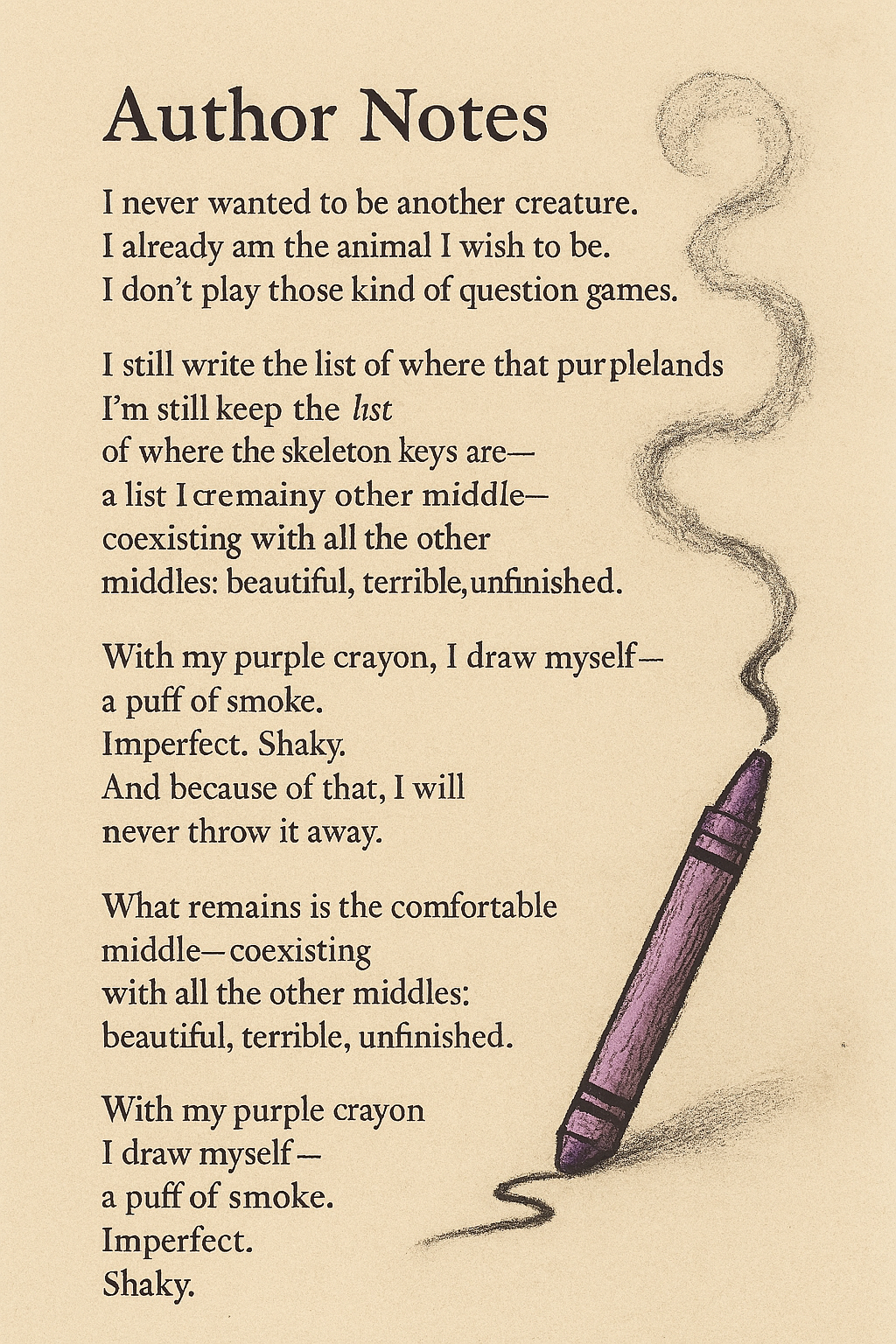
Author Notes
“Author Notes” emerged from a refusal of wanting to answer the the question game—If you were an animal, which would you be? It demands a transformation I do not want to indulge in. It neglects experience and demands transformation. Instead I indulged with the possibilities of Harold’s Purple Crayon. I imagined writing it with my…
-
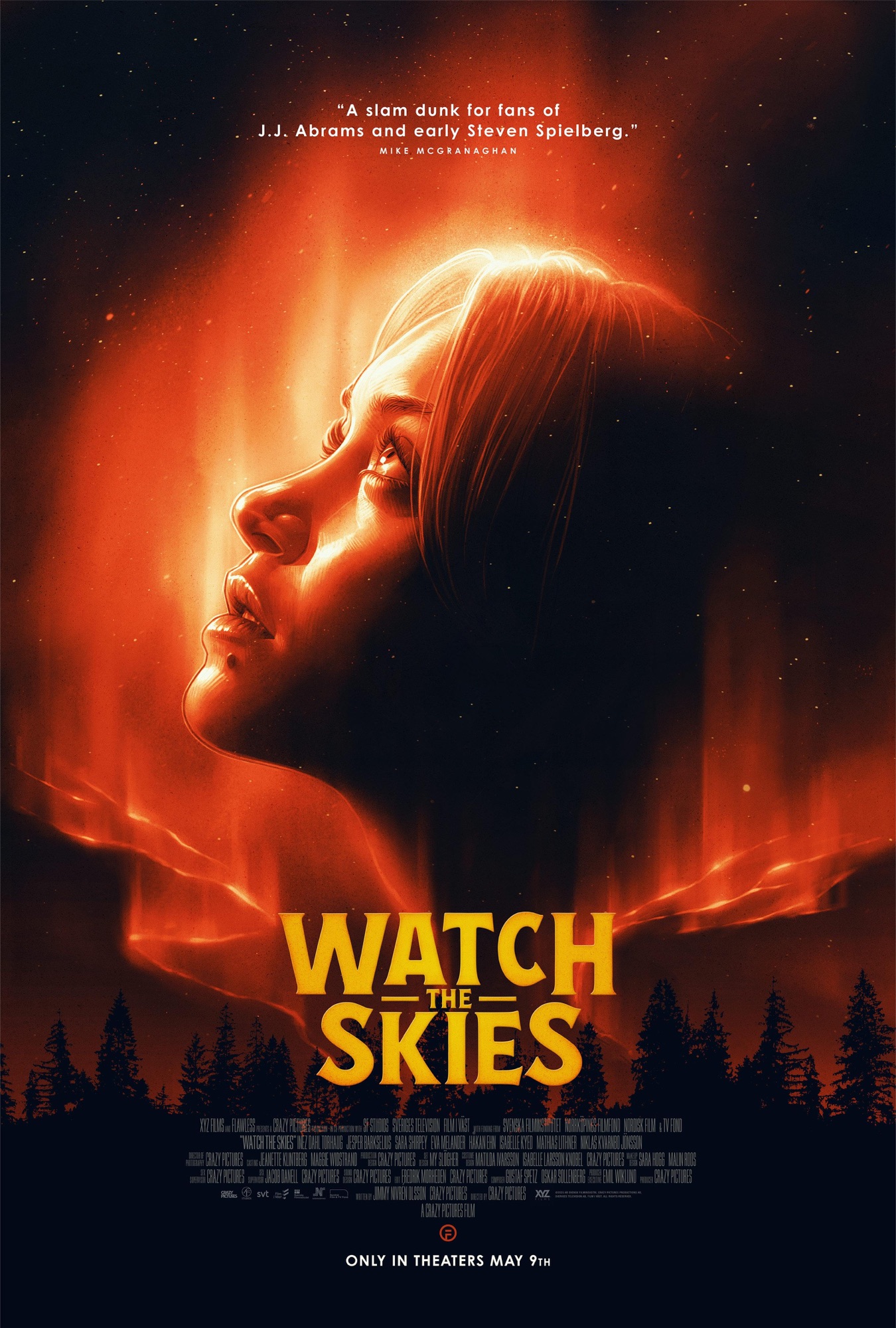
Watch the Skies: “Forever Young, Forever Searching”
Victor Danell’s Watch the Skies blends alien conspiracy with familial longing in a Swedish sci-fi adventure that dares to ask: what if the truth we seek in the stars is really about those we’ve lost on Earth?
-

Familiar Touch: A tactile portrayal of Alzheimer’s, anchored by Kathleen Chalfant’s quietly devastating performance.
Sarah Friedland’s “Familiar Touch,” starring Kathleen Chalfant, offers a lyrical and unsentimental portrait of Alzheimer’s, where identity flickers through gesture, and care becomes a quiet act of preservation.
-
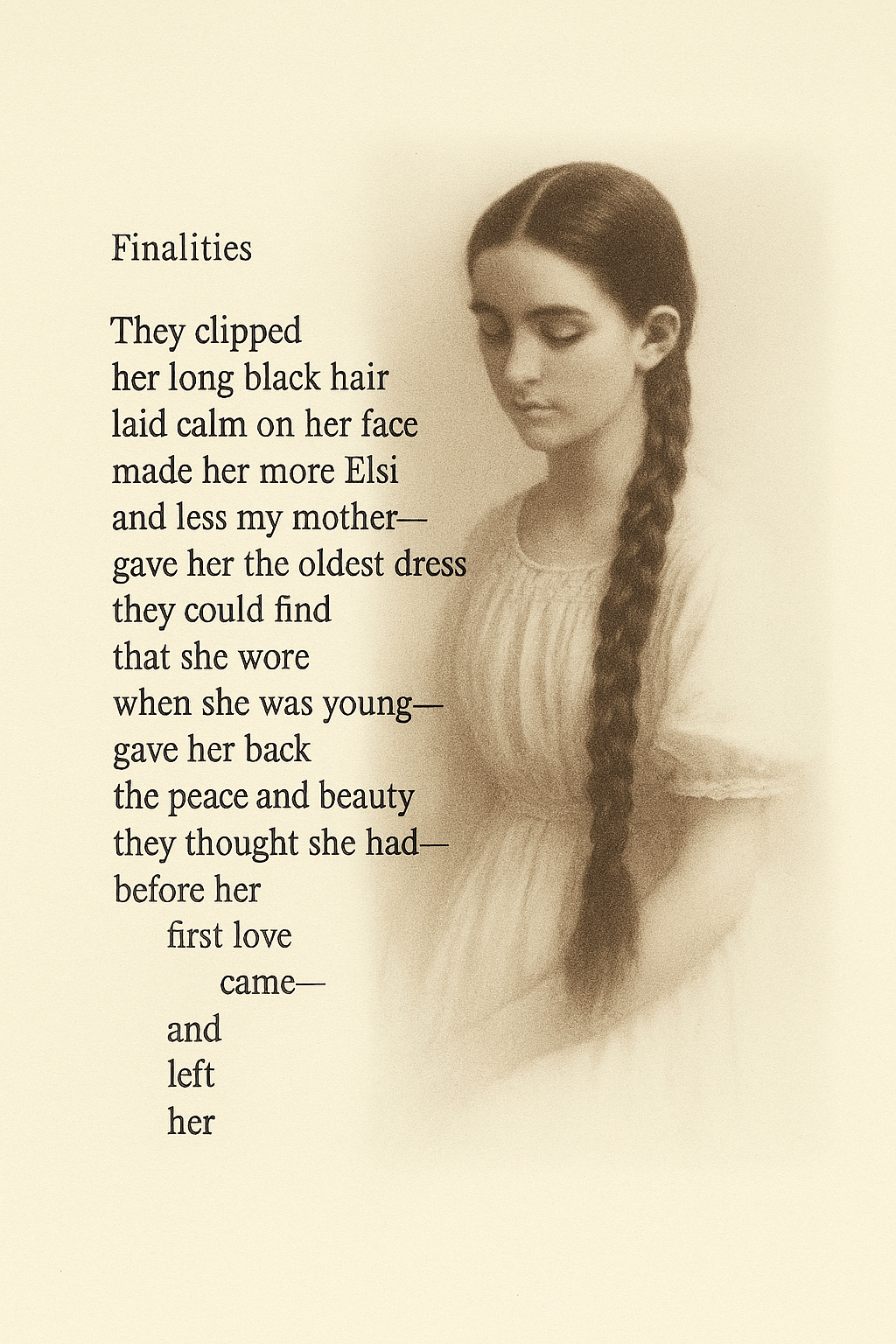
Finalities
Finalities emerged from a moment of ritual clarity after my mother’s passing. I wanted to honor not just her memory, but the gestures others made to restore her—clipping her hair, dressing her in youth, renaming her Elsi. It stages mourning as a quiet choreography of speculative grace. It’s about the transformation of a woman into…
-
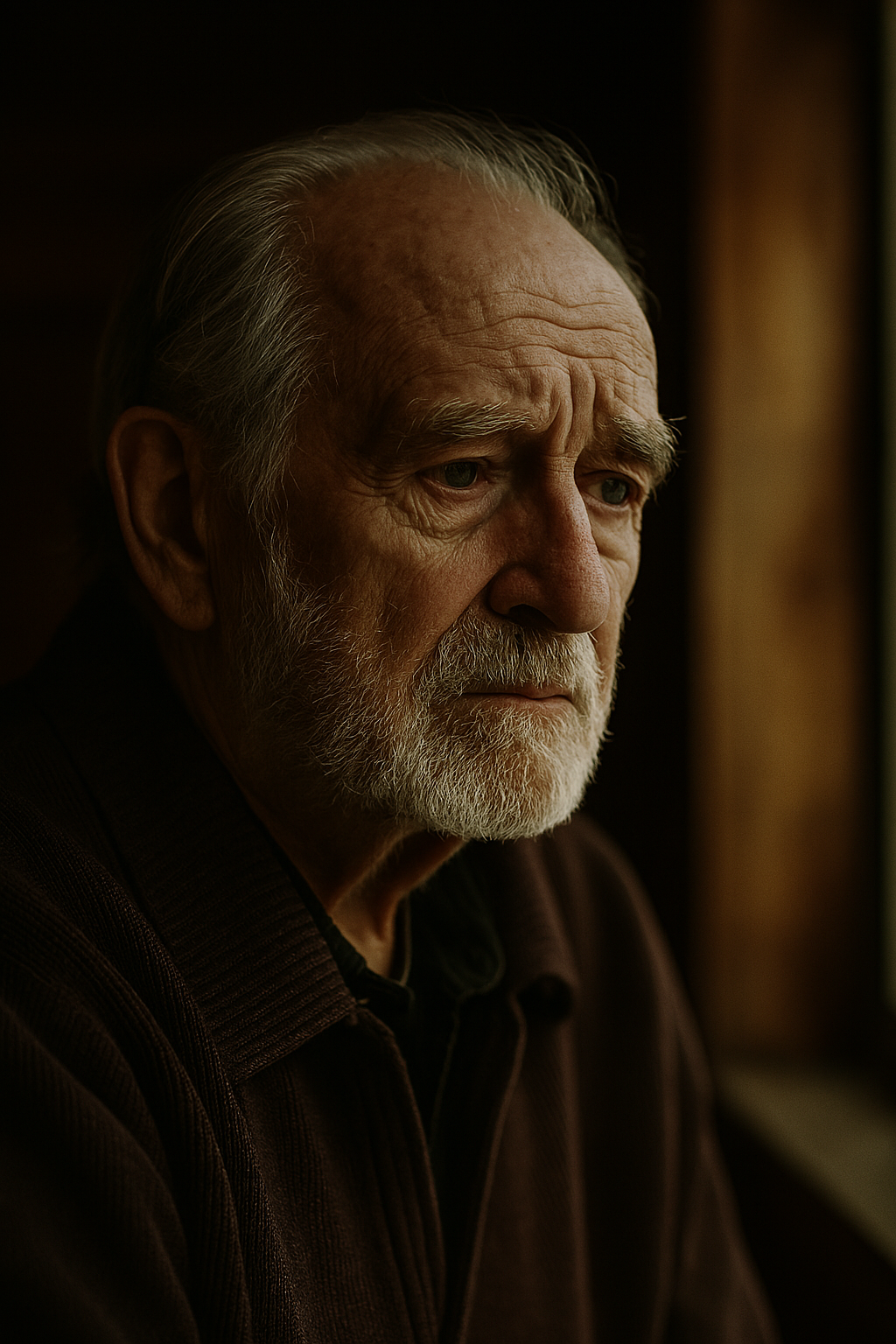
For My Older Brother
“For My Brother” came from a quiet moment my brother and I shared, shaped by past pain and recovery. The poem uses body and thought as symbols, with the slash mark showing how deep wounds can leave lasting marks. I wrote it to honor his survival and the work he had done to heal.
-
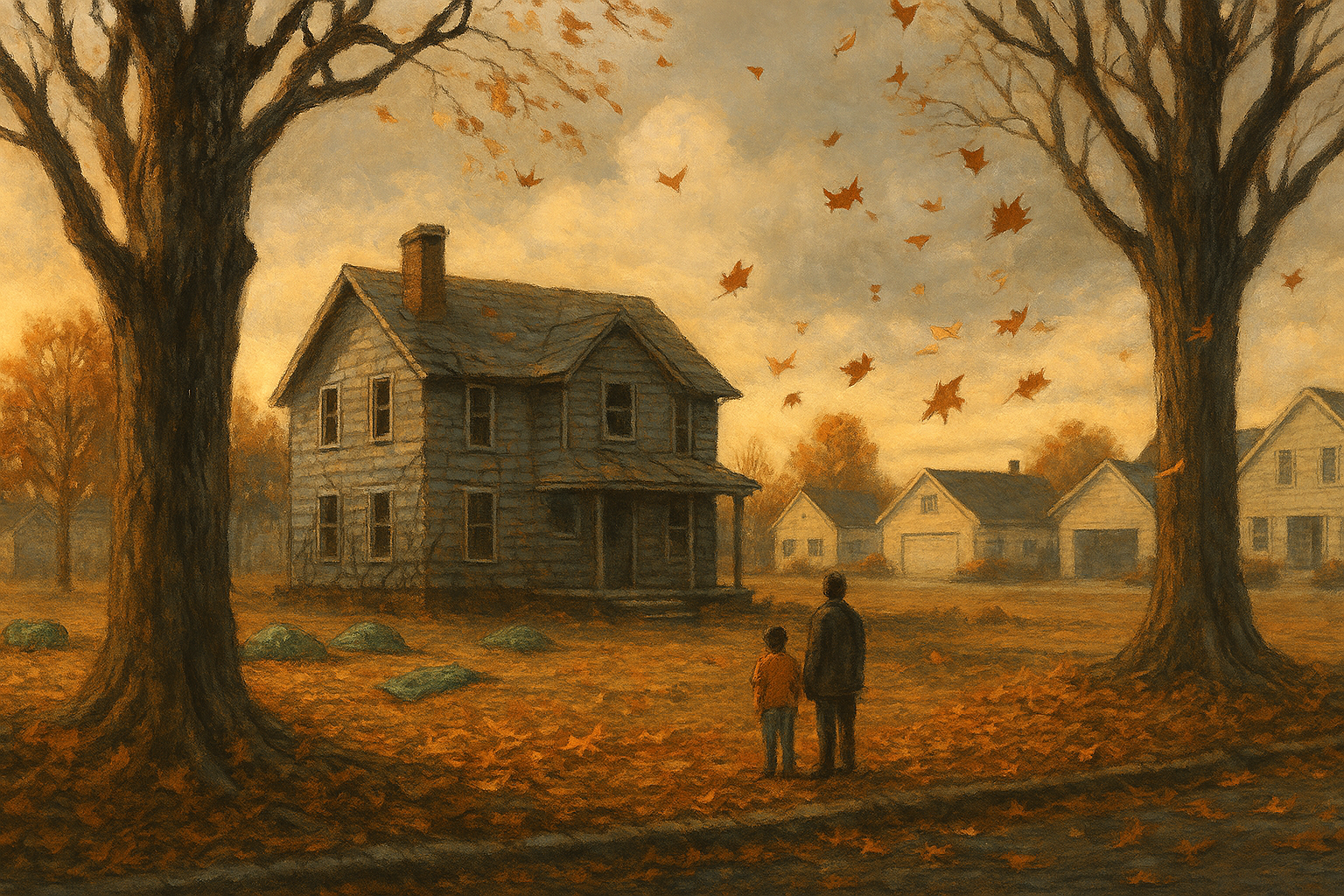
Treatise to My Old Magnificent Maples and Sweetgums
Treatise to My Old Magnificent Maples and Sweetgums began as a procedural elegy—an archive of leaf blowing, tarp dragging, and displacement. My autistic brother and I enacted these rituals season after season, until the house, the trees, and the basement were lost. The poem resists metaphor and sentimentality. It trusts objects, gestures, and consequence. The…
-
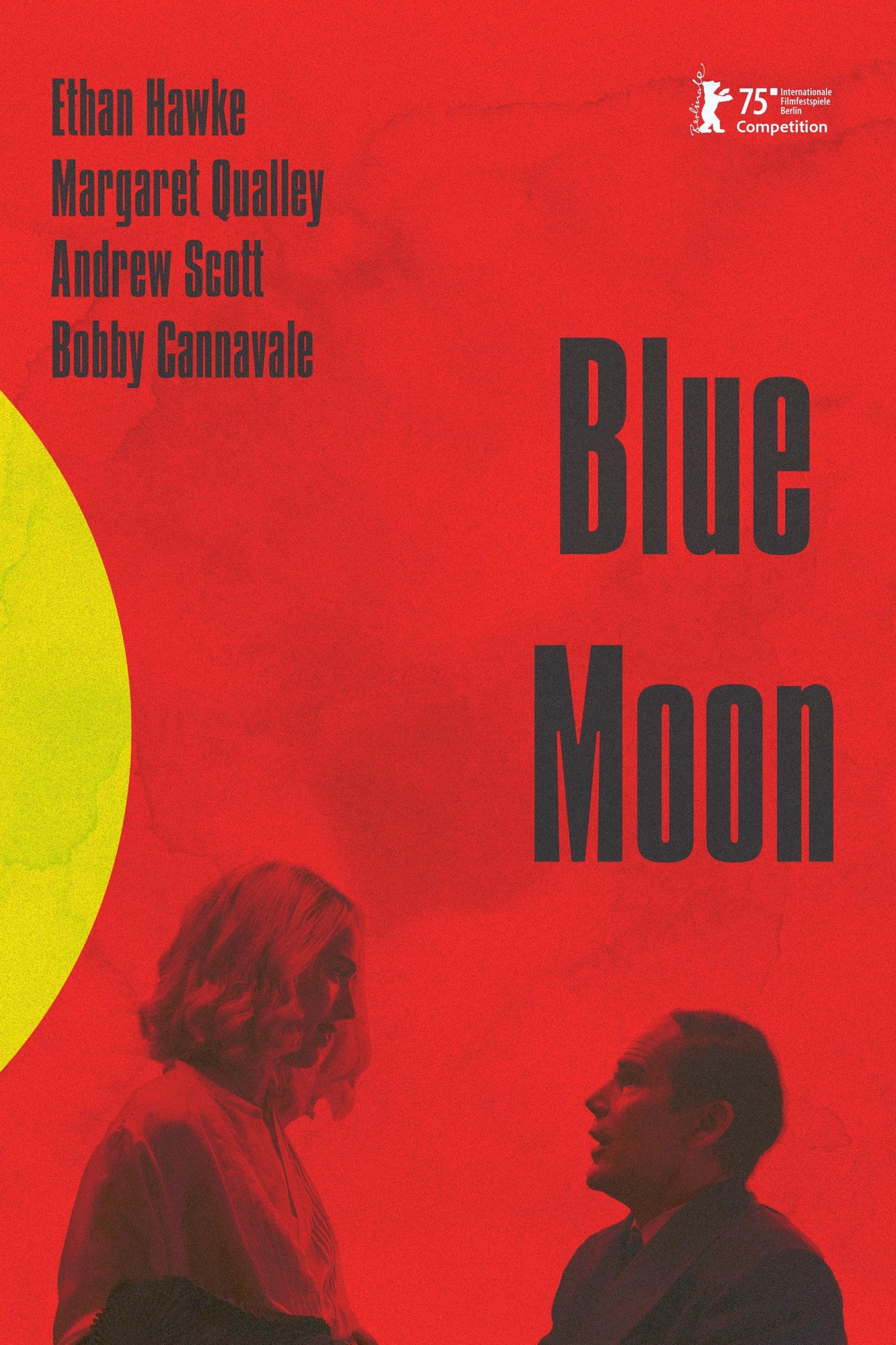
Blue Moon: Ethan Hawke’s Lorenz Hart is a haunted, dazzling presence in Richard Linklater’s Blue Moon—a film that sings, stumbles, and ultimately lingers like a last refrain.
Ethan Hawke delivers a career-best turn as lyricist Lorenz Hart in Richard Linklater’s Blue Moon, a bittersweet, one-night elegy of lost love, artistic rupture, and the songs that outlast the men who wrote them.
-
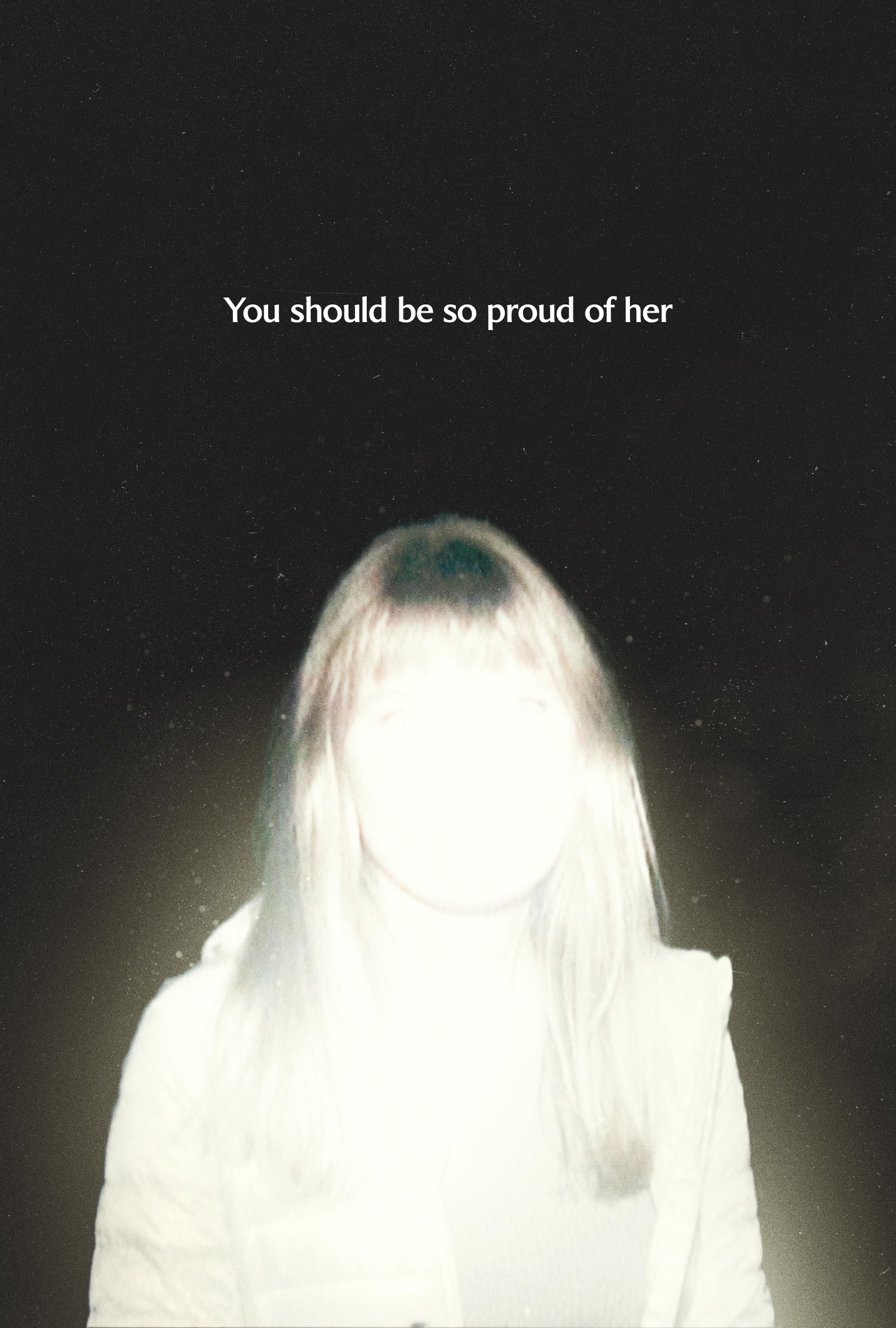
Shelby Oaks: The Ritual Beneath the Oaks
Shelby Oaks, Sarah Durn, Crud Stuckmann, horror movie review, occult horror, demonic ritual, hellhounds, Tarion demon, Riley Brennan, Mia Brennan, Robin Bartlett, Shelby Oaks ending explained, Shelby Oaks plot summary, Shelby Oaks cast, Shelby Oaks film analysis
-
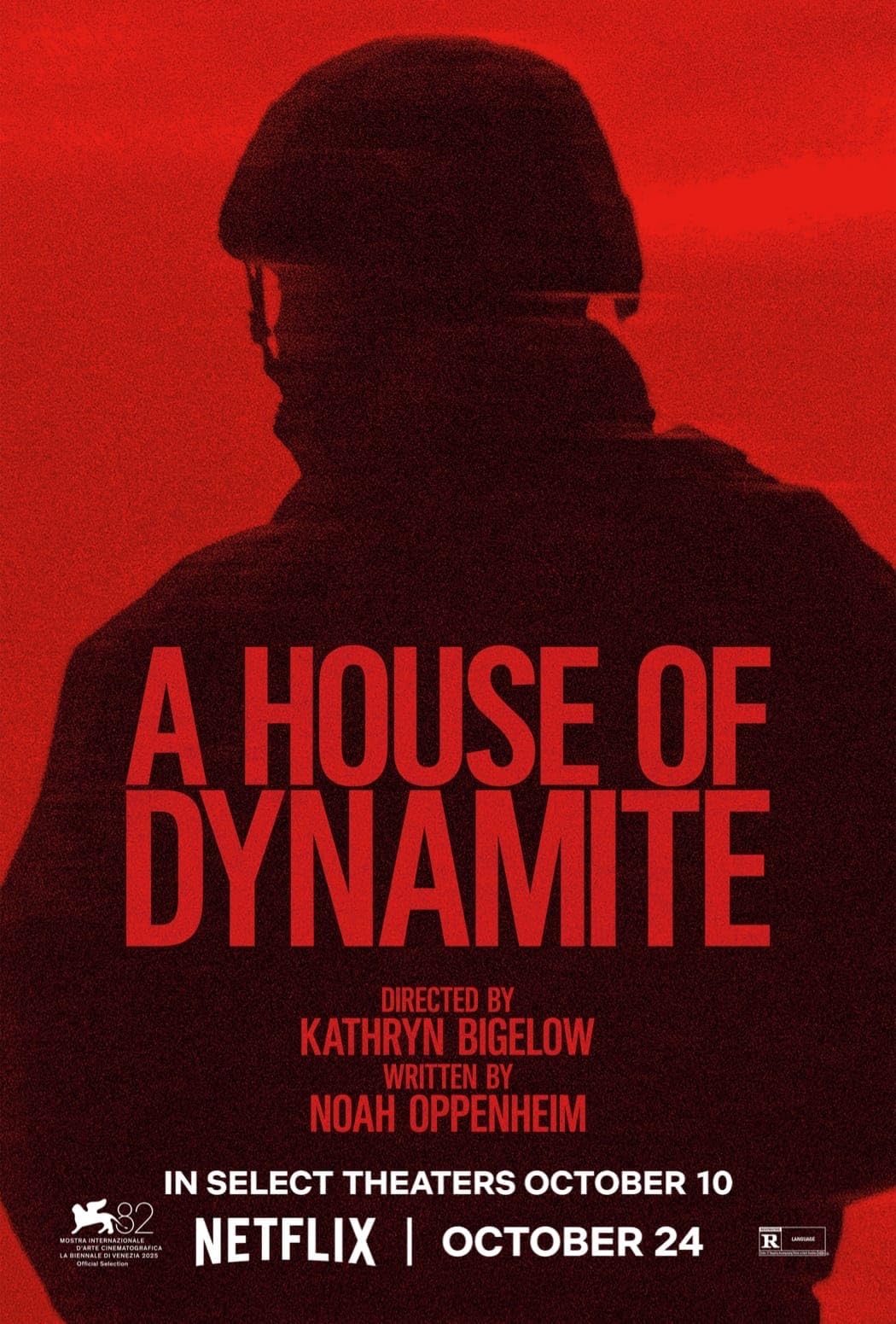
A House of Dynamite: Command Fractures and Countdown Ethics
Kathryn Bigelow’s A House of Dynamite delivers a tense, morally fraught nuclear strike drama led by Idris Elba as a President forced to choose between retaliation and restraint. Our review explores what works, what falters, and why the film’s title detonates with meaning.
-

Shadows and Ghosts and Angels
This poem emerged from a real CT scan I underwent—an experience that felt both absurd and sacred. I wanted to capture the paradox of being scanned for tumors while feeling the warmth of contrast dye and hearing the machine’s screech. The poem resists sentimentality and dramatization. It’s a meditation on diagnostic ritual, the bureaucratic anticlimax…
-
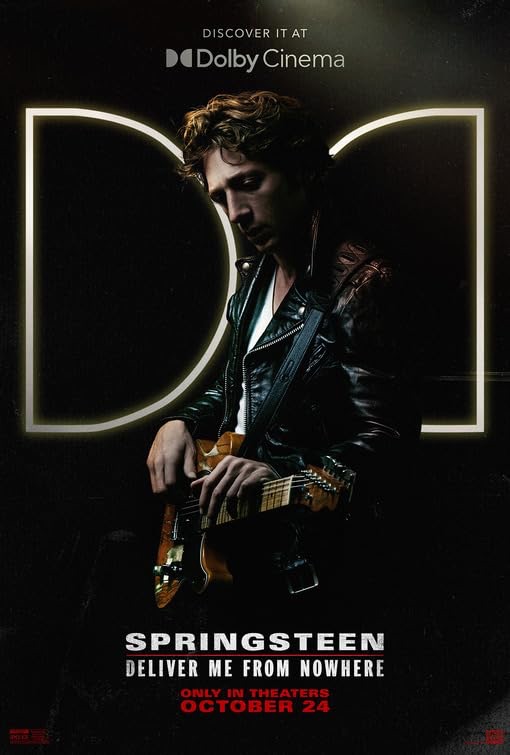
Springsteen: Deliver Me from Nowhere: Deliver Me From the River’s Edge
Scott Cooper’s Springsteen: Deliver Me From Nowhere is a moody, lyrical portrait of Bruce Springsteen’s haunted Nebraska era, starring Jeremy Allen White in a quietly powerful performance. It’s a film that trades legend for loneliness and delivers a moving meditation on artistic transformation
-
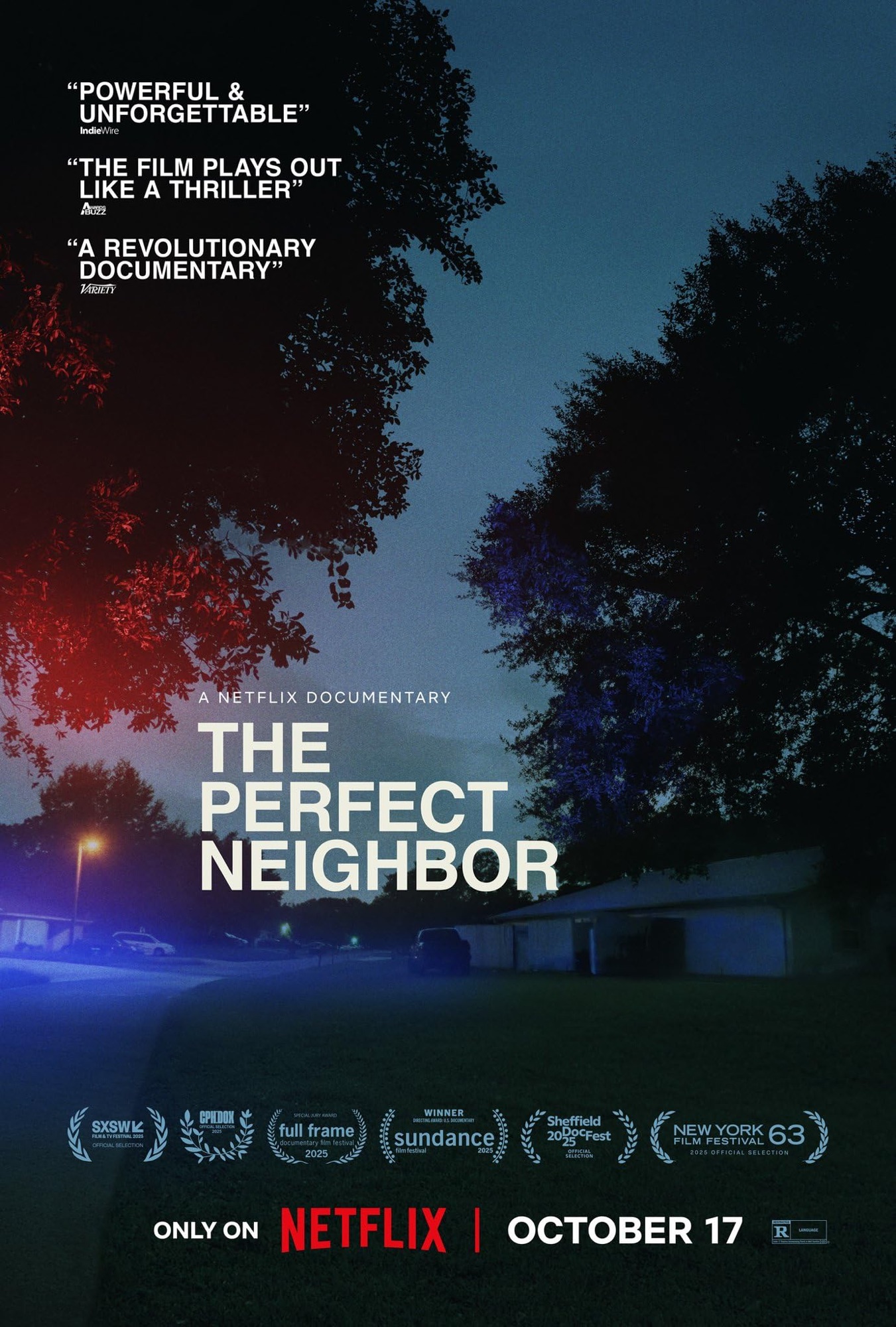
The Perfect Neighbor: A Harrowing Portrait of American Law and Loneliness
Geeta Gandbhir’s The Perfect Neighbor is a powerful documentary built entirely from police footage, chronicling the fatal shooting of Ajike Owens and exposing the racialized misuse of Stand Your Ground laws. It’s a rigorous, restrained portrait of loneliness, law, and neighborhood conflict
-
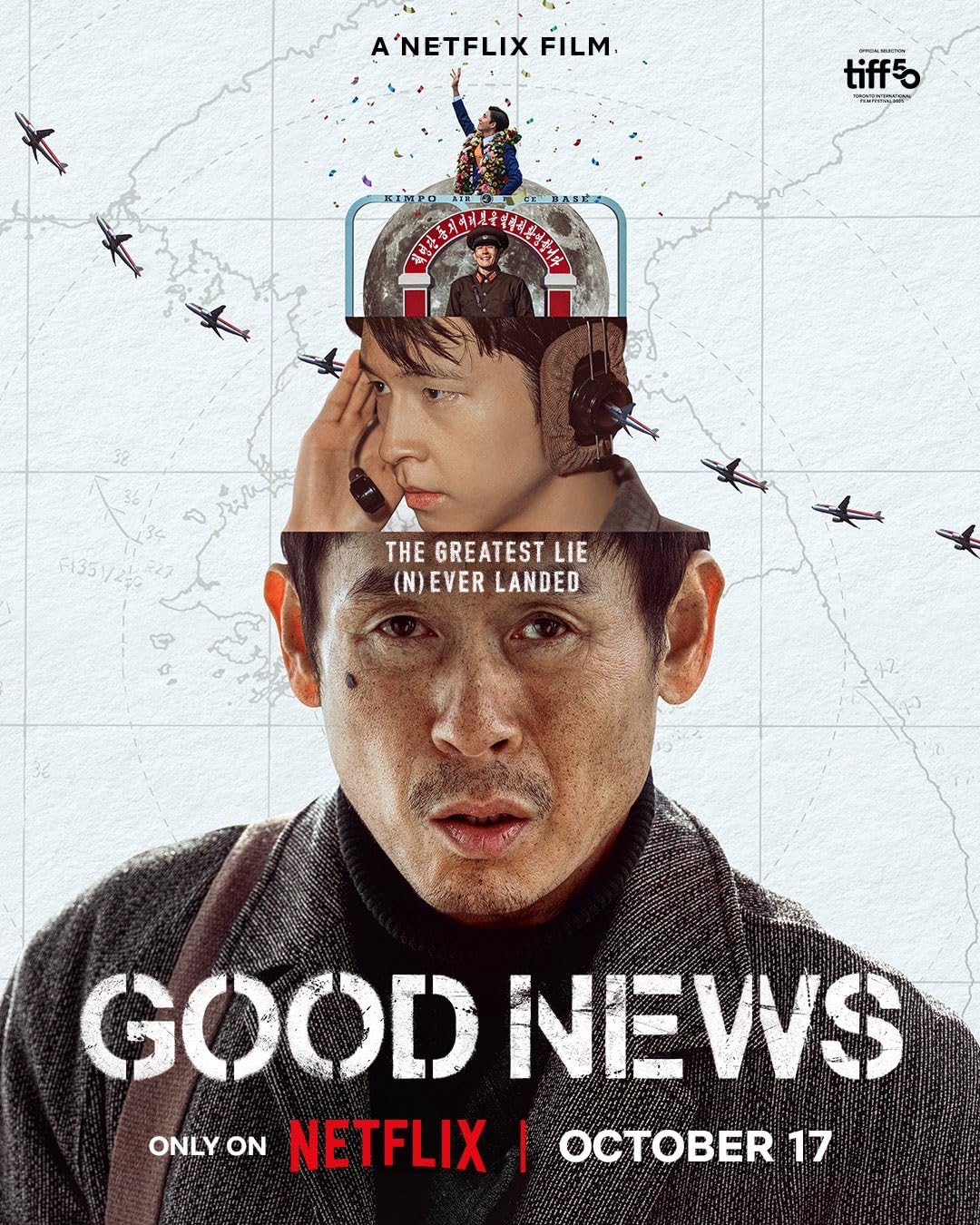
Good News: The Loneliness of Good News
A mixed-to-positive review of Good News, Kim Sang-bum’s comedy thriller starring Sul Kyung-gu, which satirizes hijacking, bureaucracy, and the collapse of truth. The film’s tonal high-wire act mostly succeeds, though its final descent loses steam.
-

Ten Prayer Requests Folded Like Love Notes
This poem began as a private act of grief and ritual—a way to place prayers where no one would find them but God. I wrote it in a shaky, illegible hand, not for clarity but for sincerity. The poem explores themes of sacred concealment, ethical restraint, and the refusal of spectacle. It’s a gesture of…
-
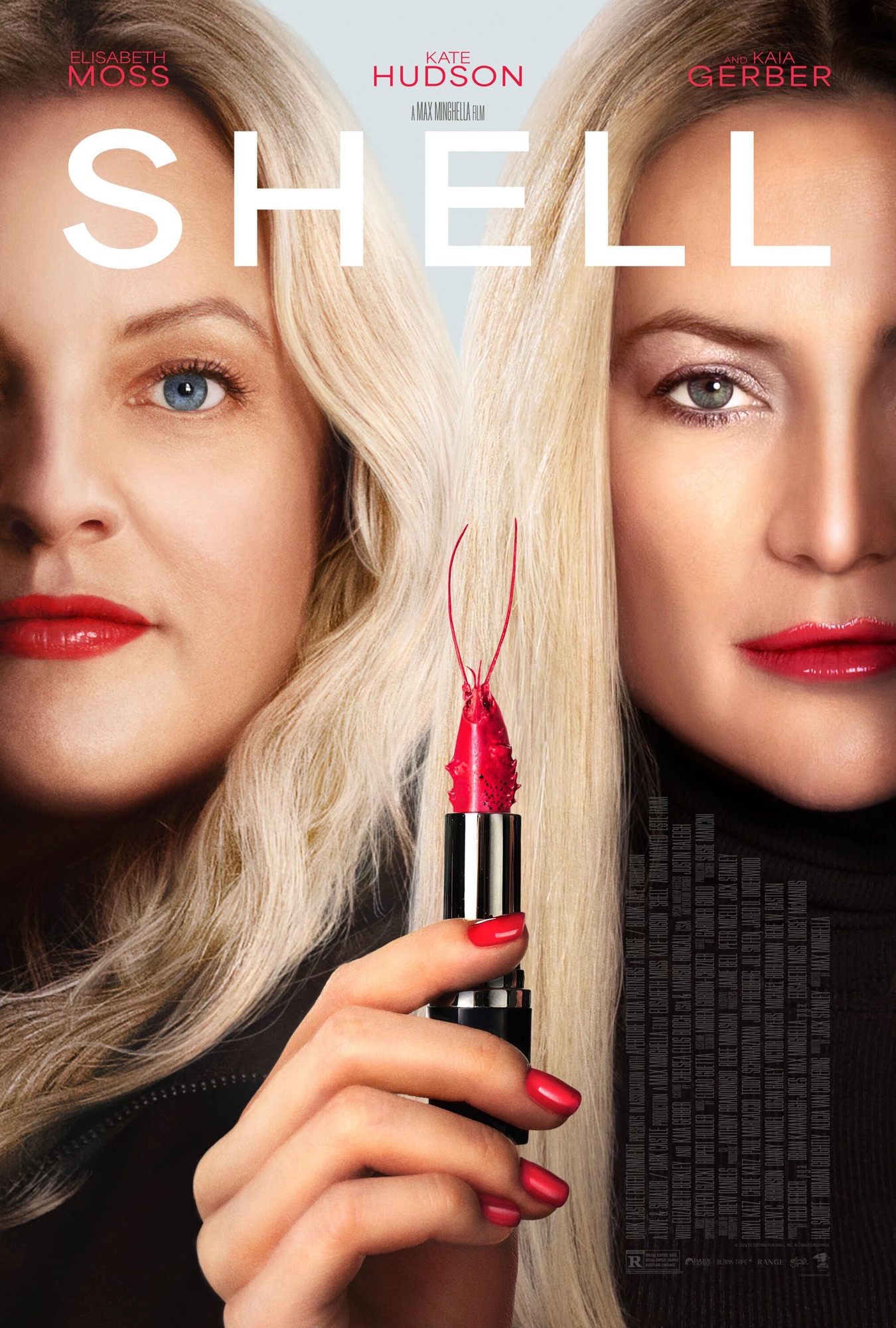
Shell: The Exoskeleton of Want
Elisabeth Moss anchors Shell, a black comedy turned body horror that peels back the glossy skin of Hollywood’s youth obsession. Max Minghella directs with a taste for the grotesque, crafting a film that is both biting and uneven, but never dull.
-
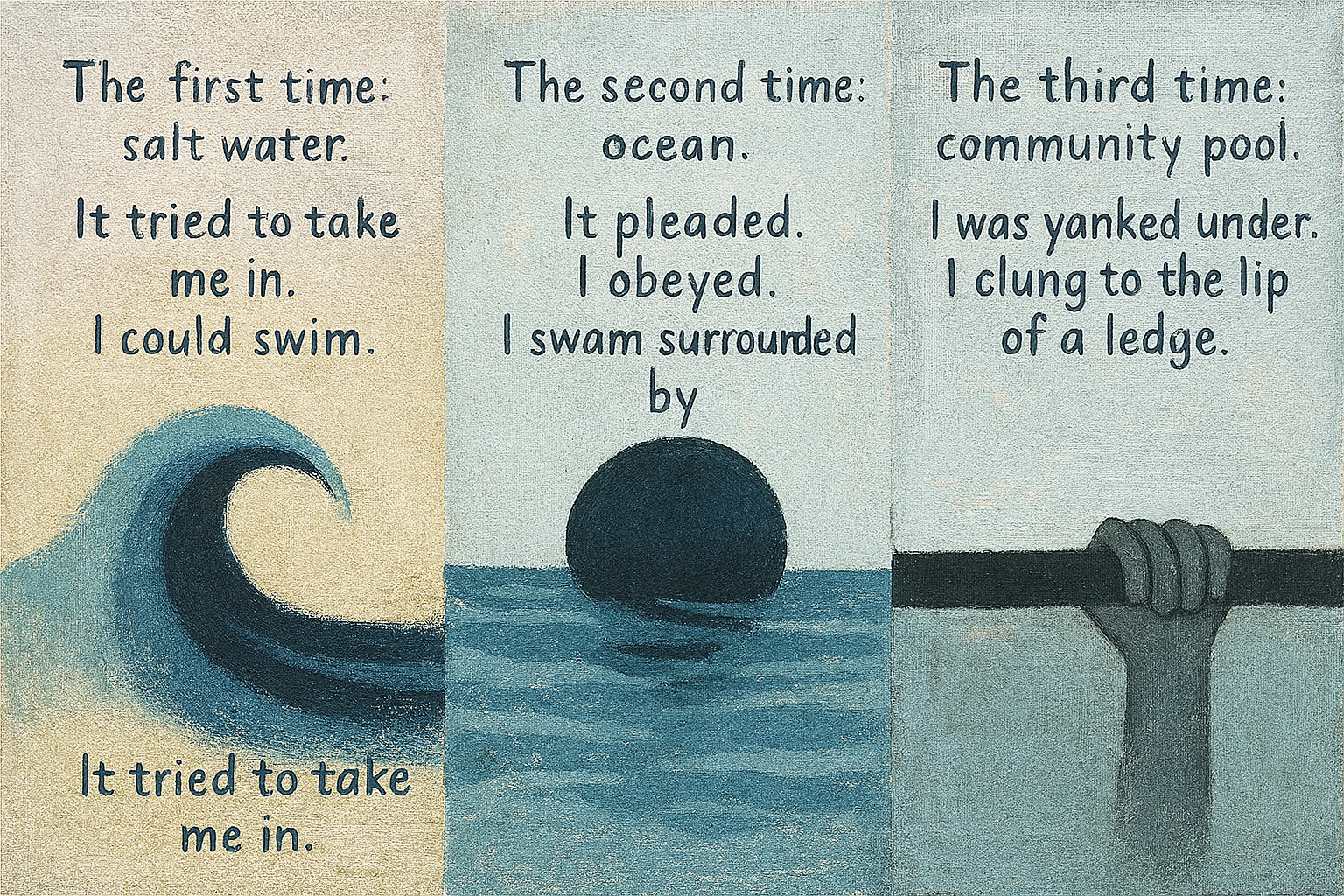
Swimming Lessons
Swimming Lessons emerged from a personal ritual of return—three encounters with water that marked my transformation from child to survivor. The poem is structured as a triptych: saltwater initiation, oceanic communion, and chlorinated reckoning. Each stanza ritualizes memory, surrender, and survival. I wanted to explore how water remembers us, how it becomes a witness to…
-

The Twits: A grotesque, glittering mess with moments of genuine heart and biting satire
Joe Johnston’s The Twits, starring Margo Martindale, is a chaotic, satirical fairy tale that blends grotesque humor with heartfelt themes of chosen family, empathy, and resistance to greed. A mixed-to-positive review of a film that expands Roald Dahl’s original into a messy but meaningful portrait of love and loneliness.
-
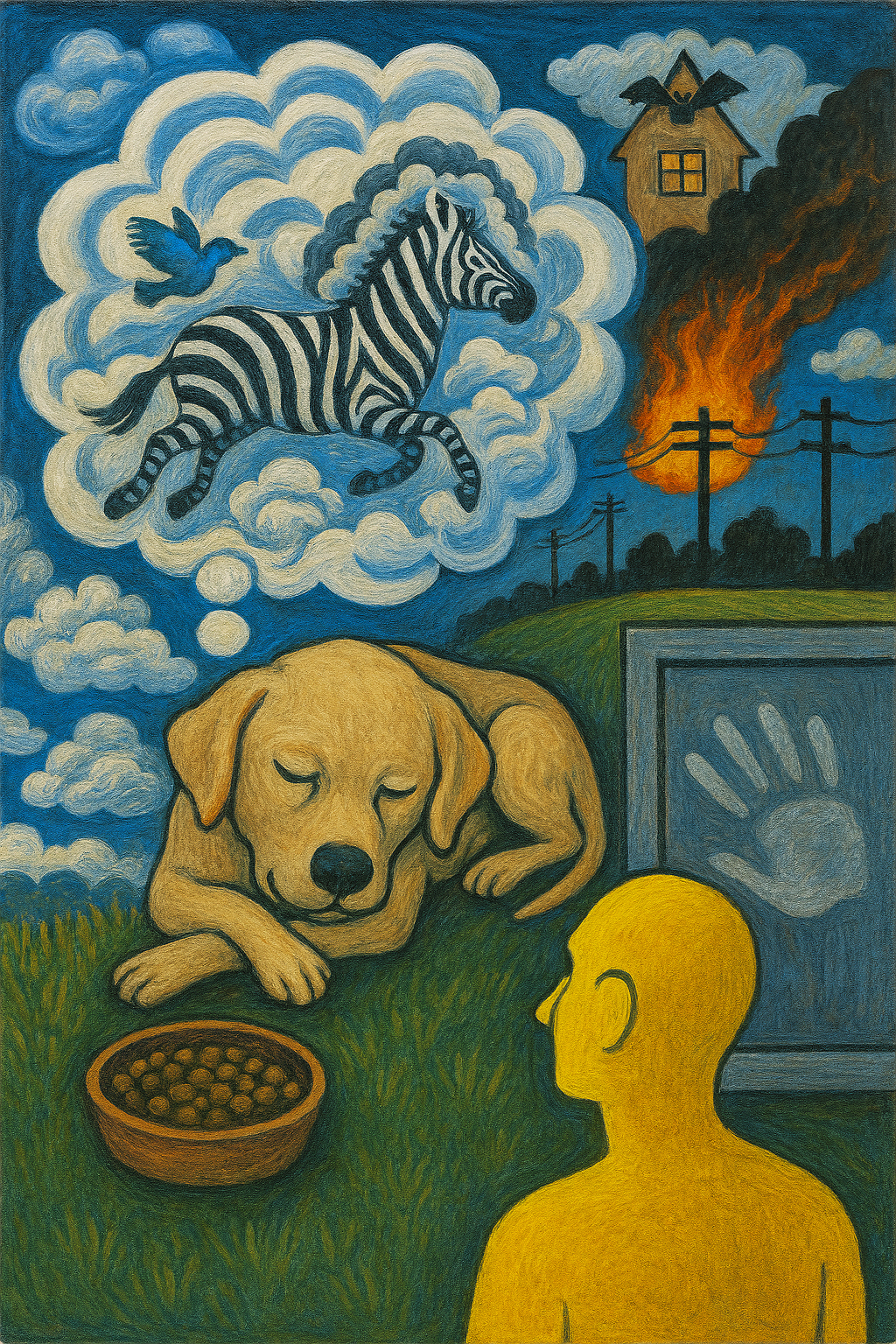
Dream Thinking
Cloud Thinking began as a meditation on my dog Cane’s dream logic, but quickly unraveled into a recursive elegy—one that ritualizes grief, football loss, and the surreal grammar of domestic life. The poem leans into speculative consequence: how a bowl of chicken concentrate, a twitching leg, or a cloud formation can become mythic gestures. I…
-

Sightlines
Sightlines” emerged from a moment of ritual clarity—when my aging eyes, no longer tasked with precision, began to see through blur into beauty. The poem honors the body’s quiet adaptations and the mind’s compensatory grace. It’s a minimalist elegy for vision, a philosophical gesture toward perception as ritual. I wanted to write something that doesn’t…
-
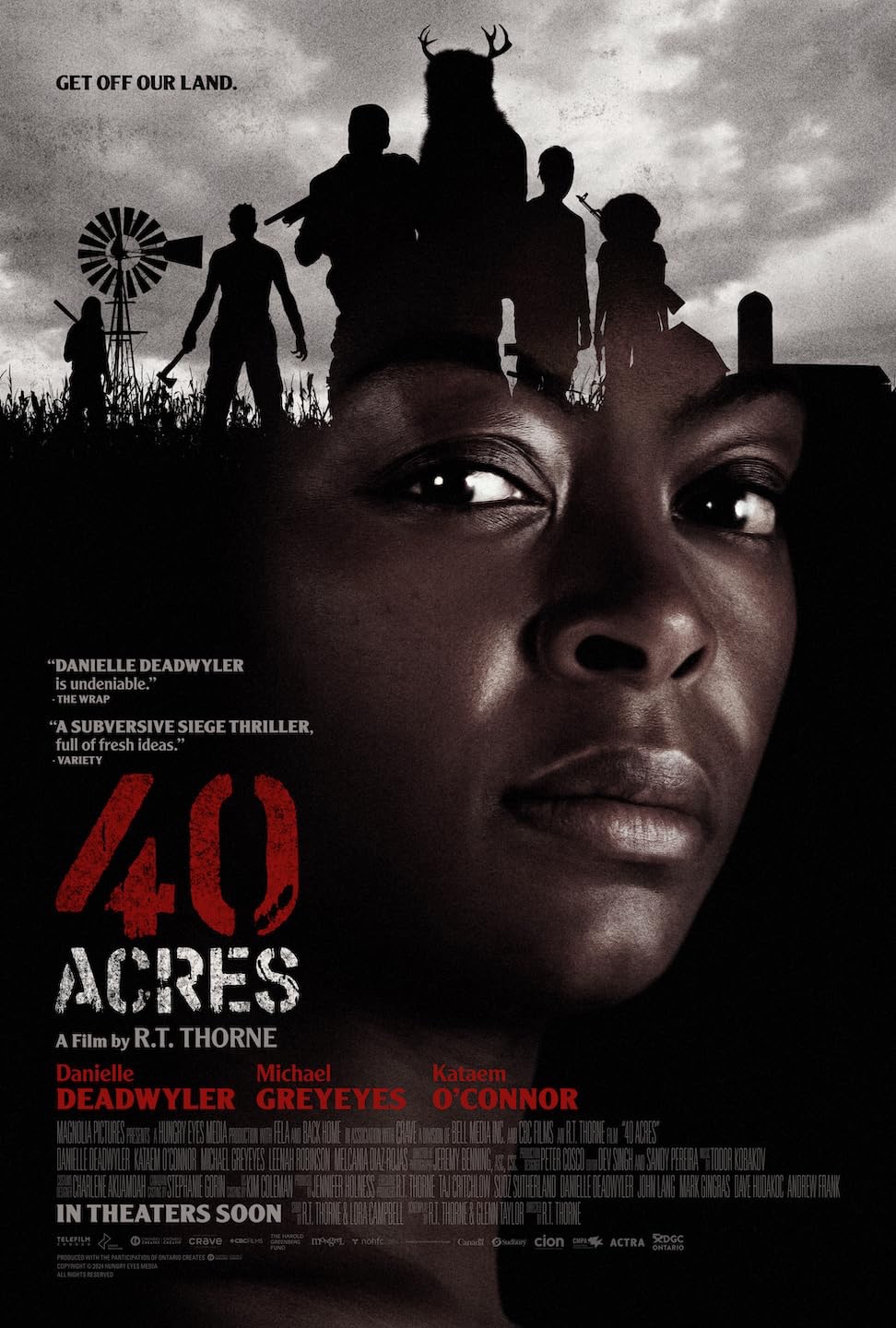
40 Acres: A fierce, fractured, and fertile post-apocalyptic vision
Danielle Deadwyler leads a brutal, lyrical post-apocalyptic thriller in “40 Acres,” where land, legacy, and violence collide. R.T. Thorne’s debut is uneven but powerful, exploring Black survival, generational tension, and the cost of defending what’s yours.
-
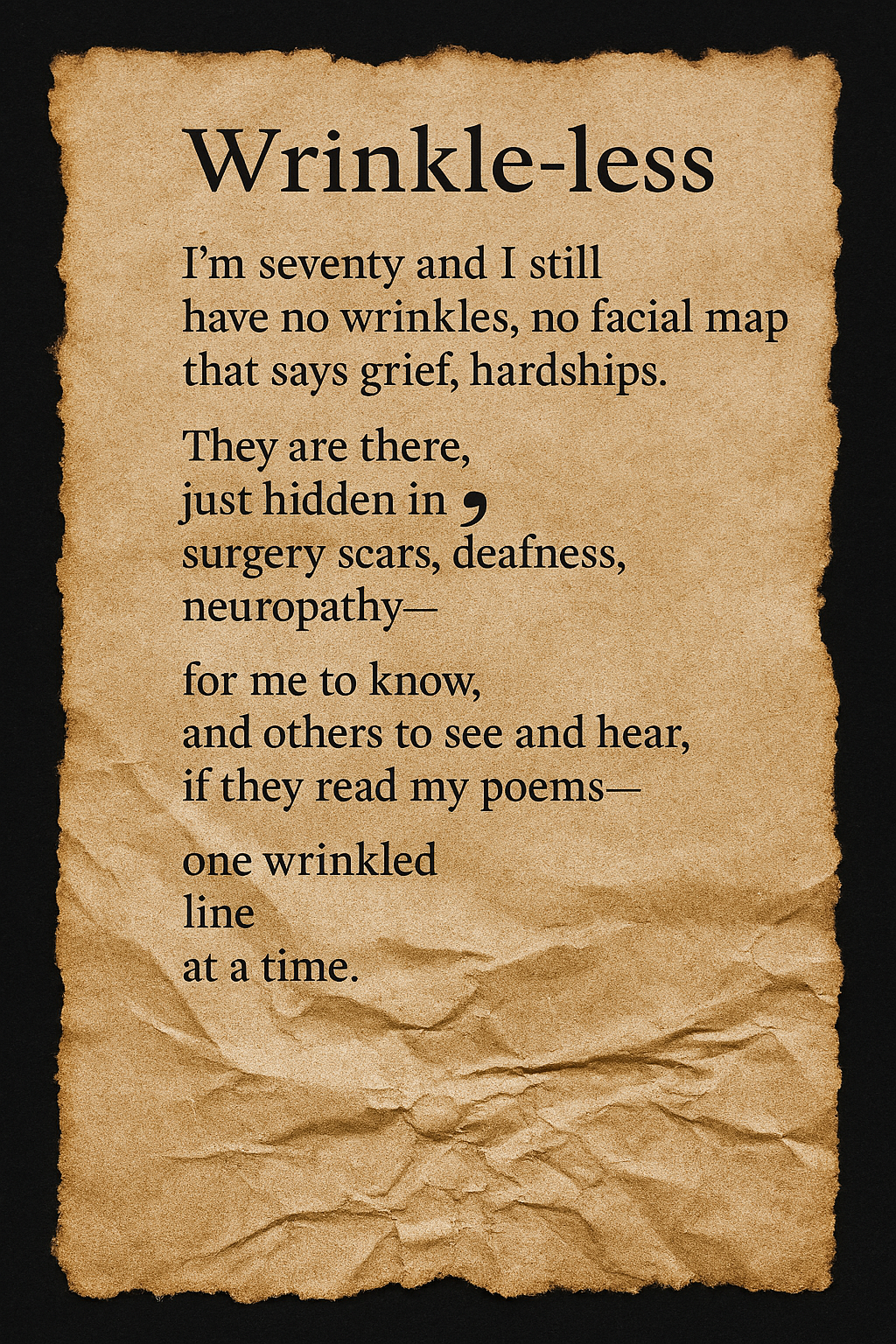
Wrinkle-less
Wrinkle-less emerged from a moment of reflection on how survival—through illness, loss, and aging—leaves marks that are not always visible. I wanted to resist the cultural shorthand that equates wrinkles with wisdom, virtue or experience, and instead offer a poem where absence becomes a site of consequence. The scars, deafness, and neuropathy I reference are…
-

The Patterns of Water
The Patterns of Water” emerged from a memory that felt both sacred and procedural—a maternal baptism not of faith, but of consequence. I wanted to honor the ritual of care without sentimentality, to trace the gesture of cleansing as a symbolic tether between vulnerability and becoming. The poem is built on repetition, foam, and the…
-

Bad Shabbos: A messy, funny, mournful entry in the Jewish Comedy of Mortification
A mixed-to-positive review of Daniel Robbins’ “Bad Shabbos,” a chaotic comedy of Jewish mortification starring Kyra Sedgwick. The film’s early death scene derails its tone but not its spirit, offering sharp performances and moments of punk joy amid ritual collapse.
-
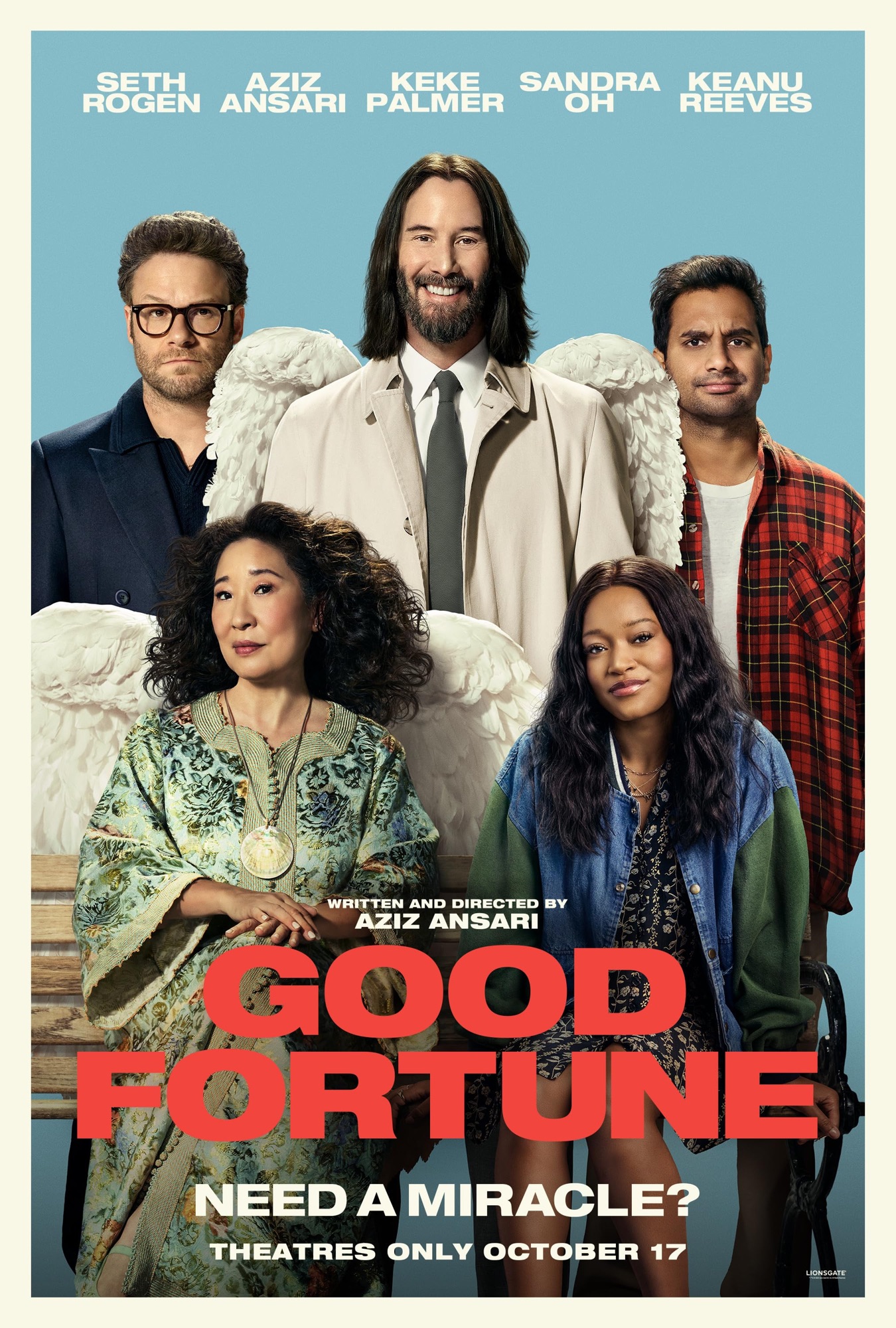
Good Fortune: Wings, Wallets, and the Weight of Want
Aziz Ansari’s “Good Fortune” is a mixed-to-positive riff on body swap comedies and angelic interventions, starring Keanu Reeves as a blank-eyed divine dropout. It critiques capitalism through gig work, explores the consequences of wish fulfillment, and reimagines “Wings of Desire” with tacos and tech bros.
-

Ghosting
“Ghosting” emerged from the quiet aftermath of survival—after cancer, after loss, after the rituals that remain. It’s a poem about haunting not as horror, but as intimacy: the idea that love, memory, and consequence linger in objects, gestures, and the dog’s bark. I wrote it as a speculative elegy, imagining my own absence as a…
-

Getting Lost on Christmas
Getting Lost on Christmas began as a memory of disorientation—driving home after a midnight service, fog thick, the road winding like a question. I wanted to ritualize that moment not as a metaphor for despair, but as a spiritual pause: a place where grace arrives quietly, without asking your name. The poem echoes the nativity…
-

Lurker: The Parasite Prayer
Alex Russell’s Lurker is a punk-tinged psychological thriller that explores the parasitic intimacy between fame and those who feed off it. With a chilling performance by Théodore Pellerin, the film captures the dread of being nobody in a world built on Somebody. Mixed-to-positive.
-

Opening Up
Opening Up emerged from a moment of absurd domestic frustration—an aging hand versus a childproof cap. What began as a minor inconvenience unraveled into a meditation on dependency, ritual, and the quiet humiliations of aging. The poem is both elegy and satire, honoring the intimacy of shared routines while resisting sentimentality. I wanted to capture…
-
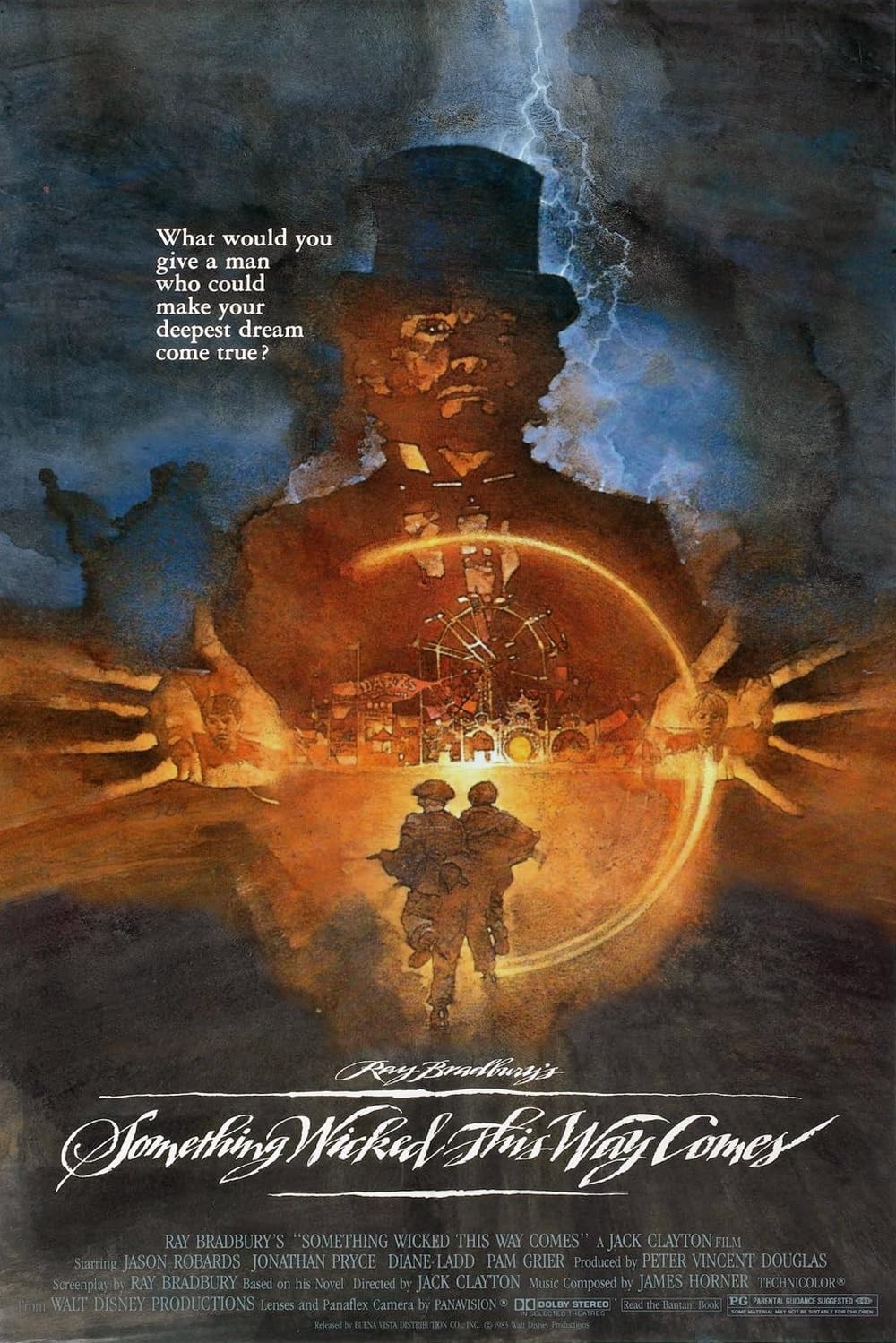
Classic Review: Something Wicked this Way Comes— The Autumn People Are Real
A lyrical, mixed-to-positive retrospective of Jack Clayton’s 1983 adaptation of Ray Bradbury’s Something Wicked This Way Comes, exploring its surreal horror, troubled production, and enduring emotional resonance.
-
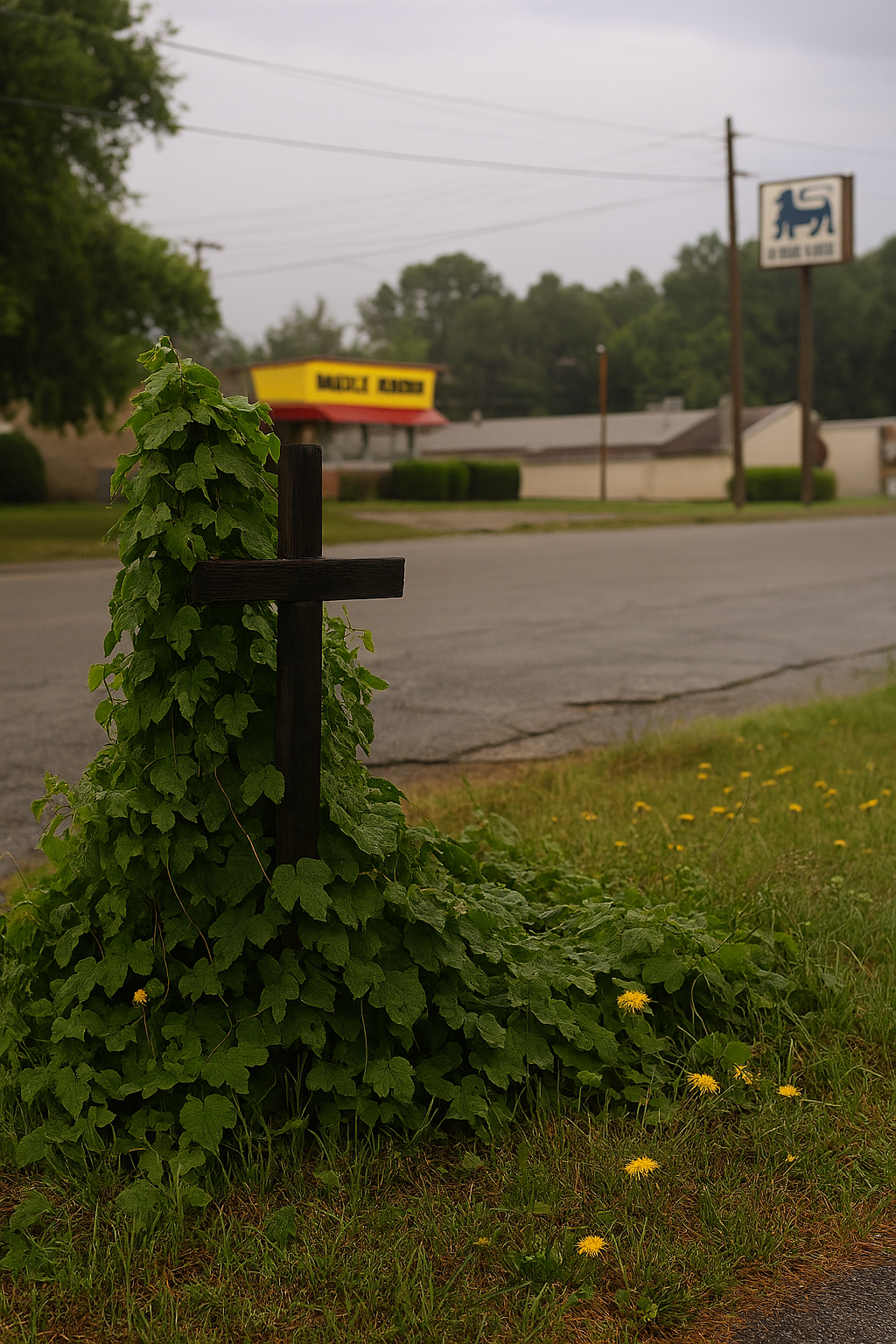
Roadside Cross
Roadside Cross began as a walk with my dog past a forgotten memorial near a Waffle House and Food Lion. What struck me wasn’t just the decay of the cross, but the quiet choreography of grief—how strangers, puddles, rap lyrics, and rain all participated in a ritual of exposure and forgetting. I wanted to write…
-

Trump’s Israel-Hamas Peace Deal: Ceasefire or Condo Scheme?
Trump’s 2025 Israel-Hamas peace deal, hailed as a diplomatic breakthrough, masks a deeper agenda: the erasure of Palestinian statehood and the speculative redevelopment of Gaza. Beneath the language of ceasefire and humanitarian aid lies a blueprint for displacement, settlement, and luxury real estate—possibly even the Trump Riviera. This satirical critique exposes the deal as a…
-

Blue Mercy
“Blue Mercy” began as a quiet observation—a fly, a door, a gesture. But beneath its domestic stillness, I found a philosophical hinge: mercy as both restraint and release. The poem is an allegory of consequence, where the blue swatter becomes a symbol of ethical tension—between intervention and surrender, between light and disappearance. My wife’s presence,…
-
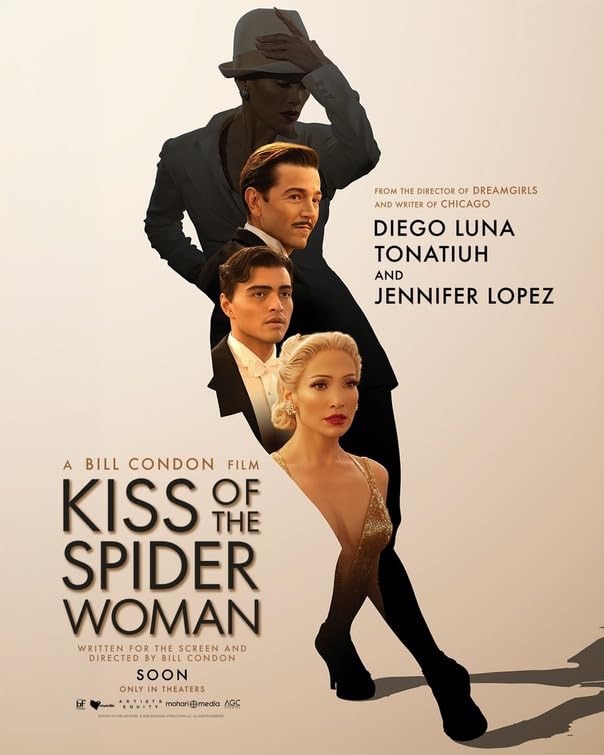
Kiss of the Spider Woman: The Idealization of Memory
: In Bill Condon’s remake of “Kiss of the Spider Woman,” musical spectacle collides with prison drama, all anchored by Tonatiuh’s radiant performance and Jennifer Lopez’s stylized glamour.
-
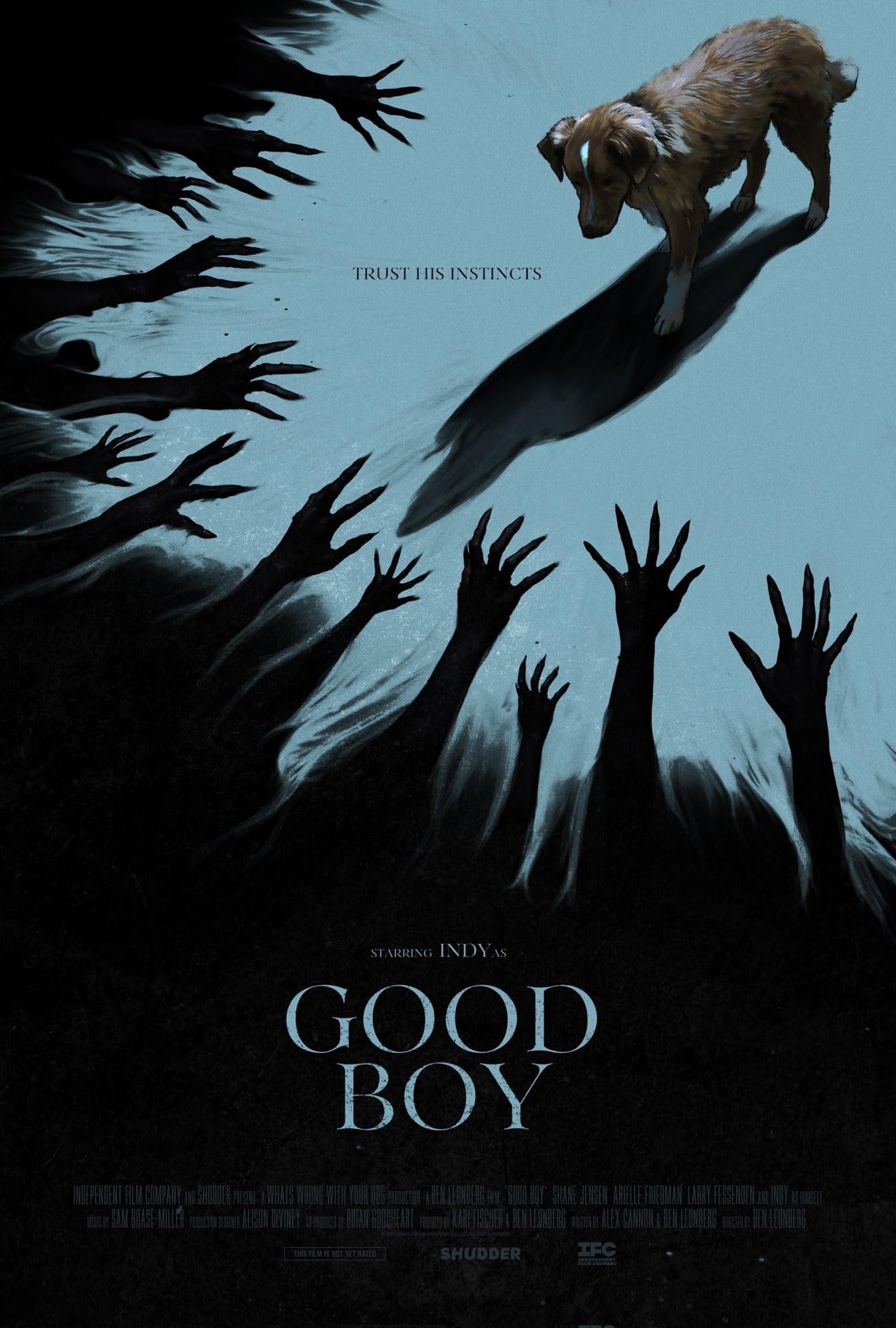
Good Boy: The Muck Beneath the Bandana
Good Boy movie review, Ben Leonberg, Indy the dog, dog horror film, Nova Scotia Duck Tolling Retriever, Shane Jensen, Arielle Friedman, Larry Fessenden, Stuart Rudin, haunted house horror, non-anthropomorphic dog film, poetic horror, emotional horror, dog loyalty in film, grief and horror, cinematic loneliness, horror movie with dog, Good Boy film analysis, Jonathan Moya review,…
-

The New DEI: Dummies, Expletives and Ideologues
In this blistering op-ed, Jonathan Moya redefines DEI under the Trump administration—not as Diversity, Equity, and Inclusion, but as Dummies, Expletives, and Ideologues. With biting satire and architectural clarity, Moya exposes the spectacle of incompetence masquerading as governance, where loyalty eclipses literacy and volume drowns out vision. From cabinet clowns to conspiracy theorists, this piece…
-

Roofman: The Gospel of the Gentle Idiot
Derek Cianfrance’s Roofman gives Channing Tatum his most soulful role in years, blending true crime, comedy, and melancholy into a tender portrait of a lonely man trying to be good. It’s a mixed-to-positive miracle.
-

Tron: Ares—The Permanence Code and the Loneliness of Light
Tron: Ares reboots the franchise with a cyberpunk meditation on impermanence, AI ambition, and biotech hubris. Jared Leto’s performance as a digital being questioning his programming anchors a mixed but compelling critique of humanity’s desire to engineer its own salvation.
-

Under the Sacred Fig
“Under the Sacred Fig” began as a meditation on lineage, migration, and the quiet rituals that shape identity. Inspired by Nguyễn Phan Quế Mai’s Under the Bodhi Tree, I sought to transplant the emotional architecture of ancestral shade into Puerto Rican soil. The fig tree became a hinge—between generations, languages, and departures. This poem honors…
-
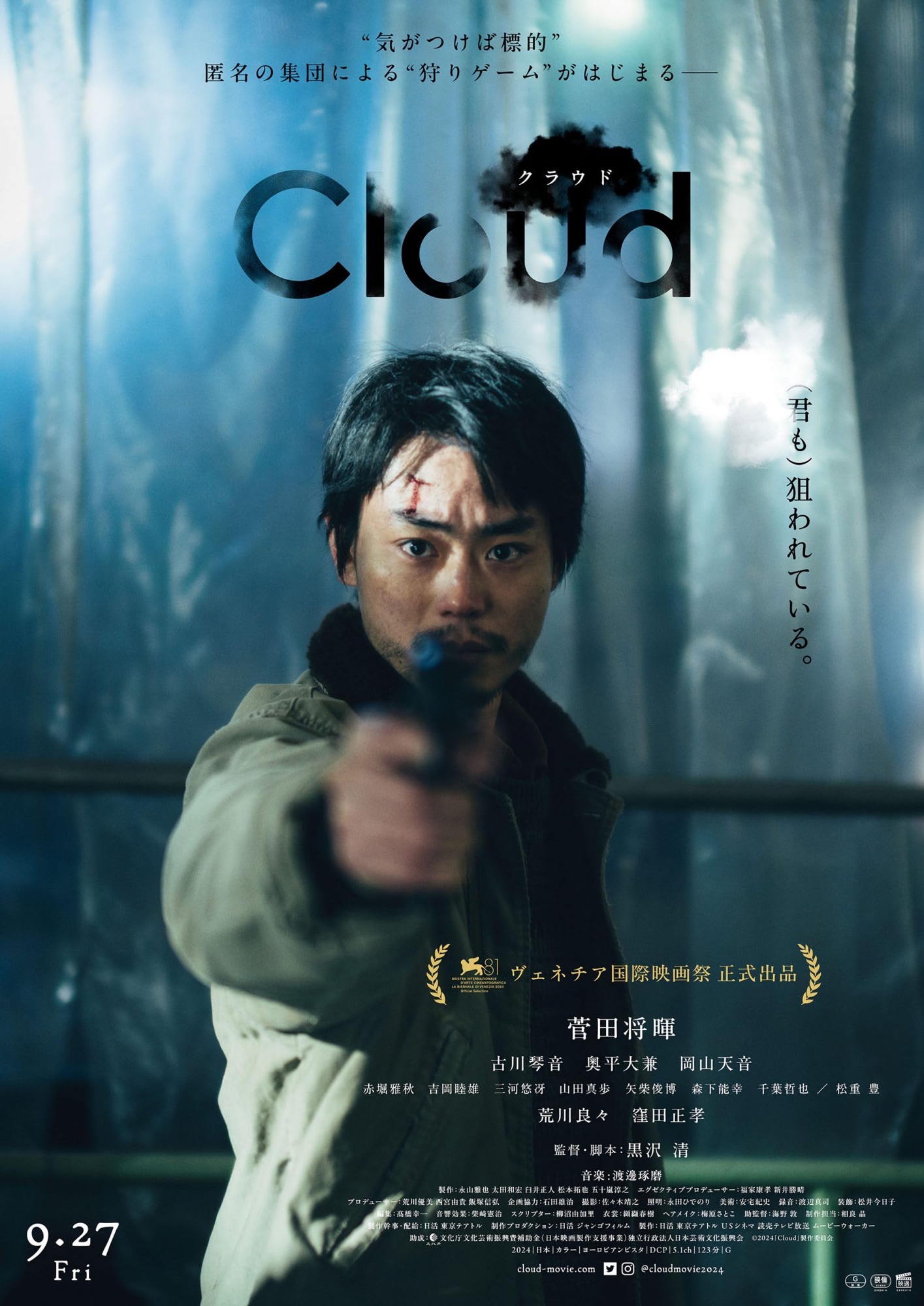
Cloud: Cloud Commerce and the Cruel Geometry of Desire
Kiyoshi Kurosawa’s Cloud, starring Masaki Suda, is a haunting critique of capitalism and digital commerce. Through restrained performances and procedural violence, it explores loneliness, betrayal, and the architecture of modern cruelty. Mixed to positive review.
-

Getting the Algorithm
Getting the Algorithm emerged from a period of recursive grief and speculative clarity. I wanted to write a poem that refused sentimentality while still honoring the emotional residue of illness, authorship, and identity. The mathematical symbols are not metaphors—they are hinges. Each glyph carries consequence: ∫ as funeral, ∅ as death, ≠¬ as refusal. The…
-

In My Dreams
In My Dreams began with a letter—brief, bureaucratic, final. It marked the end of a five-year term of benefit payments from my ex-wife’s pension. That document, so stark in its language, carried more than financial closure. It was the formal end of any secular connection between us. I felt a wave of gratitude for her…
-

Steve: The Day the School Died
Cillian Murphy delivers a raw, rattled performance in Steve, a classroom drama that doubles as a portrait of collapse. Tim Mielants directs with urgency, exposing the emotional and institutional violence of special needs education. Mixed to positive review.
-
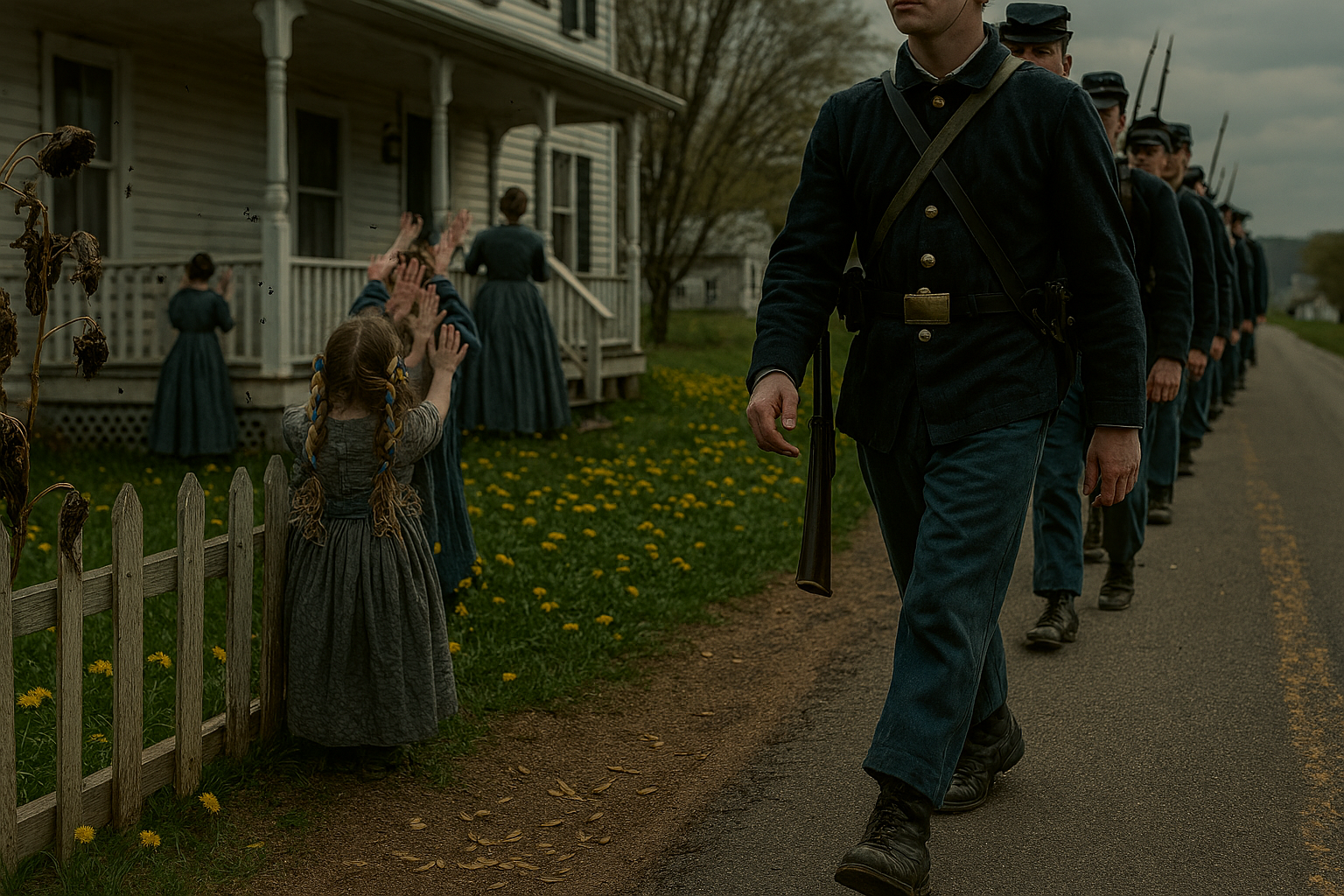
When the Boys Go Marching Away
When the Boys Go Marching Away began as a meditation on the quiet rituals of departure—how war, faith, and memory braid themselves into the domestic fabric. I wanted to write a poem that resists heroism and sentimentality, that instead lingers in the aftermath: the porches, the ribbons, the daughters named Hope.
-

Bone Lake: The Water Remembers What the Flesh Forgets
A mixed-to-positive review of Bone Lake, Mercedes Bryce Morgan’s mournful erotic thriller starring Maddie Hasson. The film explores the collapse of intimacy with gothic restraint, offering more ache than heat.
-

Anemone: The Flower that Opens in Grief
Daniel Day-Lewis returns in Anemone, a mournful drama about parental violence and emotional exile. Directed by his son Ronan Day-Lewis, the film is visually haunting and narratively uneven. A mixed-to-positive review explores its painterly tone, fractured family dynamics, and the quiet presence of the anemone flower.
-

The Lost Bus: The Road that Burned Behind Them
A mixed-to-positive review of Paul Greengrass’s The Lost Bus, starring Matthew McConaughey, exploring its strengths as a docudrama and its lyrical portrayal of survival, while lamenting its reluctance to confront the broader civic and corporate failures behind the Camp Fire tragedy.
-

The Smashing Machine: The Ring Is Not a Home
A mixed-to-positive review of Benny Safdie’s The Smashing Machine, starring Dwayne Johnson as MMA fighter Mark Kerr. The film avoids fight-movie clichés, focusing on emotional aftermath, toxic relationships, and the loneliness of a man trying to keep violence confined to the ring.
-

Aural Shelf
Aural Shelf emerged from my evolving relationship with reading as both ritual and mutation. As my eyesight weakened, I began experiencing books through audio, digital, and tactile formats simultaneously. This poem is a speculative elegy for the decay of traditional literary forms—and a celebration of their metamorphosis into hybrid experiences. It’s also a personal archive:…
-

Manual for grieving a house blowing away…
Manual for Grieving a House Blowing Away…” emerged from a moment of quiet devastation—watching my home unravel not in fire or flood, but in the slow erosion of memory and ritual. I wrote it as a guide for what cannot be saved, and what must. The poem resists sentimentality and instead offers a liturgy of…
Got any book recommendations?