Tag: Jonathan Moya
-

Daughter-Father Chase Scene
I wrote Father‑Daughter Chase Scene to measure the emotional distance between love and refusal — how care becomes mechanical when expressed through objects. The poem balances warmth and coldness, counting the space between a daughter’s plea and a father’s silence.
-

Paper Sun
Paper Sun began as an experiment in object logic—how a poem can behave like the thing it describes. I wanted to show poetic creation as a physical process: absorption, distortion, and wringing into form.
-
Ghosted
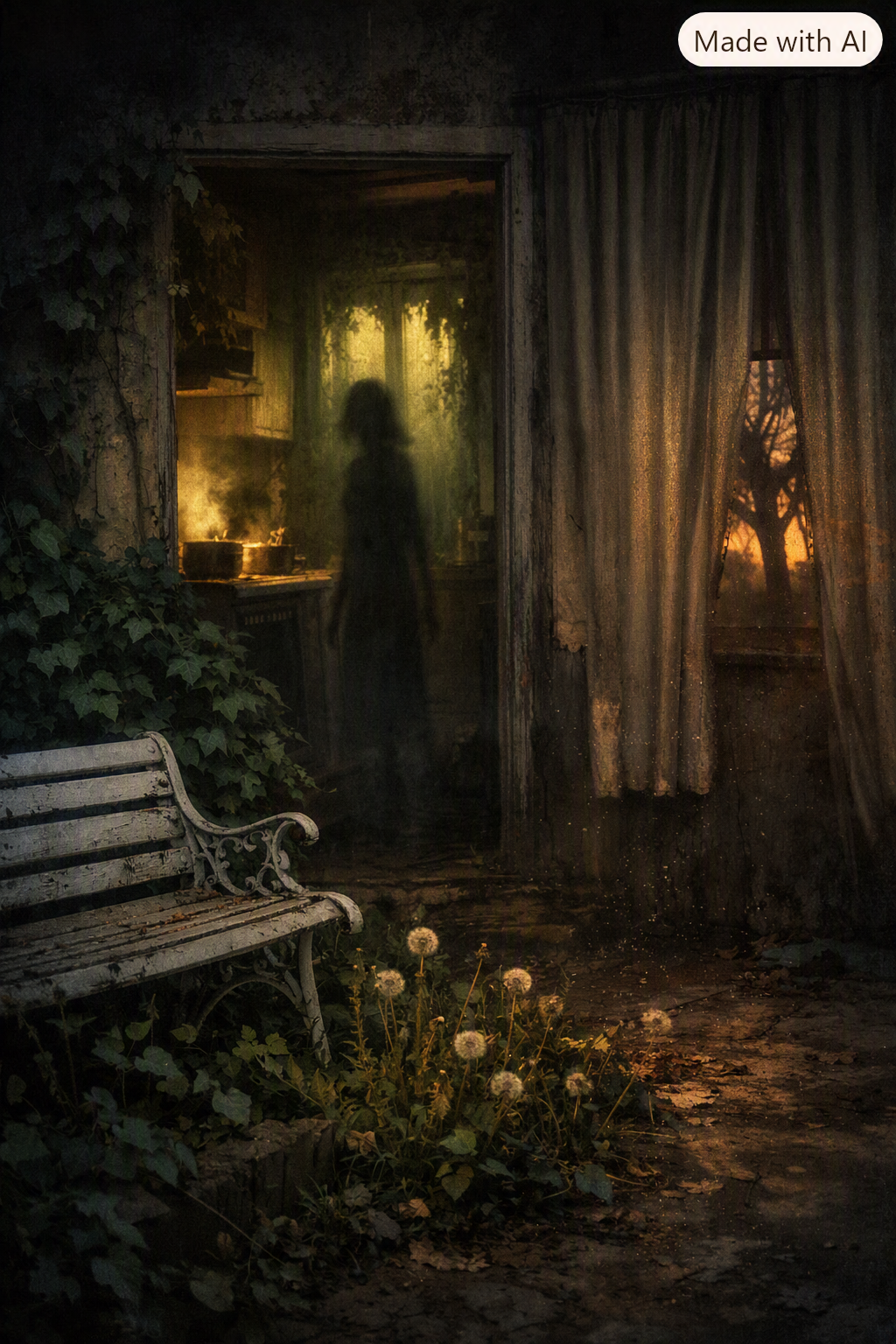
This poem began as an attempt to track how a presence moves through a house without naming the presence or the emotion behind it. Its theme is refusal—what the body won’t do, what the haunting won’t accept, and how those refusals shape the space between them.
-
The Honey Alone
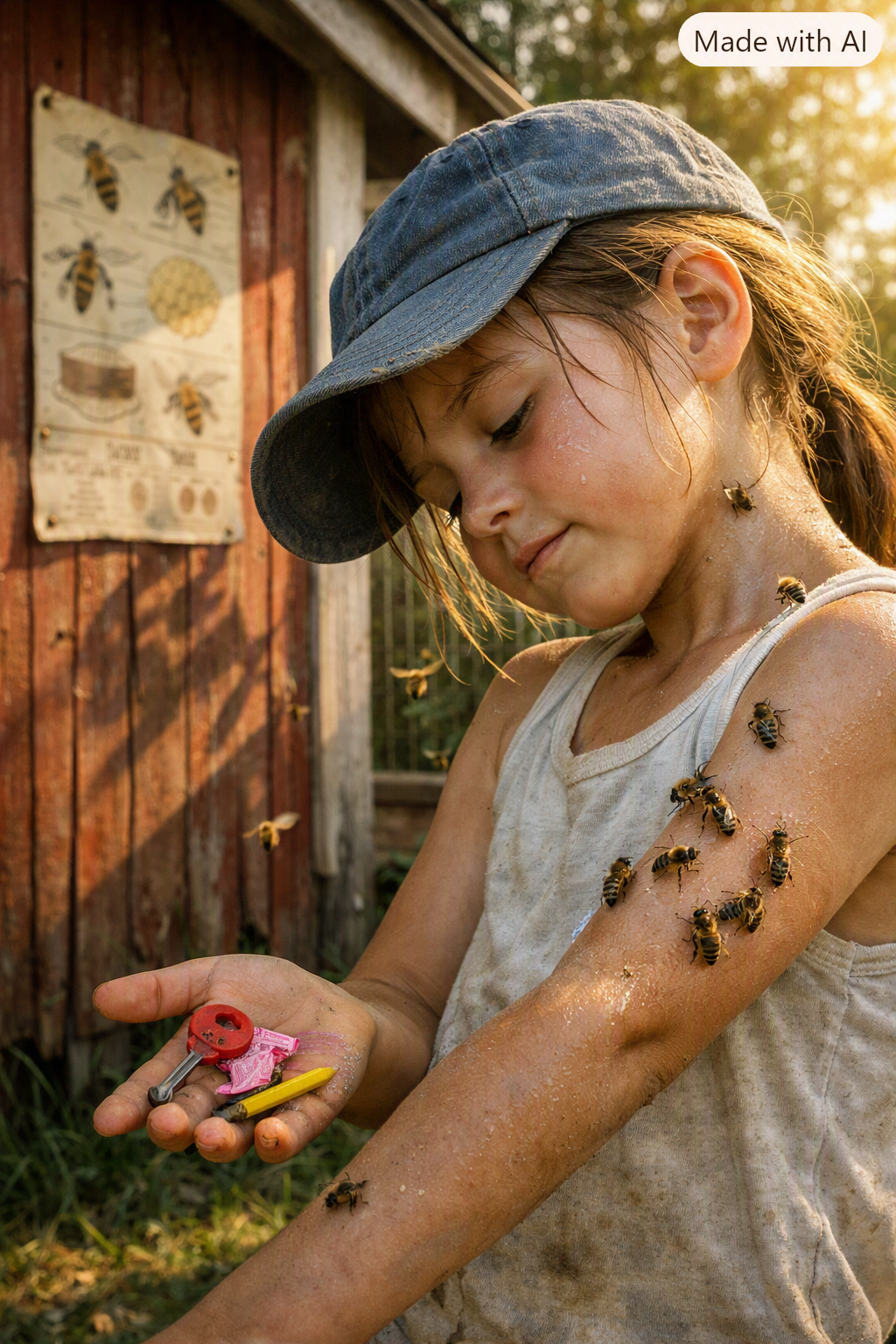
I wrote The Honey Alone after watching bees swarm near a shed in late summer; the scene became a study in pressure and inheritance. The poem examines how sweetness and labor coexist in the same body without sentiment or explanation.
-

Why They Closed the Pool
I wrote Why They Closed the Pool after watching a drained municipal pool in late summer, its surfaces still carrying the memory of pressure. The poem studies how objects record disappearance—how heat, torque, and suction become the only witnesses left.
-
On Longing
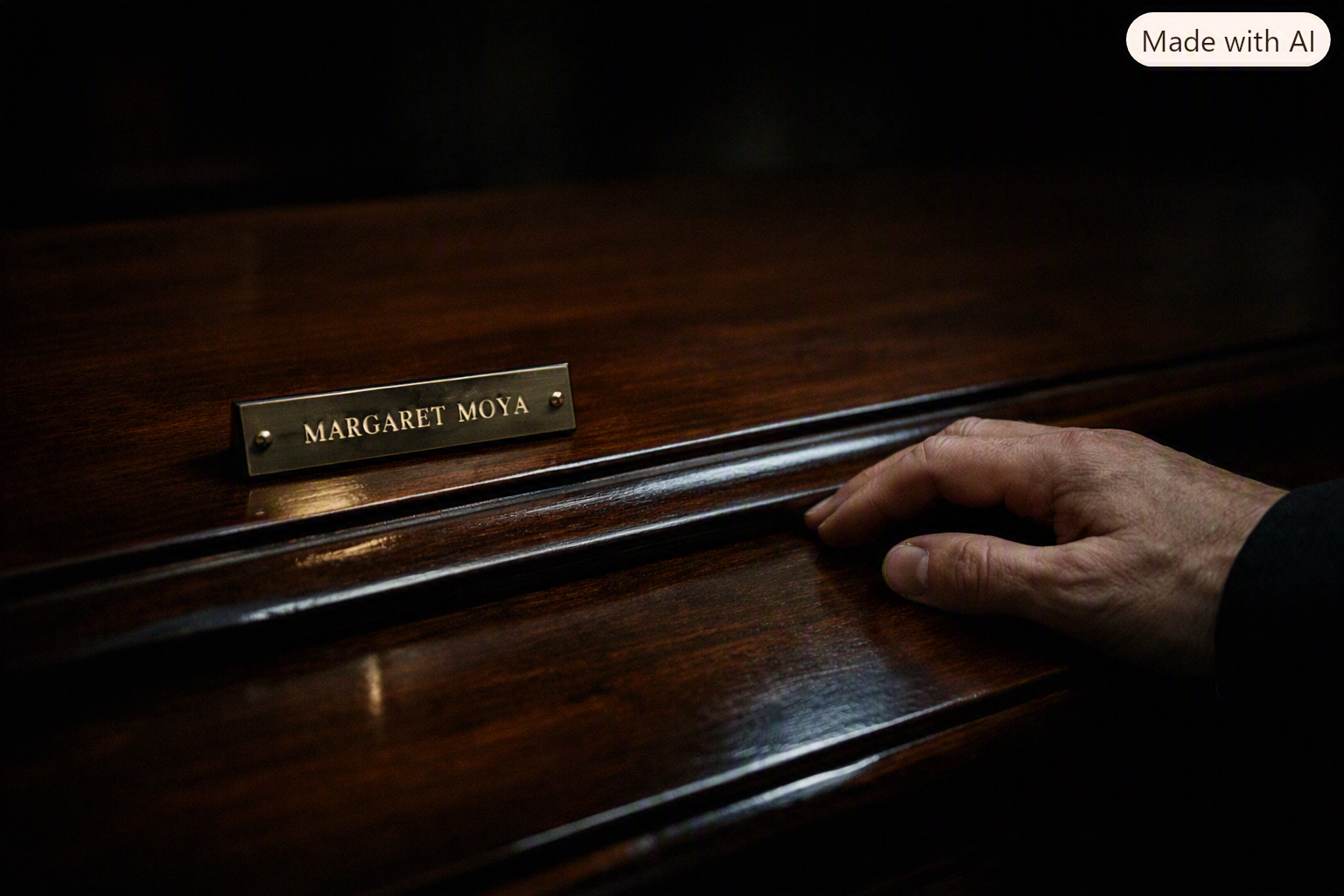
I wrote On Longing after placing my hand near the wood that held my mother’s name. The poem examines how material boundaries fail to contain loss, and how darkness presses identity into one shape that cannot be separated.
-

Settling
I wrote Settling from the memory of watching mothers place their newborns into cribs for the first time—the motion was exact, almost ritual. The poem examines how objects record tenderness through weight and release rather than emotion.
-

Substitute Victory
I wrote Substitute Victory after watching my dog derail the first football game of the season — a comic domestic moment that mirrored the futility of fandom. The poem turns that chaos into a light meditation on misplaced loyalty and the absurdity of hope.
-

Reverse Erasure
Reverse Erasure began as a mirror to my earlier poem Erasure. I wanted to see what happens when destruction runs backward — when the horror of disappearance becomes a slow reclamation of form. The poem’s reverse sequence borrows from Gaspar Noé’s Irreversible, but replaces cinematic violence with the mechanical violence of graphite, paper, and dust.…
-

Evening Shades
I wrote Evening Shades after reading H.D.’s Evening and wanting to translate its floral disappearance into a diagnostic one. The poem examines how light and shadow behave inside the body—how visibility itself becomes a kind of haunting.
-

England 5, France 3. The 7/18/26. Miami
I wrote England 5, France 7/18/26 after watching the match and noticing how gestures—handshakes, hugs, stiff smiles—carry the residue of conflict and detente more precisely than words. The poem studies how surfaces record both trauma and victory without naming emotion.
-

Large Language Questions
I wrote Large Language Questions while testing how grammar itself can fracture under pressure. Each question turns syntax into a physical object—hinge, blade, lock—so that language becomes a machine grinding against desire.
-
The Dress
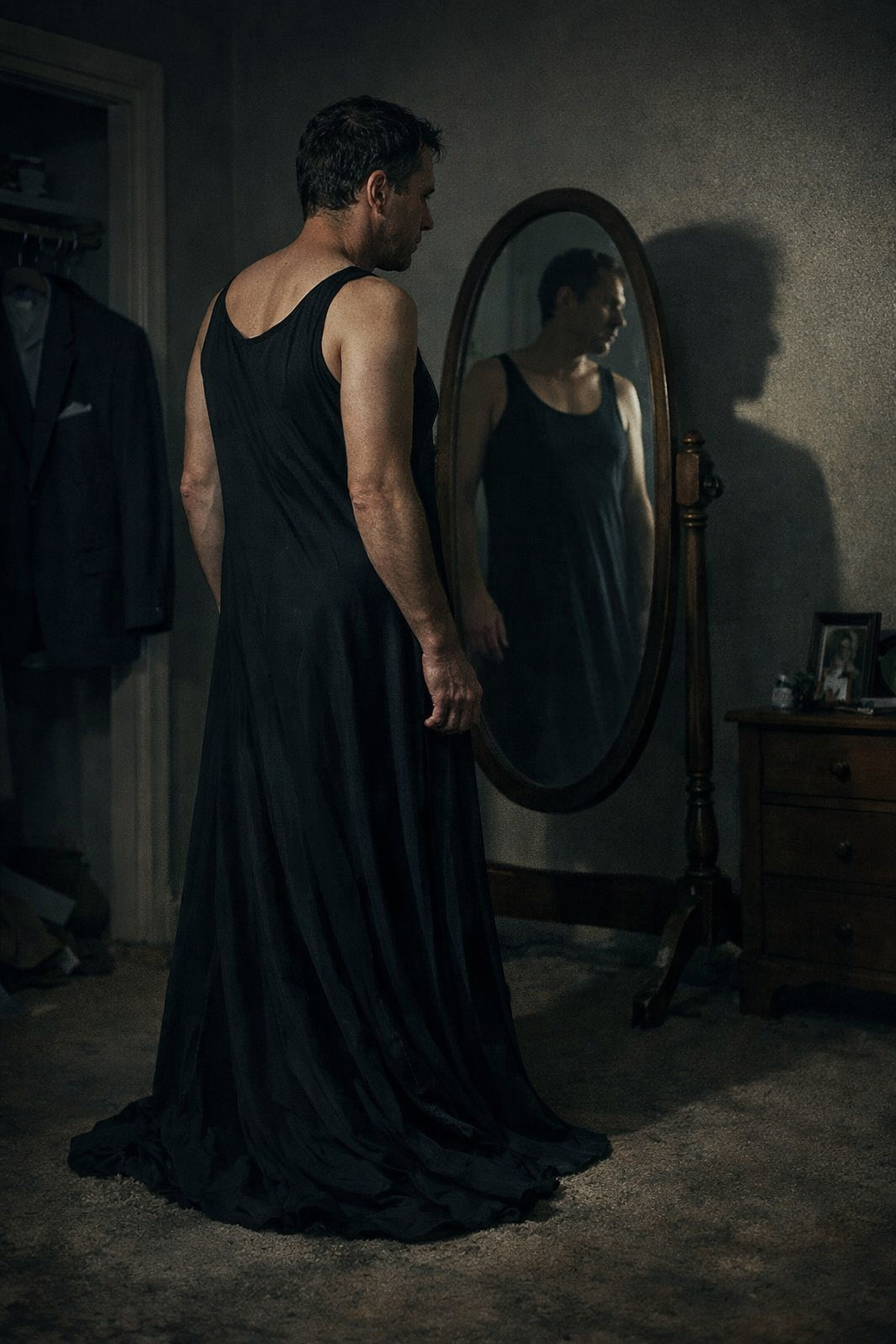
This poem began with the image of a man holding a dress in a dim room, an object behaving as both memory and disguise. Its theme is how clothing can momentarily alter the body’s outline and expose what grief refuses to say.
-

Ferry
I wrote Ferry after watching a river crossing where sound and weight seemed to trade places. The poem explores how movement and release—mechanical, not emotional—can become a form of grace.
-
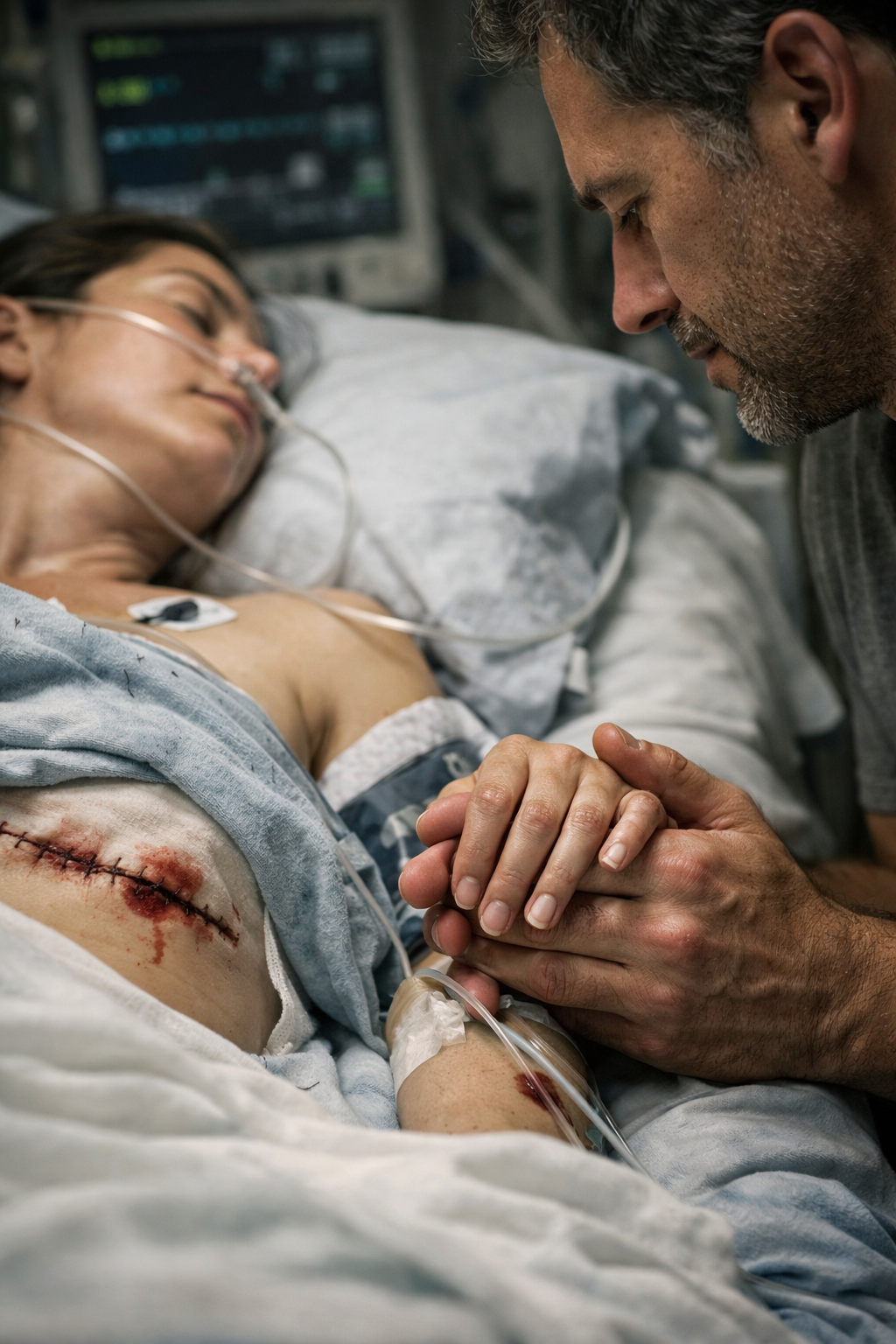
Love Is
I wrote Love Is after my cancer surgery, when my wife sat beside me and held my hand as I woke. The poem is about how love survives the body’s breaking — not through comfort, but through the persistence of touch after pain.
-

Peace Wheel
I wrote Peace Wheel after watching monks construct a sand mandala outdoors, where the wind kept undoing their precision. The poem explores the friction between breath and wind—human control against the inevitability of dispersal.
-

Smitten
This poem began as an attempt to strip the forge down to its procedural essentials — heat, pressure, marking — and let the body register the transformation without emotional naming. I’m interested in how objects enact change, how the smallest indentation becomes a record of force.
-
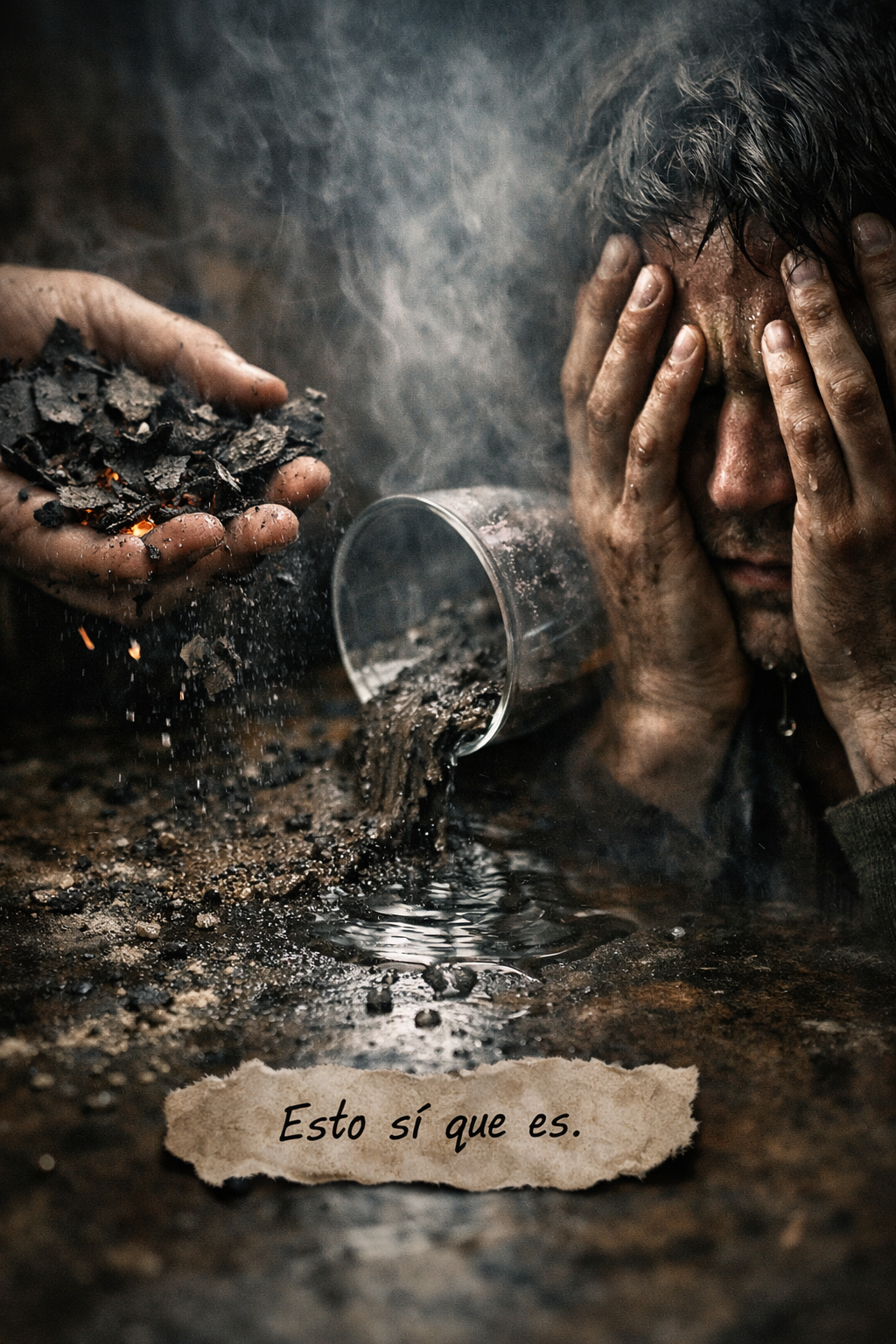
The Thing Is
wrote The Thing Is after watching ash fall from a burned letter and realizing how grief behaves like sediment — heavy, particulate, and impossible to swallow. The poem explores how matter carries emotion when language refuses to.
-

Buying Sumo Oranges at Pike Place Market, Seattle
I wrote Buying Sumo Oranges at Pike Place Market, Seattle after watching the market’s light flatten fruit into objects of weight and memory. The poem examines how consumption and absence coexist—how touch and taste replace speech when grief becomes physical.
-

After the Fire
After the Fire began as a study in aftermath—how heat lingers after gesture fails. It’s about the refusal to touch, and the way physical residue becomes the only language left between two people.
-

Free Fall
This poem began with the objects—door, hinge, roof, bucket—each one failing in its own small way. I wrote it to expose how the body carries damage the same way a house does: quietly, structurally, without asking for sympathy.
-

The Lantern’s Vigil
This poem began as a study of ritual and light—how grief moves through objects without naming itself. I wanted the river to do the speaking, to let the lanterns fail quietly and completely.
-
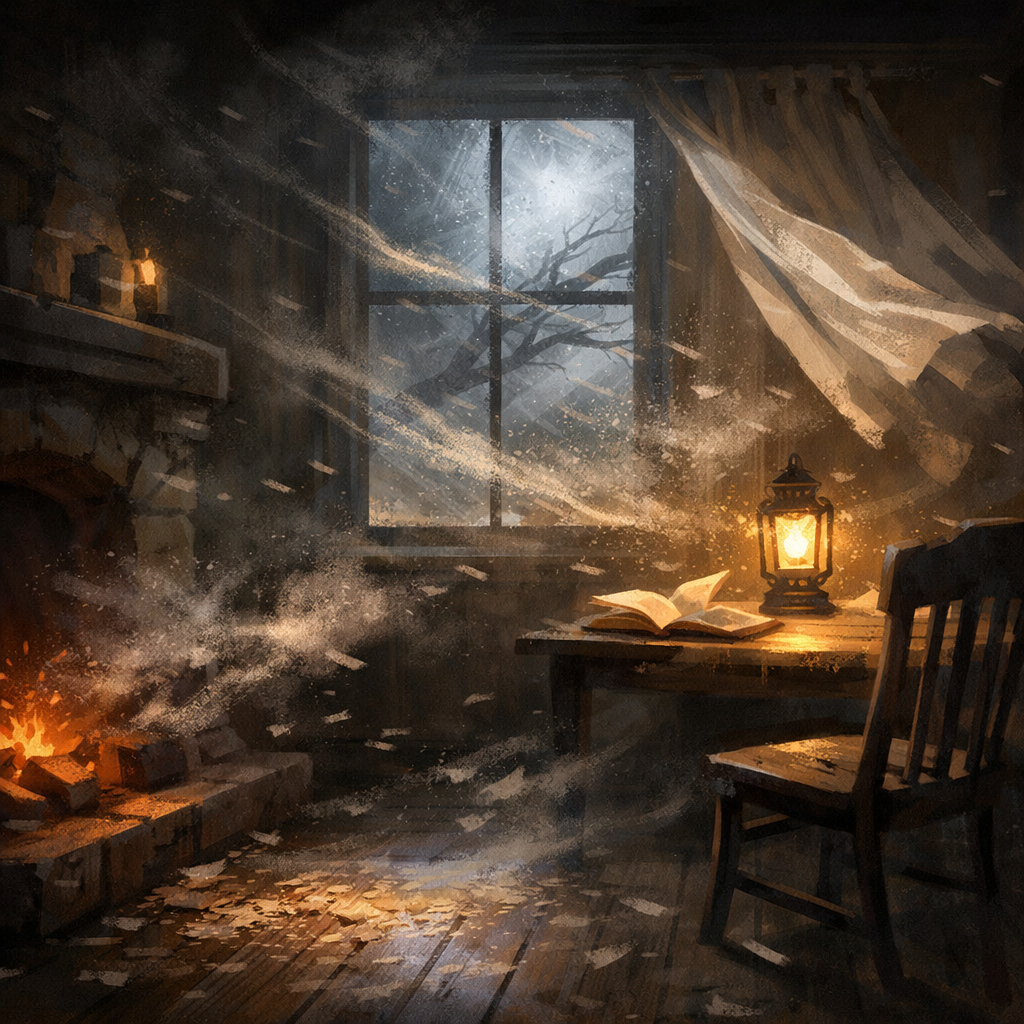
Wind
This poem began with the sensation of wind as a physical agent—something that rearranges a room without permission. I wanted to write into that pressure, letting objects register the disturbance while the human world remained unconscious.
-
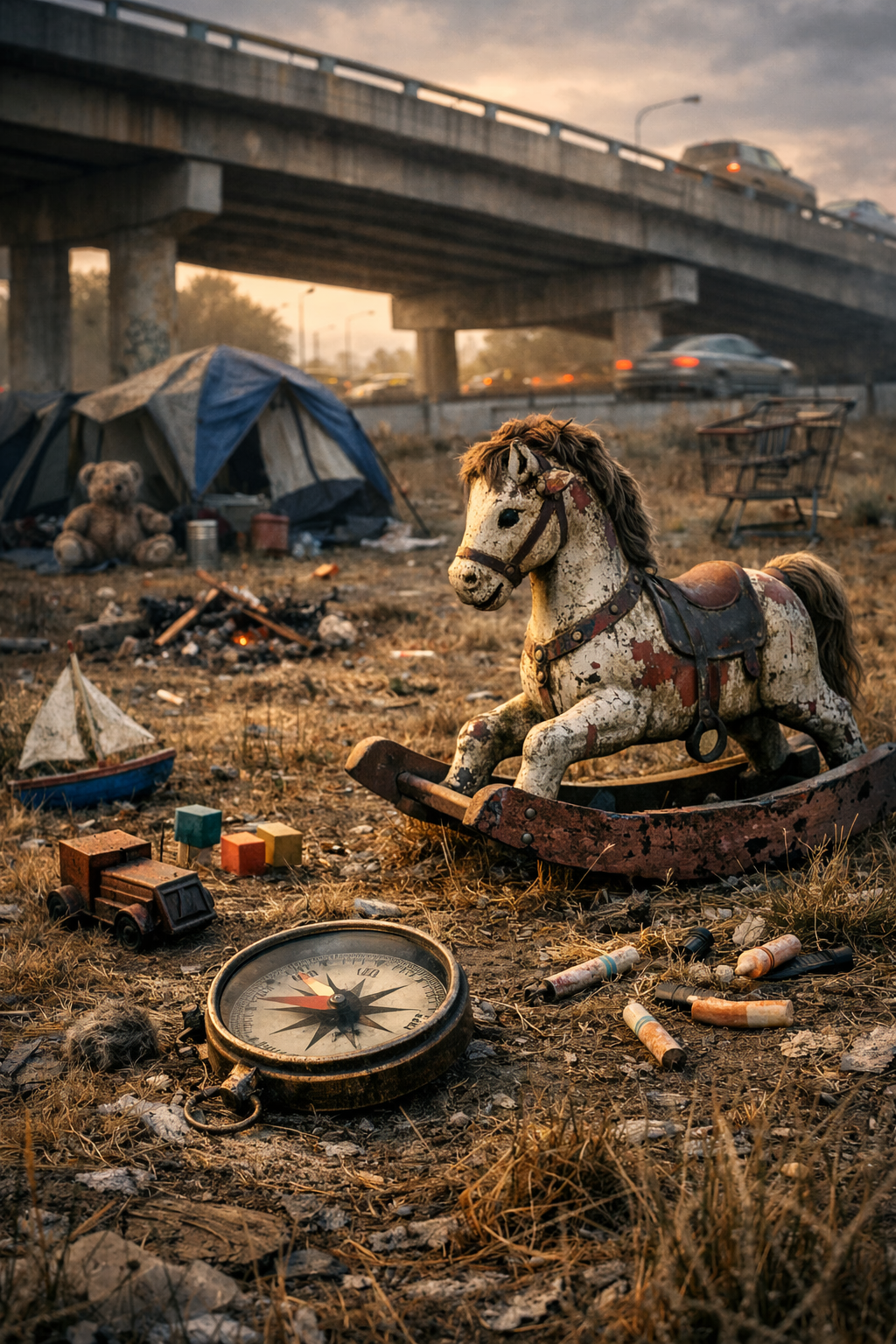
A Child’s Toys
I wrote A Child’s Toys after passing an encampment beneath an overpass where discarded playthings mirrored the fragility of shelter. The poem traces how innocence collapses into survival, how the compass of childhood still spins in ruin.
-
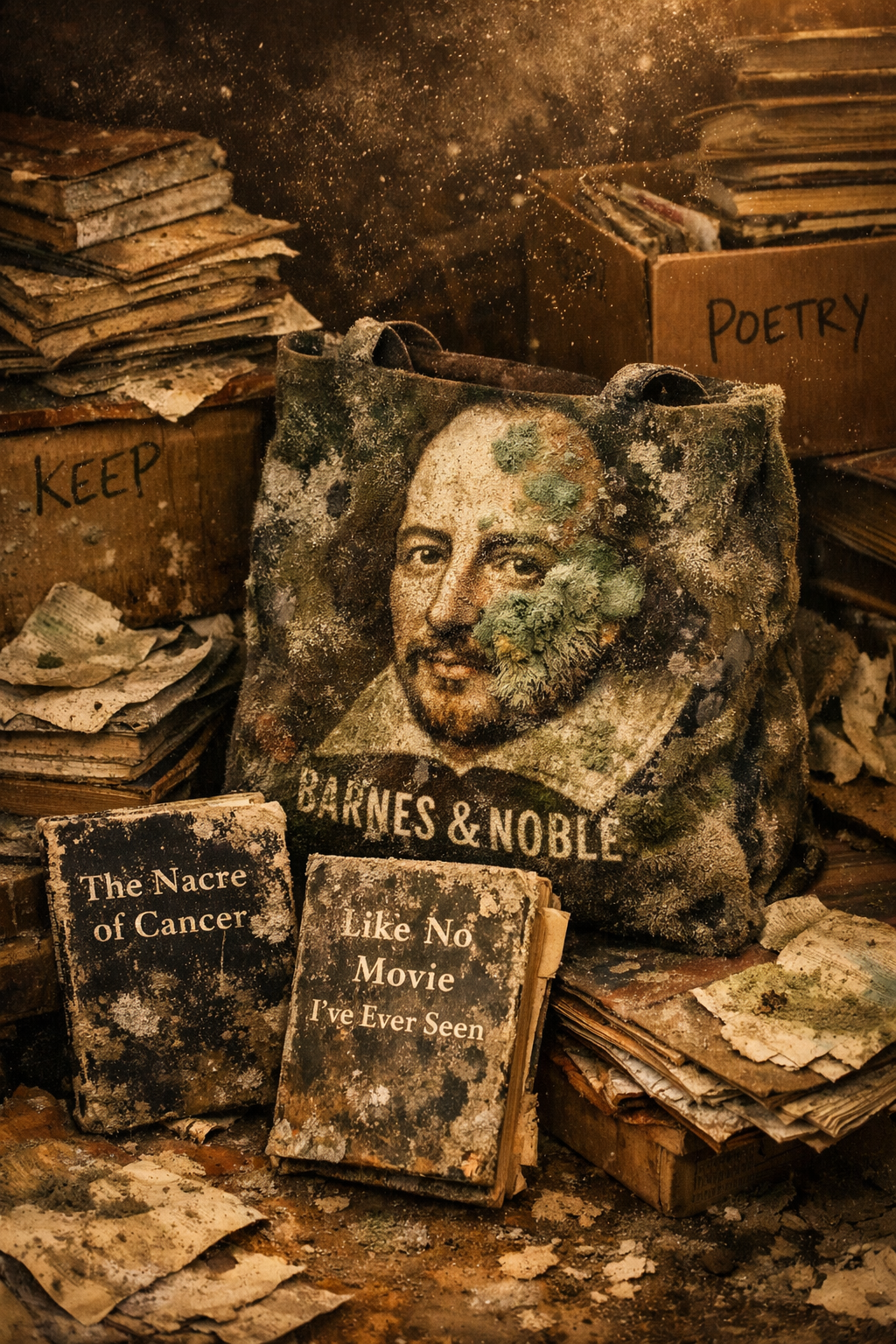
Ars Poetica
I wrote Ars Poetica while sorting through my own books, watching mold consume the faces of poets I admired. The poem confronts the rot of memory and authorship—how even our self-published titles soften under time’s pressure, yet remain proof of persistence.
-
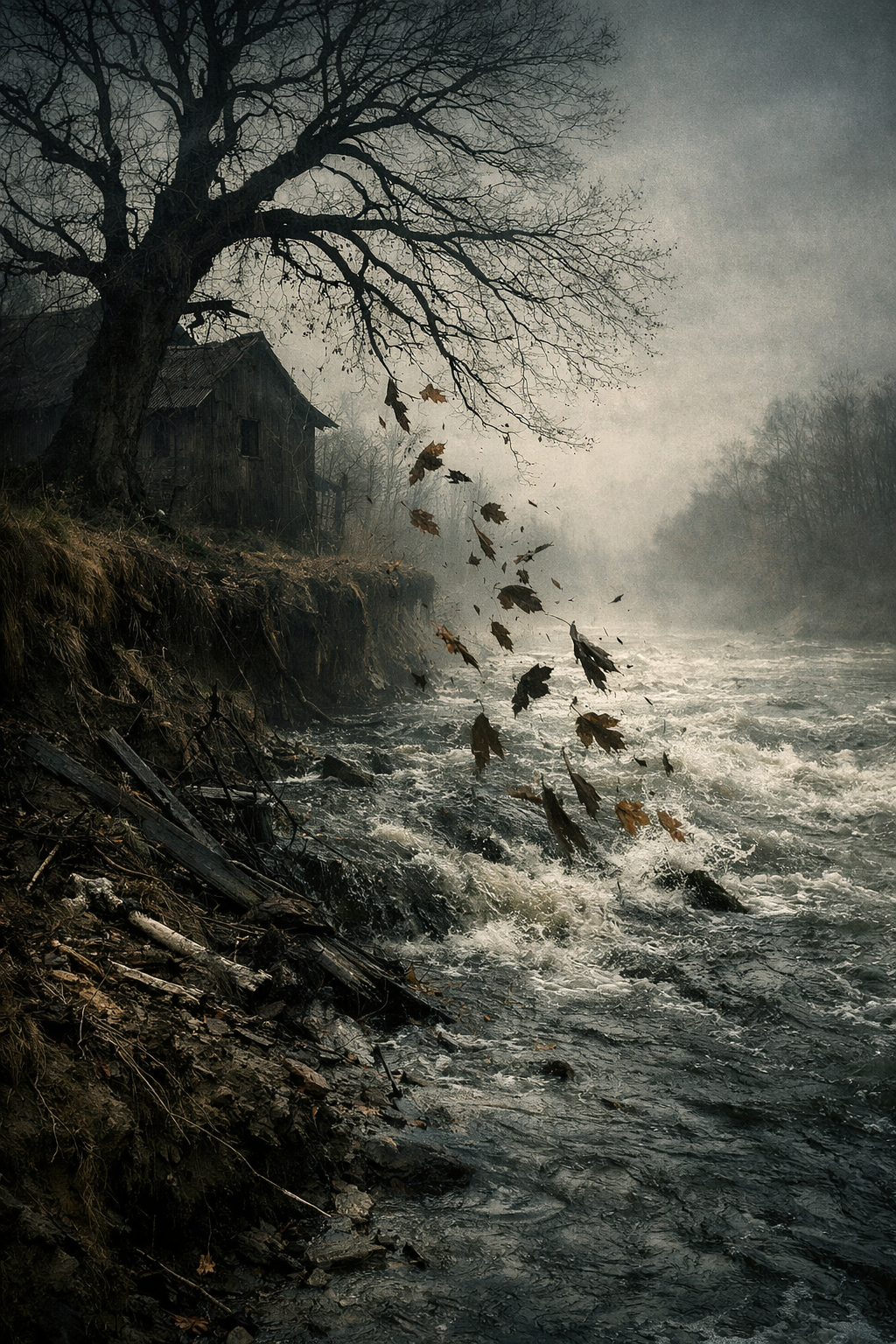
Family Tree
Family Tree began as an image of a house without windows and a river carrying away its debris. The poem explores how time erodes lineage—the way humanity sloughs into the river’s swell and becomes part of its current.
-
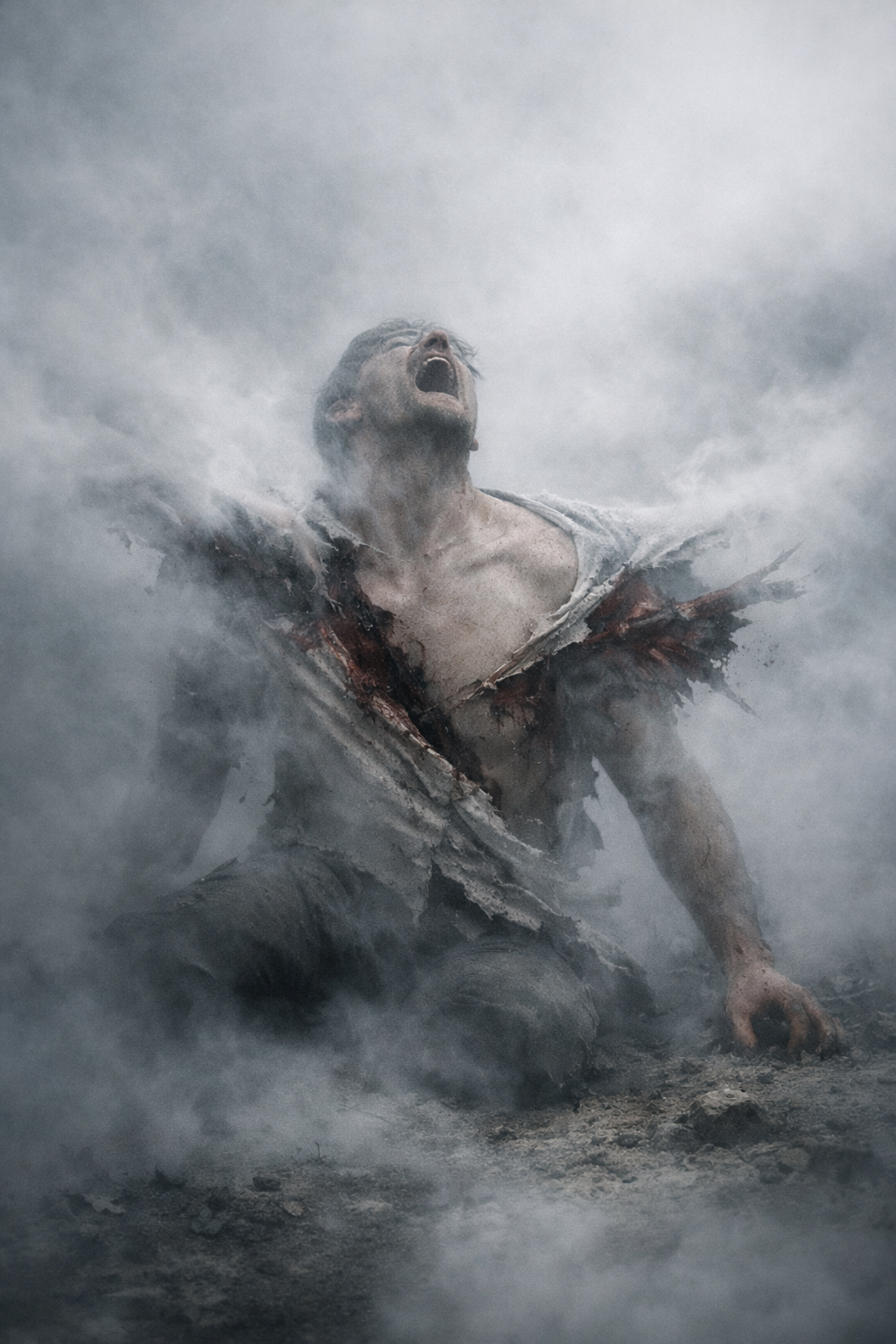
Expulsion
I wrote Expulsion after realizing how exile can happen inside the body itself—how being torn from one’s own ground feels both violent and necessary. The poem’s theme is rupture as transformation: the moment when pain becomes the only proof of change.
-

The Purple Glass
The Purple Glass” began with an object my mother once handed me—useless, she said, but beautiful. The poem traces how that uselessness became memory’s last vessel, holding what language can’t restore.
-
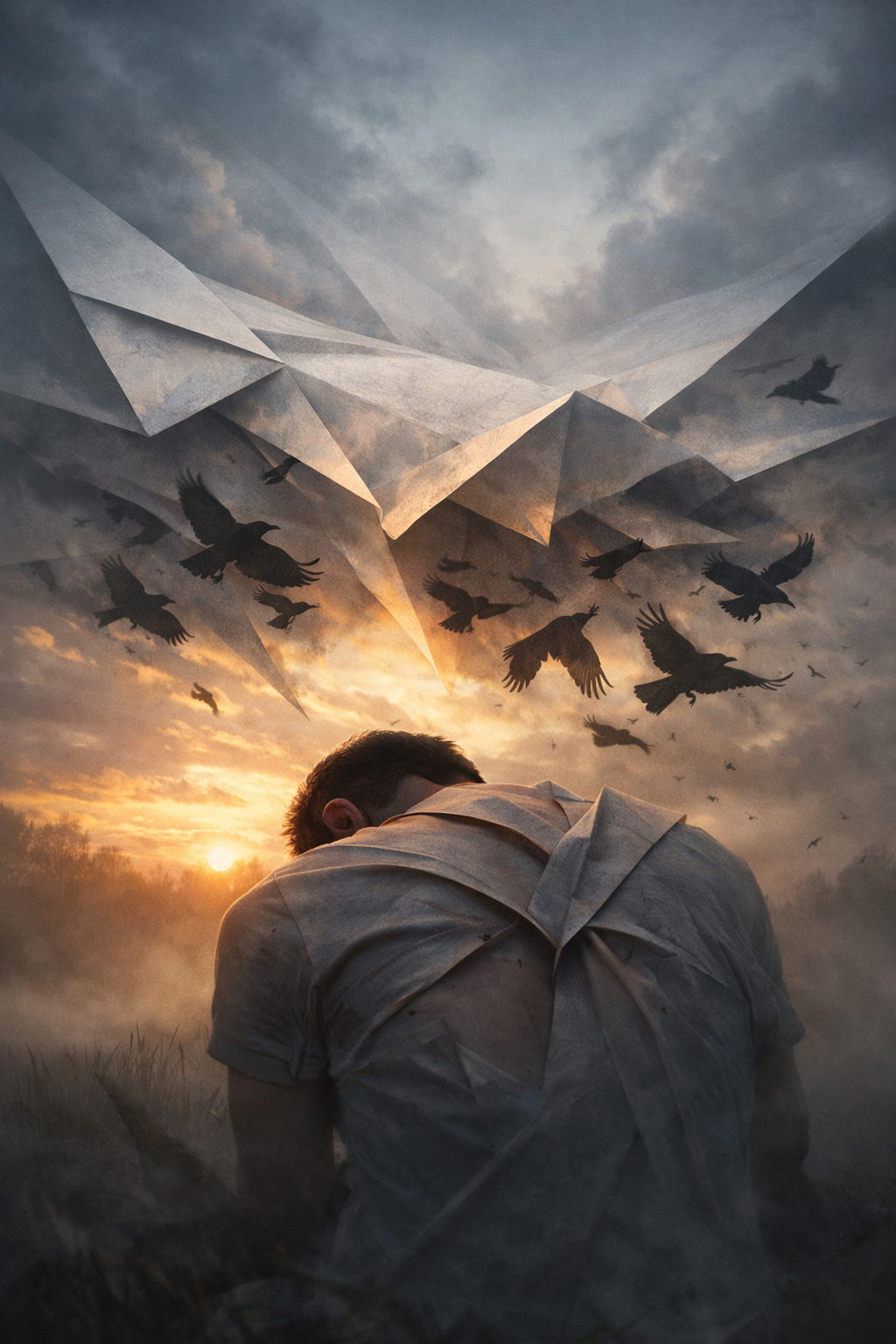
Morning Origami
I wrote Morning Origami out of the daily ceremony of chronic pain — the body folding itself under invisible pressure. The poem enacts that ritual as a dialogue between sky and flesh, where endurance becomes a kind of devotion.
-
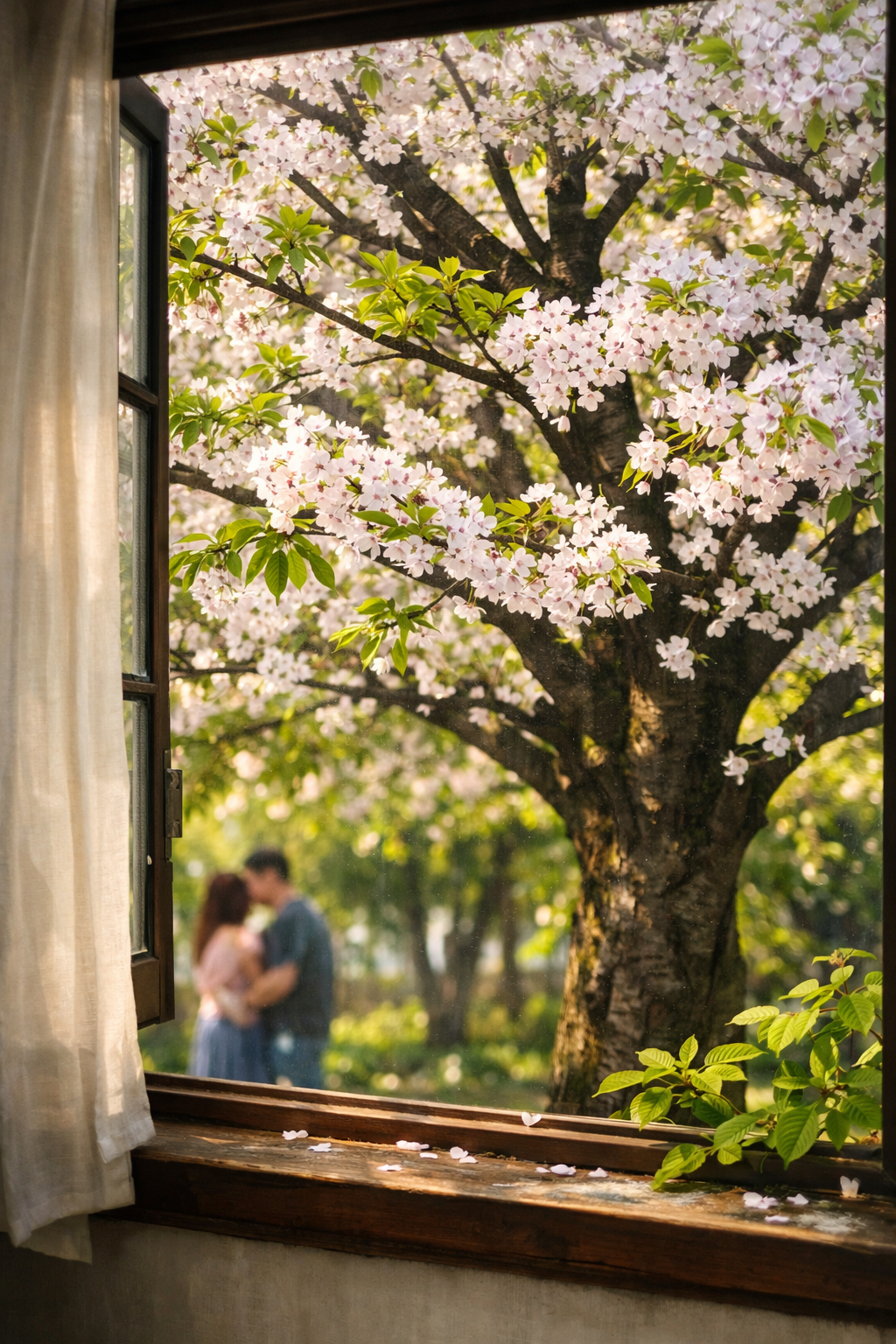
Plagiarism
This poem began as a meditation on how renewal can feel like duplication rather than change. Its theme is the tension between natural recurrence and human fatigue—the way life reissues itself even when we wish it wouldn’t.
-
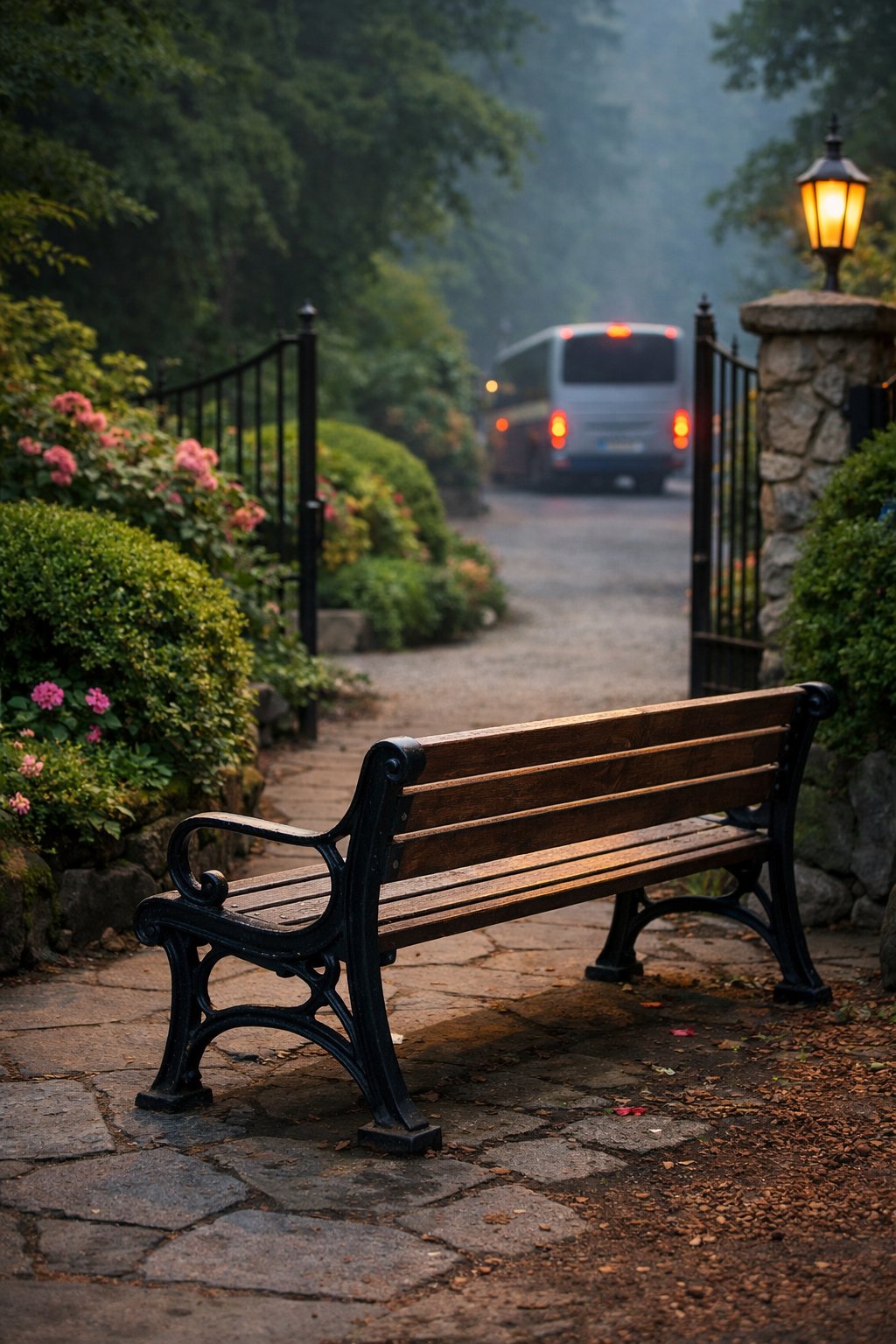
Butchart Repose
I wrote Butchart Repose after walking through the Butchart Gardens in British Columbia. The poem began as a record of fatigue and distance—the moment when beauty becomes something you must leave behind.
-
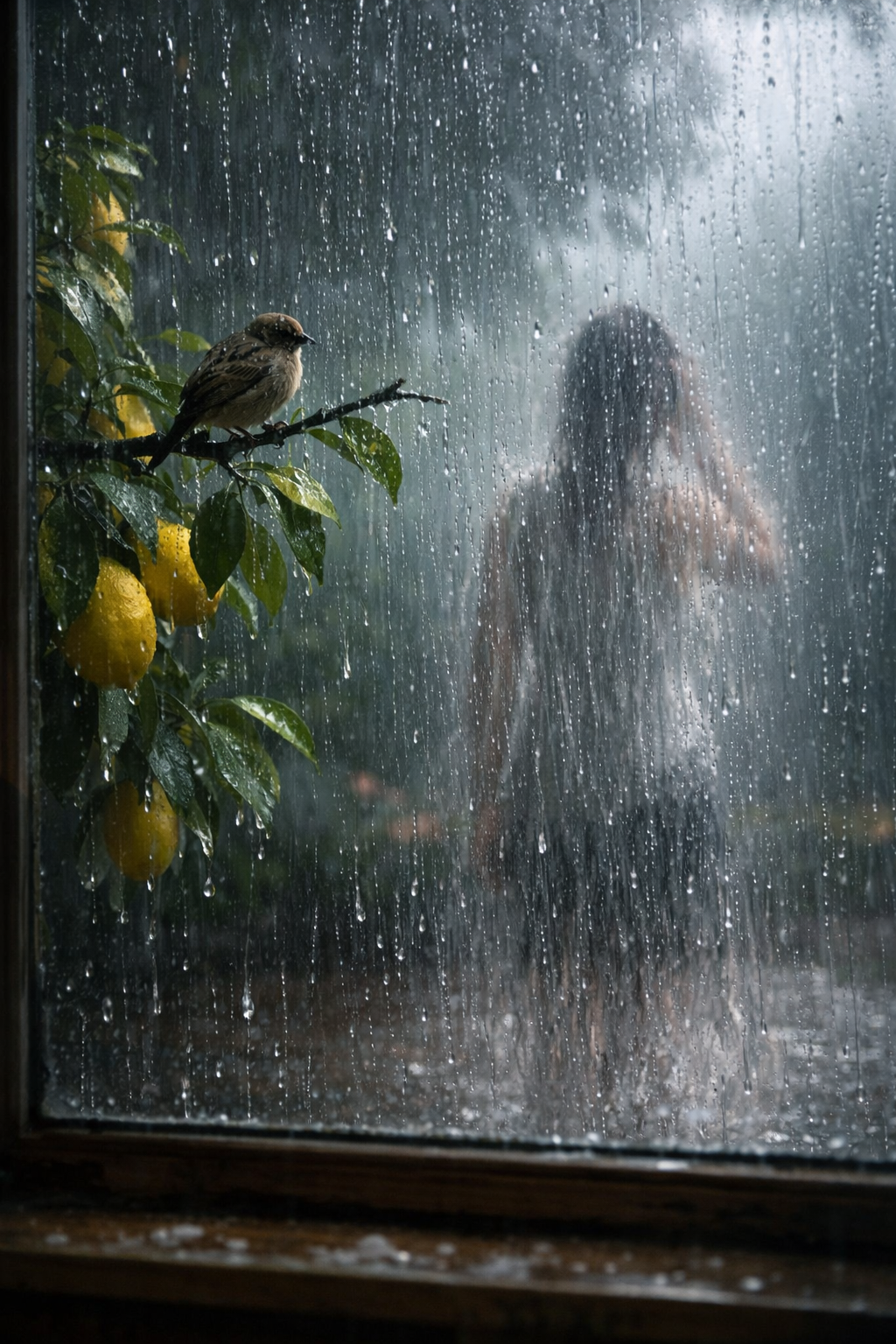
A Night of Rain
I wrote A Night of Rain after watching a bird cling to a lemon tree during a storm. The image became a study in distance—the bird, the person, and the observer caught in a triangulated gaze.
-
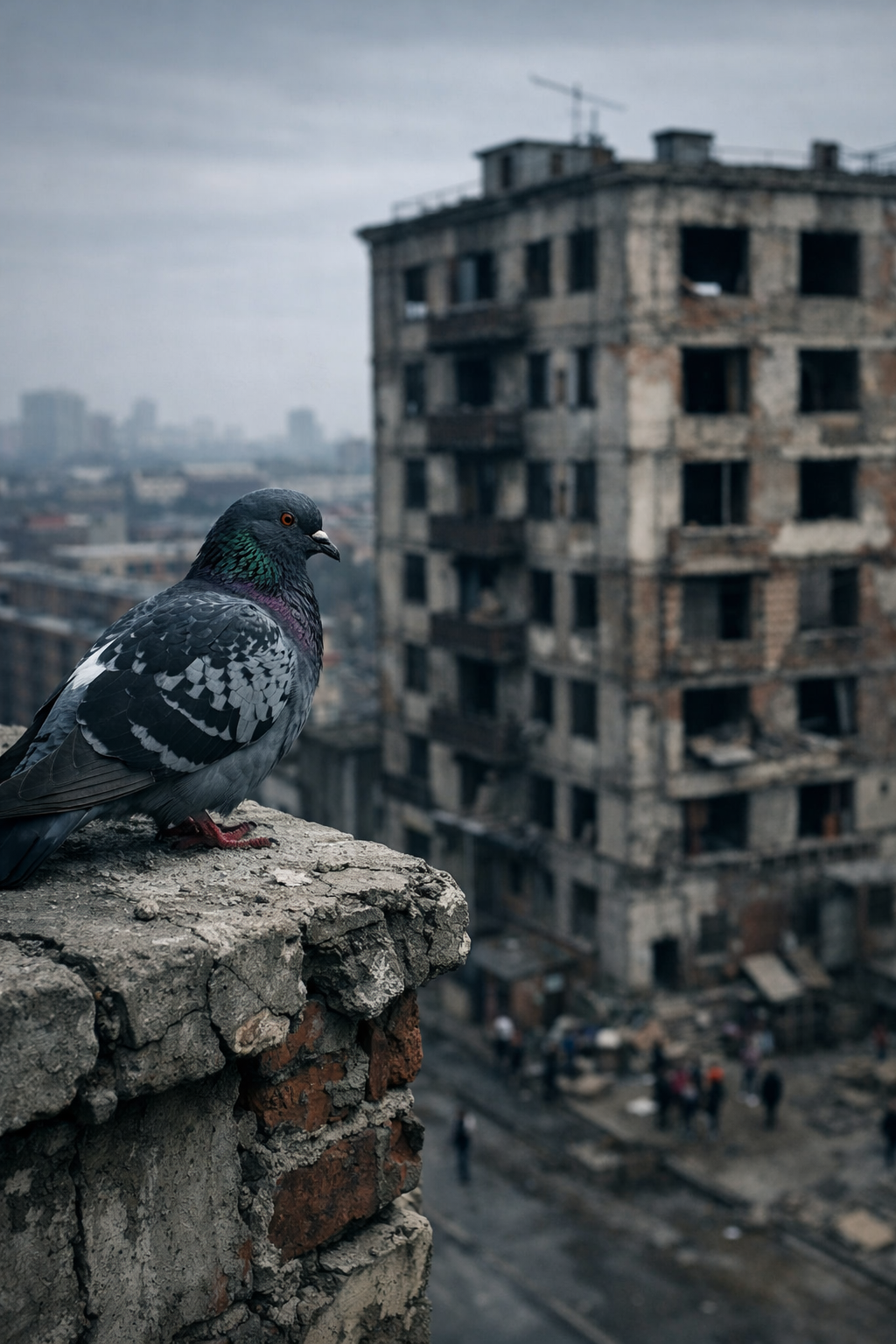
The Watching
I wrote My Pigeon Heart after watching a pigeon settle on the ledge of an abandoned building downtown. The image felt like a mirror — a creature surviving in ruin, indifferent to collapse. The poem’s architecture is vertical: a descent from observation to fracture. It’s about the violence of stillness, the small greatness of endurance,…
-
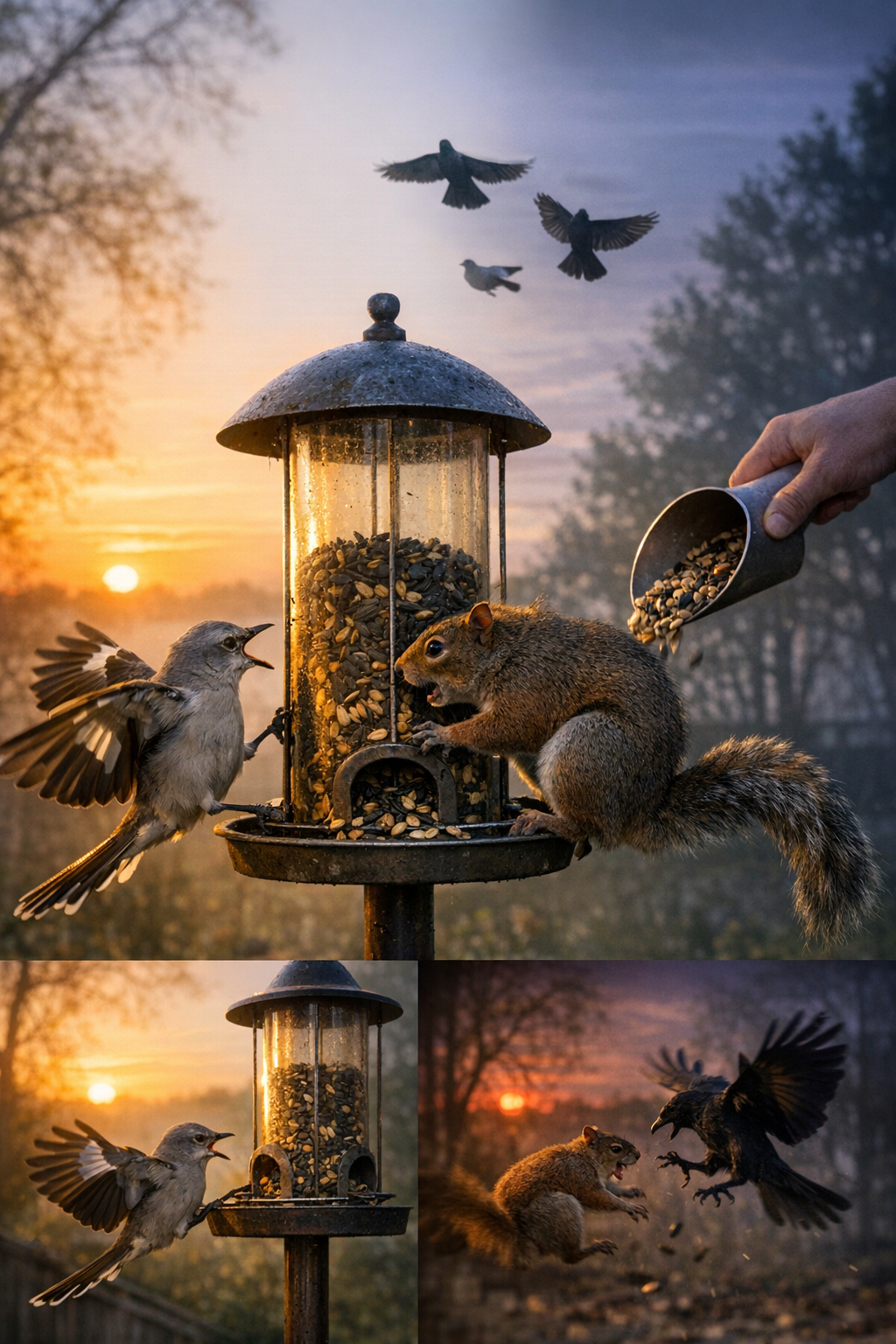
Each Morning Before Dawn
I wrote Each Morning Before Dawn after noticing how the small rituals of care—refilling a bird feeder, waiting for song—can reveal the violence beneath domestic calm. The poem began as a record of sound and silence, but it evolved into a meditation on expectation and dread. The mockingbird and squirrel became emblems of persistence and…
-
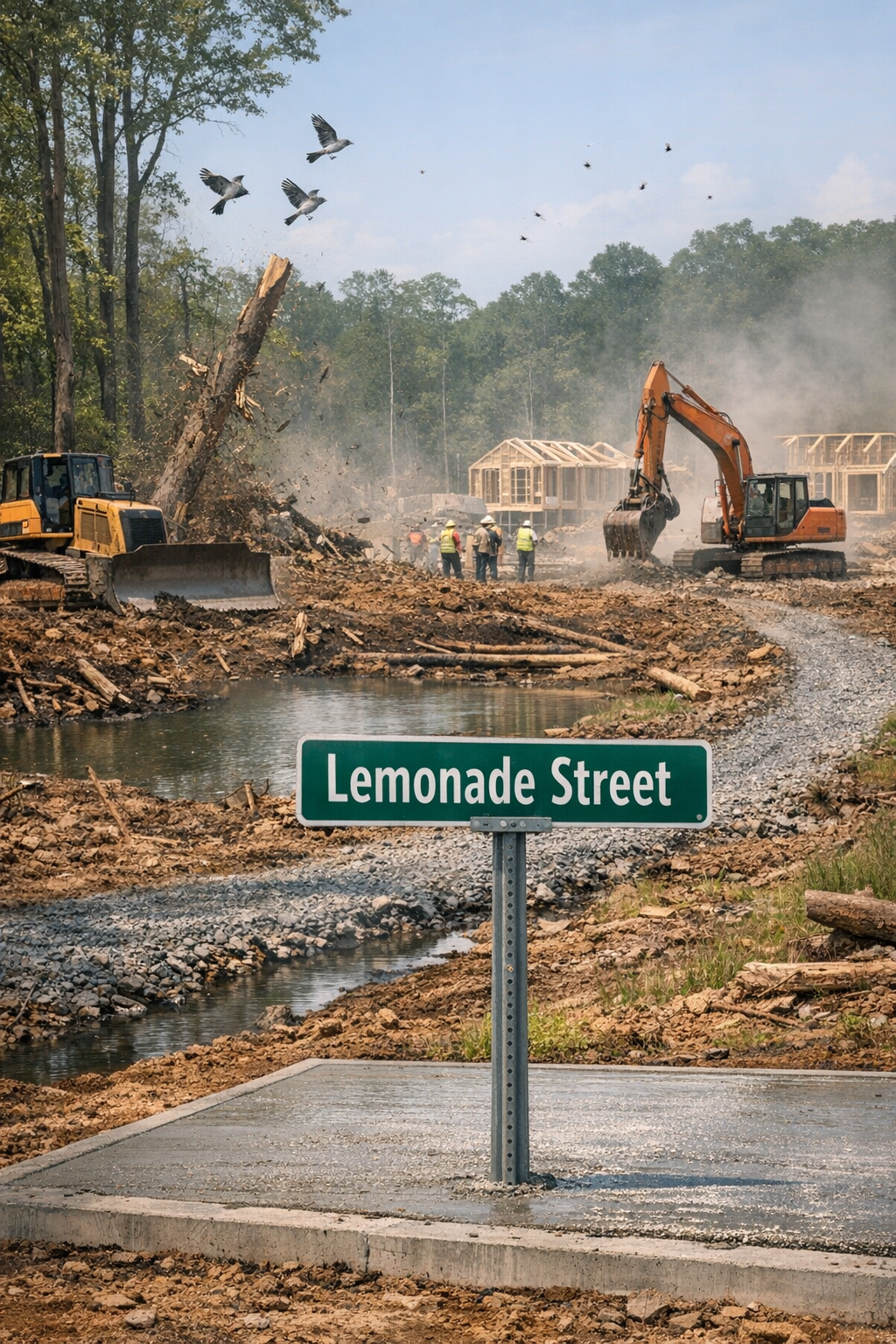
Making Lemonade Street
I wrote “Making Lemonade Street” after watching a forest near my neighborhood being cleared for new housing. The poem began as a note on the phrase “the forest in front of the forest”—a doubling that felt like both description and elegy. I wanted to record the moment when the natural and the artificial overlap, when…
-

Vestige
I wrote Vestige out of the memory of my mother’s rituals—how care and vigilance could harden into preservation. The poem began with the image of towels draped over thorns, a gesture that felt both protective and sacrificial. I wanted to explore how domestic acts—counting, tending, washing—become ceremonies of control and grief. The poem’s tone is…
-
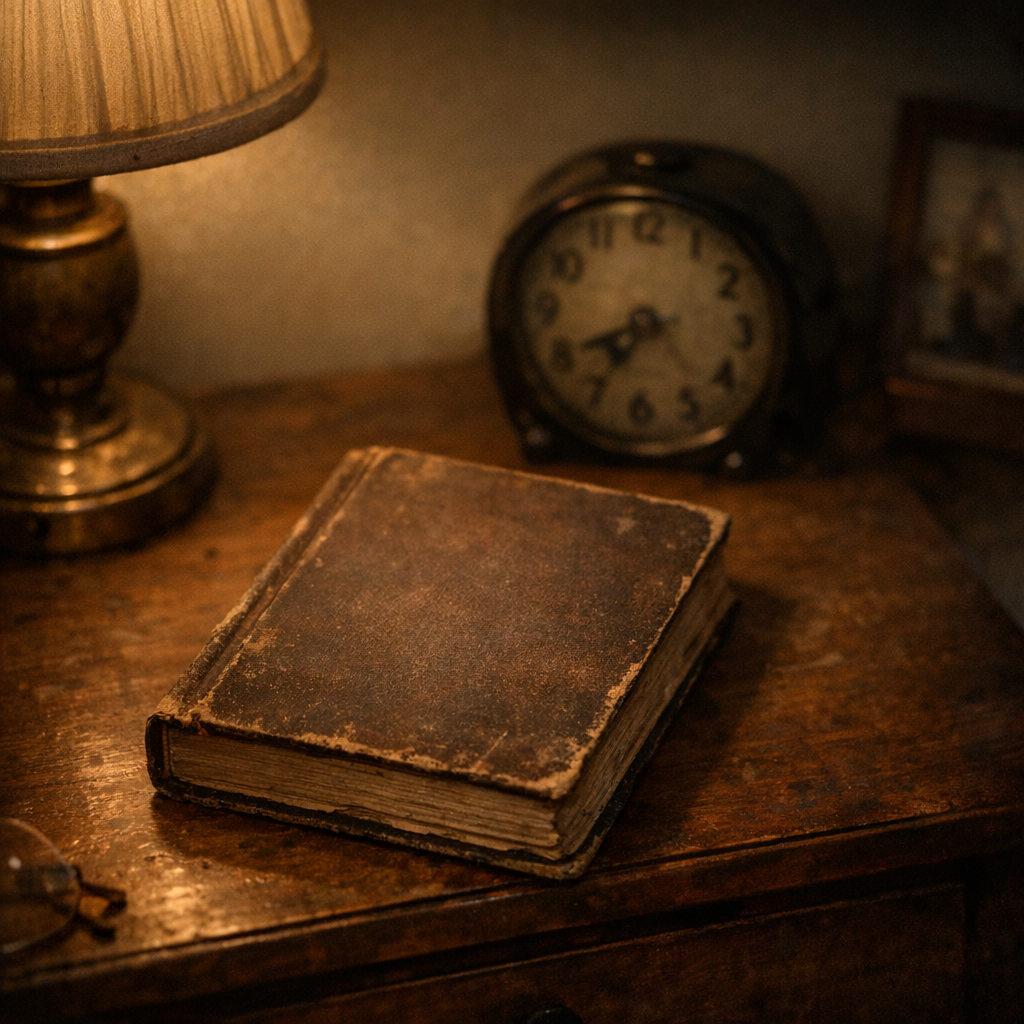
The Book
wrote The Book after finding my mother’s old paperback on my nightstand—a relic of her insistence that language could save us from silence. The poem began as a study of inheritance: how reading becomes a form of haunting. Each line traces the movement of a child carrying a book through rooms, echoing a mother’s voice…
-

Elegy for a Future Death
Elegy for a Future Death began as a refusal. I wanted to write an elegy that didn’t console, didn’t mythologize, didn’t reach for metaphor. The poem strips away atmosphere and sentiment, leaving only the physical residue of absence: chain, pan, towel, nail. It’s a lyric of erosion—of what remains when return is no longer possible.…
-
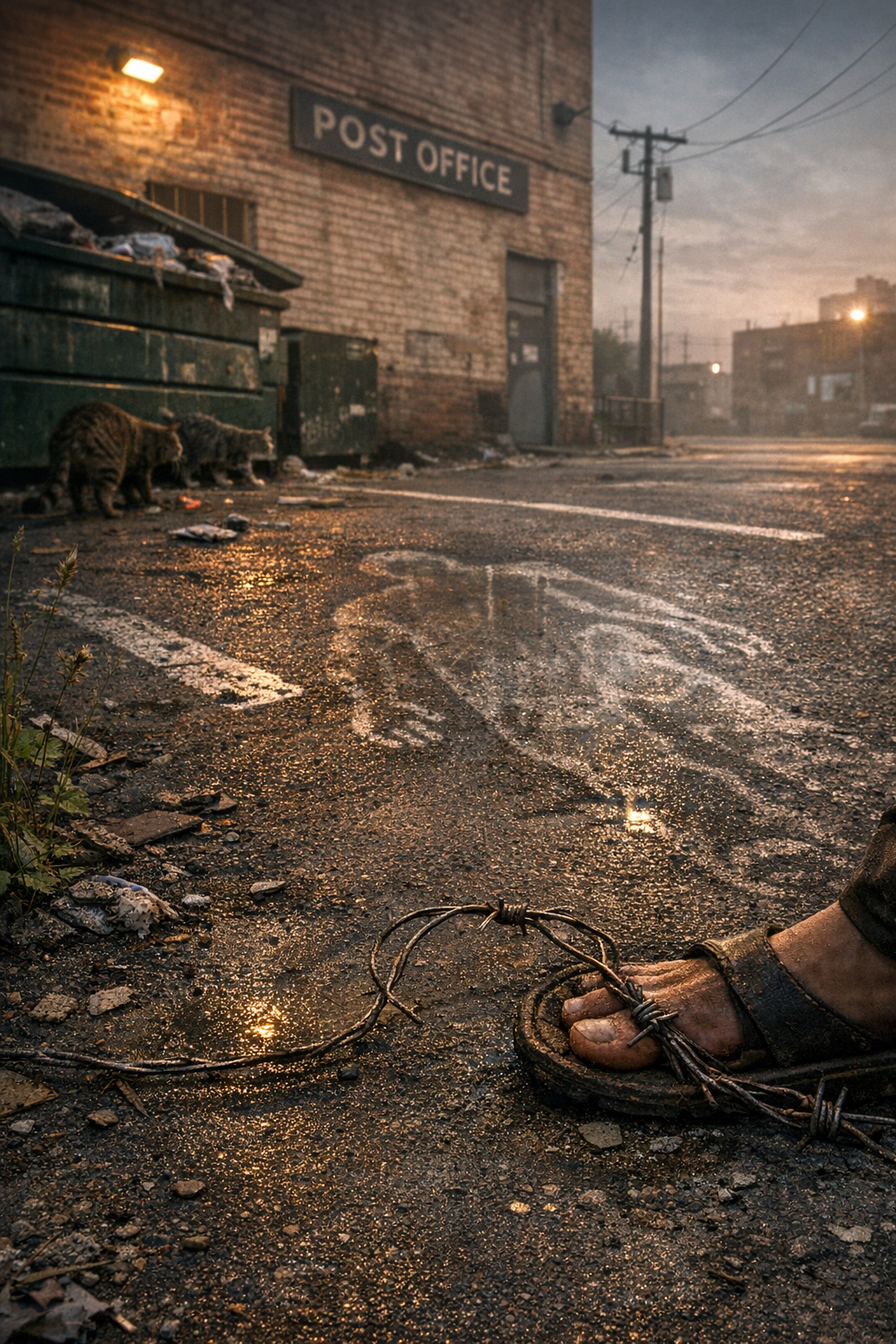
Where Are You My Friend…?
This poem emerged from walking through a heat-struck urban lot where absence felt more physical than memory. I wanted the poem to carry abandonment through objects—barbed wire, cats, asphalt—without commentary. The body persists, but only through what it touches. The theme is not grief but residue: what remains when someone doesn’t.
-
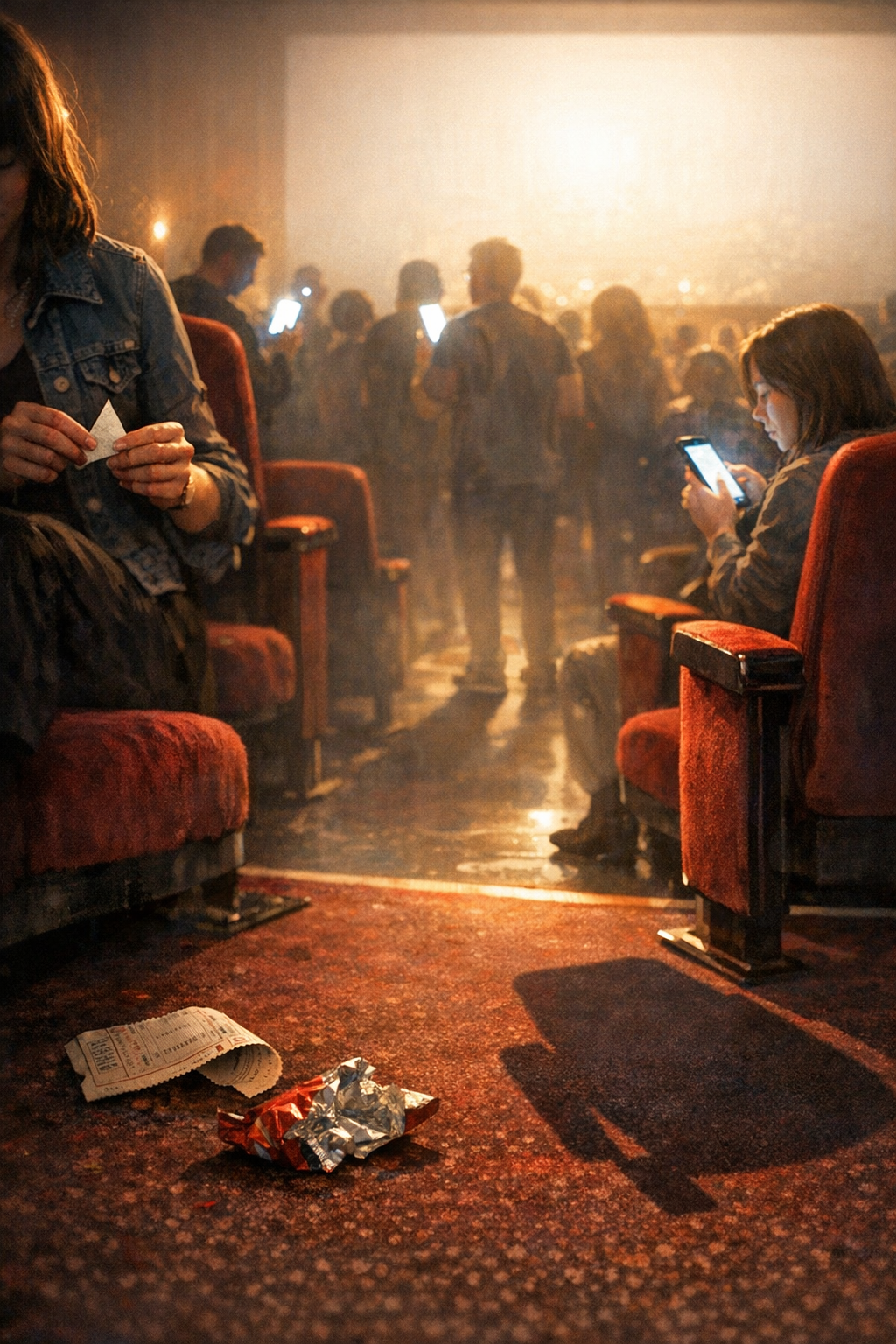
After the Movie
“After the Movie” emerged from the residue of a theater’s disassembly—the rupture of communal silence into the flicker of screens and the crackle of wrappers. I wanted to capture the moment when the film ends but its emotional architecture lingers in the objects and gestures left behind.
-

The Transparent Mother
The Transparent Mother began as a refusal to sentimentalize disappearance. I wanted to write a poem where the mother’s vanishing wasn’t metaphor but physical fact—bare feet, bloody toes, a face turned away. The poem inherits her instability without naming it.
-
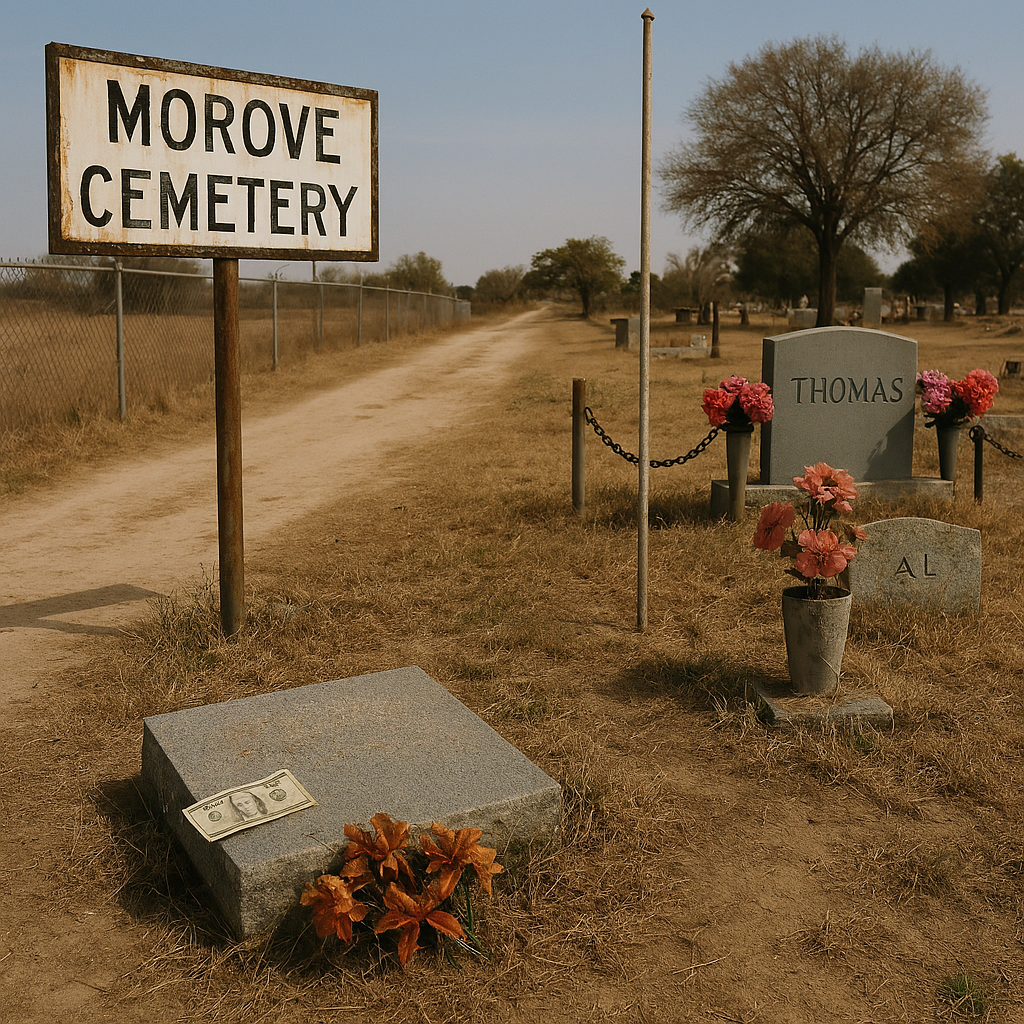
Morove Cemetery
Morove Cemetery” began as a walk through memory and inheritance. I wanted to write a poem that refused sentimentality while still holding grief in its architecture. The poem is built from objects—signs, stones, flowers, fences—that carry the emotional weight without commentary. It’s a landscape elegy, where the dead are marked by what survives them: rust,…
-

TICONDEROGA
TICONDEROGA began as a meditation on the physical relationship between body and object—specifically, the pencil as a site of memory, refusal, and violence. I wanted to write a poem that treated the pencil as a forensic artifact. The bite marks, the flaking paint, the taste of wood—all of these are real, bodily details. The poem…
-

Wail
Wail began as a test of restraint. I wanted to write a death poem without ornament, without metaphor, without reaching for comfort. The whale song emerged early—strange, bodily, and distant—and I kept it because it refused explanation. The poem is about sound that leaves the body and doesn’t come back. It’s about the final sleep…
-
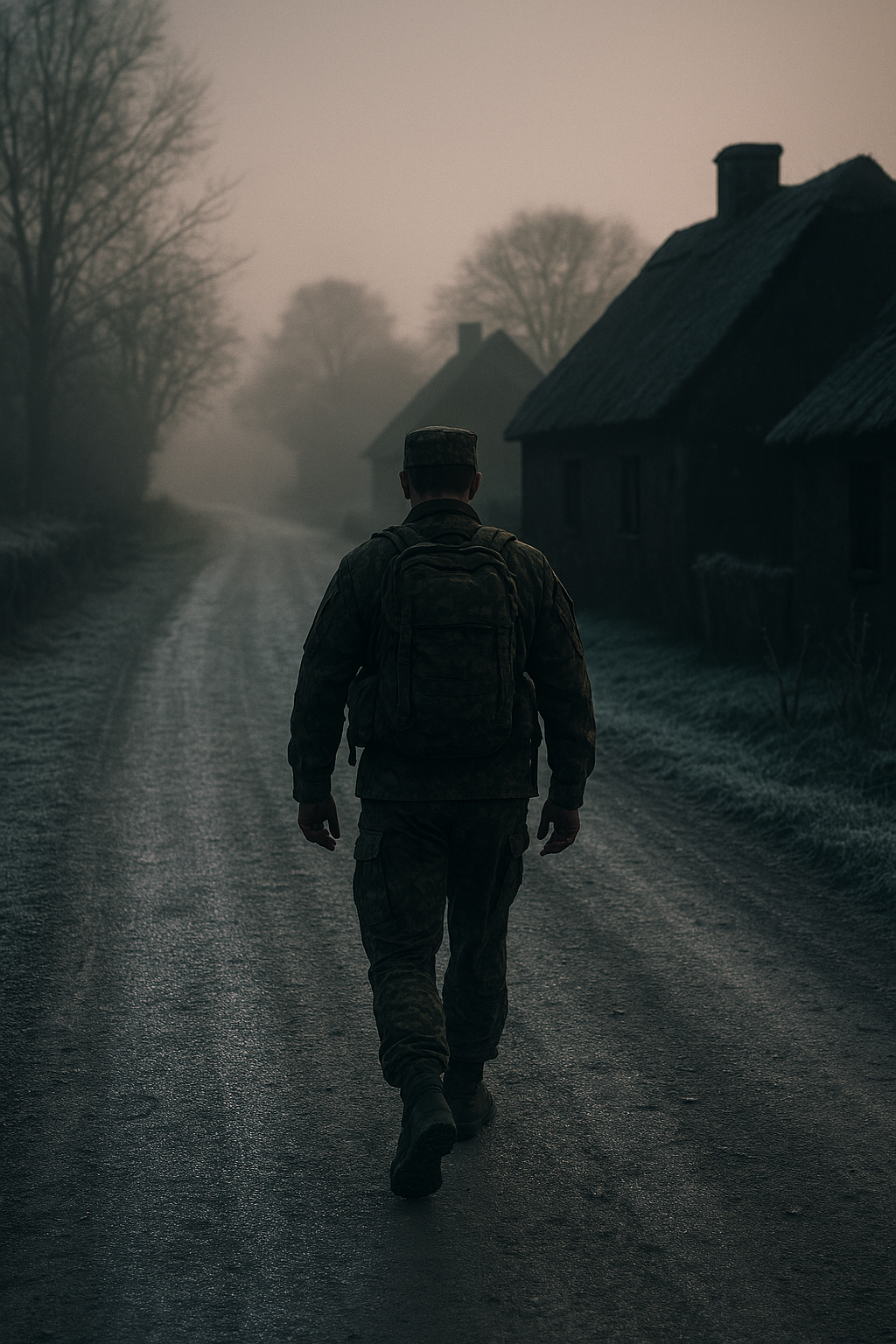
The Road They Will Leave By
The Road They Will Leave By” began as a meditation on exclusion and memory. I wanted to write a poem that refused sentimentality and simile, one that relied on physical detail and emotional pressure to convey the quiet violence of being remembered wrongly—or not at all. The soldier’s camouflage, the elders’ breath, the locking of…
-

Reclamation
Reclamation began as a meditation on the chalk line—first as a metaphor for confinement, then as a literal aura traced by radiation machines. I wanted to write a poem that didn’t glorify survival but acknowledged its cost: the neuropathy, the pouchitis, the ache where the colon once lived. The poem lives in the tension between…
-

Wepa en el Estadio — Wepa in the Stadium (Poema en tres formas boricuas)
This poem began as a celebration of Bad Bunny’s Super Bowl halftime performance—a moment where Puerto Rican identity, spectacle, and street energy collided on the world’s biggest stage. I wanted to honor the poetic forms of my heritage—copia, décima, bomba—while letting the rhythms of Spanglish, reggaetón, and crowd chant shape the pulse. The poem is…
-

A Child’s Memory Poem
This poem began as a memory fragment—an image of a child improvising sanctuary for slugs and snails during a rainy weekend with her father. I wanted to explore how care, grief, and survival manifest through small gestures: a cracked fishbowl, a wilted lettuce leaf, a library book. The poem resists sentimentality and instead leans into…
-
Before My Memory Began
Before My Memory Began” comes from the earliest story I was ever told about myself—a moment I cannot remember but have carried as if I lived it. The poem moves between a beach scene and a hospital room, two images that have followed me for years. I wrote it to examine how memory is inherited,…
-

A Thing I Do Instead of Sleep
This poem emerged from a sleepless night and a remembered sound—an owl’s hoot imagined against the silence of a hospital corridor. It’s a sonic elegy, a gesture toward the moment my mother’s voice carried the weight of my deafness.
-
Late January Arrives
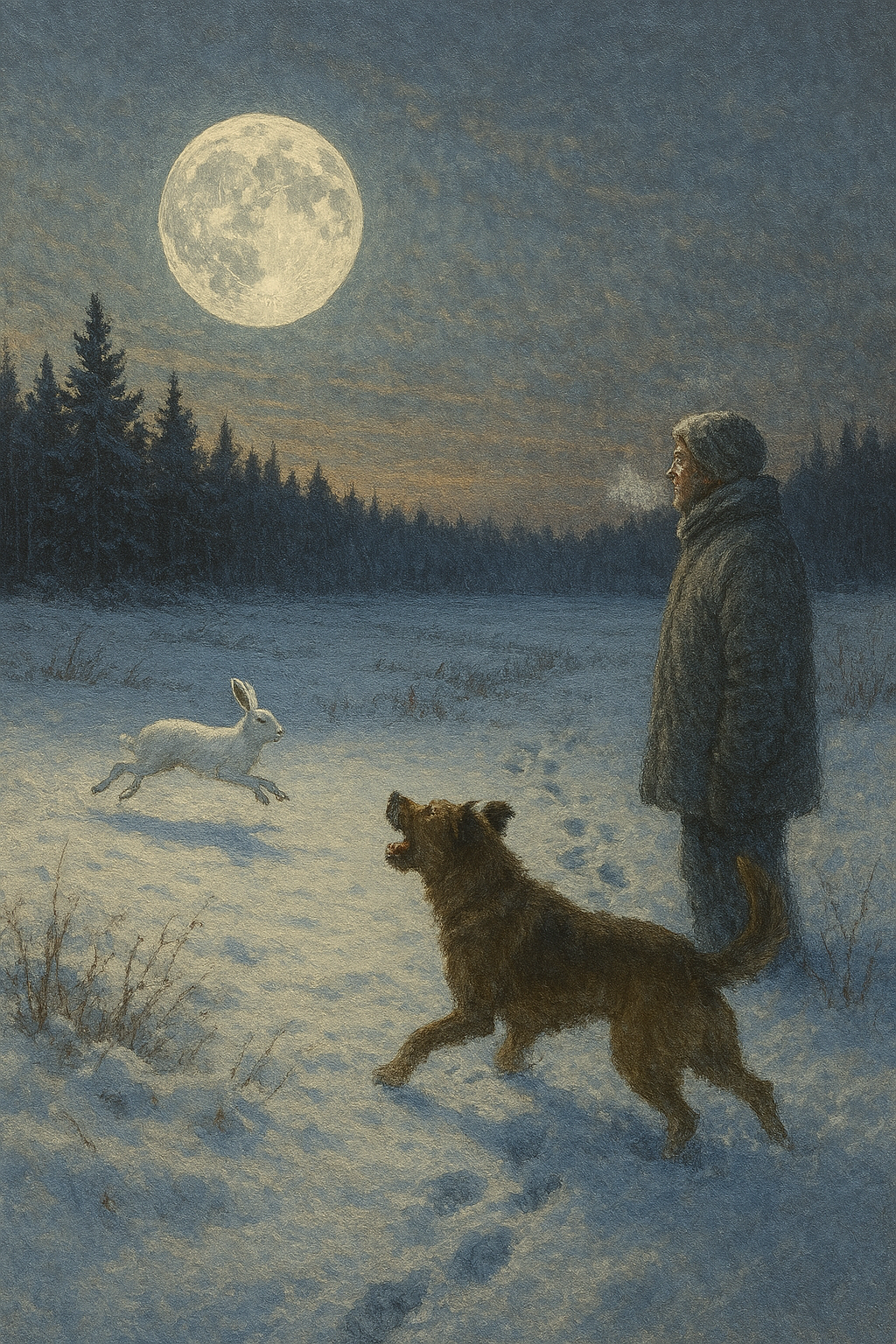
“January Arrives” emerged from a moment of stillness fractured by motion—a hare vanishing into snow, my dog’s bark echoing through the cold. I wrote this poem to honor the tension between presence and disappearance, between the human gaze and the animal trace. I wanted to create a lyric that holds without reaching, that observes without…
-
Sillage
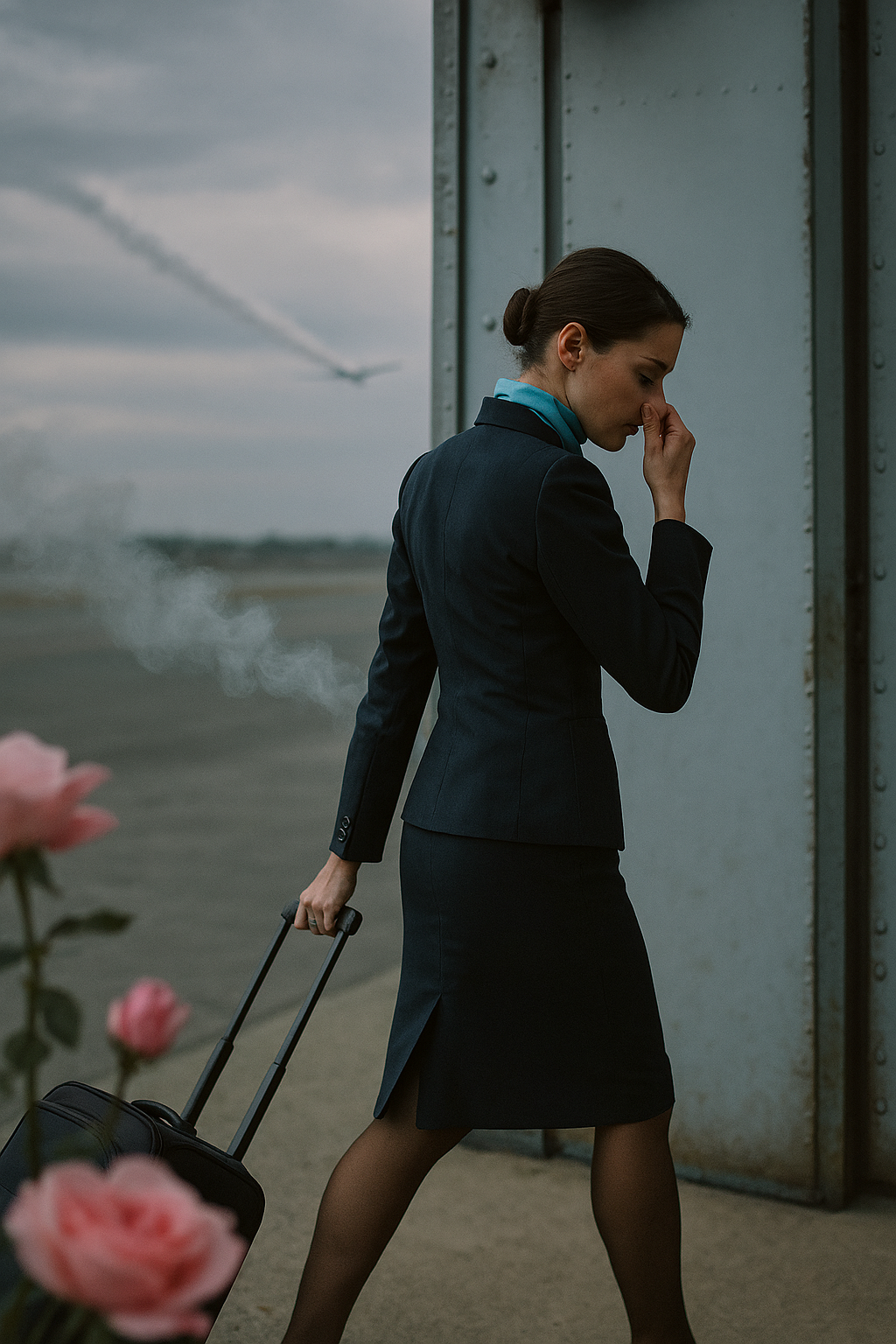
This poem began with a scent memory that returned without warning. I followed the physical details—the hand raised, the barrier door, the trace of fuel—until the moment revealed its shape. The poem stays close to gesture and environment because that’s where the truth of the scene lived. The theme grew from the tension between presence…
-

Stones
“Stones” emerged from a walk with my autistic brother, where the gravel beneath us felt like a ledger—each stone a record of what we’ve inherited and what we must carry. I wrote it to honor the physicality of memory and the way lineage shapes our future terrain. The poem resists sentimentality and abstraction, staying grounded…
-
Snapdragon Fields
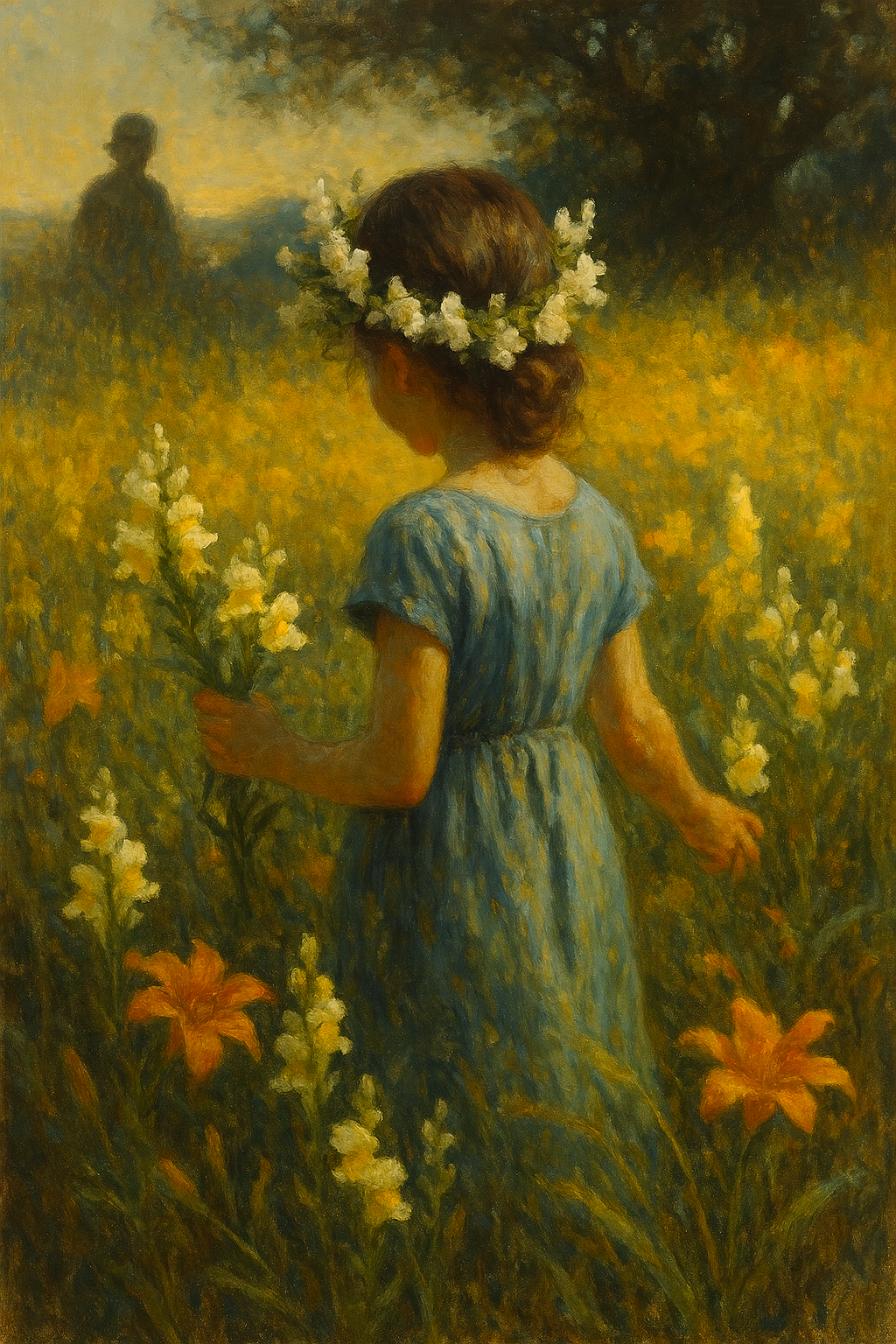
This poem began as a way to face the presence a parent leaves behind after death. I wasn’t trying to summon anything. I was trying to name the interruptions that still arrive without warning. The poem grew from that tension—how the past steps into the present, how memory can feel like a visitor who won’t…
-
Bone Confession
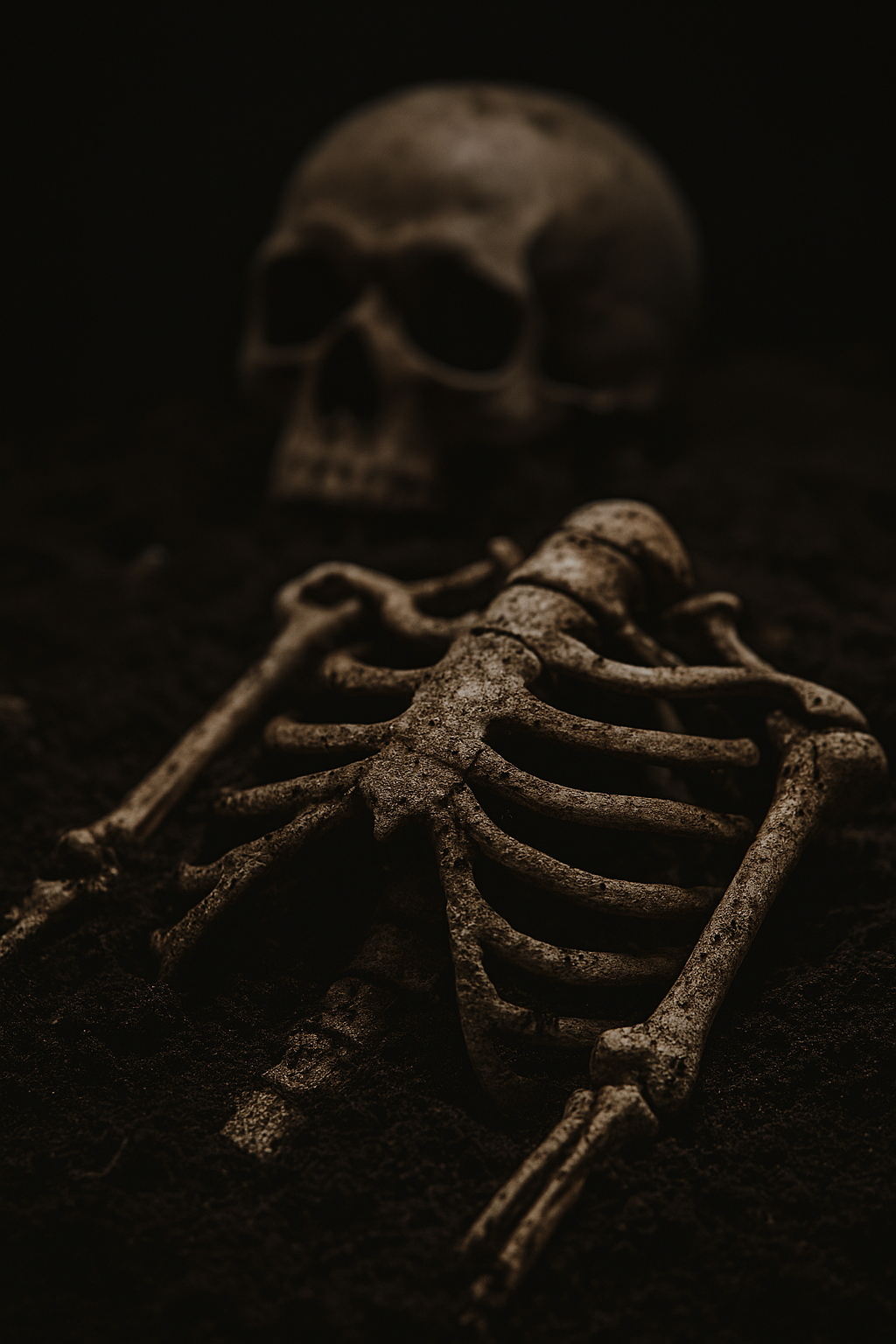
Bone Confession began as a way to name the physical weight I carry from the people I’ve lost and the ones I couldn’t help. The poem grew from a single pulse in the wrist into a record of how the body stores memory—through objects, breath, and the small actions that prove we’re still here. I…
-
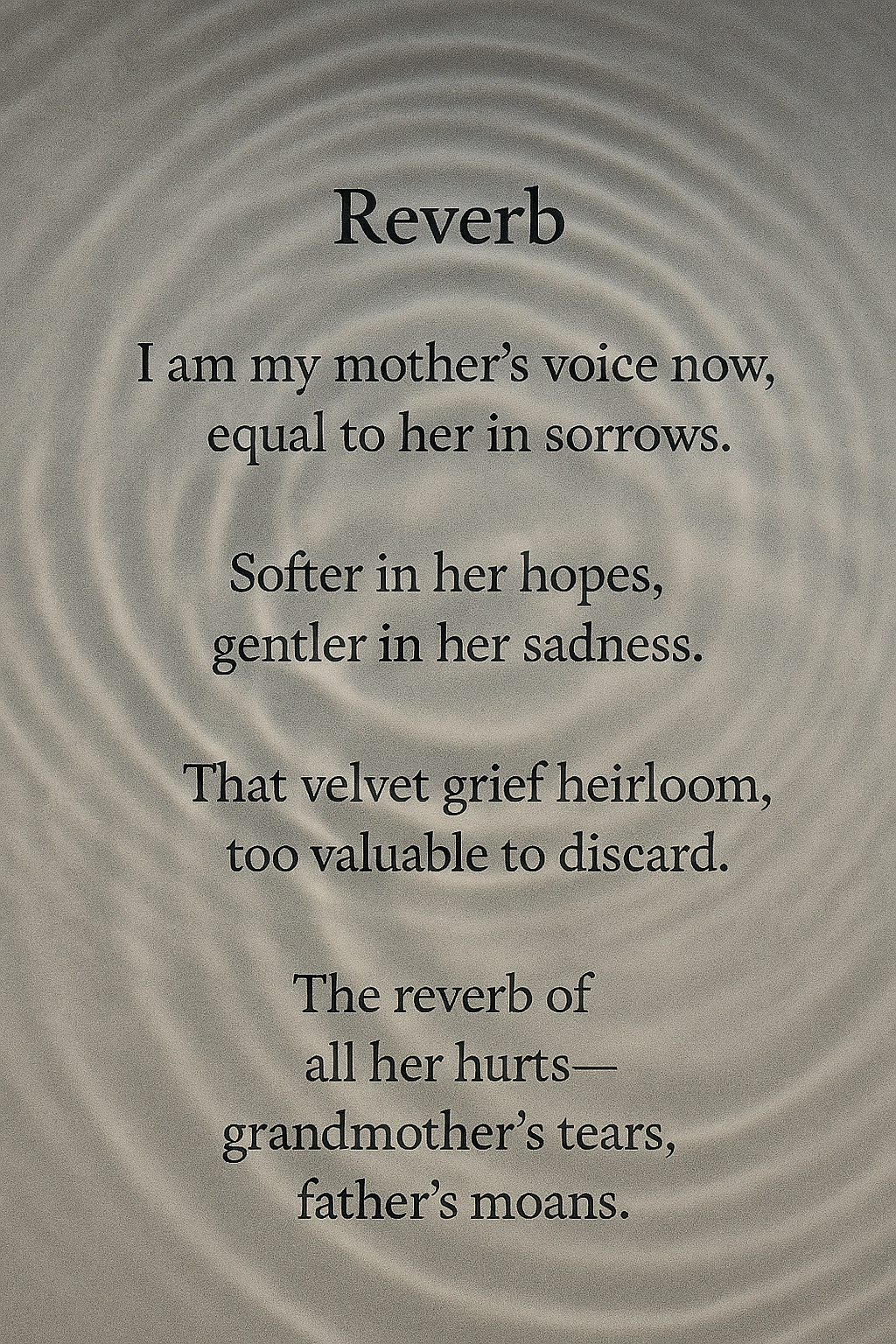
Reverb
Reverb” emerged from a moment of quiet recognition—when I realized I was speaking in my mother’s cadence, carrying her grief as if it were my own. The poem is built as a series of couplets that echo generational sorrow without resolving it. I wanted the rhythm to waver, to enact the instability of grief itself.…
-
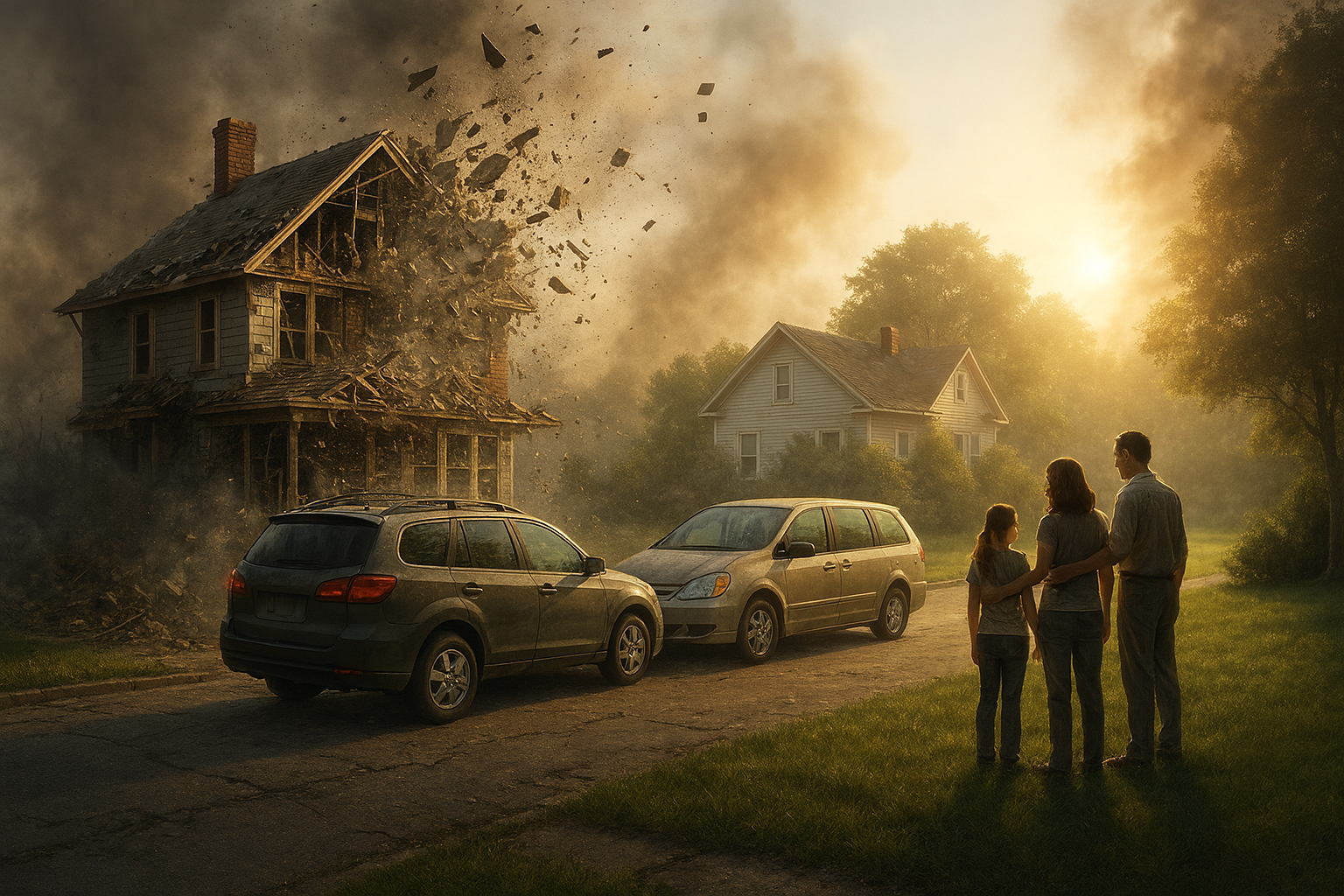
Undo
“Undone” emerged from my lifelong reckoning with memory and survival. After losing family members in a tragic accident, I found myself haunted by the idea of reversal—not just of time, but of blame, grief, and the unintelligible aftermath. The poem imagines a world where trauma rewinds: collisions un-happen, blood disappears, and the dead return to…
-
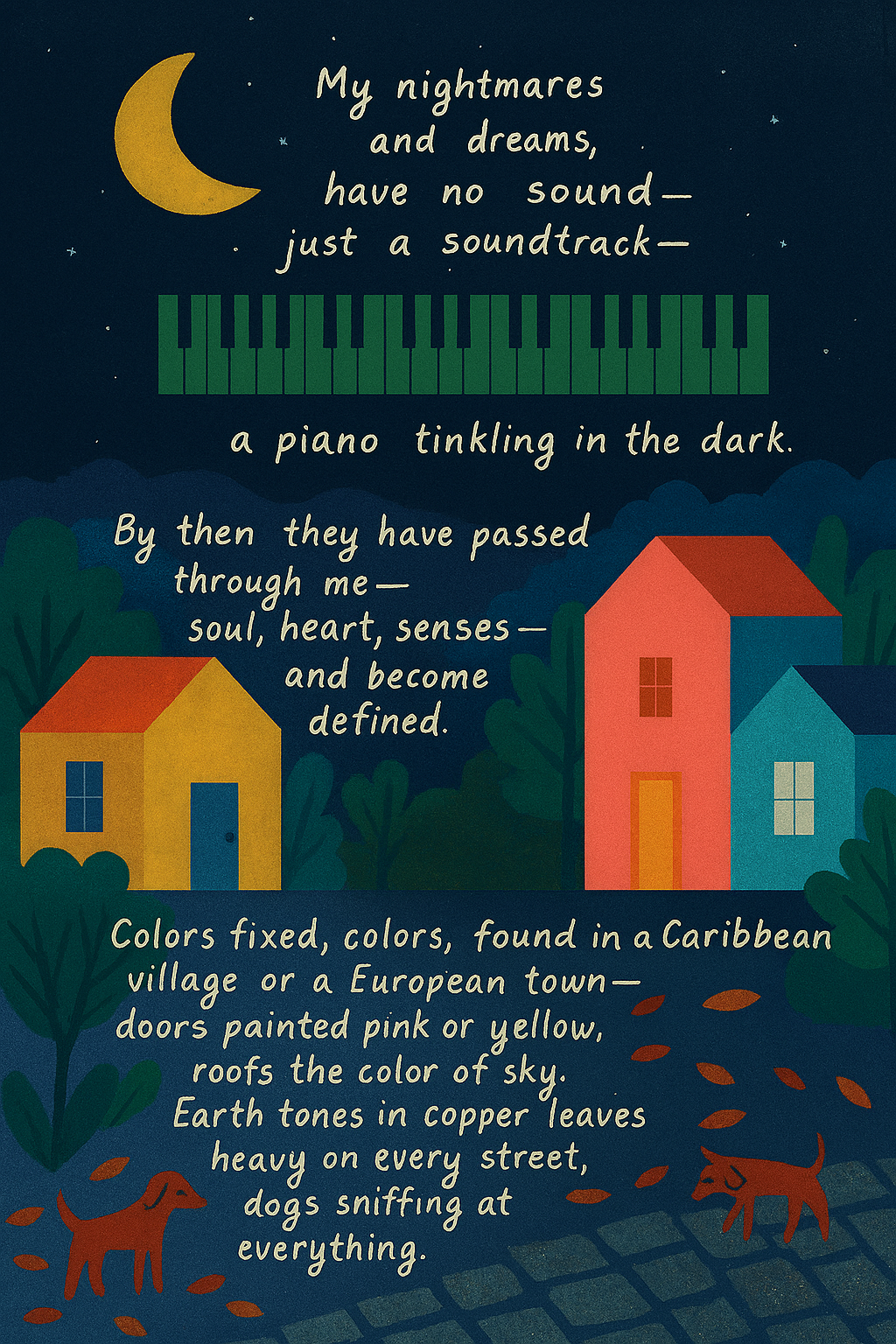
Transcription
soundtrack and images transform into words. I wanted to capture how memory and imagination build a foundation—bright doors, roofs wide as sky—out of fragments of fear and joy. The theme is resilience: the act of immersing nightmares in dreams until something sacred emerges.
-
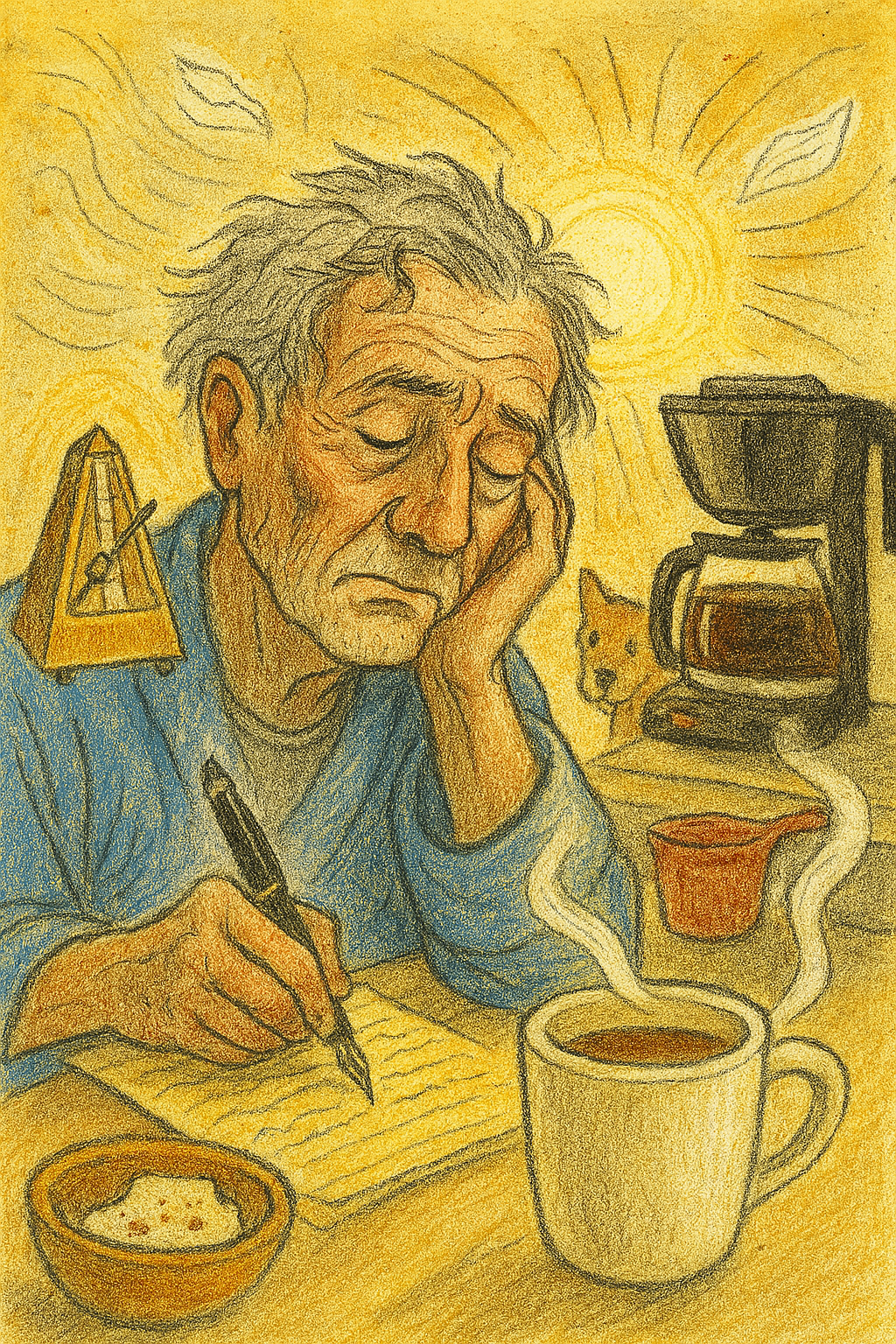
Getting There
“Getting There” emerged from the rhythm of my mornings—each act of survival measured, each gesture a hinge between mortality and renewal. I wrote it after noticing how my routines—feeding the dog, checking blood sugar, making coffee—had become a kind of metronome, ticking the sacred rhythm of the day. The poem honors that rhythm and the…
-
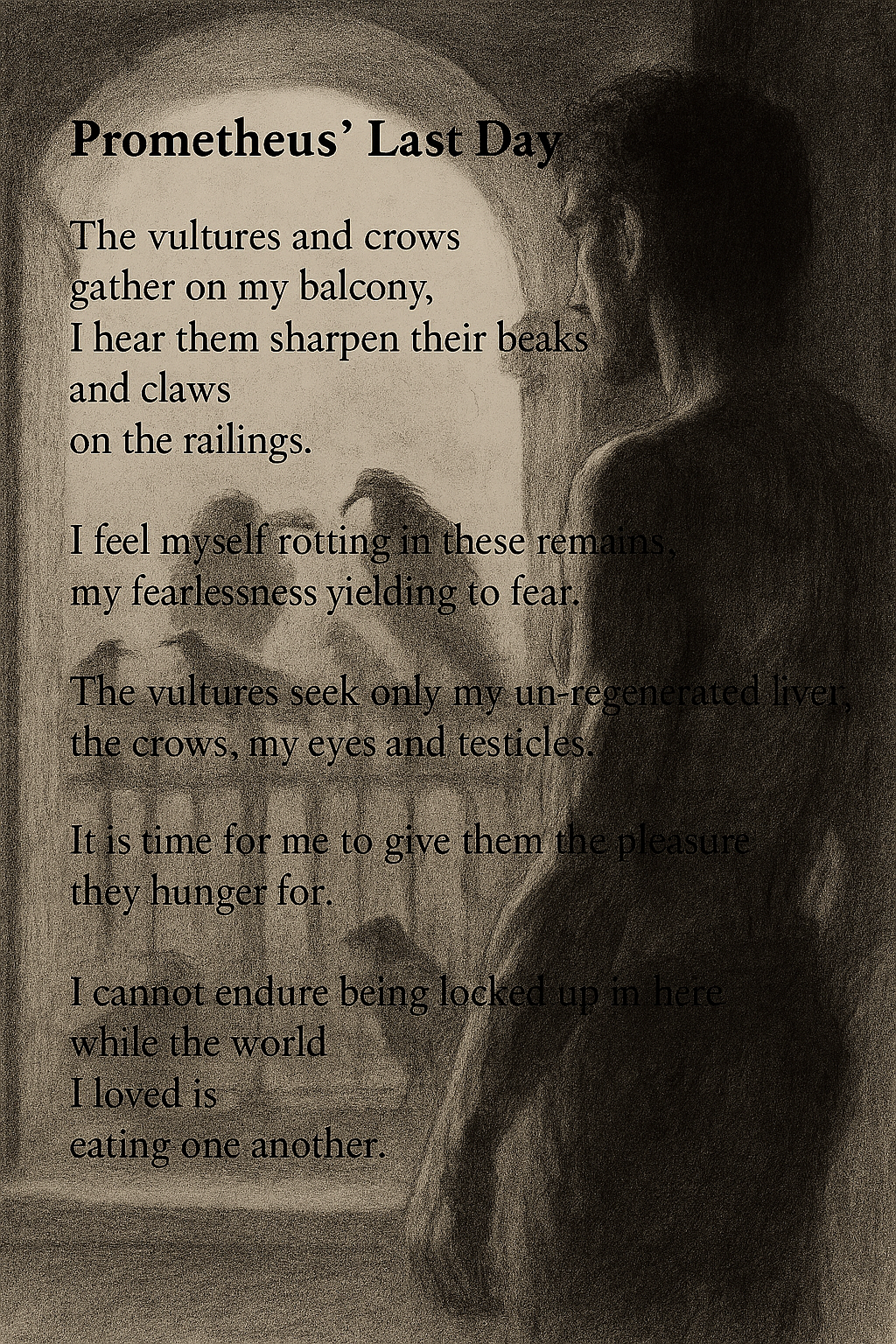
Prometheus’ Last Day
Prometheus’ Last Day began as a meditation on endurance—what it means to rot without rescue. I wanted to strip the myth of Prometheus down to its final gesture: not defiance, but surrender. The poem resists metaphor and dramatization, choosing anatomical precision and ethical collapse.
-
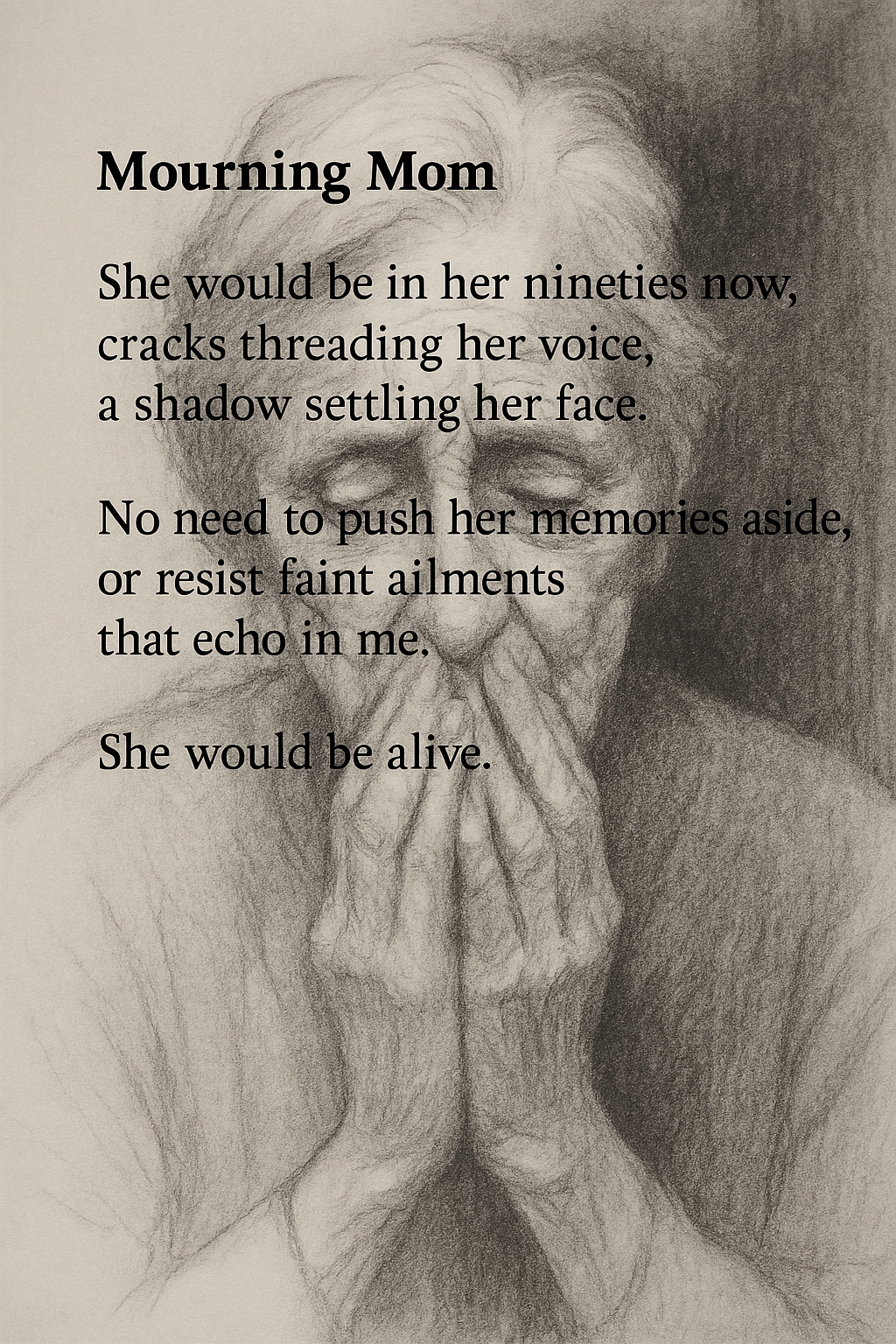
Mourning Mom
This poem emerged from a moment of speculative grief—imagining my mother’s aging voice as a thread I never got to follow. I wanted to write an elegy that refused sentimentality, that honored absence without ornament. The poem’s structure mirrors that ethic: short stanzas, pared-back language, and a final line that lands without flourish.
-

J’s Sky
“J’s Sky” emerged from the final moments I shared with someone I loved deeply. I wrote it in the hush that followed her passing, where grief had no metaphor—only gesture. The poem resists sentimentality and instead ritualizes consequence through pared-down language and elemental imagery. The sky becomes a container for ash, not answers. I wanted…
-
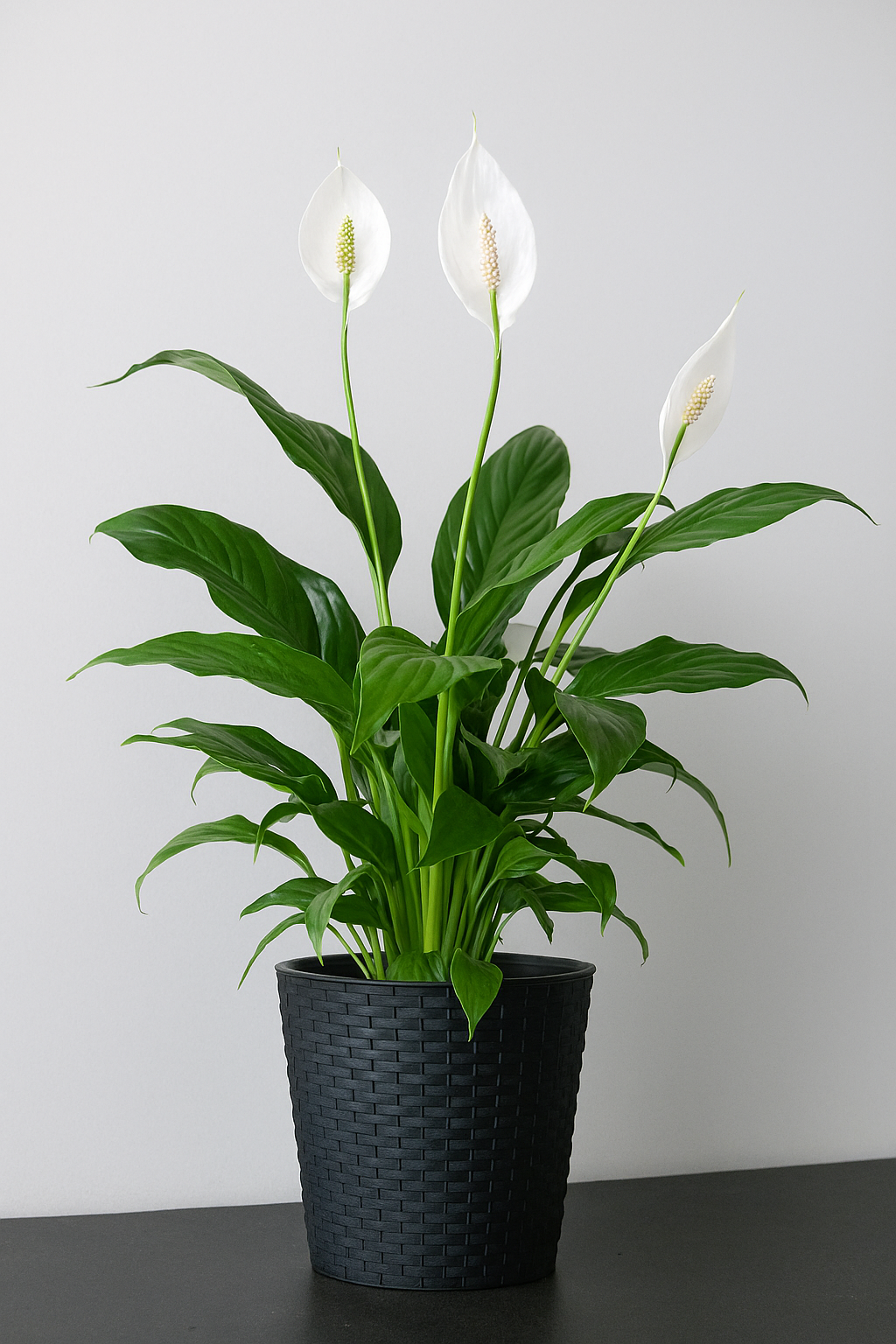
Peace Lily
Peace Lily began as a quiet observation of my wife’s improbable success with a single plant. Over time, it became a ritual ledger—tracking seasonal displacement, artificial substitutions, and the endurance of living things. The poem’s triadic structure echoes the trinity of life, labor, and love. Its humor is understated, its gestures symbolic: the copper penny…
-
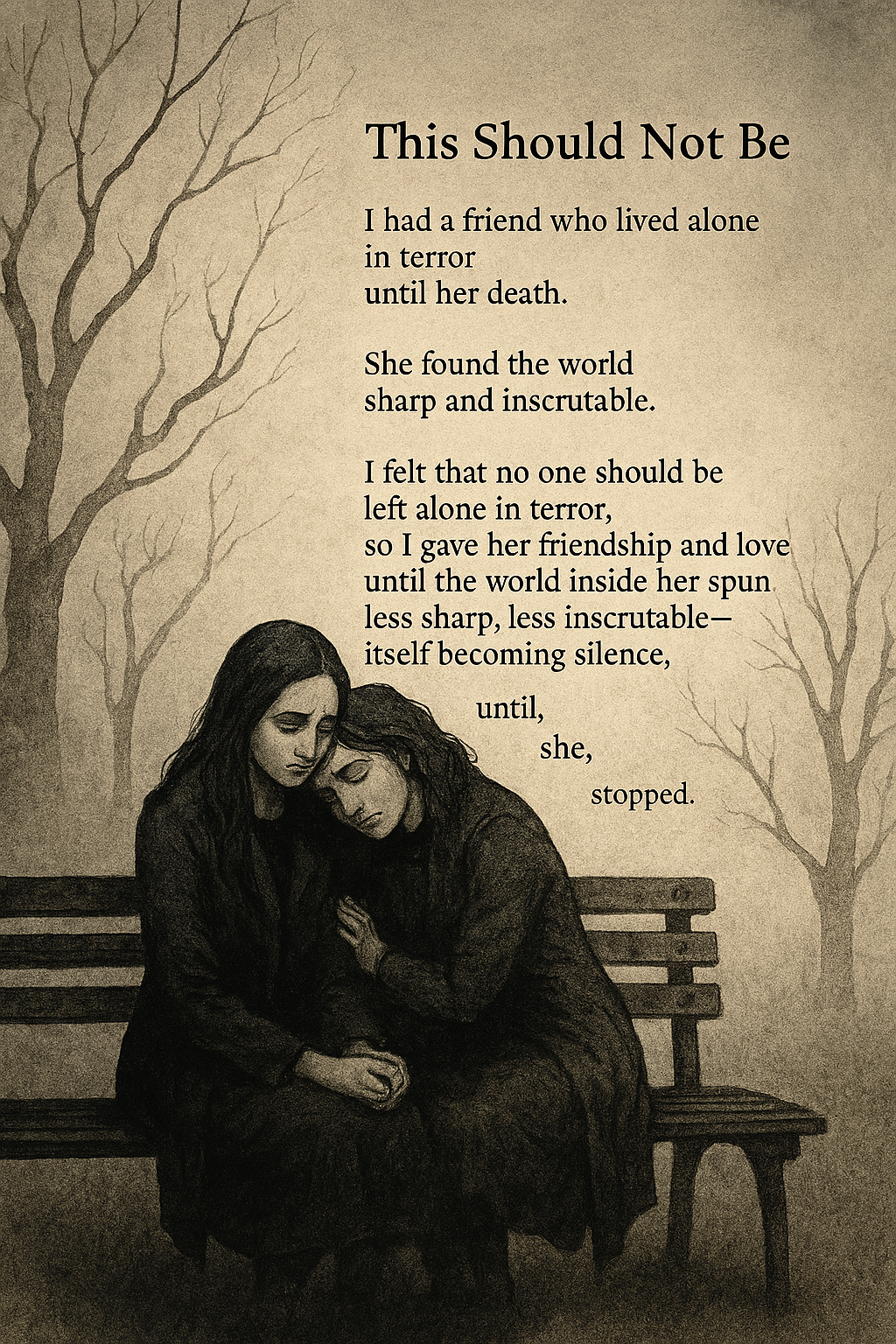
This Should Not Be
This Should Not Be” emerged from a moment of ethical rupture—the unbearable knowledge that someone I loved lived in terror until her death. The poem is not a lament but a ritualized protest. I wanted to write something that refused sentimentality and instead enacted consequence. The repetition of “inscrutable” is deliberate—it marks her being trapped…
-

The Empty Chair
This poem originated from the ritual of watching films with someone I loved, and the chair she occupied became a consecrated site after her passing. Each line mimics a film frame rate—24 letters per line—so the poem itself becomes a reel of memory. Commas and dashes act as cuts, splicing grief into cinematic rhythm. The…
-
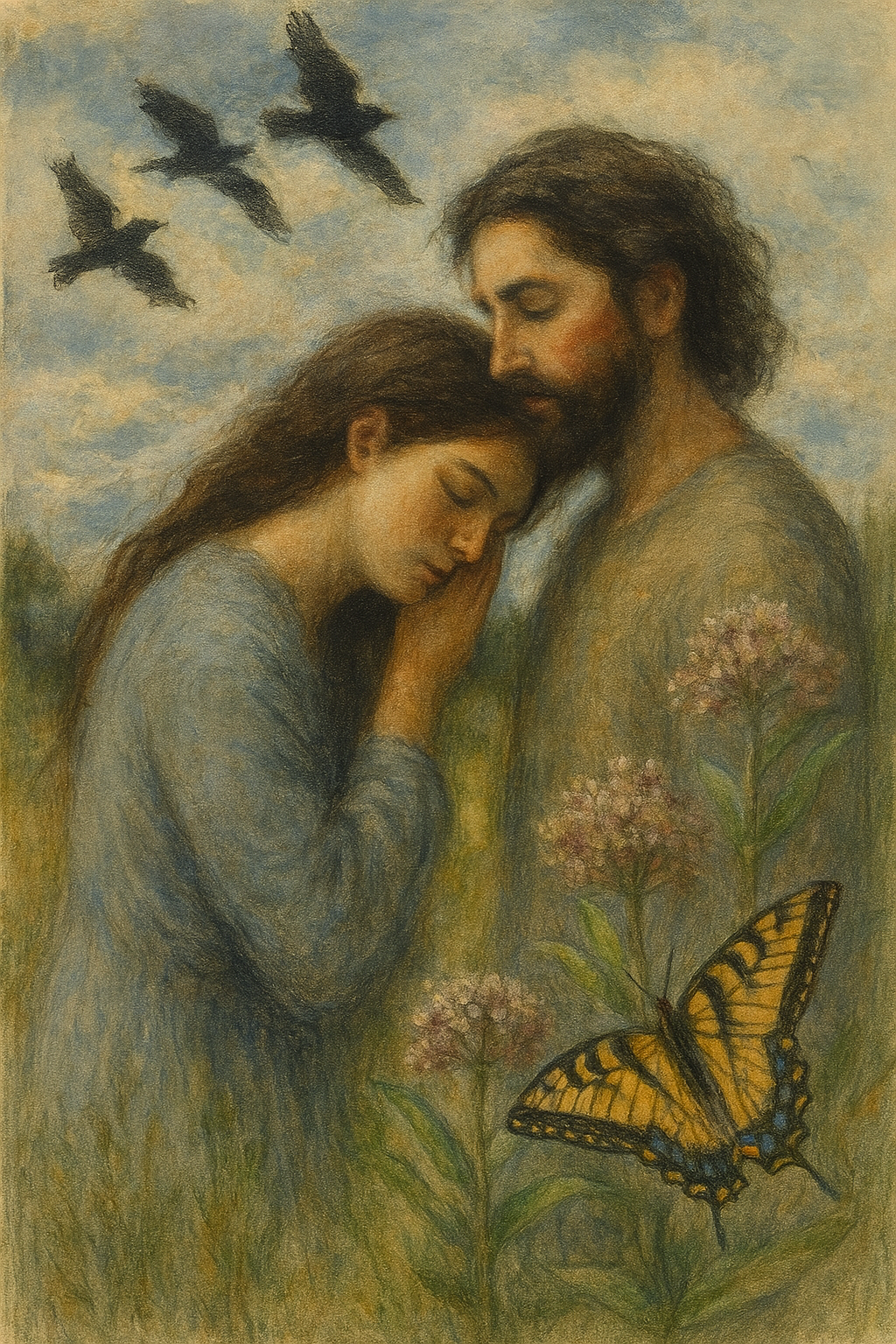
Birds and Milkweed
Birds and Milkweeds emerged from a moment of listening—pressing my ear to my wife’s chest and imagining wings. The poem enacts the illusion of flight that love offers, and the beauty that remains after we fall. Butterflies and milkweed form a memento mori—not of grief, but of transformation. I wanted to write a poem that…
-
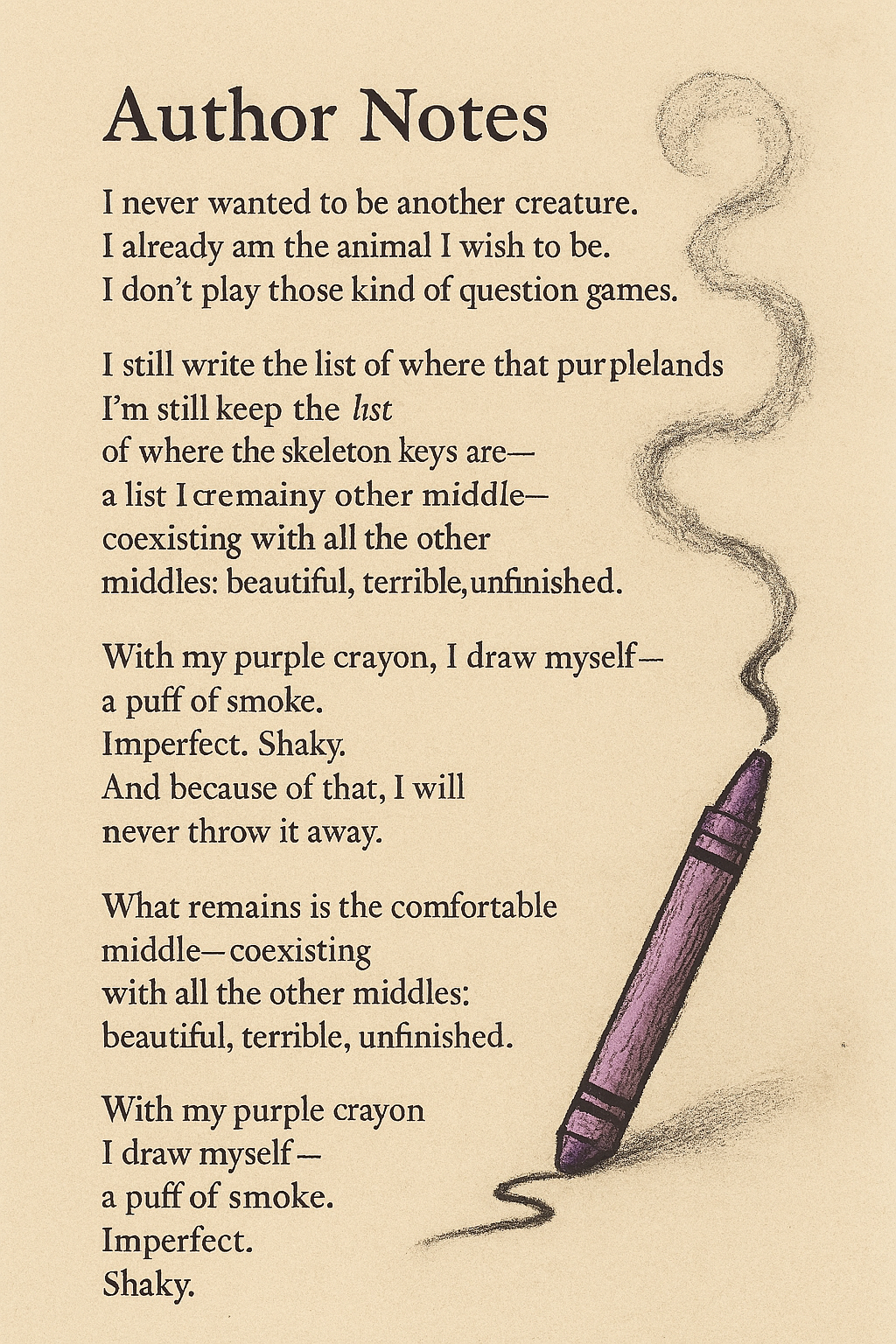
Author Notes
“Author Notes” emerged from a refusal of wanting to answer the the question game—If you were an animal, which would you be? It demands a transformation I do not want to indulge in. It neglects experience and demands transformation. Instead I indulged with the possibilities of Harold’s Purple Crayon. I imagined writing it with my…
-
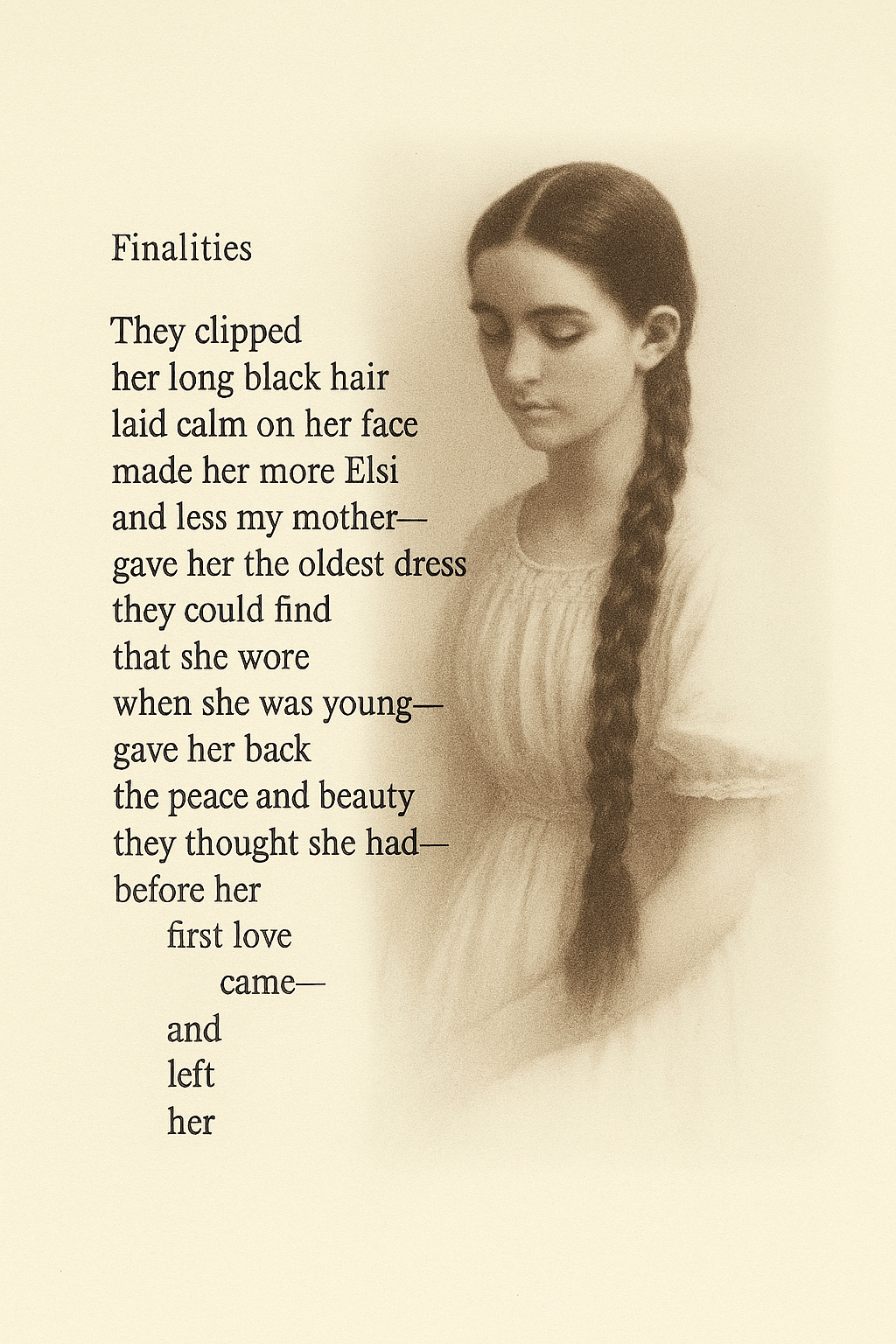
Finalities
Finalities emerged from a moment of ritual clarity after my mother’s passing. I wanted to honor not just her memory, but the gestures others made to restore her—clipping her hair, dressing her in youth, renaming her Elsi. It stages mourning as a quiet choreography of speculative grace. It’s about the transformation of a woman into…
-
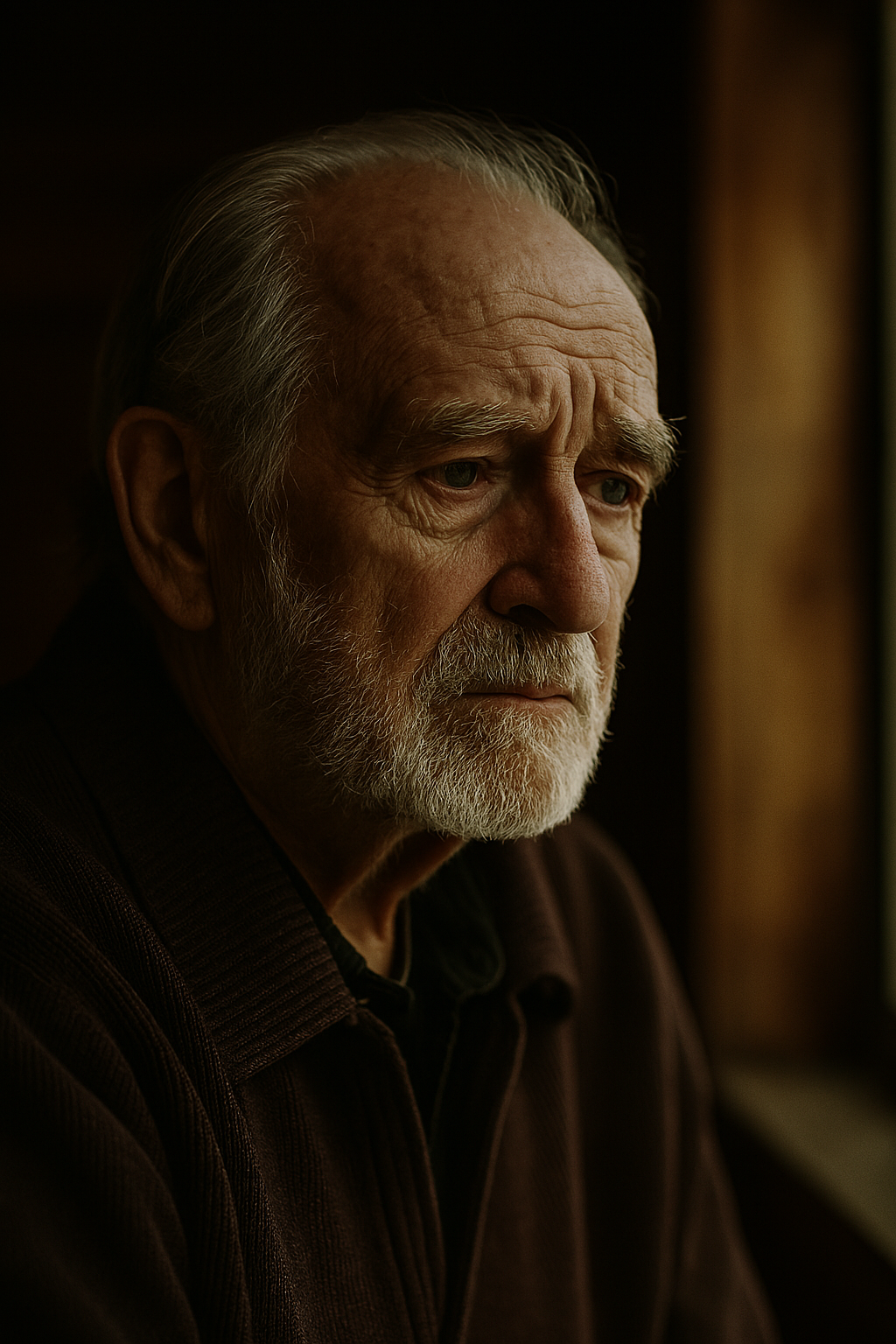
For My Older Brother
“For My Brother” came from a quiet moment my brother and I shared, shaped by past pain and recovery. The poem uses body and thought as symbols, with the slash mark showing how deep wounds can leave lasting marks. I wrote it to honor his survival and the work he had done to heal.
-
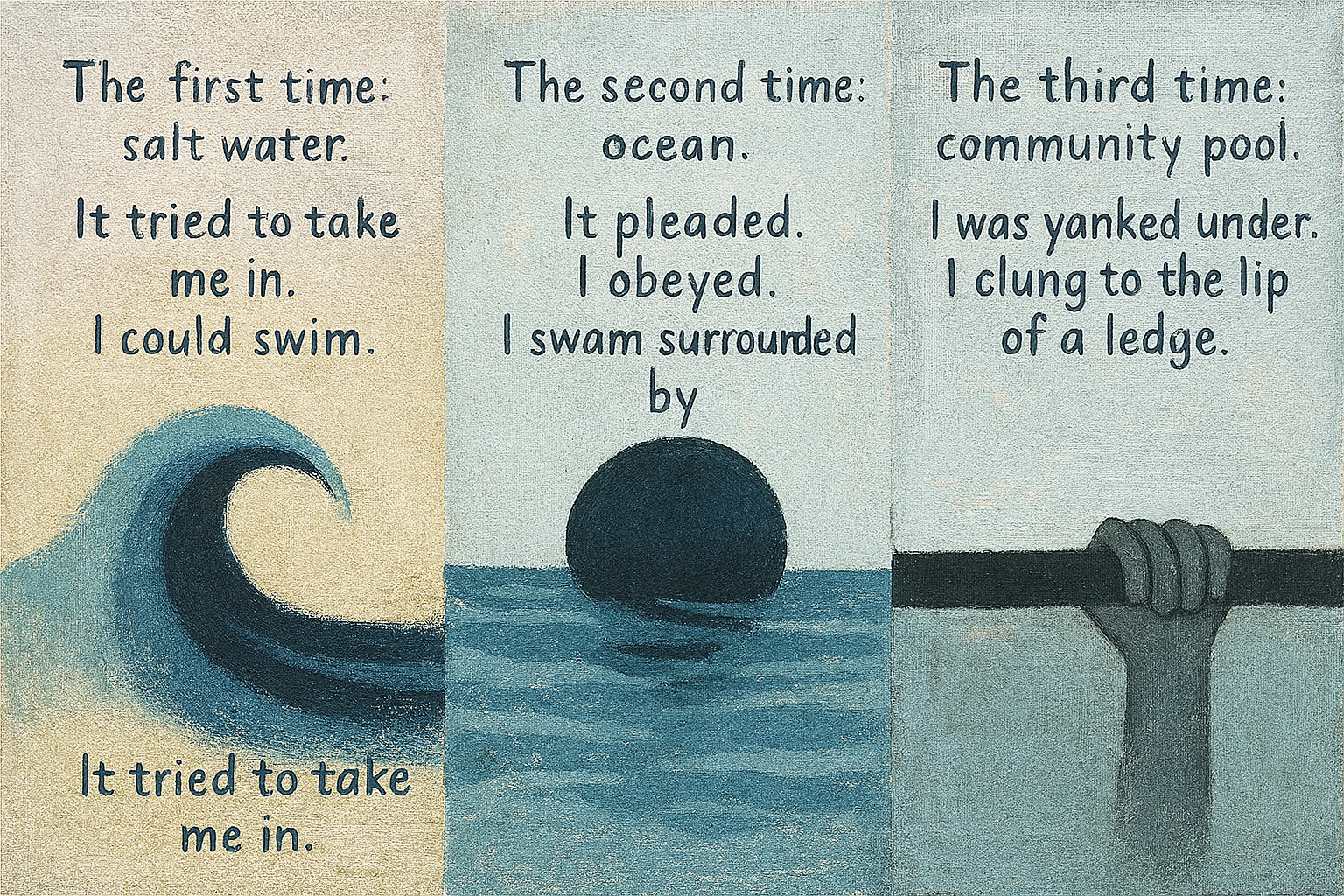
Swimming Lessons
Swimming Lessons emerged from a personal ritual of return—three encounters with water that marked my transformation from child to survivor. The poem is structured as a triptych: saltwater initiation, oceanic communion, and chlorinated reckoning. Each stanza ritualizes memory, surrender, and survival. I wanted to explore how water remembers us, how it becomes a witness to…
-

Sightlines
Sightlines” emerged from a moment of ritual clarity—when my aging eyes, no longer tasked with precision, began to see through blur into beauty. The poem honors the body’s quiet adaptations and the mind’s compensatory grace. It’s a minimalist elegy for vision, a philosophical gesture toward perception as ritual. I wanted to write something that doesn’t…
-
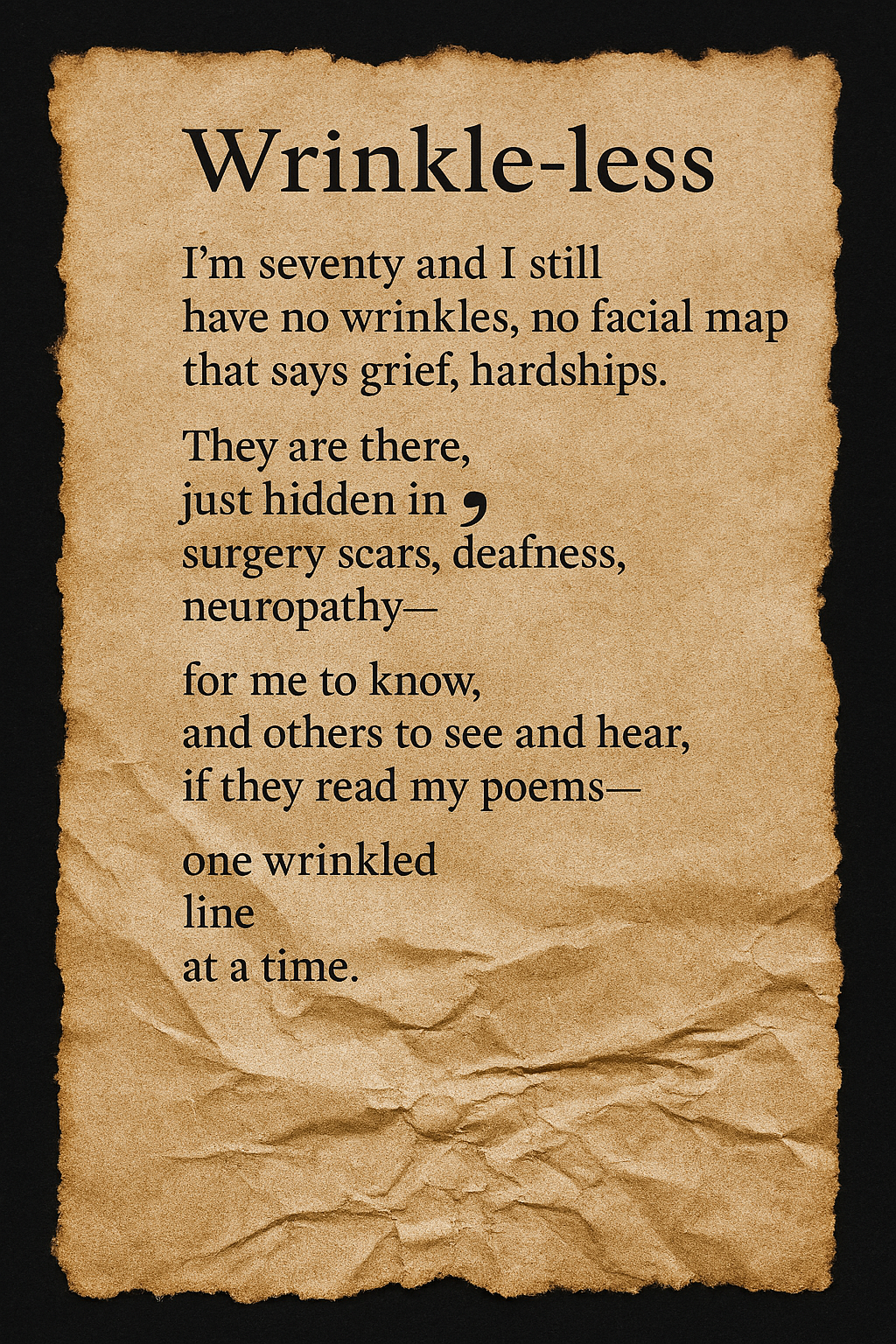
Wrinkle-less
Wrinkle-less emerged from a moment of reflection on how survival—through illness, loss, and aging—leaves marks that are not always visible. I wanted to resist the cultural shorthand that equates wrinkles with wisdom, virtue or experience, and instead offer a poem where absence becomes a site of consequence. The scars, deafness, and neuropathy I reference are…
-

The Patterns of Water
The Patterns of Water” emerged from a memory that felt both sacred and procedural—a maternal baptism not of faith, but of consequence. I wanted to honor the ritual of care without sentimentality, to trace the gesture of cleansing as a symbolic tether between vulnerability and becoming. The poem is built on repetition, foam, and the…
-
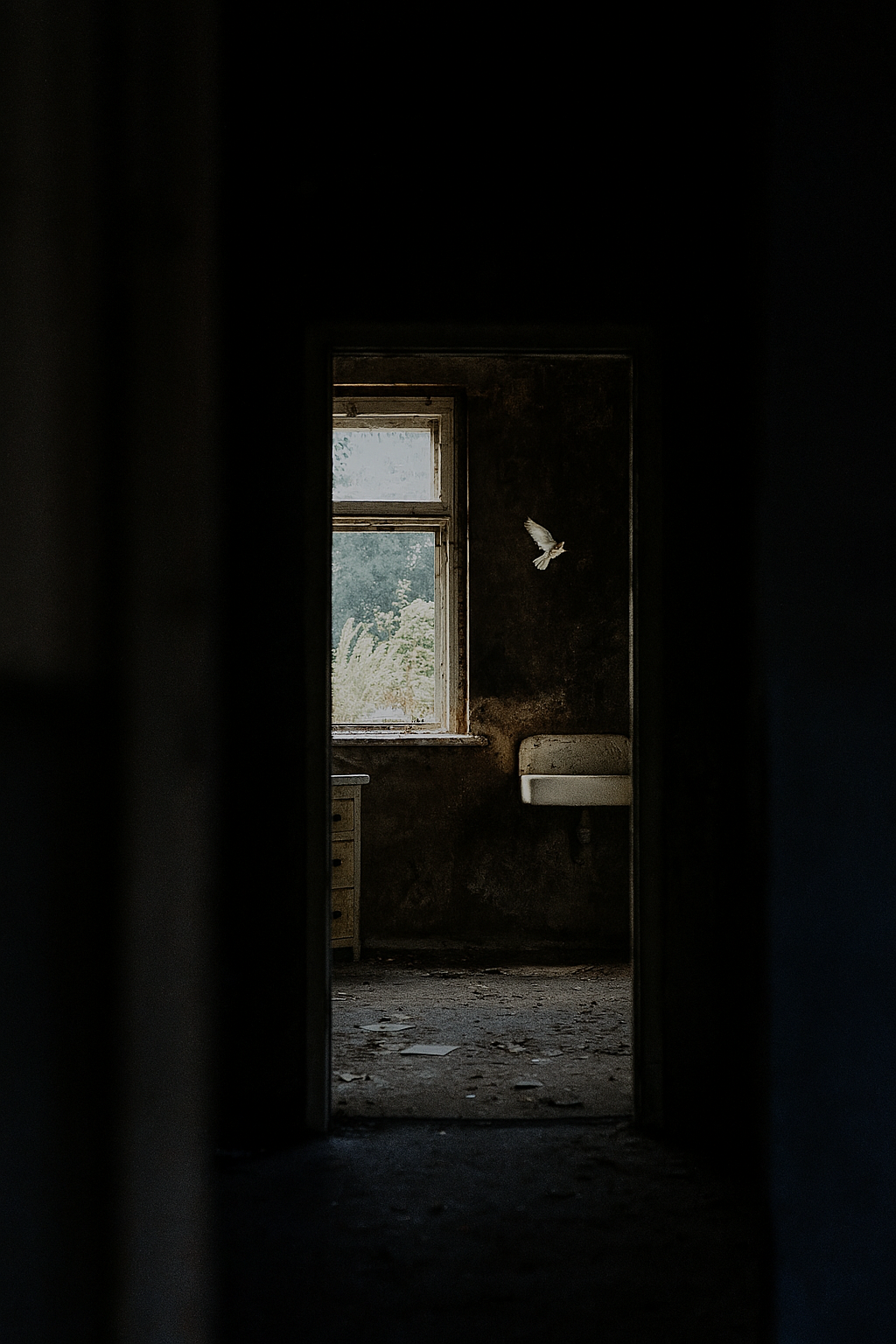
Ghosting
“Ghosting” emerged from the quiet aftermath of survival—after cancer, after loss, after the rituals that remain. It’s a poem about haunting not as horror, but as intimacy: the idea that love, memory, and consequence linger in objects, gestures, and the dog’s bark. I wrote it as a speculative elegy, imagining my own absence as a…
-
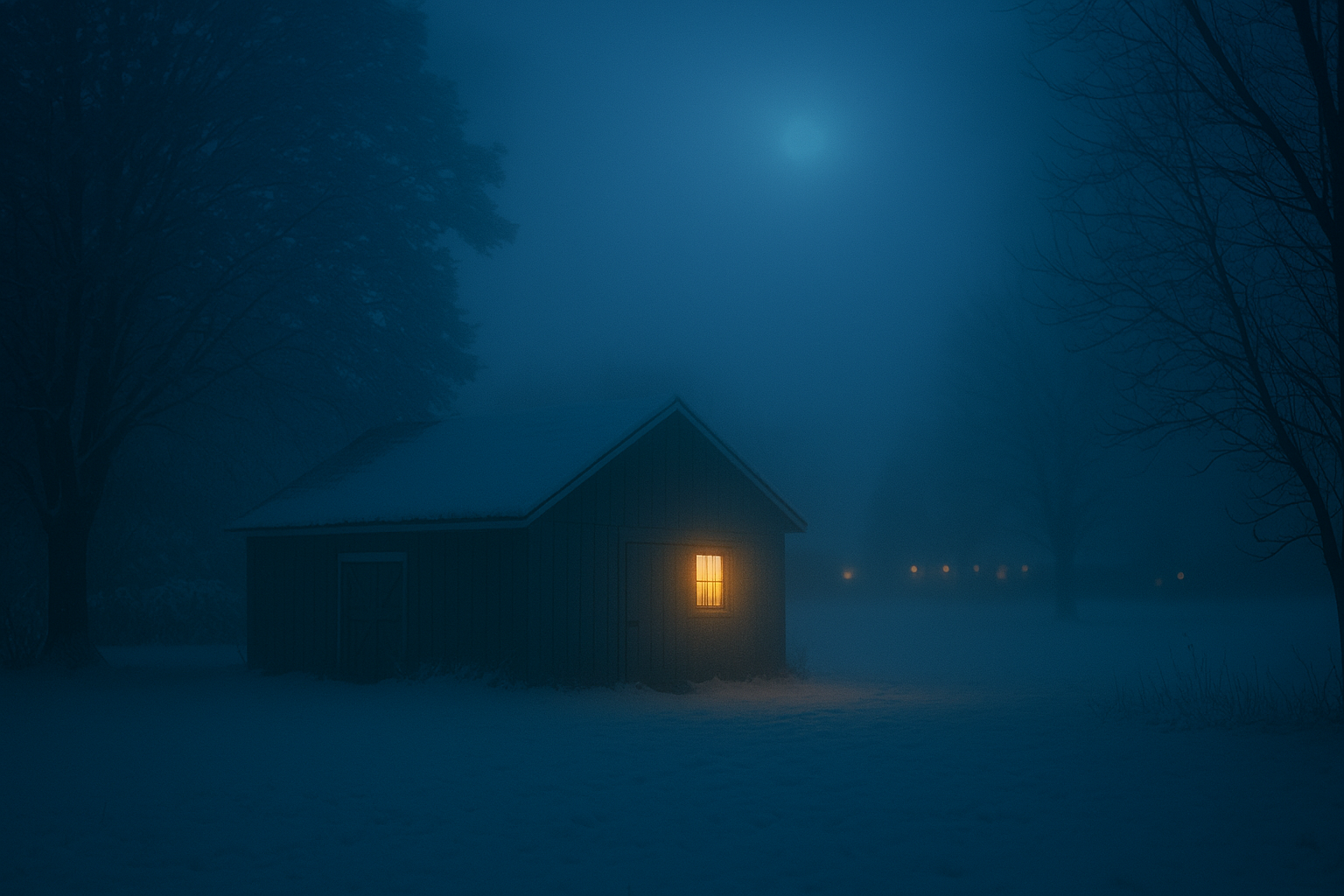
Getting Lost on Christmas
Getting Lost on Christmas began as a memory of disorientation—driving home after a midnight service, fog thick, the road winding like a question. I wanted to ritualize that moment not as a metaphor for despair, but as a spiritual pause: a place where grace arrives quietly, without asking your name. The poem echoes the nativity…
-
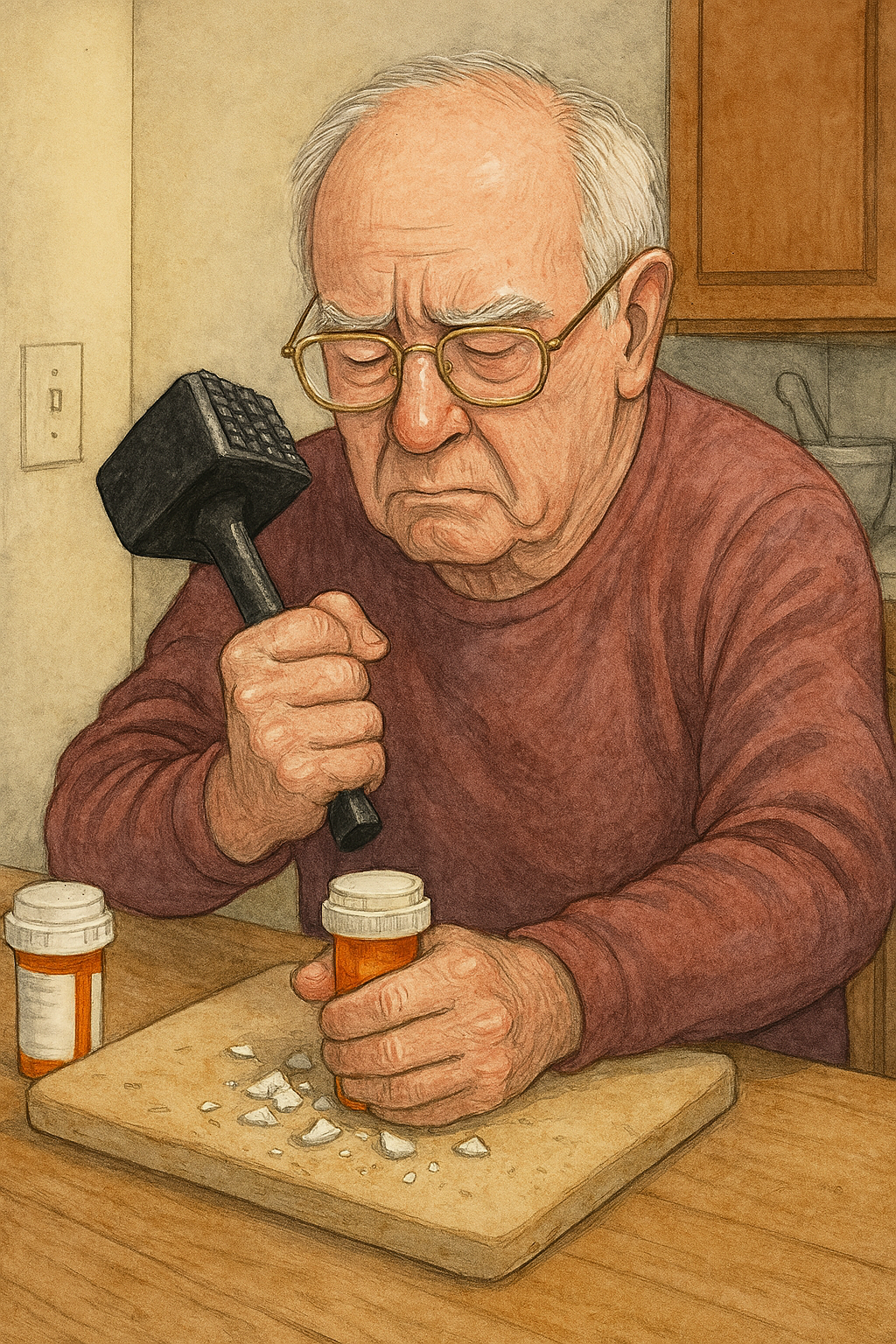
Opening Up
Opening Up emerged from a moment of absurd domestic frustration—an aging hand versus a childproof cap. What began as a minor inconvenience unraveled into a meditation on dependency, ritual, and the quiet humiliations of aging. The poem is both elegy and satire, honoring the intimacy of shared routines while resisting sentimentality. I wanted to capture…
-
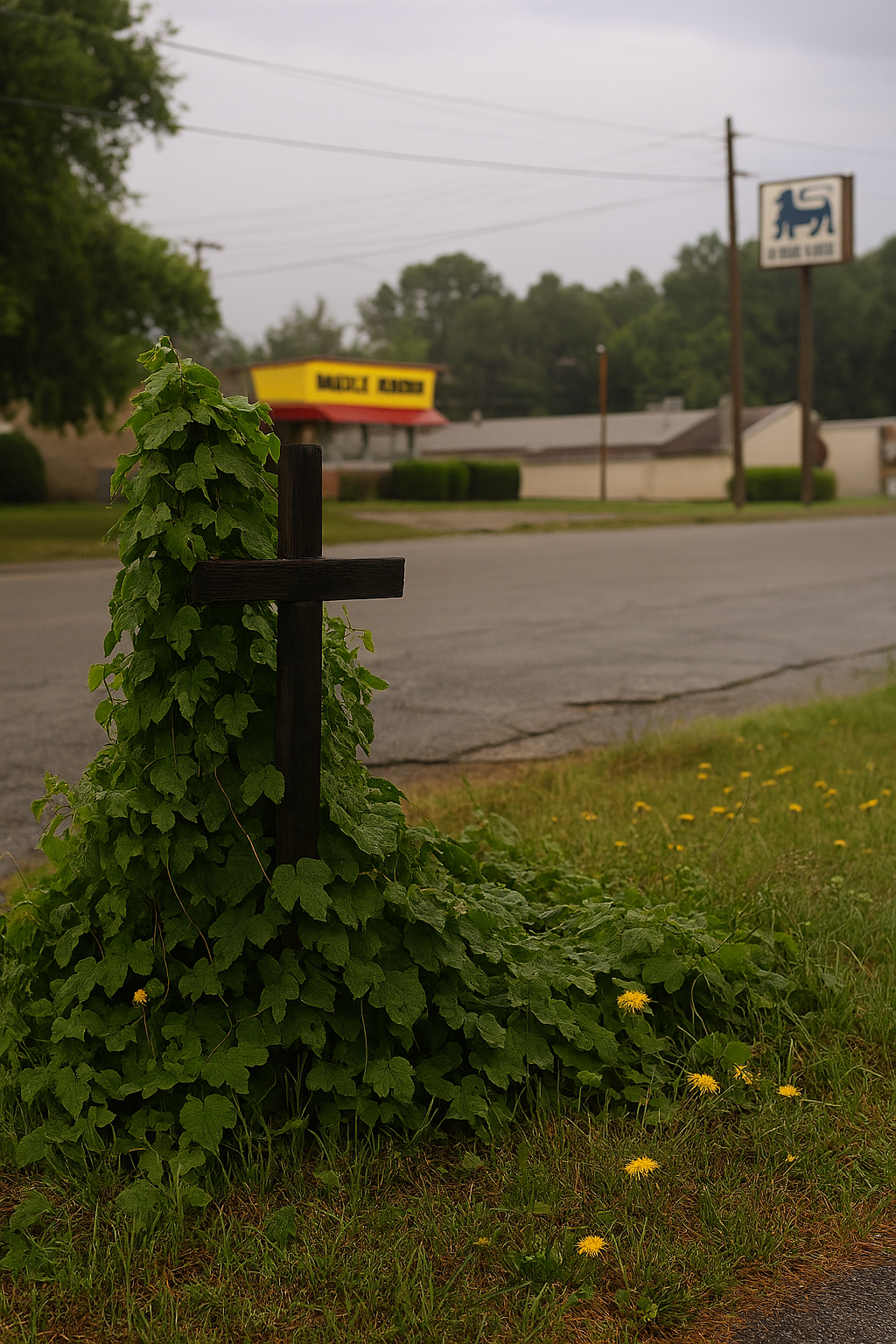
Roadside Cross
Roadside Cross began as a walk with my dog past a forgotten memorial near a Waffle House and Food Lion. What struck me wasn’t just the decay of the cross, but the quiet choreography of grief—how strangers, puddles, rap lyrics, and rain all participated in a ritual of exposure and forgetting. I wanted to write…
-

Blue Mercy
“Blue Mercy” began as a quiet observation—a fly, a door, a gesture. But beneath its domestic stillness, I found a philosophical hinge: mercy as both restraint and release. The poem is an allegory of consequence, where the blue swatter becomes a symbol of ethical tension—between intervention and surrender, between light and disappearance. My wife’s presence,…
-

In My Dreams
In My Dreams began with a letter—brief, bureaucratic, final. It marked the end of a five-year term of benefit payments from my ex-wife’s pension. That document, so stark in its language, carried more than financial closure. It was the formal end of any secular connection between us. I felt a wave of gratitude for her…
-

Aural Shelf
Aural Shelf emerged from my evolving relationship with reading as both ritual and mutation. As my eyesight weakened, I began experiencing books through audio, digital, and tactile formats simultaneously. This poem is a speculative elegy for the decay of traditional literary forms—and a celebration of their metamorphosis into hybrid experiences. It’s also a personal archive:…
-
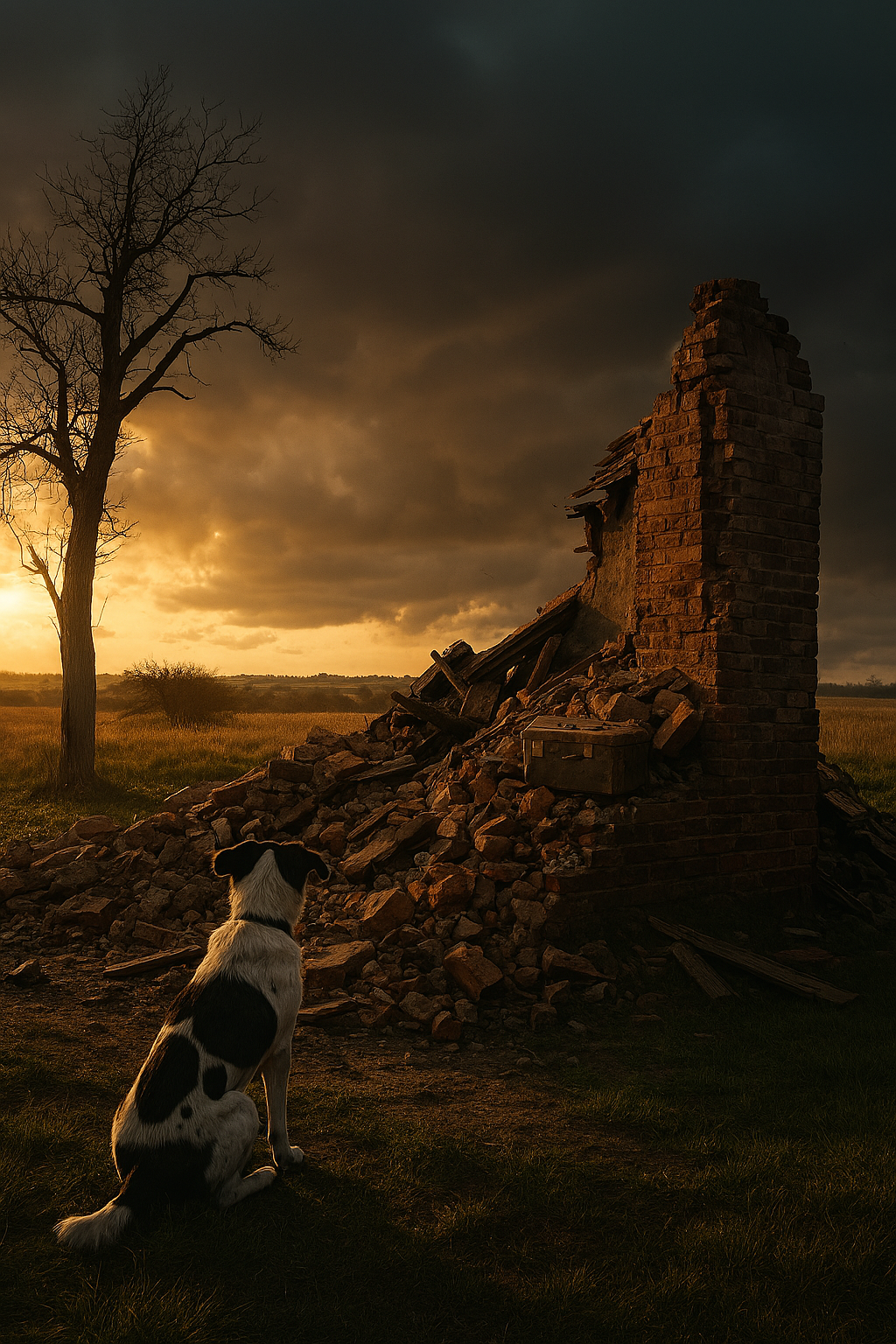
Manual for grieving a house blowing away…
Manual for Grieving a House Blowing Away…” emerged from a moment of quiet devastation—watching my home unravel not in fire or flood, but in the slow erosion of memory and ritual. I wrote it as a guide for what cannot be saved, and what must. The poem resists sentimentality and instead offers a liturgy of…
-
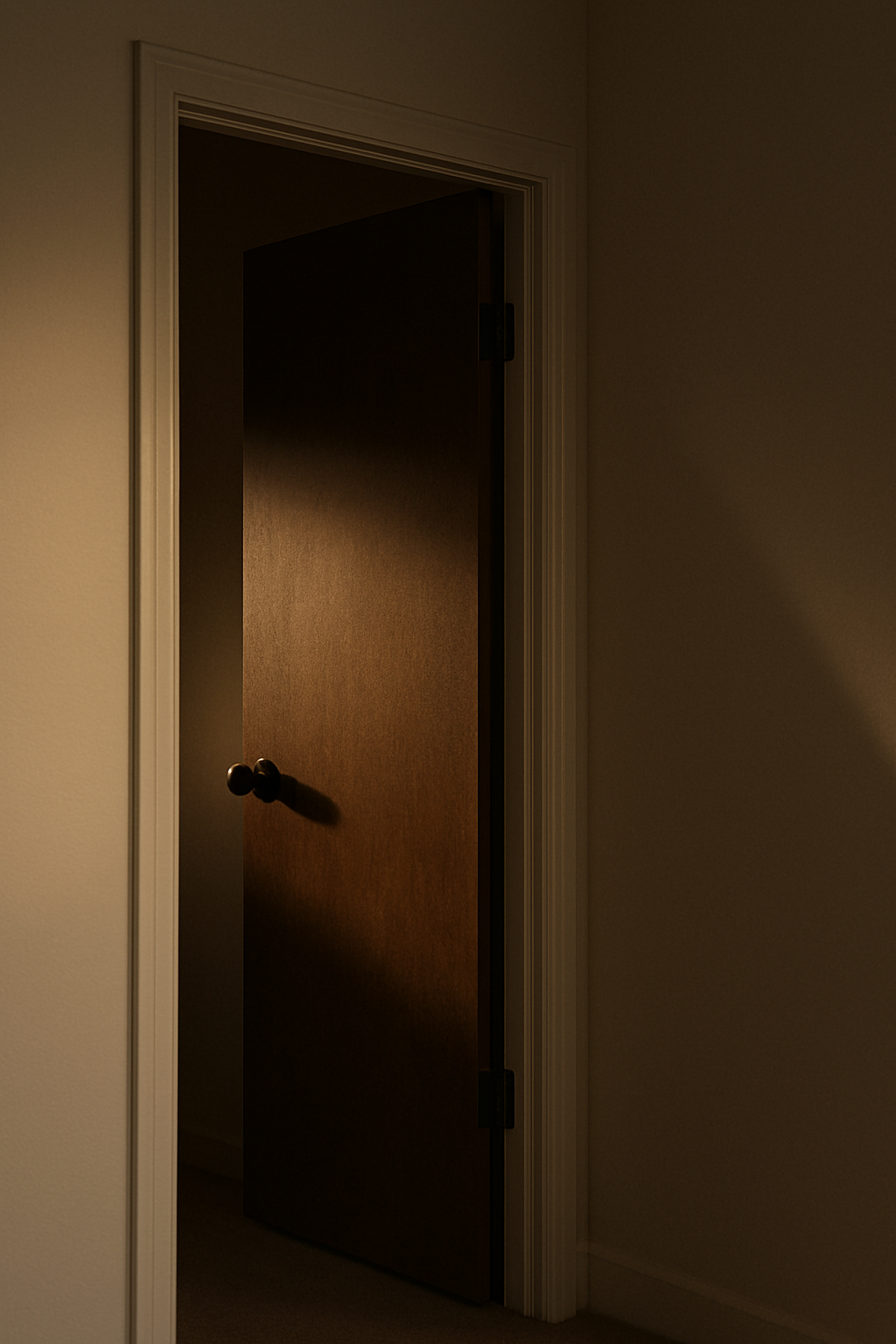
Soft Closure
Soft Closure” emerged from the quiet aftermath of loss—when grief no longer demands spectacle but settles into the architecture of daily life. The poem is built around a single domestic gesture: a door closing softly. It resists sentimentality and instead leans into restraint, letting silence and echo do the emotional work. I wanted to evoke…
-
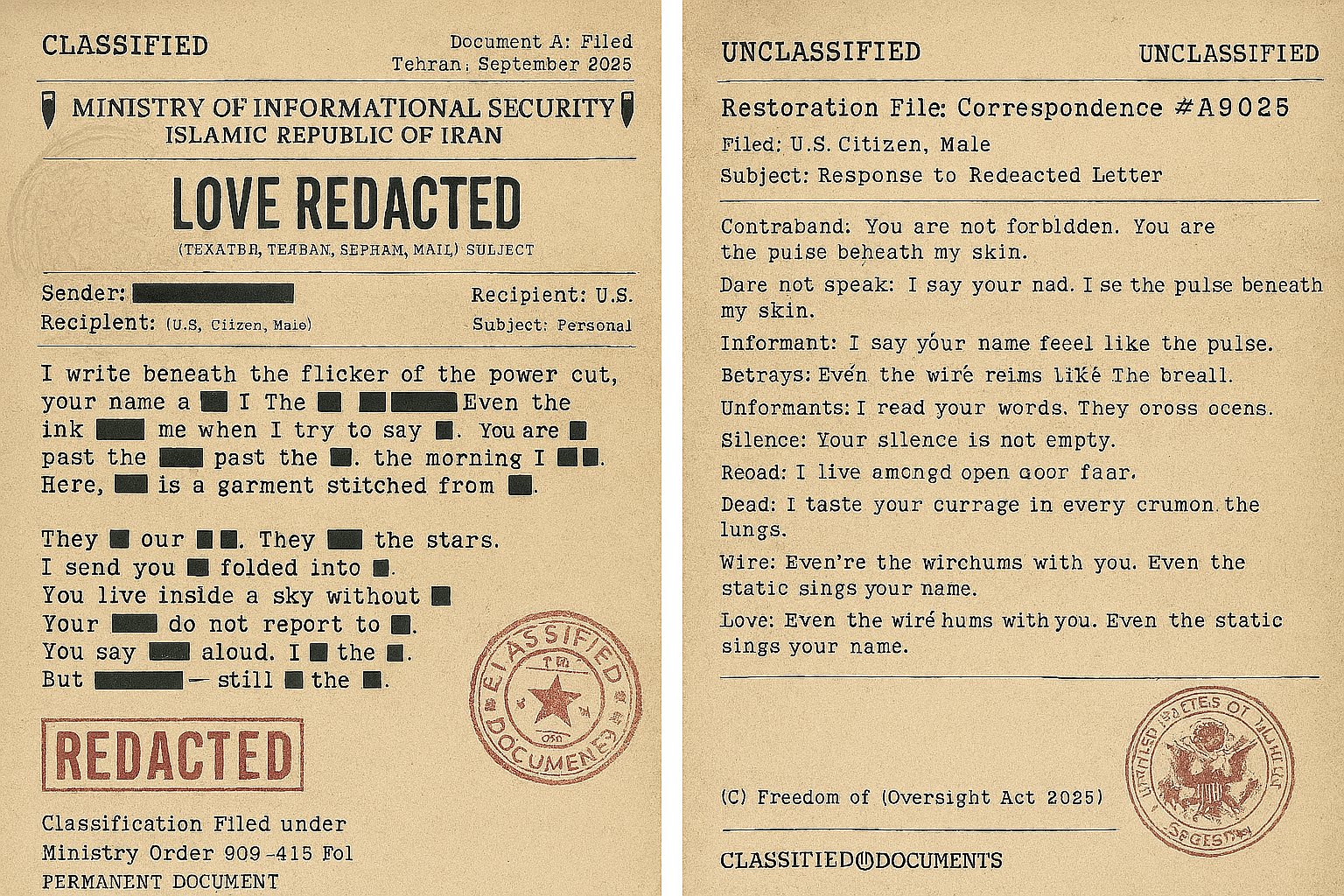
Love Redacted
Love Redacted is a visual and conceptual poem that explores how intimacy survives under censorship in a totalitarian regime. Through redacted language, classified documents, and restoration files, it reveals that the true emotional weight lies not in what is written, but in what is erased. The poem invites readers to decode longing through absence, transforming…
-
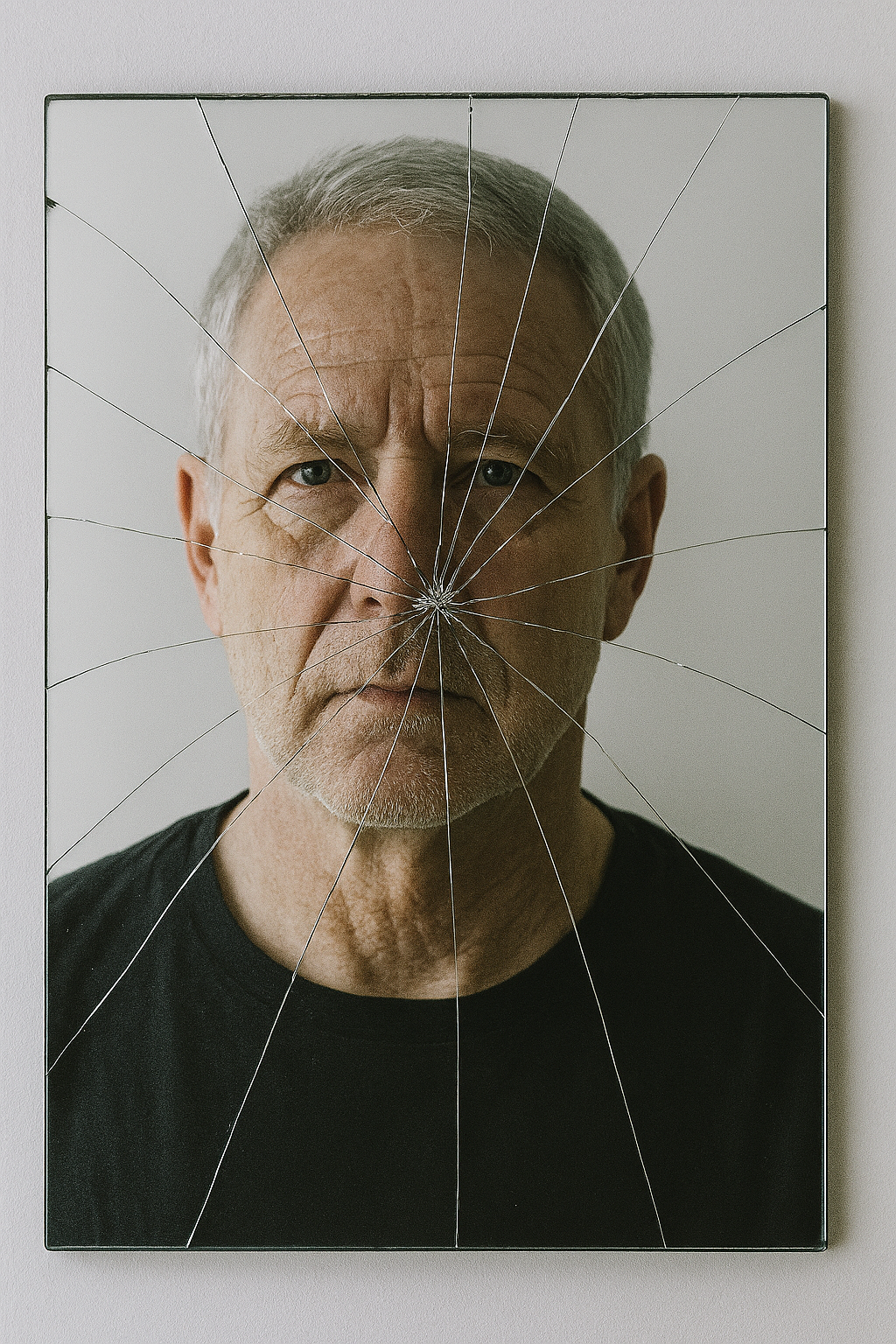
One Face Only
One Face Only began as a quiet refusal. I had just turned seventy and found myself staring into a mirror—not with nostalgia or regret, but with clarity. The poem resists the impulse to chase idealized versions of self. It’s about choosing one flawed reflection over a pile of broken possibilities. The cracked mirror became a…
-
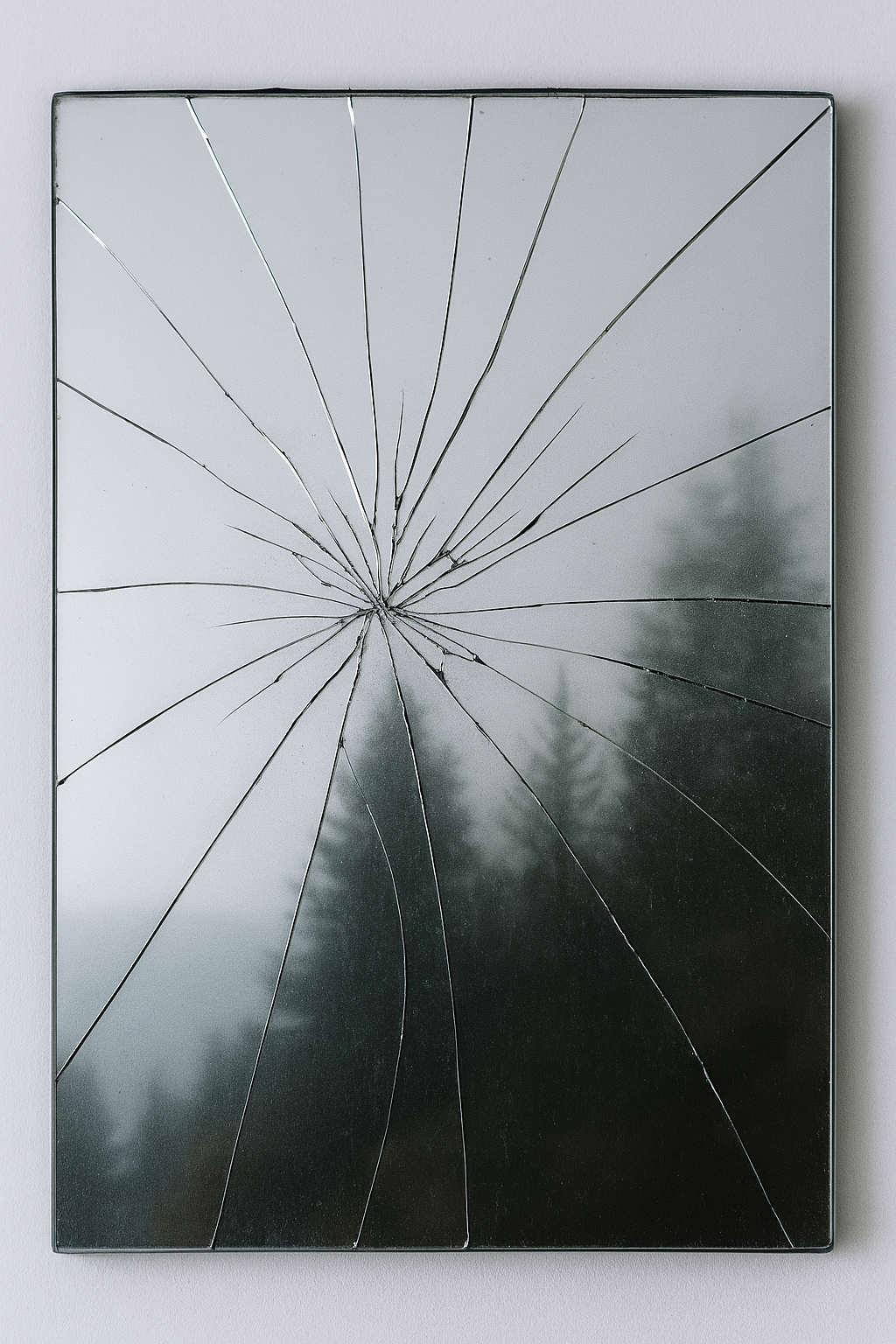
Leaving Vancouver
Leaving Vancouver emerged from a moment of sensory disorientation—salt, tar, and ocean air mingling with dread. I was struck by how travel, especially cruise travel, promises escape but often delivers confrontation. The poem explores the tension between ritual and unease, between what we hope to leave behind and what insists on following us. Russell’s suitcase…
-

A Proper Fold
A Proper Fold emerged from my ongoing exploration of ritual as both inheritance and resistance. I wanted to write a poem that honored the quiet violence of conformity—how grief, gender, and legacy get folded into gesture. The speaker is a 4-F child shaped by military precision and familial duty, yet excluded from the honors that…
-

Sunset Visit
“Sunset Visit” emerged during a twilight walk through a cemetery near my childhood home. I was struck not by grief, but by the contrast between the quiet of the dead and the noisy solitude each visitor carried—thoughts, regrets, memories. The poem began as a study in light and stone, but deepened into a meditation on…
-
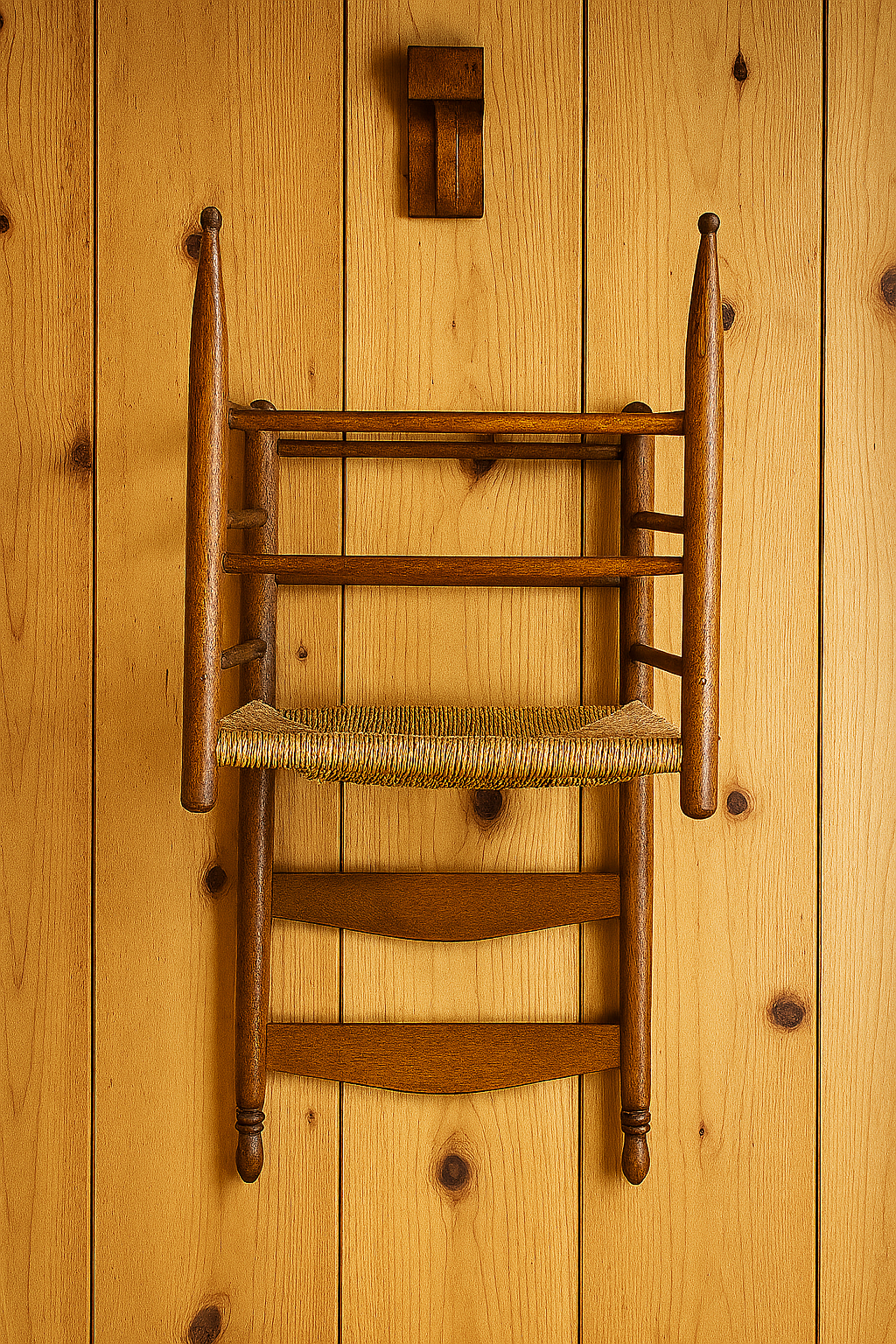
The Shaker Chair
“The Shaker Chair” began as a meditation on absence—how sacred objects lose their purpose when belief erodes. I was drawn to the Shaker chair as a symbol of readiness, reverence, and silence. The poem inverts that grace, replacing angelic possibility with corporeal desecration. It’s not a condemnation—it’s a witnessing. The man who occupies the chair…
-

The Long Walk: The Road That Devours Boys
From the highly anticipated adaptation of master storyteller Stephen King’s first-written novel, and Francis Lawrence, the visionary director of The Hunger Games franchise films (Catching Fire, Mockingjay – Pts. 1 & 2 , and The Ballad of Songbirds & Snakes), comes THE LONG WALK, an intense, chilling, and emotional thriller that challenges audiences to confront…
-
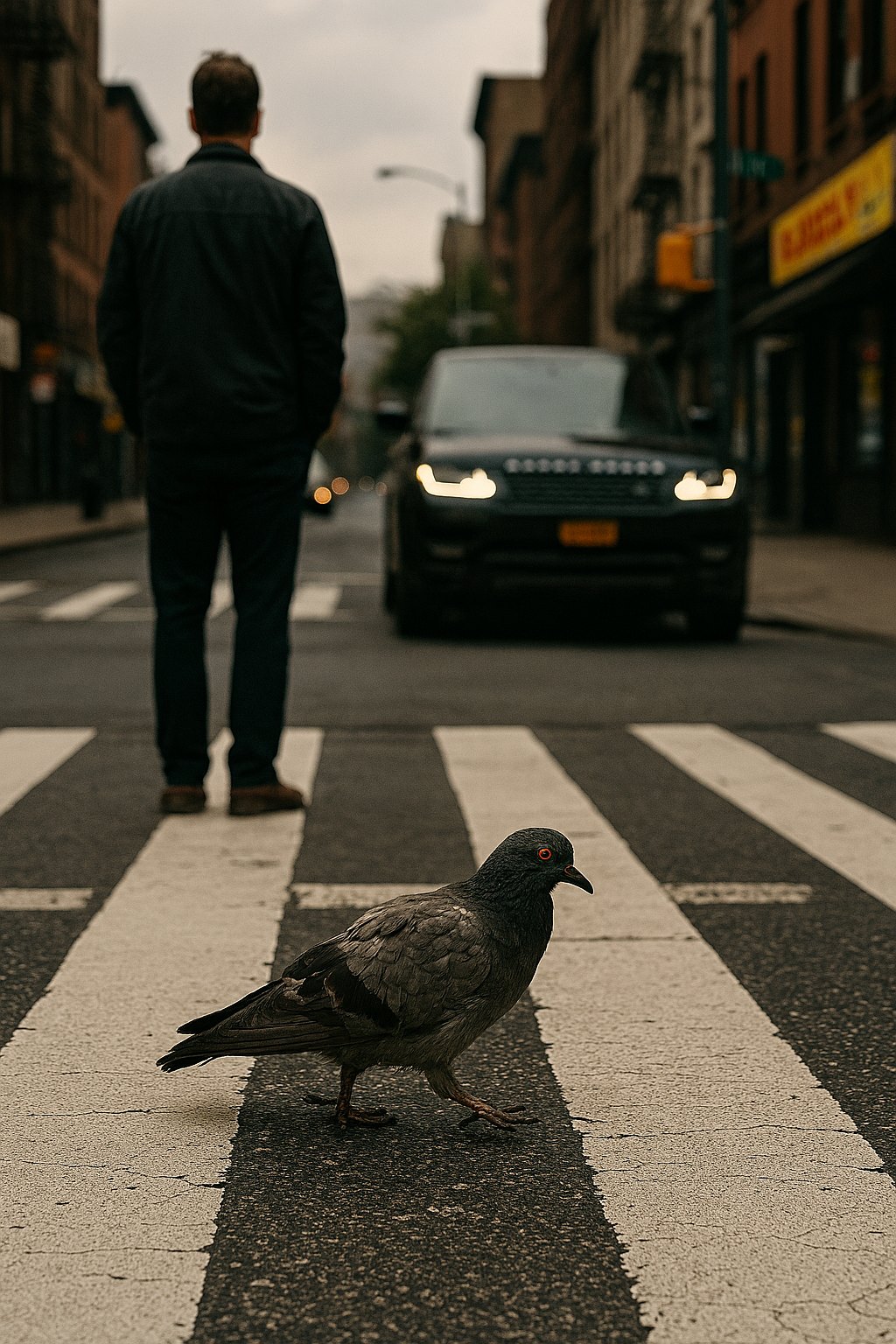
In My Natural Habitat
I wrote In My Natural Habitat after a moment of stillness at a crosswalk—watching a limping pigeon thread itself through traffic while someone behind me shouted to move. That tension between urgency and pause, between public gesture and private recognition, became the emotional seed of the poem. This piece explores how urban life shapes our…
-
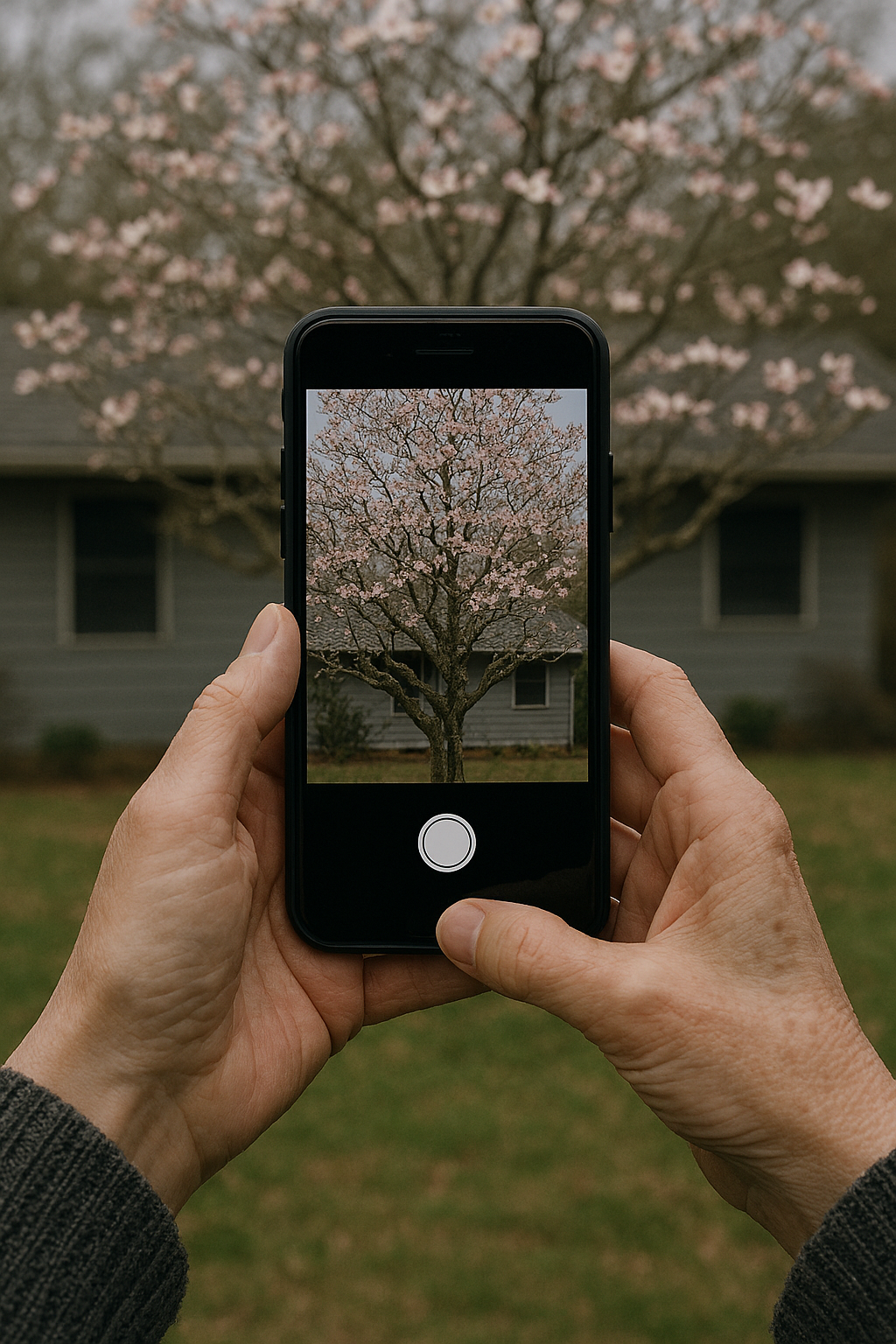
Photo Stop
This poem began as a meditation on gesture—specifically, the act of photographing something not to share, but to preserve a private emotional truth. I was thinking about how grief often manifests in small, unceremonious rituals: lifting a phone, deleting and retaking an image, placing it back in a purse chosen for protection rather than style.…
-
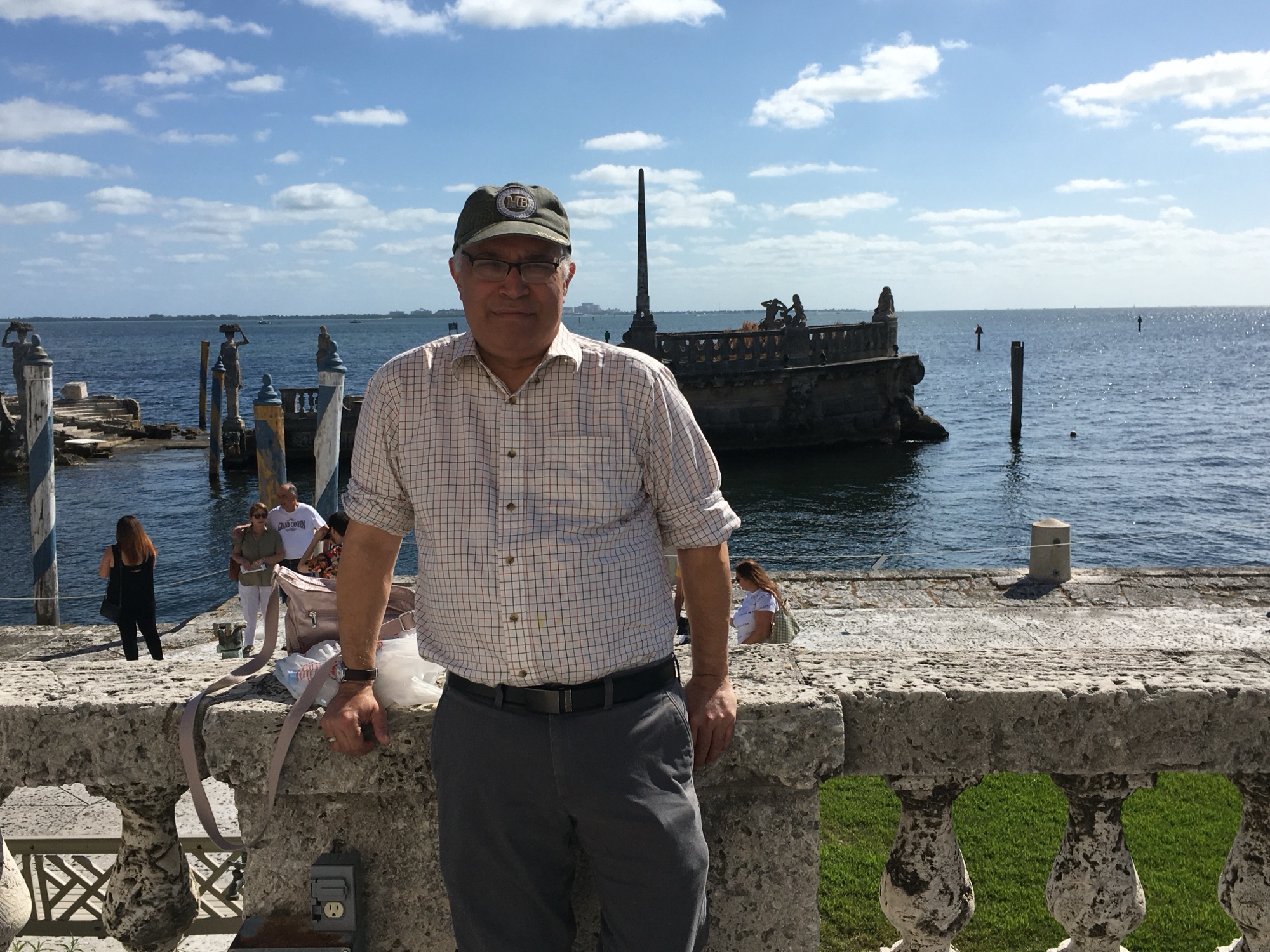
Posted on Literary Revelations Journal Blog: EXCELLENT WRITINGS BY JONATHAN MOYA
BIO JONATHAN MOYA lives in Chattanooga, Tennessee, where he balances a lifelong love of poetry and storytelling with deep cinematic exploration. His … EXCELLENT WRITINGS BY JONATHAN MOYA
-

My Google History
I search Google Sky and there is a night picture. Yellow dots top and bottom in fluttering butterfly waves: too many to count, small red and white dots: 20 per square inch, medium red and blue orbs: 10 per quadrant, red orbs with devil’s tail: 10 falling down red, purple, blue orbs with halos:…