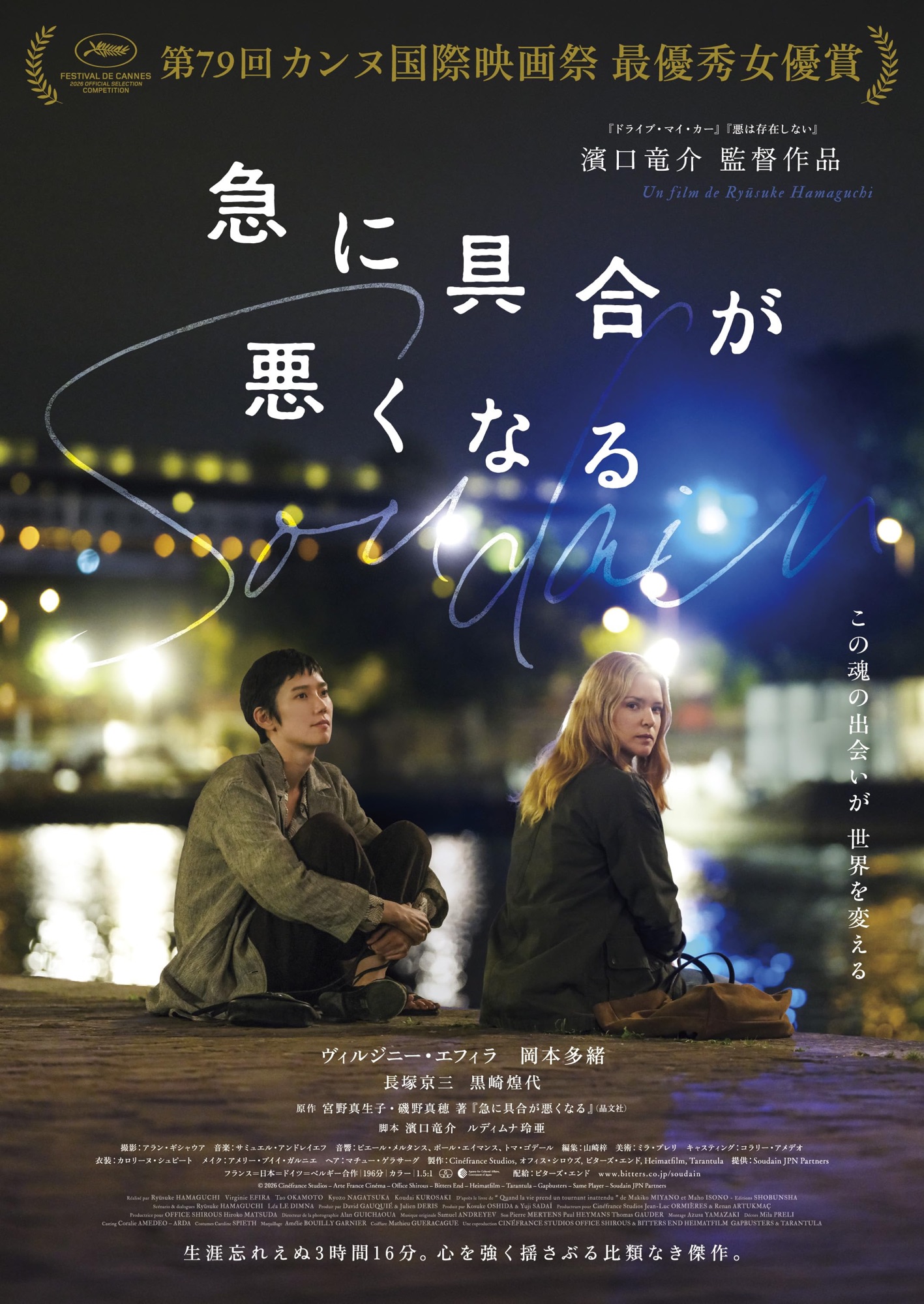


You cannot rush a Ryusuke Hamaguchi film. All of a Sudden asks for surrender rather than attention alone, inviting the viewer into a world where conversations drift, pauses gather meaning, and care becomes both a philosophy and a daily struggle. At three hours and sixteen minutes, the film often feels less concerned with narrative momentum than with the act of dwelling. That patience yields passages of uncommon beauty, even if the journey occasionally loses focus along the way.

What distinguishes *All of a Sudden* is its deeply felt belief that compassion deserves serious dramatic weight. Hamaguchi brings debates about elder care, mental health, labor, and human dignity to the heart of the film, treating the people affected with empathy rather than reducing their struggles to abstract talking points. Its most powerful scenes arise from the painful distance between ideals and lived reality. The Humanitude caregiving model offers hope, while the exhaustion of overworked staff reminds us how difficult compassionate care can be to sustain. Hamaguchi understands that even the best intentions come at a cost, and this tenderness toward that struggle gives the film its genuine dramatic force.

Tao Okamoto brings a gentle, luminous stillness to Mari Morisaki, a theater director whose quiet presence profoundly touches the lives around her. Rather than relying on grand emotional gestures, Okamoto portrays Mari with tenderness and care, drawing out her attentiveness, curiosity, and thoughtful inner life. Her conversations with Marie-Lou form the film’s emotional and intellectual heart. At times, discussions of capitalism and social structures linger beyond their dramatic purpose and risk feeling overly didactic, but Okamoto’s calm, compassionate gravity gives many of these exchanges a sense of life and humanity.

The film’s shortcomings are largely tied to its length. Hamaguchi returns to certain ideas so often that their impact gradually softens, and some scenes revisit points that have already come through clearly. Still, even when the storytelling feels repetitive, the film remains visually and emotionally welcoming. Alan Guichaoua’s cinematography brings warmth and grace to ordinary spaces. Gardens, hallways, windows, and fading daylight become quiet invitations to reflect. A gentle sense of impermanence lingers over nearly every frame.

Ultimately, *All of a Sudden* succeeds because its compassion and humanity outweigh its excesses. It tenderly portrays people doing their best to preserve dignity within institutions, bodies, and lives shaped by decline. Though sadness runs through the film, it never gives way to despair. Hamaguchi finds hope in small gestures, attentive companionship, and the delicate bonds that endure through suffering. The result is an overlong yet deeply moving work, leaving a quiet stillness that lingers long after the final scene.

Grade: B+.


Leave a Reply