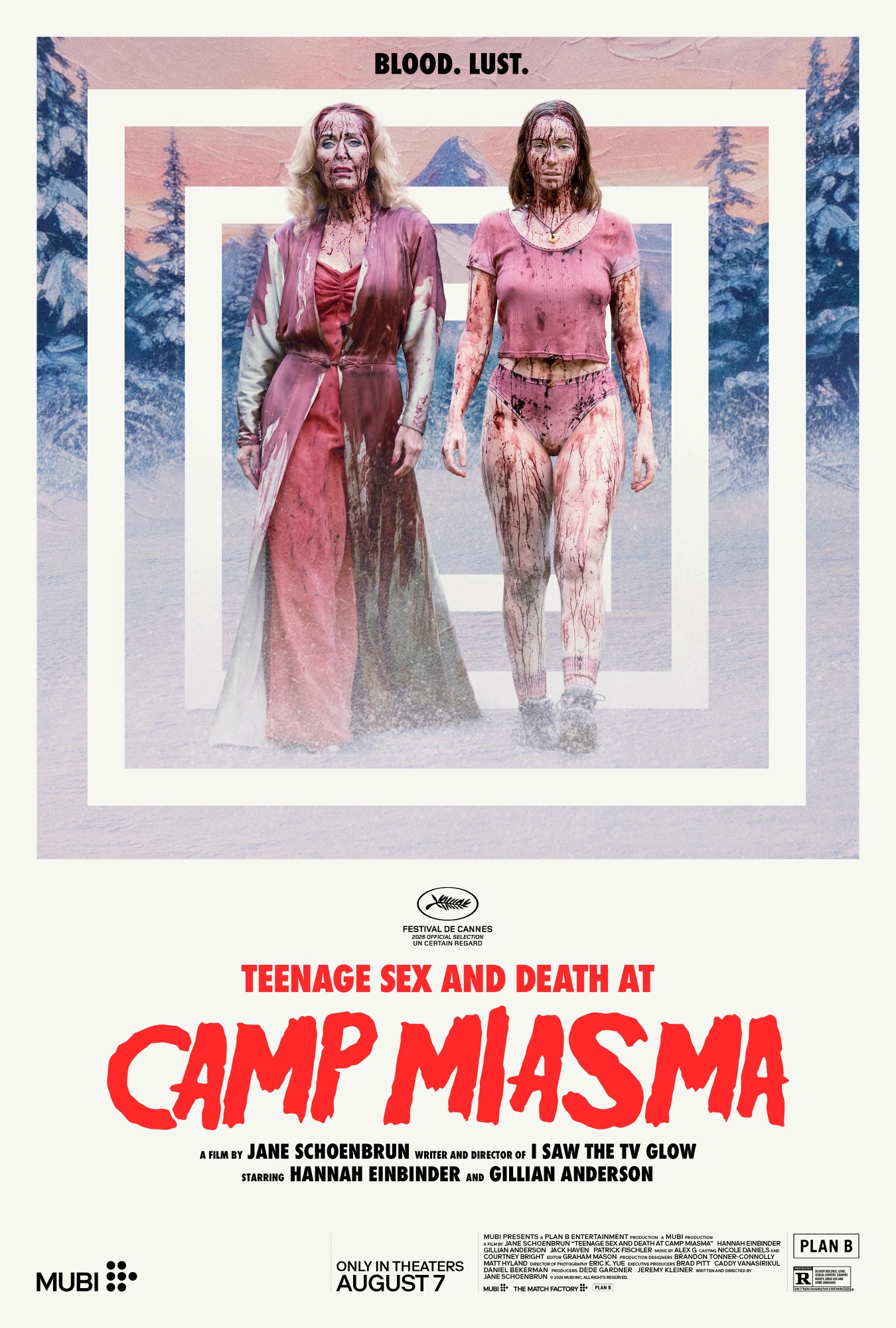


The new Jane Schoenbrun film arrives with a gentle smile and a shiver, a reboot that playfully explores its own mythology until it begins to respond in kind. Teenage Sex and Death at Camp Miasma doesn’t just revive a slasher franchise; it brings back those tender, private feelings that franchises have often buried deep within viewers over the years. The result is a film that delicately balances sincere exploration with a touch of mischievous provocation, a rhythm that becomes its heartbeat.

The opening segment, which introduces the fictional history of the Camp Miasma series, gently sets the tone: warm, affectionate, with a hint of gentle exasperation. Schoenbrun approaches the franchise’s past as both a cultural treasure and a personal legacy. The film’s comedic spirit arises from this dual perspective, as if the director is carefully exploring a box of old VHS tapes, uncovering moments of nostalgia alongside signs of aging. The critique subtly weaves through the comedy, preventing it from becoming harsh or uncaring.

Gillian Anderson’s Billy Presley enters the film as a living relic, a final girl who has turned her retreat into a deeply personal performance. Anderson portrays her with a vibrant, theatrical joy that brings a luminous energy to the story. Her scenes with Hannah Einbinder’s Kris are the film’s emotional core, and Schoenbrun thoughtfully uses their relationship to explore how queer desire, shame, and cinematic fantasy intertwine. The film’s humor enhances its emotional depth, with each joke about Kris’s academic fussiness subtly revealing a tender, complex core.

Kris’s deep fascination with the original Miasma films reflects her search for understanding herself through horror. Schoenbrunn explores this theme profoundly, revealing a delicate, complex interplay between viewer and text—a porousness that sometimes borders on surrender. The film’s critique of media self-awareness is subtly woven into its humorous tone, especially seen in Kris’s earnest commentary on shots, tropes, and transphobic beats. While the film gently teases her, it also shows empathy for her perspective. The analysis and humor are intertwined, each enriching the other in a compassionate exploration.

As the film transitions into its dreamlike middle section, the tone becomes more fluid and sensitive. Schoenbrun embraces artifice by staging the forest like painted backdrops, allowing the narrative to reveal a story within a story. This isn’t merely aesthetic experimentation; it reflects how horror worlds can become personal inner landscapes. The film’s slightly chaotic approach here is deliberate, even if it occasionally risks overshadowing its core ideas. Nevertheless, the comic exaggeration lends a buoyant touch, and the lyrical drift prevents it from slipping into mere parody.

The film’s exploration of sexuality is its most courageous aspect. Kris’s heartfelt admission about her struggles with enjoying sex and Billy’s sharing of her own trauma create a complex web of desire, fear, and vulnerability that the film delicately portrays without trying to simplify. Schoenbrun treats this subject with sincere, open honesty that keeps it from becoming bleak, yet the analysis remains insightful. The film suggests that horror has long been a safe space for expressing forbidden fantasies, even when those fantasies are difficult or troubling.

The final act, where Kris becomes the ultimate survivor of her own reboot, is both absurd and unexpectedly touching. The violence is exaggerated, with blood soaring high, yet the film’s critique of slasher logic becomes more profound. Kris’s surrender to Little Death shifts from defeat to self-awareness and empowerment. The film’s playful tone does not diminish the gravity of the idea; instead, it makes the serious message easier to embrace.

The resurrection scene that follows showcases Schoenbrun’s subtle mastery. Kris and Billy walk through the chaos with a gentle, almost indifferent demeanor, as if leaving a matinee. The film’s commentary on horror fandom takes on a deeper meaning: death is fleeting, desire cycles endlessly, and the franchise will inevitably rise again. The playful tone lightens the moment, while the underlying lyricism adds a sense of significance.

By the time the film concludes at the gas station, echoing lines from the original Miasma, the reboot has ingrained itself into the franchise’s history. Schoenbrun thoughtfully critiques the slasher tradition even as she participates in it, celebrates queer desire while honestly confronting its complexities, and employs comedy to keep the story from losing its footing amid its own ambitions. The film is messy, but that mess feels purposeful and even tender.

Teenage Sex and Death at Camp Miasma is a raw reflection of a fractured genre. It’s imperfect, energetic, and at times overly self-aware, but it also feels deeply alive in a way many reboots lack. Schoenbrun has crafted a film that gently laughs at its own mythology while respecting the profound and strange power such stories can hold.

Grade: B+.


Leave a Reply