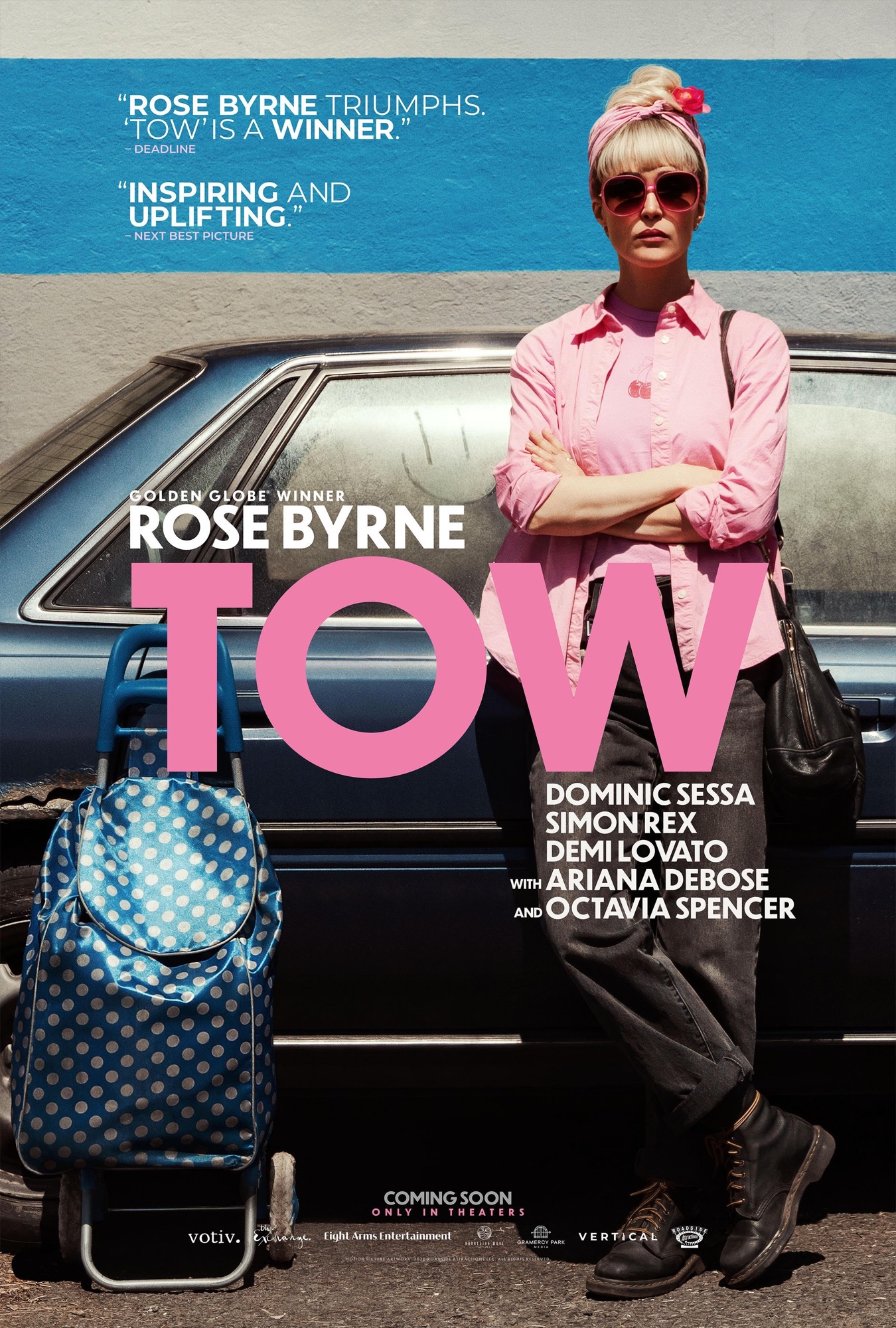


The truth about Tow is that Stephanie Laing creates a world where everything feels subtly askew, as if the pavement under Amanda Ogle’s feet has begun to pulse gently. Rose Byrne embraces this hum with a performance that portrays exhaustion as a kind of quiet resilience. The film’s poetic lyricism arises from this delicate tension: Amanda is pushed down, yet she continues to move forward, and her persistent effort becomes the heartbeat of the film.

Amanda’s car is more than just transportation; it’s her sanctuary, her archive, a stubborn testament to her continuity in a turbulent world. When it’s towed away, the movie chooses not to portray this loss as just a plot point. Instead, Laing gently critiques the bureaucratic system that exhausted and neglected those it was meant to serve. The enormous tow bill becomes a poignant symbol of civic indifference, yet the film maintains a hopeful, almost playful tone, as if Amanda’s resilience and refusal to surrender are quiet acts of rebellion against a cold, unfeeling system.

Byrne’s work here reveals a deeper compassion than her Oscar‑nominated role in If I Had Legs I’d Kick You. In that film, she faced a collapsing ceiling with resilience; in Tow, she confronts a collapsing system with quiet strength. The absurdity is less loud but more all-encompassing. Her nightly ritual of bungee‑cord security and portable night light becomes a tender gesture of stubborn hope, a quiet insistence that her life still holds shape even as the world threatens to break it apart.

Laing’s direction emphasizes compression, but it also reveals a deep empathy. Scenes swiftly move forward with sharp edits, reflecting Amanda’s strained emotional state. The film’s poetic quality emerges through its gentle focus on small details: the soft glow of a shelter hallway, the subtle hum of a tow yard, the unexpected tenderness of a pro bono lawyer who seems barely old enough to rent a car. These nuances weave together into a heartfelt portrait of resilience, both realistic and touched with a slight sense of wonder.

The supporting cast enriches the story with depth while gently highlighting Byrne’s central role. Octavia Spencer’s compassionate shelter manager offers a rough-around-the-edges warmth that touches the film’s heart in its middle section, and Demi Lovato’s musical resident brings uplifting moments that help the movie avoid becoming overwhelmed by procedural frustrations. Dominic Sessa’s enthusiastic lawyer serves as a contrast to Amanda’s tired practicality, and their relationship provides some of the film’s most genuine and touching emotional moments.

Laing’s critique of predatory towing practices is direct yet compassionate, never condescending. The film’s absurdist tone softens the heaviness of its commentary, highlighting the plight of those entangled in a bureaucratic maze. Amanda’s growing struggle with the tow company becomes a poignant journey, with each new fee or form representing an overwhelming obstacle. The absurdity underscores the cruelty of the system, making its injustice seem both frustrating and heartbreaking.

The film’s emotional core centers on Amanda’s strained bond with her child, portrayed with delicate restraint by Elsie Fisher. Their scenes gently eschew sentimentality, instead revealing a quiet truth about the barriers that poverty can impose. Byrne captures these moments with a subtlety that conveys both yearning and acceptance, adding a deeper, more compassionate layer beneath its absurdist exterior.

Laing’s resourcefulness as a director is most evident in the film’s final act, where Amanda’s struggle becomes a public display. The movie approaches a narrative of resilience against the system, but it refrains from portraying triumph as overwhelming. Instead, it celebrates a small but meaningful victory achieved through perseverance, reflecting genuine effort rather than false relief. The lyrical tone softens the edges, but the critique remains sincere and thoughtful.

Ultimately, Tow is a film about relentless motion: the motion of a woman who refuses to give up, the ongoing grind of a system that seems unchangeable, and a city that barely seems to notice either. Byrne delivers a performance that is both absurd and precise, casting a gentle light on Amanda’s struggle. While the movie doesn’t fully overcome its limitations, it transforms them into something quietly moving and poignant.

Letter Grade: B+. Hulu.


Leave a Reply