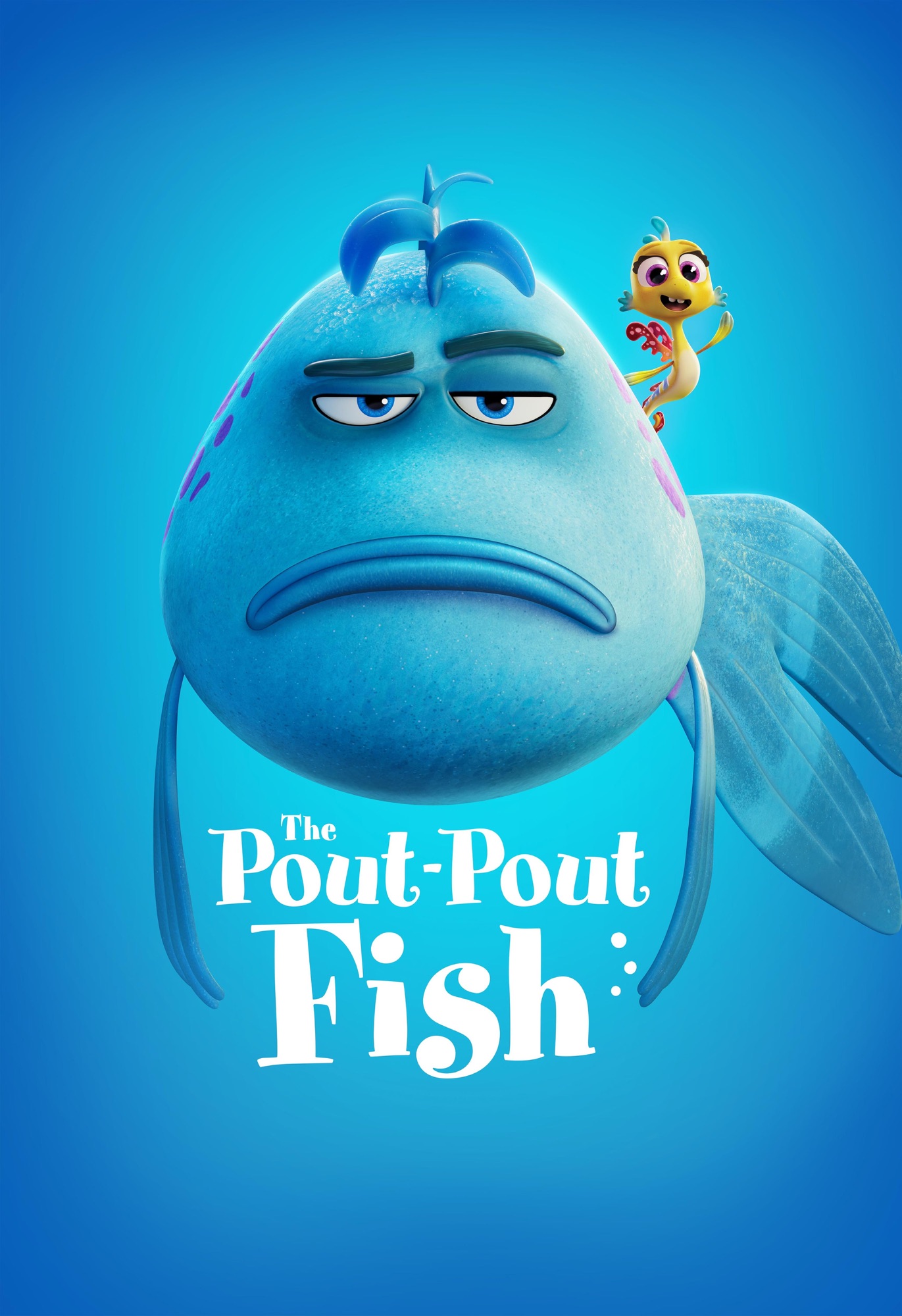


The Pout-Pout Fish arrives with a wobble and a grin, a film that keeps tripping over its own tail while still managing to charm. Richard Cusso steers the thing with a steady hand, even when the script keeps tossing new currents at him. Nick Offerman anchors the whole enterprise with a gruff, weary warmth that gives Mr. Fish a pulse beyond the book’s thin blueprint. The movie wants to be a buoyant adventure and a gentle emotional excavation at the same time, and the tension between those aims gives it a comic hum.

Screenwriters Elise Allen and Elie Choufany stretch Deborah Diesen’s 32-page lesson-book into a full oceanic quest, and the strain shows. The story keeps inflating itself, adding detours, creatures, and crises to justify its feature-length ambitions. Yet there’s a strange pleasure in watching the film try to outrun its own simplicity. The script keeps tossing jokes into the water, and enough of them float to keep the mood bright.

Mr. Fish’s reluctance to join the world becomes the film’s emotional spine, and Offerman plays it with a deadpan that never turns sour. His gloom has a rhythm, a comic beat that softens the character’s guarded edges. The movie doesn’t dig too deep into his past, but it gives him enough bruised history to justify the pout without drowning the tone in melodrama. The result is a character who sulks with purpose.

Pip, voiced with jittery delight by Nina Oyama, jolts the film awake whenever she darts into frame. Her energy becomes a counterweight to Mr. Fish’s inertia, and the dynamic between them gives the movie its best moments. Their journey isn’t just a tour of underwater attractions; it’s a slow negotiation between two creatures who need each other more than they admit. The film never says this outright, but the tension is there in every exchange.

Benji’s subplot adds a second current, and Remy Hii gives the cuttlefish a frantic urgency that keeps the stakes from feeling manufactured. His desperation to save his abyssal home gives the film a sharper edge, even when the kelp-cloud threat feels more whimsical than dire. The movie’s dual-quest structure sometimes drifts, but it also broadens the emotional palette, giving younger viewers more characters to latch onto.

Cusso and co-director Rio Harrington keep the world lively, even when the script gets tangled. Jellyfish Junction pulses with slapstick danger. Dolphin Cove becomes a neon trap run by Amy Sedaris’s trio of pink predators, each one a shrill burst of comic menace. The starfish spy network is a running gag that shouldn’t work but somehow does. These sequences give the film its comic buoyancy.

The animation isn’t prestige-level, but it’s colorful and fluid enough to sell the ocean’s shifting moods. The Reef glows with communal warmth, while the abyss has a murky beauty that never turns oppressive. The film’s visual language stays playful, even when the plot leans into crisis. It’s a world built for movement, and the movie rarely stops swimming.

Shimmer, voiced by Jordin Sparks, becomes the film’s pivot point, though the script never fully commits to her mystique. Her reveal—that she can’t grant wishes—lands with a thud and a shrug, but the movie recovers by shifting focus back to community effort. The kelp-clearing finale is noisy and overstuffed, but it delivers a message about collective action without turning preachy.

The film’s final stretch softens into something tender. Mr. Fish rebuilds, Pip finds a home for her endless siblings, and the Reef settles into a new equilibrium. The movie doesn’t force catharsis; it lets its characters drift toward it. Even the last gag—Mr. Fish’s home collapsing again—lands with a wink rather than a groan.

The Pout-Pout Fish isn’t a revelation, but it’s a gentle, funny, and occasionally touching expansion of a tiny book into a full ocean of story. It swims in borrowed waters, but it finds its own current often enough to stay afloat.

Letter Grade: B


Leave a Reply