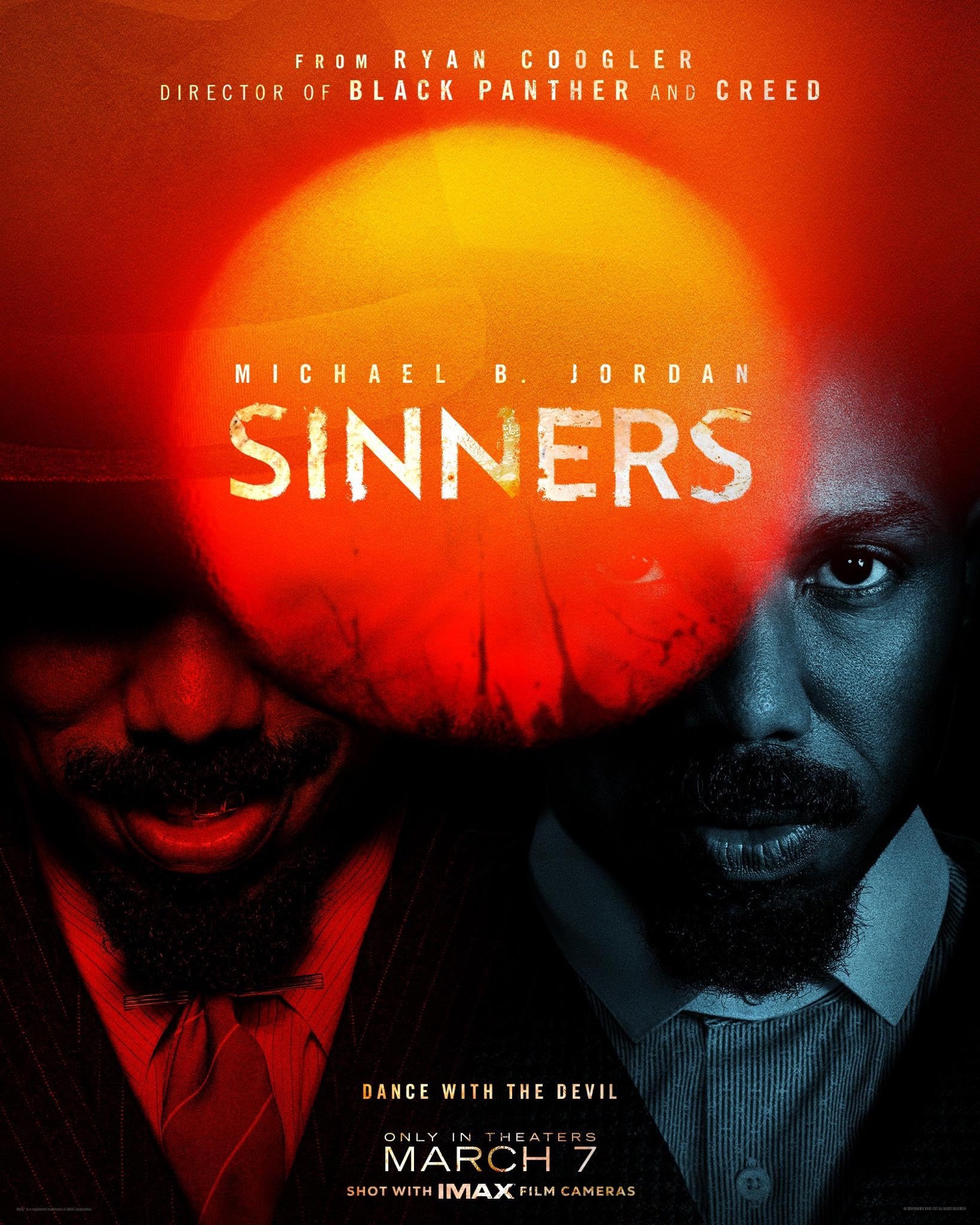


Ryan Coogler’s *Sinners* is more than just a film; it immerses the audience in a vibrant and atmospheric world where the Mississippi Delta resonates with the soulful echoes of blues music and the shadows of an insidious darkness. Set in 1932, the story follows twin brothers Smoke and Stack, both powerfully portrayed by Michael B. Jordan, as they return to their roots in Clarksdale, Mississippi, after spending years navigating the treacherous waters of bootlegging in Chicago.

Their goal is to revitalize an old, abandoned slaughterhouse, transforming it into a lively juke joint—a sanctuary where the raw energy of music, the warmth of whiskey, and the spirit of rebellion can thrive. As the brothers work to realize their dream, they are driven by nostalgia and the hope for a fresh start. However, their ambitions are soon eclipsed by a menacing supernatural threat: a coven of vampires led by the enigmatic and formidable Remmick, played by Jack O’Connell.

Remmick’s character is shrouded in mystery and danger, embodying both charm and terror as he tries to exert his influence over the town and disrupt the brothers’ plans. The film delves into themes of ambition, brotherhood, and the struggle against overwhelming darkness, all while immersing viewers in the rich cultural tapestry of the Delta, where the melodies of the past intertwine with the horrors of the present.

The film’s structure unfolds with the precision of a blues riff, beginning with a methodical pace and gradually escalating to a chaotic crescendo that embodies both turmoil and emotional release. The first act introduces us to the enigmatic Smokestack twins and their intricately woven world. Smoke, the stoic and introspective brother, embodies the weight of their shared past, his demeanor heavy with unspoken trauma and the burden of unfulfilled dreams. In contrast, Stack, the more charismatic and impulsive twin, skillfully masks his inner wounds behind a carefree smile, projecting an air of confidence that often belies his deeper vulnerabilities.

Jordan’s performance is nothing short of transformative, showcasing extraordinary depth as he navigates the nuances of both characters. Through subtle variations in posture, tone, and expression, he breathes life into each brother, making them feel distinctly real and relatable. One particularly poignant scene early in the film captures the essence of their bond: the twins engage in a seemingly simple act of passing a cigarette back and forth. This quiet exchange, laden with unspoken understanding, serves as a powerful testament to their connection, revealing layers of trust and intimacy that resonate far beyond the surface. This moment encapsulates the film’s exploration of the complexities of brotherhood and the unbreakable ties that bind us, even amidst personal chaos.

The supporting cast significantly enriches the narrative, adding complexity and emotional resonance layers. Miles Caton shines in a breakout role as Sammie, their cousin, delivering a performance oscillating between heartbreak and electrifying intensity. His rendition during the juke joint’s opening night is nothing short of a cinematic highlight; the scene unfolds as a transcendent moment where the raw power of his blues performance seems to awaken spirits from the past, enveloping the audience in a wave of nostalgia and yearning.

Wunmi Mosaku portrays Annie, Smoke’s enigmatic ex-lover, infusing her character with a mystical quality rooted in the folklore of Louisiana’s bayous. Her presence serves as a bridge between the tangible world and the ethereal, hinting at deeper connections to the region’s rich cultural tapestry. Meanwhile, Delroy Lindo’s captivating portrayal of Delta Slim delivers a poignant monologue that captures the very essence of the blues, passionately articulating its significance as both an art form and a reflection of the human soul. This moment resonates profoundly, leaving the audience in stunned silence, as they grapple with the depth of emotion and truth embedded in his words. Together, these performances create a vibrant tapestry that elevates the film from mere storytelling to a profound exploration of identity and heritage.

Coogler expertly crafts an atmosphere thick with tension and unease as horror elements gradually seep into the narrative. Rather than being portrayed as the grotesque monsters of traditional horror films, the vampires represent a more insidious threat. Their pale, unassuming appearances, which almost blend into the shadows, and their subtle, predatory movements elevate their menace to a psychological level, making them all the more chilling.

One particularly haunting scene unfolds as Remmick and his followers stealthily infiltrate the jukejoint, a vibrant hub of community life. The dim lighting casts an eerie glow, allowing their red eyes to glint ominously—a harbinger of the terror they bring. This moment serves as a lesson in suspense; the jovial atmosphere of the jukejoint is juxtaposed with the creeping dread of an impending attack, creating a sense of foreboding.

The climactic battle, set against the backdrop of the juke joint engulfed in flames, is not only a visceral spectacle but also laden with emotional depth. It transcends a mere struggle for survival and evolves into a poignant fight for the soul of the community itself. As the flames crackle and the air thickens with smoke, the characters are pushed to their limits, revealing their true resilience and the bonds that hold them together in the face of overwhelming darkness. This gripping confrontation encapsulates the stakes of their struggle, serving as a powerful reminder of what they stand to lose.

The film explores themes of cultural appropriation and systemic oppression with remarkable nuance, weaving them seamlessly into the narrative fabric. The vampires in the story represent a multifaceted threat; they consume not only the vital essence of blood but also the rich cultural identities and artistic expressions of marginalized communities, serving as a powerful metaphor for the exploitation of Black artistry throughout history.

Director Ryan Coogler’s incorporation of the blues as a narrative device and thematic cornerstone adds significant depth to the film. The haunting melodies and profound lyrics reflect the enduring spirit of resilience and resistance within the Black community, symbolizing a struggle against erasure and oppression. Through this musical lens, the film poignantly illustrates how art can serve as a means of survival and a powerful tool for reclaiming identity in the face of adversity. The interplay between the haunting presence of the vampires and the evocative sound of the blues underscores the urgency of this cultural conversation, inviting viewers to reflect on the ongoing challenges these communities face.

The film is an incredible visual experience, with cinematography that conveys the intense heat and humidity of the Delta region. The camera work highlights the golden hues of the sun-drenched fields, where tall grasses sway in the wind, creating a sense of serenity and longing. In contrast, the shadowy interiors of the juke joint are captured with a moody elegance, evoking the warm camaraderie and vibrant energy that spills out from the stage where musicians pour their souls into each performance. The soundtrack, rich with blues rhythms and soulful melodies, is not just an accompaniment; it serves as a vital thread that weaves through the narrative, pulsing like a heartbeat and deepening the emotional resonance of each scene. Together, these elements create a powerful tapestry that draws viewers into the world of the film, allowing them to feel the weight of the heat and the thrill of the music.

Sinners is a film that resonates. Ryan Coogler’s precision directed it, and Michael B. Jordan’s compelling performance brought it to life. The film artfully explores the intricate connections between legacy, cultural identity, and the struggle for survival.

While it may initially appear to be a conventional vampire movie, Sinners transcends genre boundaries. It serves as a heartfelt ode to the blues, reflecting the pain and triumph of the marginalized. Through its rich storytelling and evocative visuals, the film mourns the plight of the exploited while celebrating the human spirit’s incredible resilience. This fusion of horror and heritage creates a powerful narrative that resonates on multiple levels, leaving viewers not just entertained but profoundly moved.

**Grade: A-**


Leave a Reply