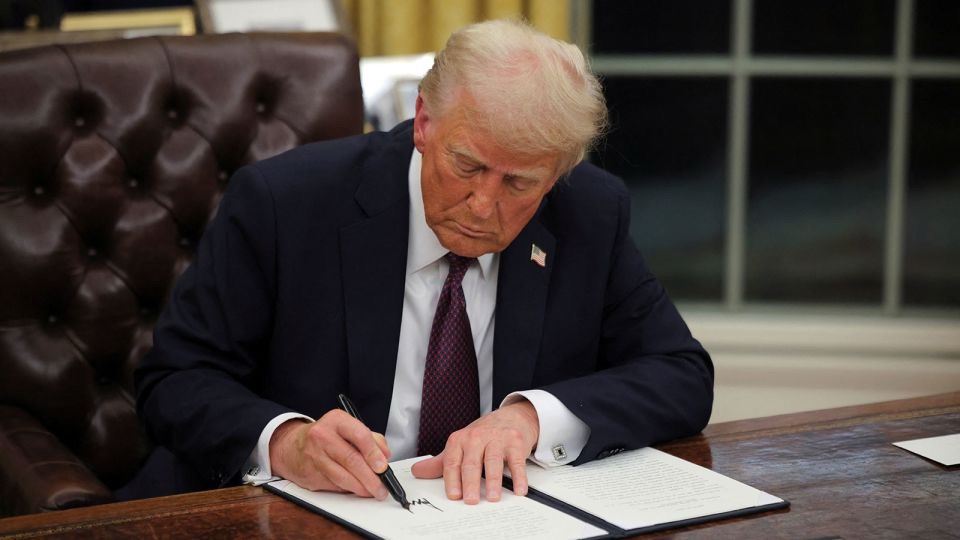

The recent decision by President Donald Trump to pardon over 1,500 individuals involved in the January 6, 2021, Capitol insurrection has sparked significant controversy and concern. This sweeping act of clemency, executed on his first day back in office, stands in stark contrast to the preemptive pardons issued by former President Joe Biden to his family and members of the January 6 committee.
While Biden’s pardons were aimed at protecting individuals from potential politically motivated retribution, Trump’s pardons appear to be a step toward autocracy, potentially enhancing political violence and granting exemptions for illegal actions.
Biden’s pardons were preemptive measures designed to shield individuals from anticipated political persecution under Trump’s administration. These pardons included figures such as Dr. Anthony Fauci, retired General Mark Milley, and members of the January 6 committee. Biden’s rationale was to protect these public servants from unjustified and politically motivated prosecutions, emphasizing their service and commitment to the nation.
In contrast, Trump’s pardons were granted to individuals who had already been convicted or charged with crimes related to the January 6 insurrection. These individuals were involved in violent acts against law enforcement, vandalism, and attempts to disrupt the certification of the 2020 presidential election. By referring to these insurrectionists as “patriots” and “hostages,” Trump sought to rewrite the narrative of the Capitol attack, casting the perpetrators as victims of an unjust system.
Trump’s mass pardons represent a troubling step toward autocracy. By absolving individuals who engaged in violent and illegal actions, Trump undermines the rule of law and sets a dangerous precedent. This move signals to his supporters that loyalty to him can override legal consequences, eroding the foundations of democratic accountability.
The pardons are likely to embolden extremist supporters of Trump, potentially leading to an increase in political violence. By framing the insurrectionists as heroes, Trump legitimizes their actions and encourages further acts of defiance against democratic institutions. This could result in a more polarized and volatile political climate, with extremist groups feeling empowered to act without fear of repercussions.
Granting pardons to those involved in the January 6 insurrection effectively provides them with an exemption for their illegal actions. This undermines the efforts of law enforcement and the judicial system to hold individuals accountable for their crimes. It sends a message that political allegiance can shield one from the consequences of unlawful behavior, further eroding trust in the justice system.
The Republican response to Trump’s pardons has been mixed, with some members expressing support and others voicing concern. However, the lack of a unified and forceful condemnation from the party makes them complicit in Trump’s actions. By failing to hold Trump accountable, Republicans risk normalizing the erosion of democratic norms and principles.
In the short term, Trump’s pardons threaten to deepen political divisions and undermine the rule of law. The immediate impact is a sense of injustice and betrayal among those who believe in accountability and democratic principles. In the long term, this move could weaken the foundations of American democracy, making it more susceptible to autocratic tendencies and political violence.
The pardons also raise questions about the future of presidential clemency. If used as a tool for political gain rather than justice, the pardon power could become a means of undermining the very principles it was designed to uphold. This could lead to a loss of faith in democratic institutions and a decline in the rule of law.
Trump’s decision to pardon the January 6 insurrectionists marks a dangerous shift toward autocracy, with far-reaching implications for American democracy. By comparing these pardons to Biden’s preemptive clemency, it becomes clear that Trump’s actions are aimed at consolidating power and undermining democratic accountability. The potential for increased political violence, the exemption of illegal actions, and the complicity of the Republican Party all contribute to a troubling future for American democracy. It is imperative that democratic institutions and principles are upheld to prevent further erosion of the rule of law and to protect the integrity of the nation.


Leave a Reply