Tag: poetry submission
-

Reverse Erasure
Reverse Erasure began as a mirror to my earlier poem Erasure. I wanted to see what happens when destruction runs backward — when the horror of disappearance becomes a slow reclamation of form. The poem’s reverse sequence borrows from Gaspar Noé’s Irreversible, but replaces cinematic violence with the mechanical violence of graphite, paper, and dust.…
-

Ferry
I wrote Ferry after watching a river crossing where sound and weight seemed to trade places. The poem explores how movement and release—mechanical, not emotional—can become a form of grace.
-

The Book
wrote The Book after finding my mother’s old paperback on my nightstand—a relic of her insistence that language could save us from silence. The poem began as a study of inheritance: how reading becomes a form of haunting. Each line traces the movement of a child carrying a book through rooms, echoing a mother’s voice…
-
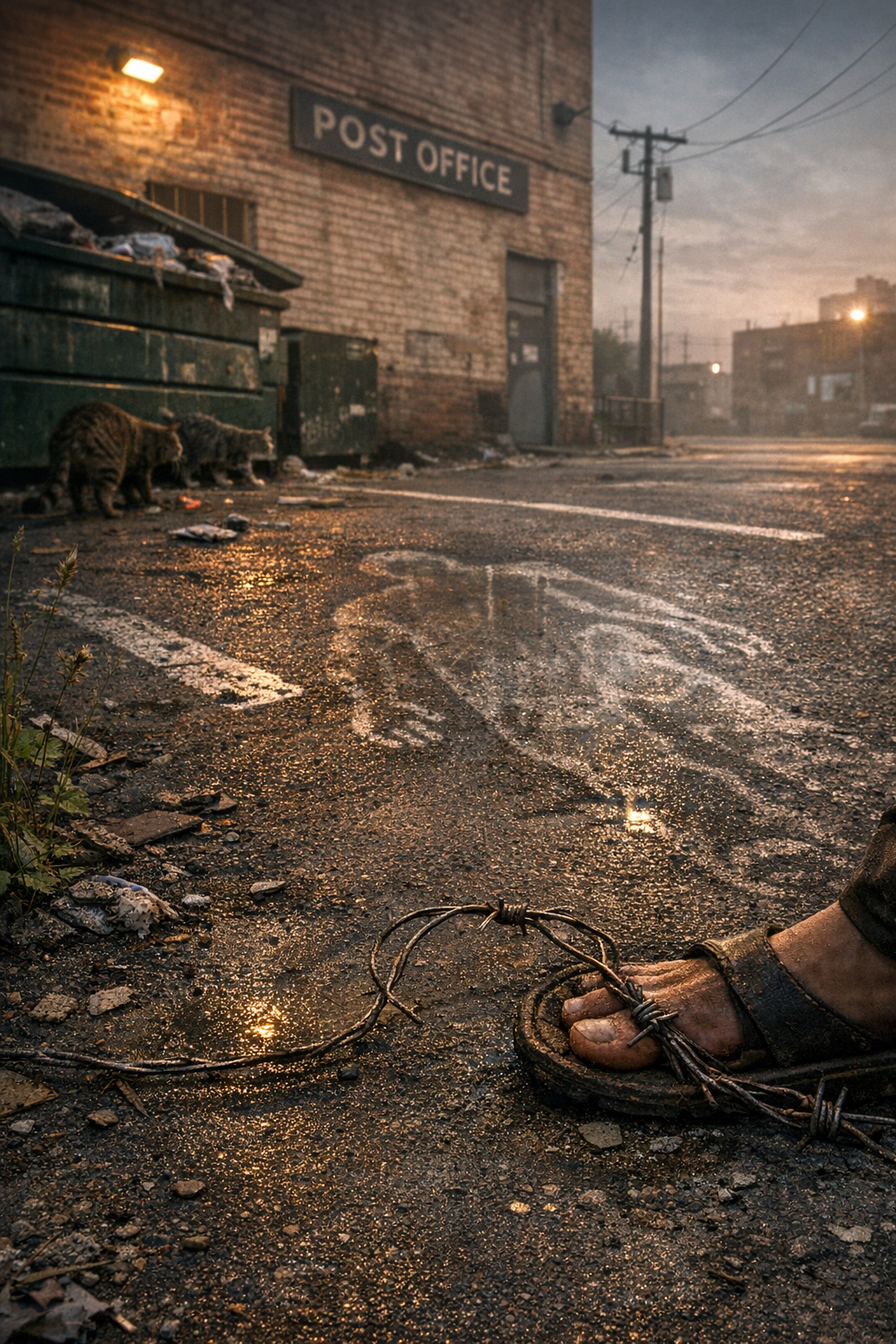
Where Are You My Friend…?
This poem emerged from walking through a heat-struck urban lot where absence felt more physical than memory. I wanted the poem to carry abandonment through objects—barbed wire, cats, asphalt—without commentary. The body persists, but only through what it touches. The theme is not grief but residue: what remains when someone doesn’t.
-
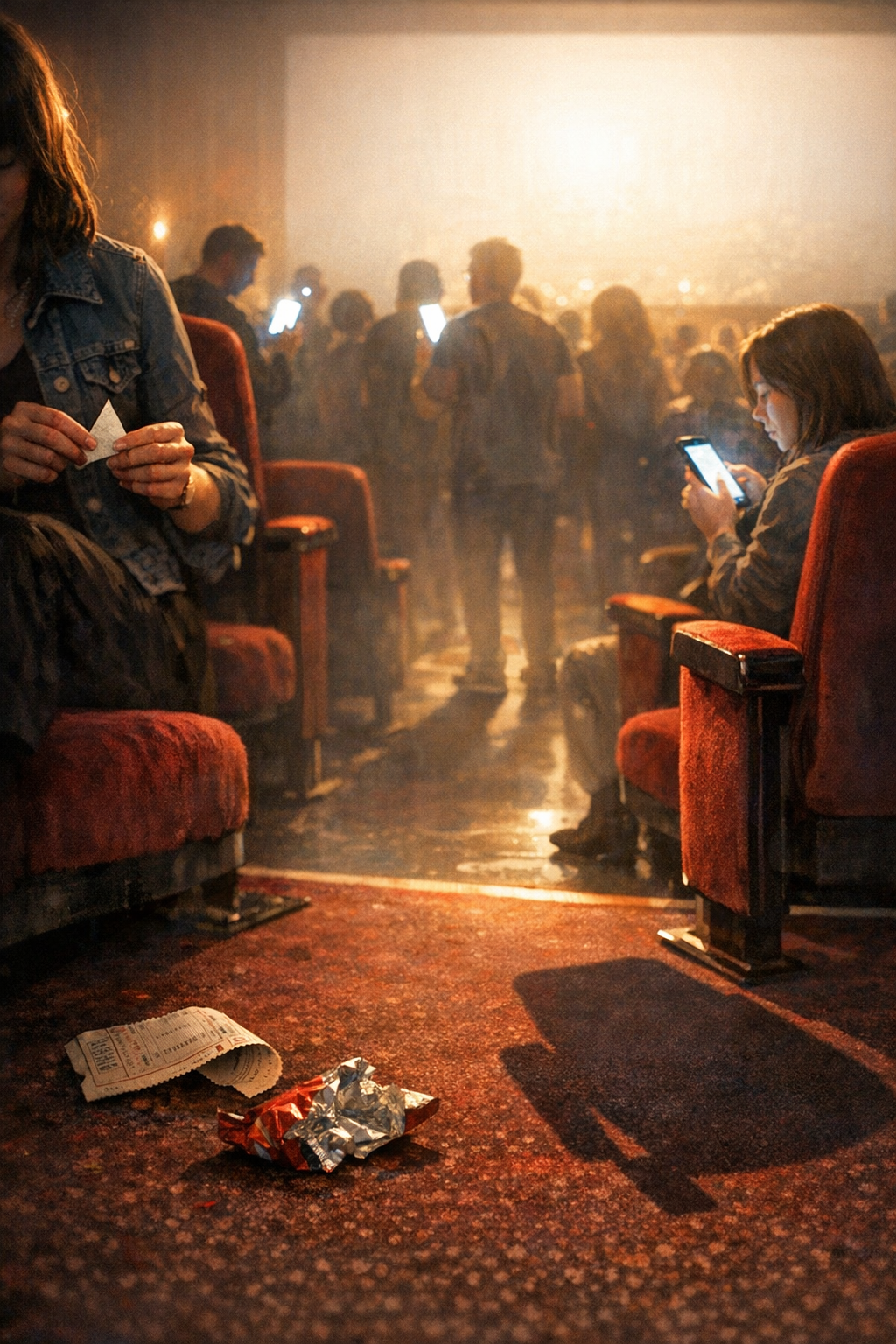
After the Movie
“After the Movie” emerged from the residue of a theater’s disassembly—the rupture of communal silence into the flicker of screens and the crackle of wrappers. I wanted to capture the moment when the film ends but its emotional architecture lingers in the objects and gestures left behind.
-

The Transparent Mother
The Transparent Mother began as a refusal to sentimentalize disappearance. I wanted to write a poem where the mother’s vanishing wasn’t metaphor but physical fact—bare feet, bloody toes, a face turned away. The poem inherits her instability without naming it.
-

TICONDEROGA
TICONDEROGA began as a meditation on the physical relationship between body and object—specifically, the pencil as a site of memory, refusal, and violence. I wanted to write a poem that treated the pencil as a forensic artifact. The bite marks, the flaking paint, the taste of wood—all of these are real, bodily details. The poem…
-

Wail
Wail began as a test of restraint. I wanted to write a death poem without ornament, without metaphor, without reaching for comfort. The whale song emerged early—strange, bodily, and distant—and I kept it because it refused explanation. The poem is about sound that leaves the body and doesn’t come back. It’s about the final sleep…
-
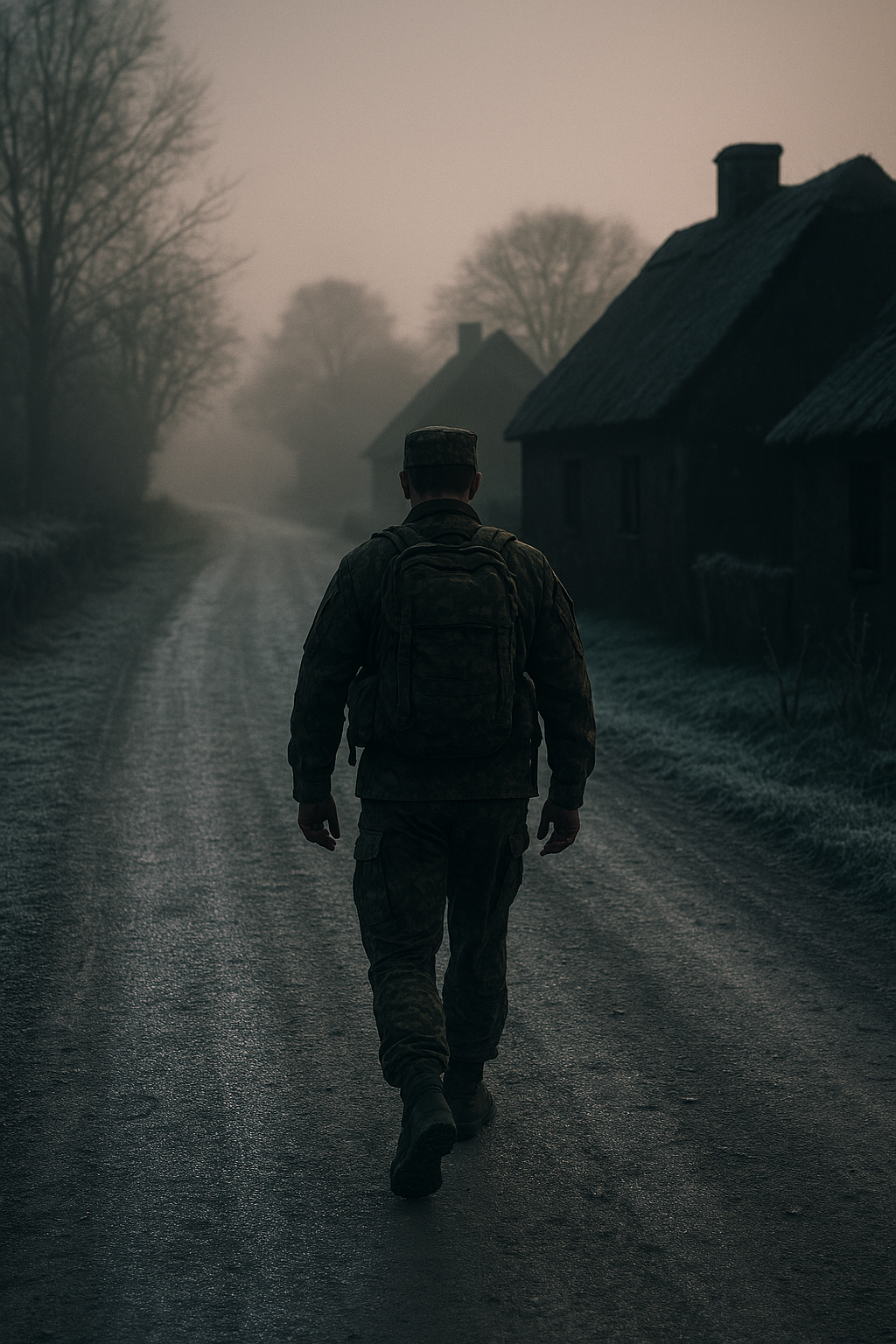
The Road They Will Leave By
The Road They Will Leave By” began as a meditation on exclusion and memory. I wanted to write a poem that refused sentimentality and simile, one that relied on physical detail and emotional pressure to convey the quiet violence of being remembered wrongly—or not at all. The soldier’s camouflage, the elders’ breath, the locking of…
-

Wepa en el Estadio — Wepa in the Stadium (Poema en tres formas boricuas)
This poem began as a celebration of Bad Bunny’s Super Bowl halftime performance—a moment where Puerto Rican identity, spectacle, and street energy collided on the world’s biggest stage. I wanted to honor the poetic forms of my heritage—copia, décima, bomba—while letting the rhythms of Spanglish, reggaetón, and crowd chant shape the pulse. The poem is…
-
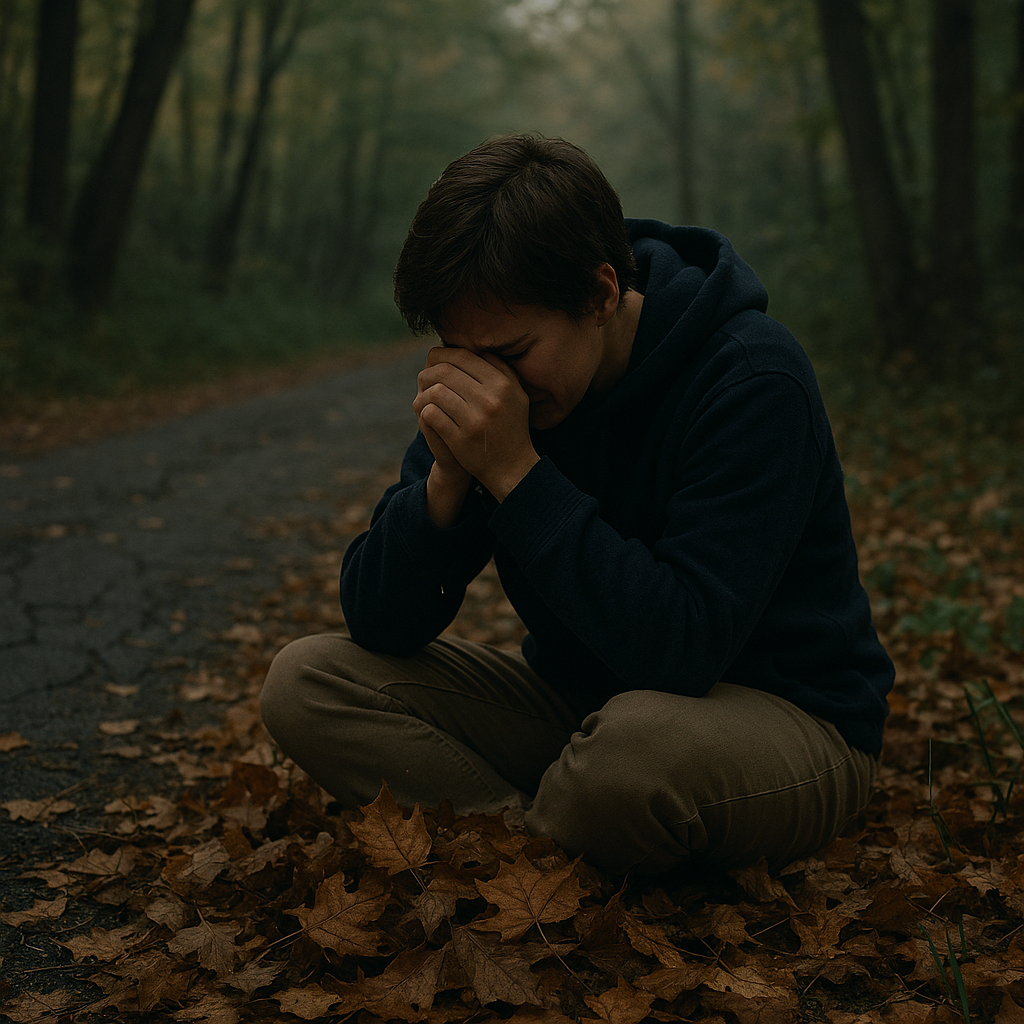
Imprint
“Imprint” began as a meditation on the body’s relationship to memory and terrain. I wrote it after revisiting a childhood site—an abandoned road where I once fell. The poem maps that moment not as trauma but as blueprint: a record of contact, fear, and transformation. The quoted line is real, spoken aloud in panic, and…
-
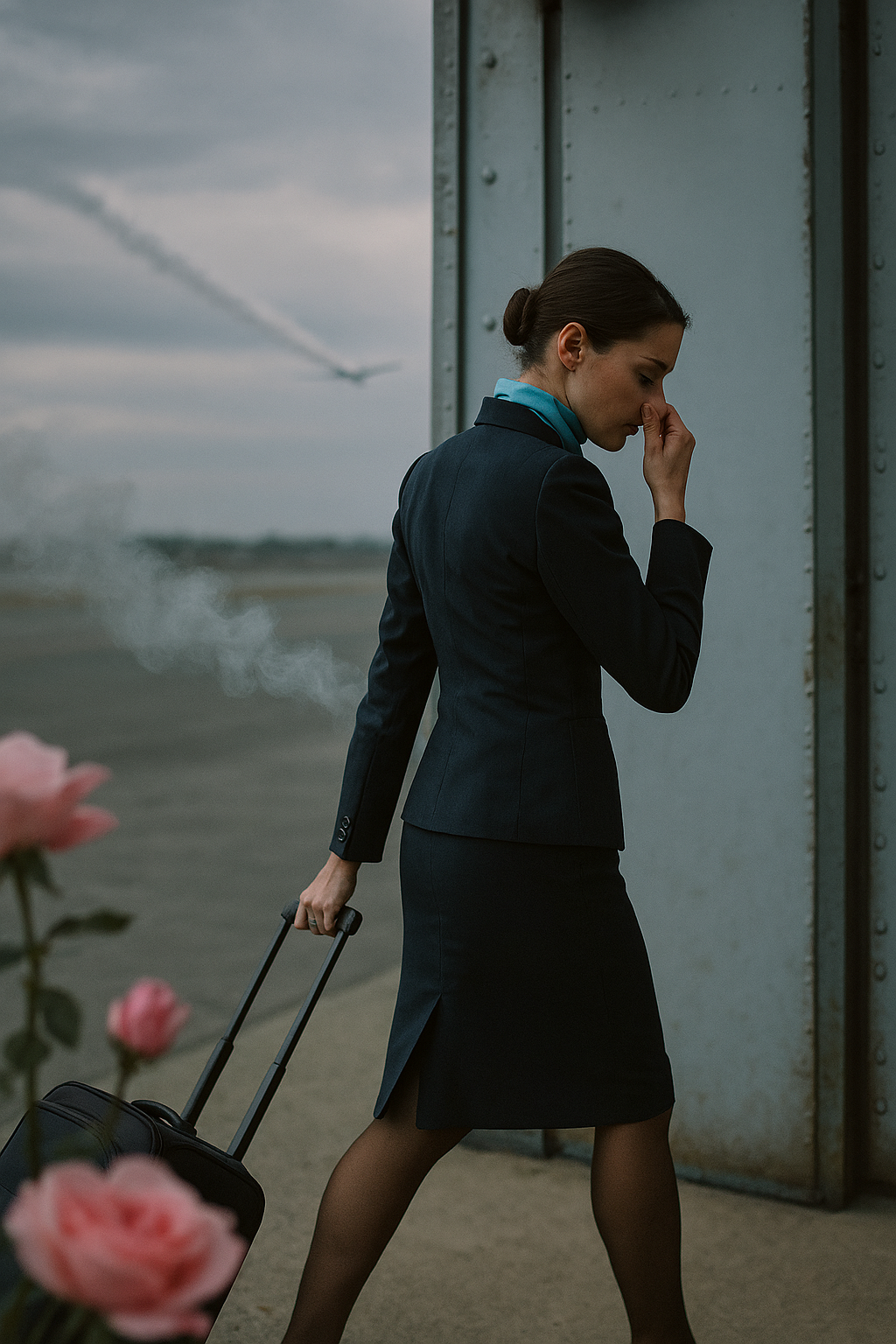
Sillage
This poem began with a scent memory that returned without warning. I followed the physical details—the hand raised, the barrier door, the trace of fuel—until the moment revealed its shape. The poem stays close to gesture and environment because that’s where the truth of the scene lived. The theme grew from the tension between presence…
-
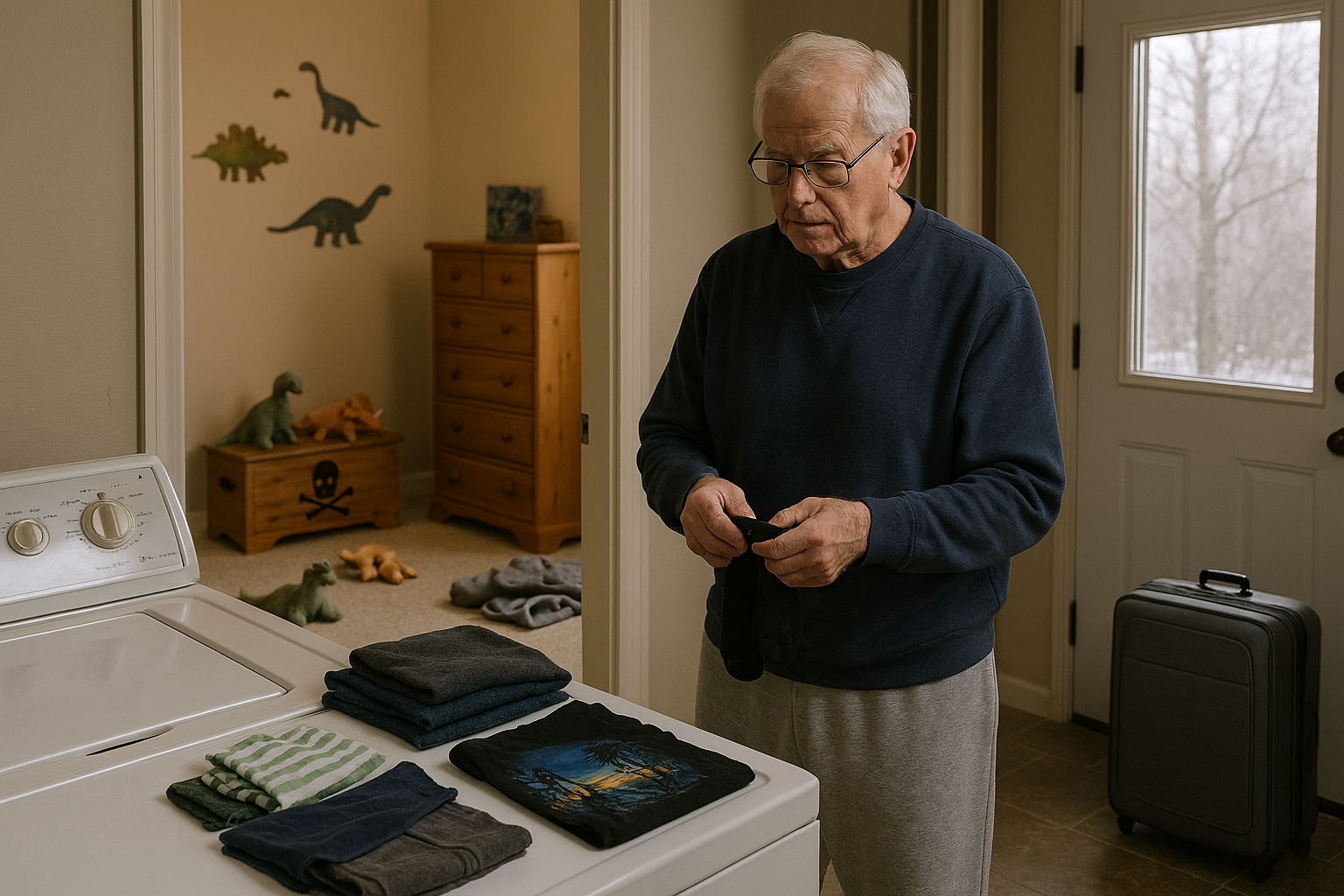
Unpacking
“Unpacking” began as a meditation on domestic disorder and the rituals of aging, but quickly unfolded into a layered memory of childhood scatter and paternal absence. I wanted to explore how objects—laundry, drawers, pirate chests, suitcases—carry emotional weight across decades. The poem resists sentimentality and instead leans into the tactile: folding, spreading, shedding. It’s a…
-

Stones
“Stones” emerged from a walk with my autistic brother, where the gravel beneath us felt like a ledger—each stone a record of what we’ve inherited and what we must carry. I wrote it to honor the physicality of memory and the way lineage shapes our future terrain. The poem resists sentimentality and abstraction, staying grounded…
-
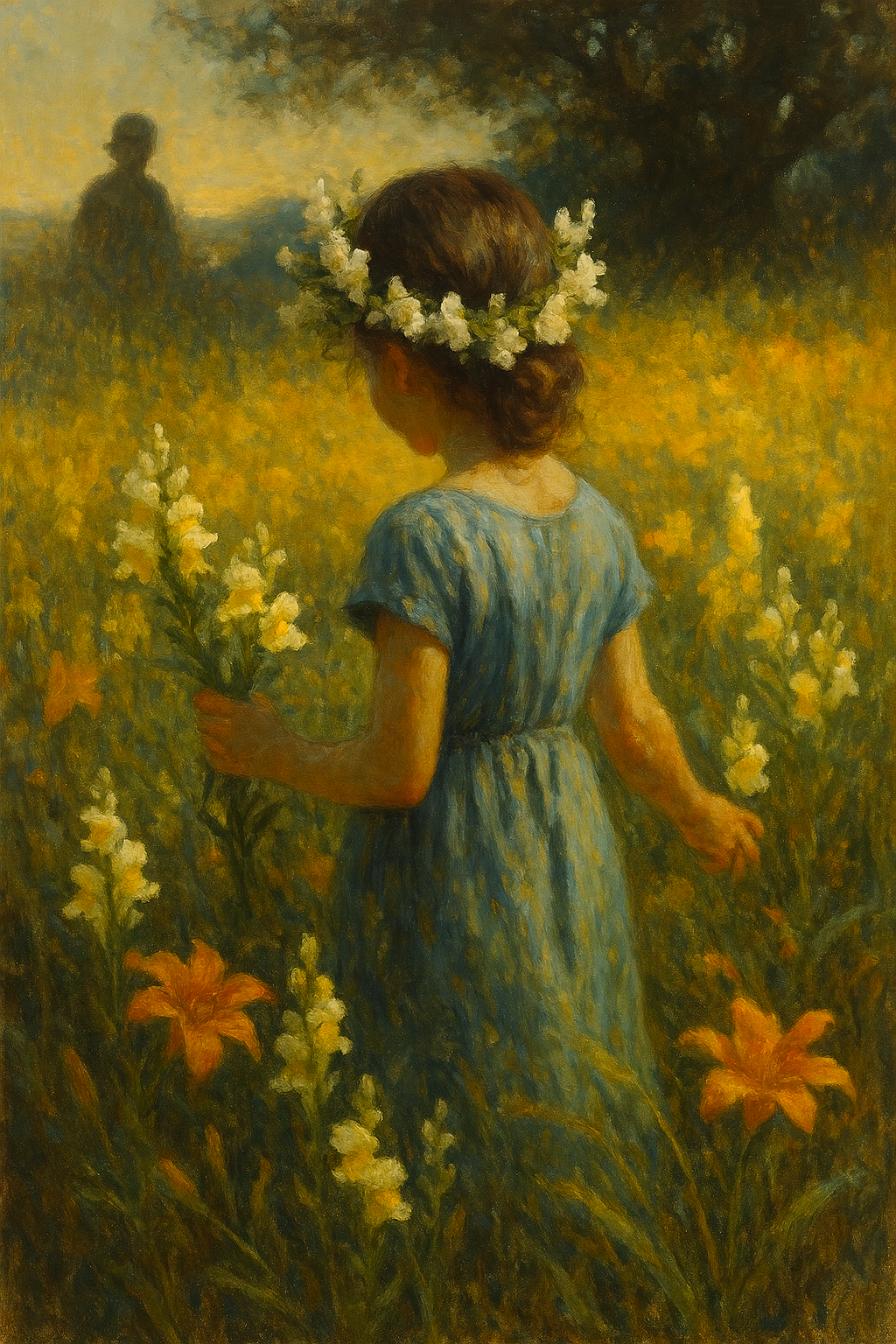
Snapdragon Fields
This poem began as a way to face the presence a parent leaves behind after death. I wasn’t trying to summon anything. I was trying to name the interruptions that still arrive without warning. The poem grew from that tension—how the past steps into the present, how memory can feel like a visitor who won’t…
-
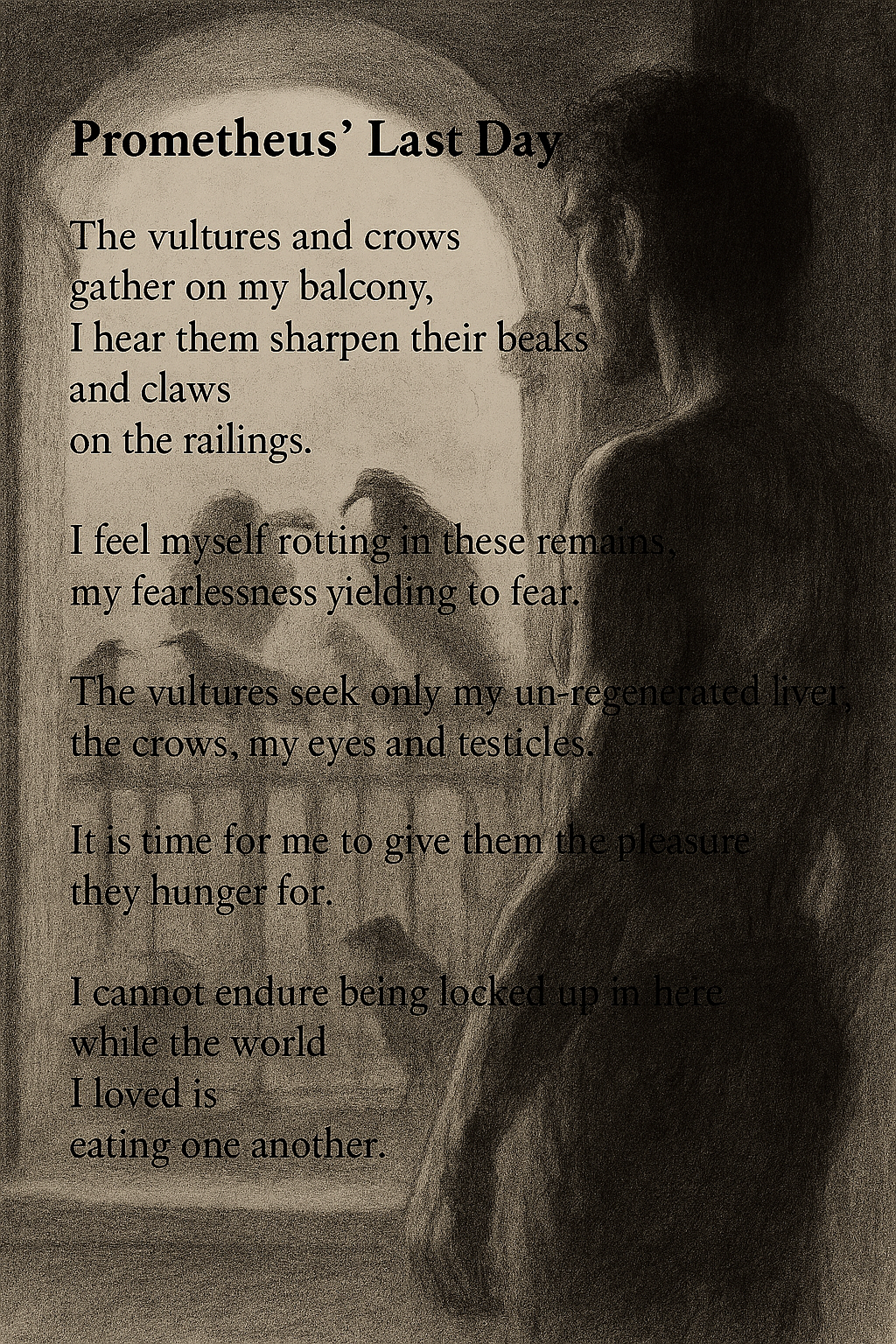
Prometheus’ Last Day
Prometheus’ Last Day began as a meditation on endurance—what it means to rot without rescue. I wanted to strip the myth of Prometheus down to its final gesture: not defiance, but surrender. The poem resists metaphor and dramatization, choosing anatomical precision and ethical collapse.
-
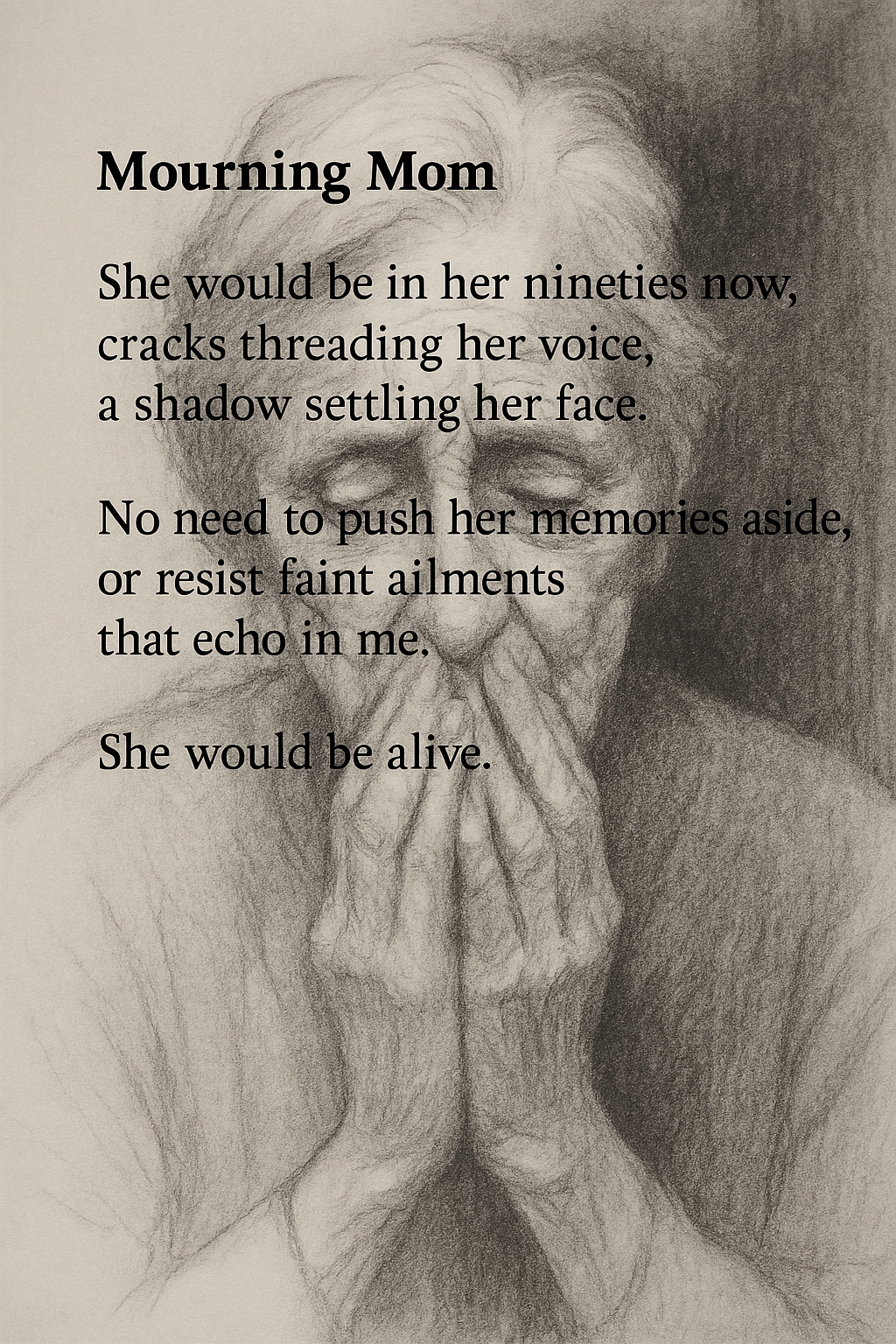
Mourning Mom
This poem emerged from a moment of speculative grief—imagining my mother’s aging voice as a thread I never got to follow. I wanted to write an elegy that refused sentimentality, that honored absence without ornament. The poem’s structure mirrors that ethic: short stanzas, pared-back language, and a final line that lands without flourish.
-
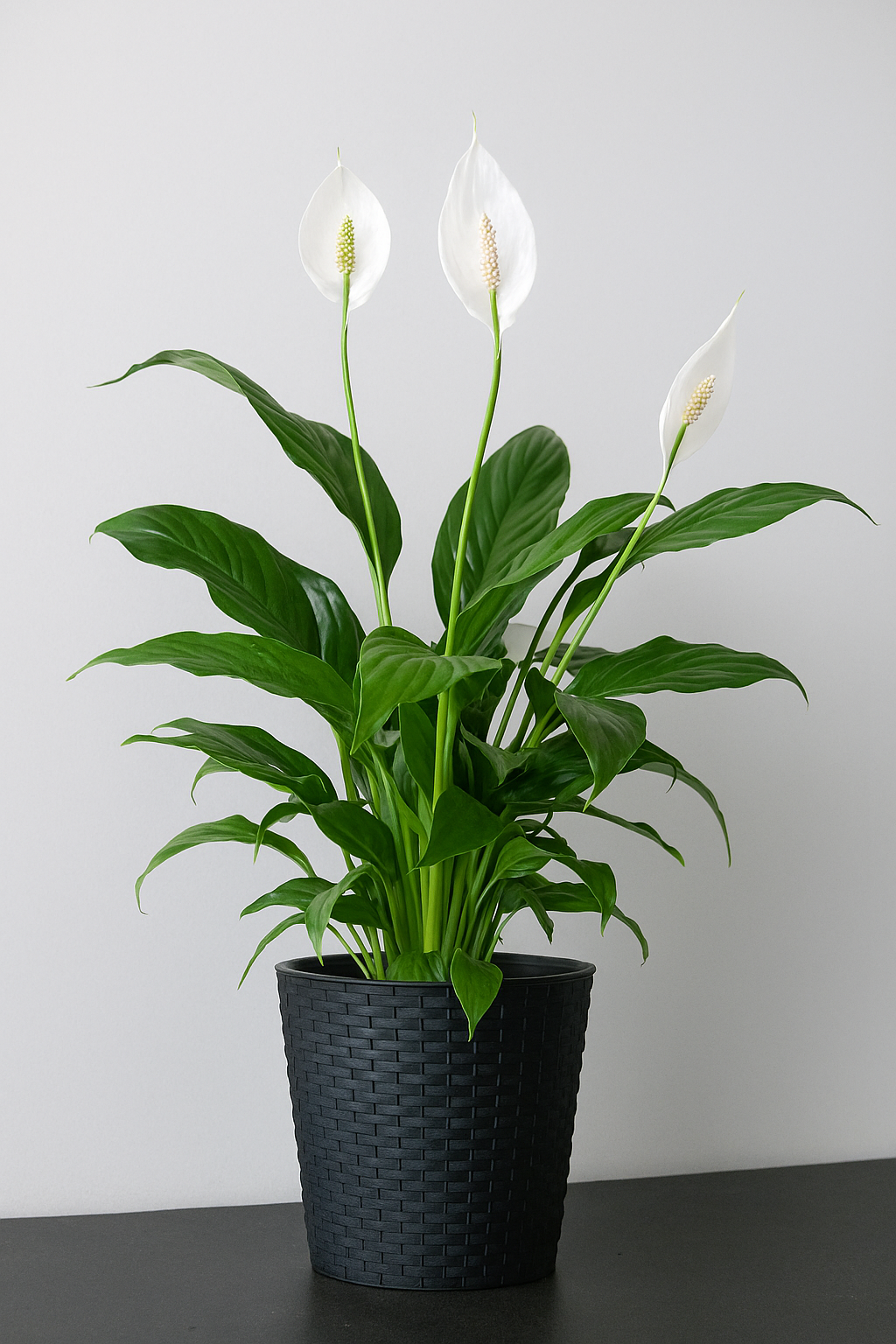
Peace Lily
Peace Lily began as a quiet observation of my wife’s improbable success with a single plant. Over time, it became a ritual ledger—tracking seasonal displacement, artificial substitutions, and the endurance of living things. The poem’s triadic structure echoes the trinity of life, labor, and love. Its humor is understated, its gestures symbolic: the copper penny…
-
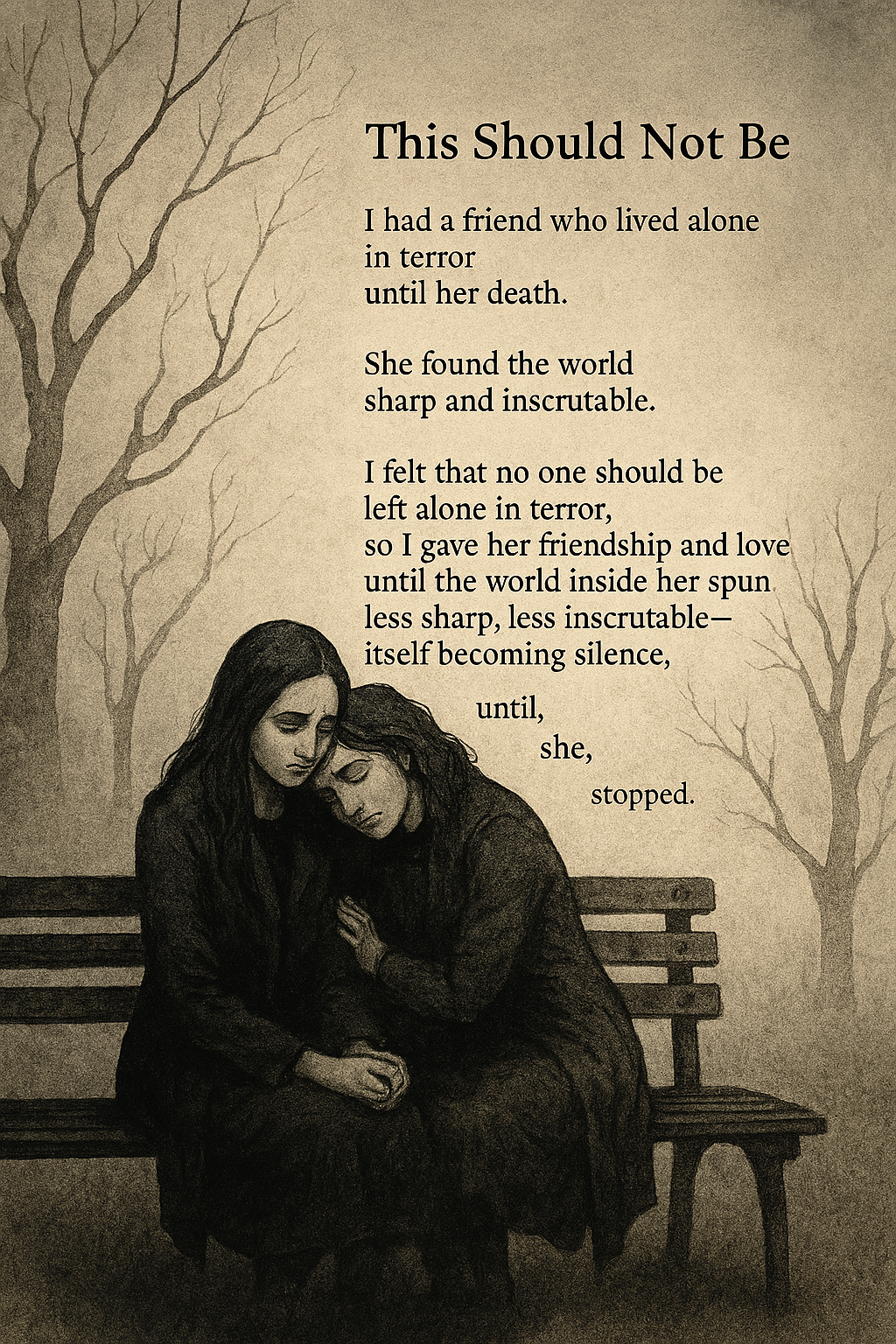
This Should Not Be
This Should Not Be” emerged from a moment of ethical rupture—the unbearable knowledge that someone I loved lived in terror until her death. The poem is not a lament but a ritualized protest. I wanted to write something that refused sentimentality and instead enacted consequence. The repetition of “inscrutable” is deliberate—it marks her being trapped…
-
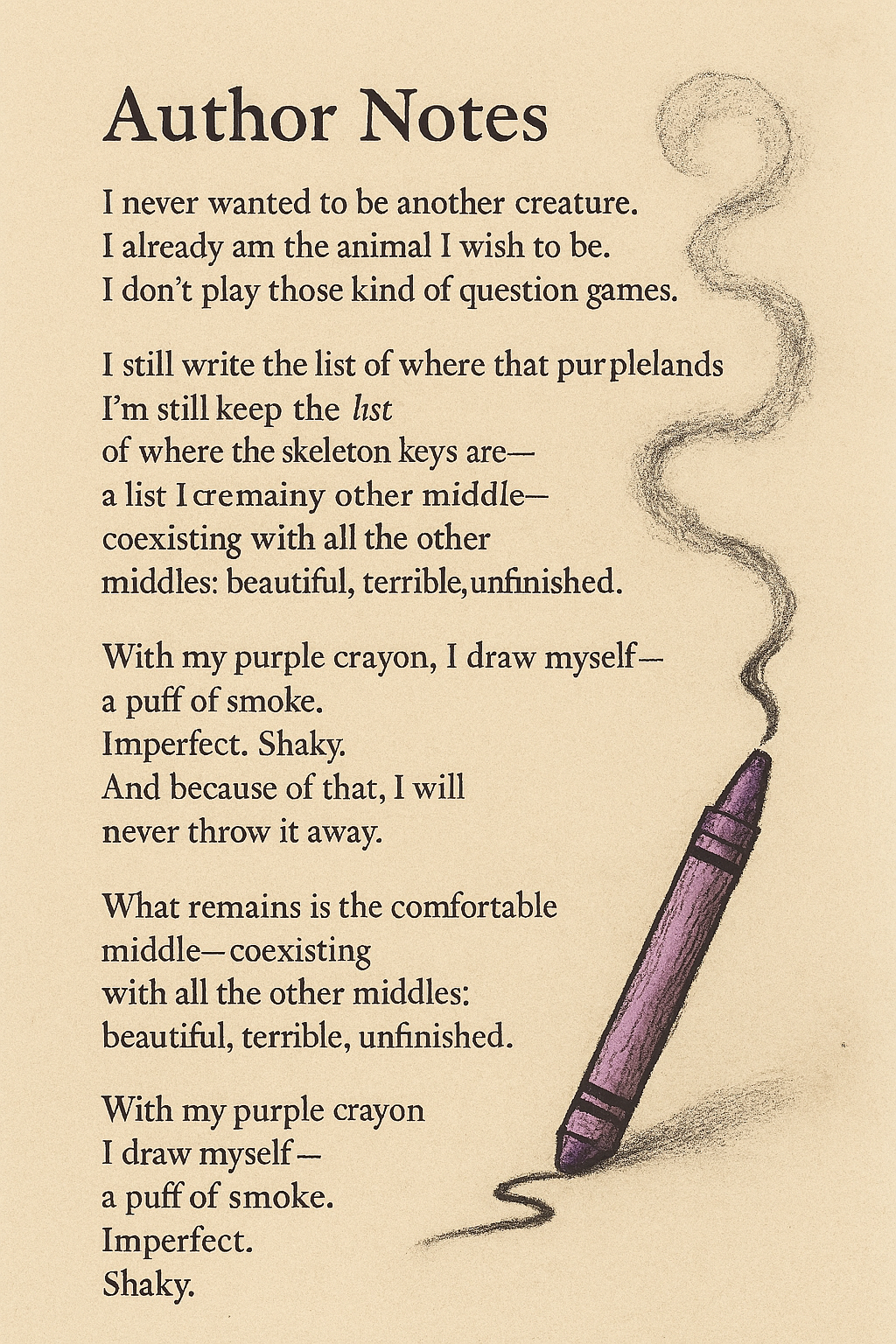
Author Notes
“Author Notes” emerged from a refusal of wanting to answer the the question game—If you were an animal, which would you be? It demands a transformation I do not want to indulge in. It neglects experience and demands transformation. Instead I indulged with the possibilities of Harold’s Purple Crayon. I imagined writing it with my…
-
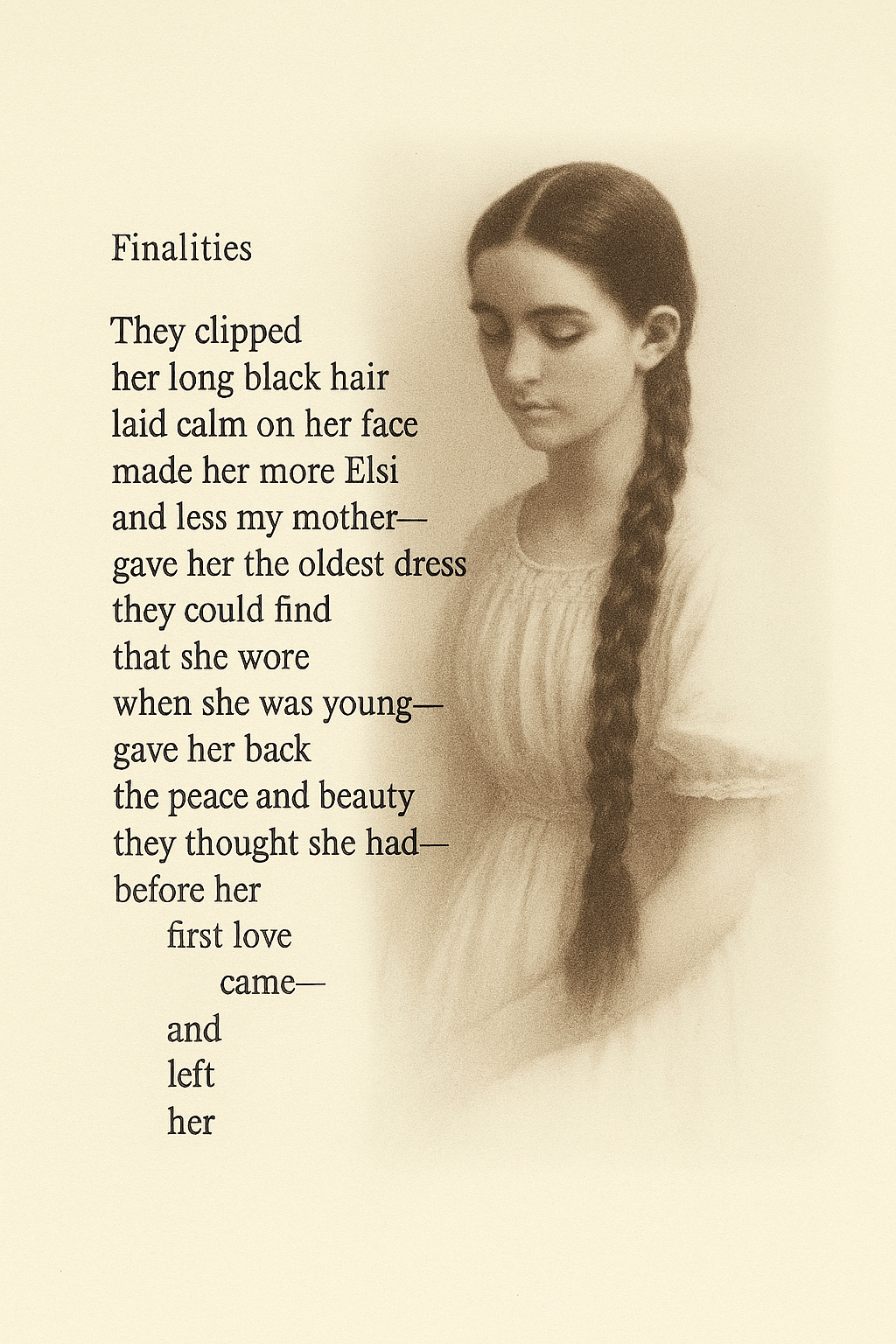
Finalities
Finalities emerged from a moment of ritual clarity after my mother’s passing. I wanted to honor not just her memory, but the gestures others made to restore her—clipping her hair, dressing her in youth, renaming her Elsi. It stages mourning as a quiet choreography of speculative grace. It’s about the transformation of a woman into…
-
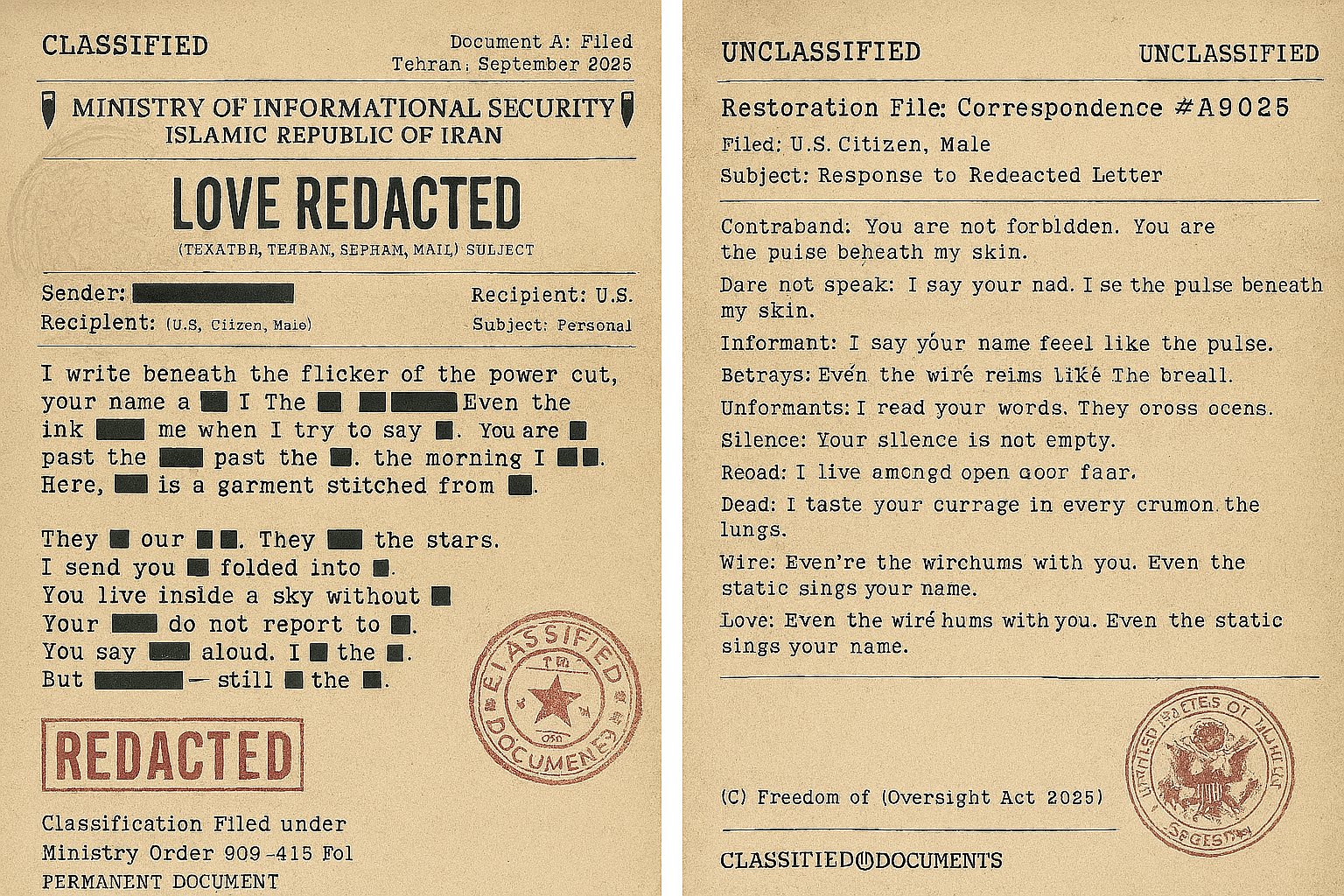
Love Redacted
Love Redacted is a visual and conceptual poem that explores how intimacy survives under censorship in a totalitarian regime. Through redacted language, classified documents, and restoration files, it reveals that the true emotional weight lies not in what is written, but in what is erased. The poem invites readers to decode longing through absence, transforming…
-
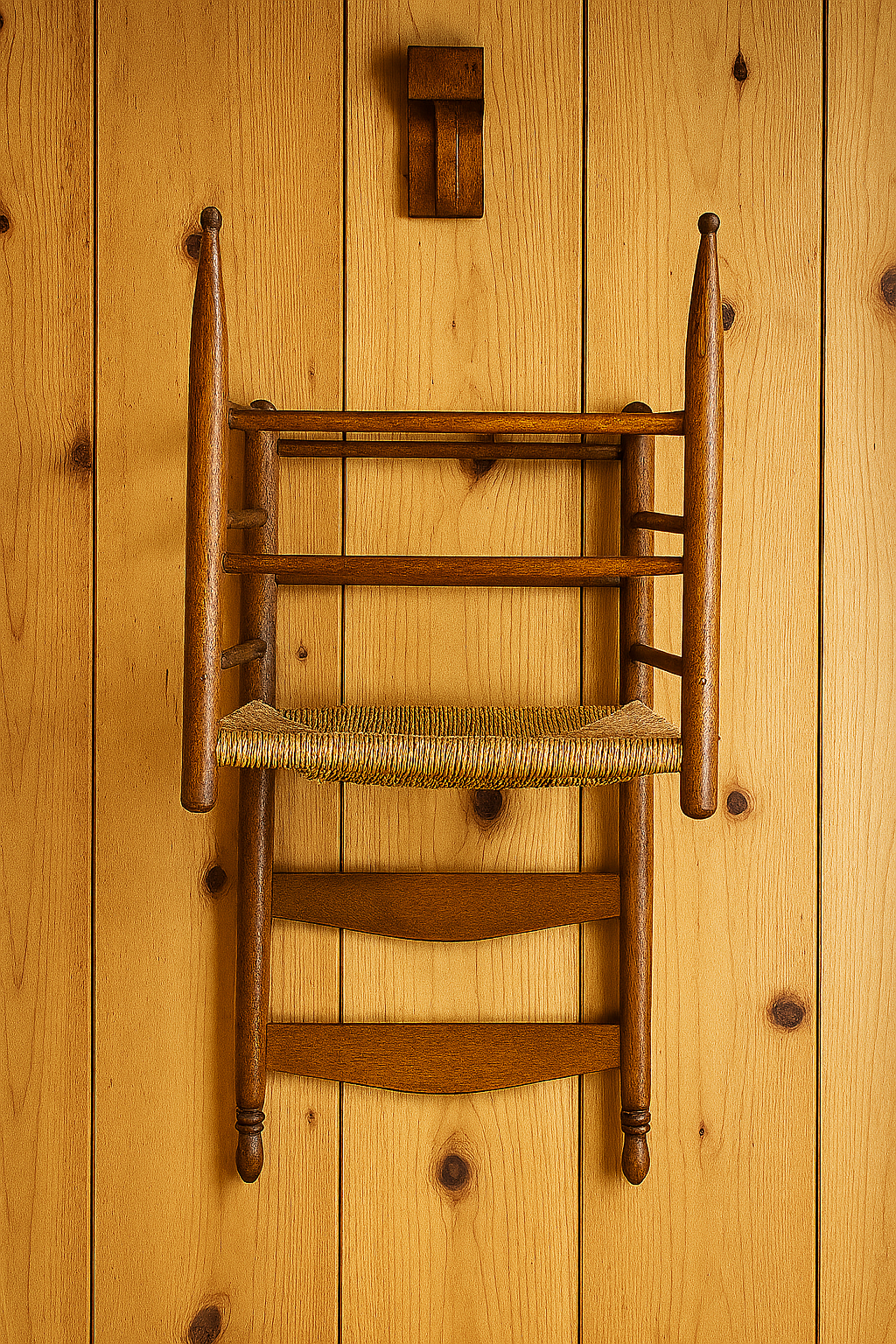
The Shaker Chair
“The Shaker Chair” began as a meditation on absence—how sacred objects lose their purpose when belief erodes. I was drawn to the Shaker chair as a symbol of readiness, reverence, and silence. The poem inverts that grace, replacing angelic possibility with corporeal desecration. It’s not a condemnation—it’s a witnessing. The man who occupies the chair…
-
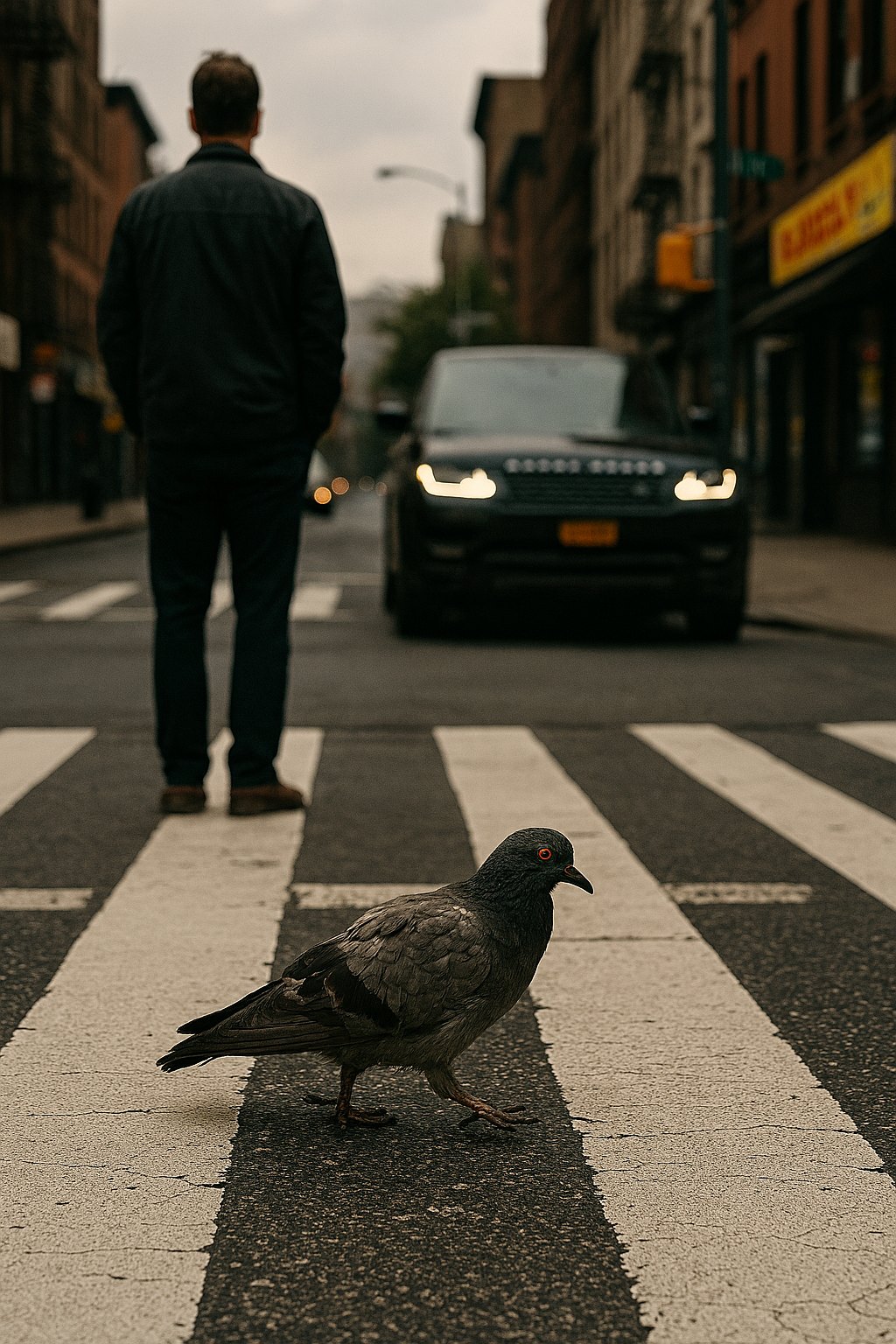
In My Natural Habitat
I wrote In My Natural Habitat after a moment of stillness at a crosswalk—watching a limping pigeon thread itself through traffic while someone behind me shouted to move. That tension between urgency and pause, between public gesture and private recognition, became the emotional seed of the poem. This piece explores how urban life shapes our…