Tag: object‑driven poetry
-
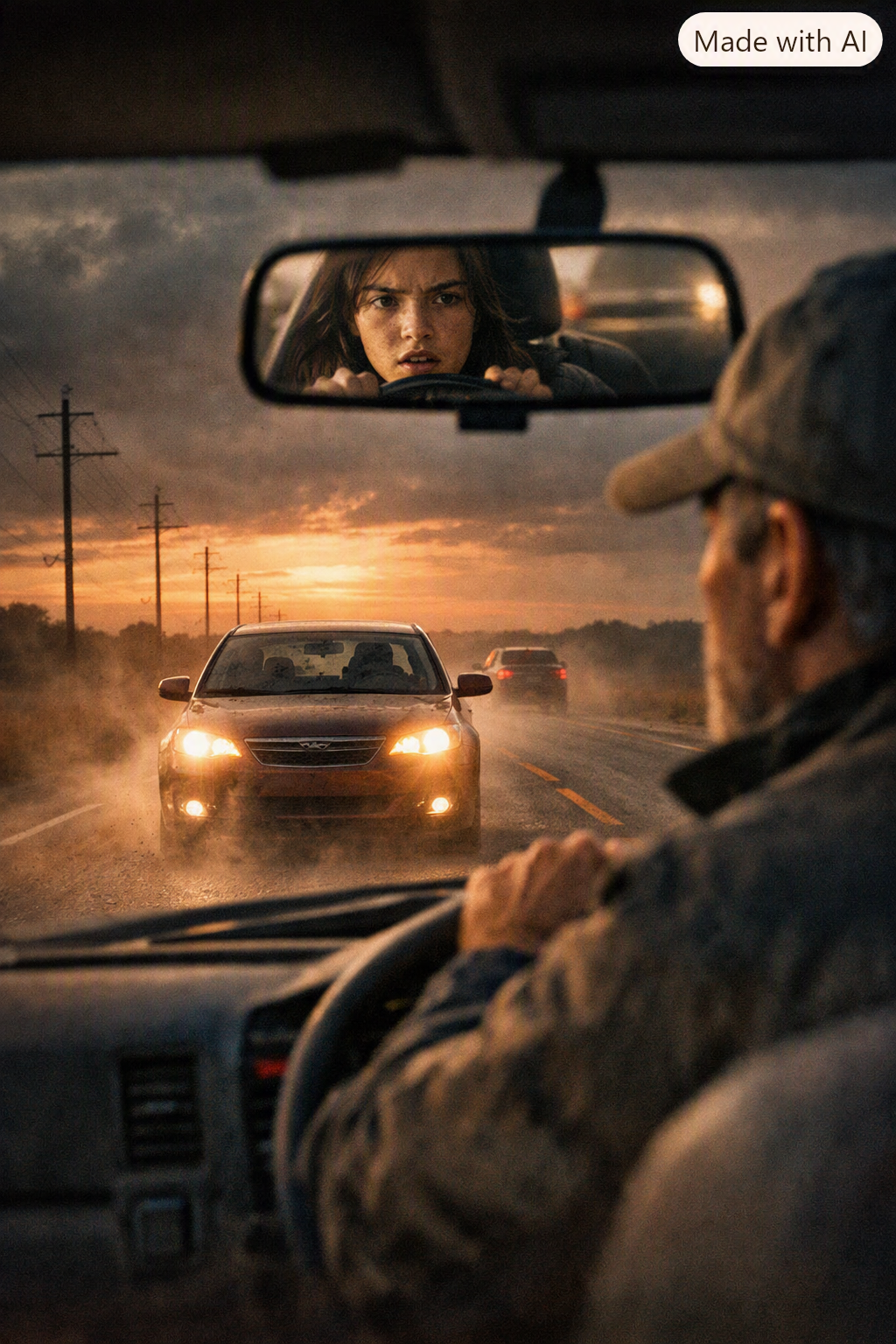
Daughter-Father Chase Scene
I wrote Father‑Daughter Chase Scene to measure the emotional distance between love and refusal — how care becomes mechanical when expressed through objects. The poem balances warmth and coldness, counting the space between a daughter’s plea and a father’s silence.
-
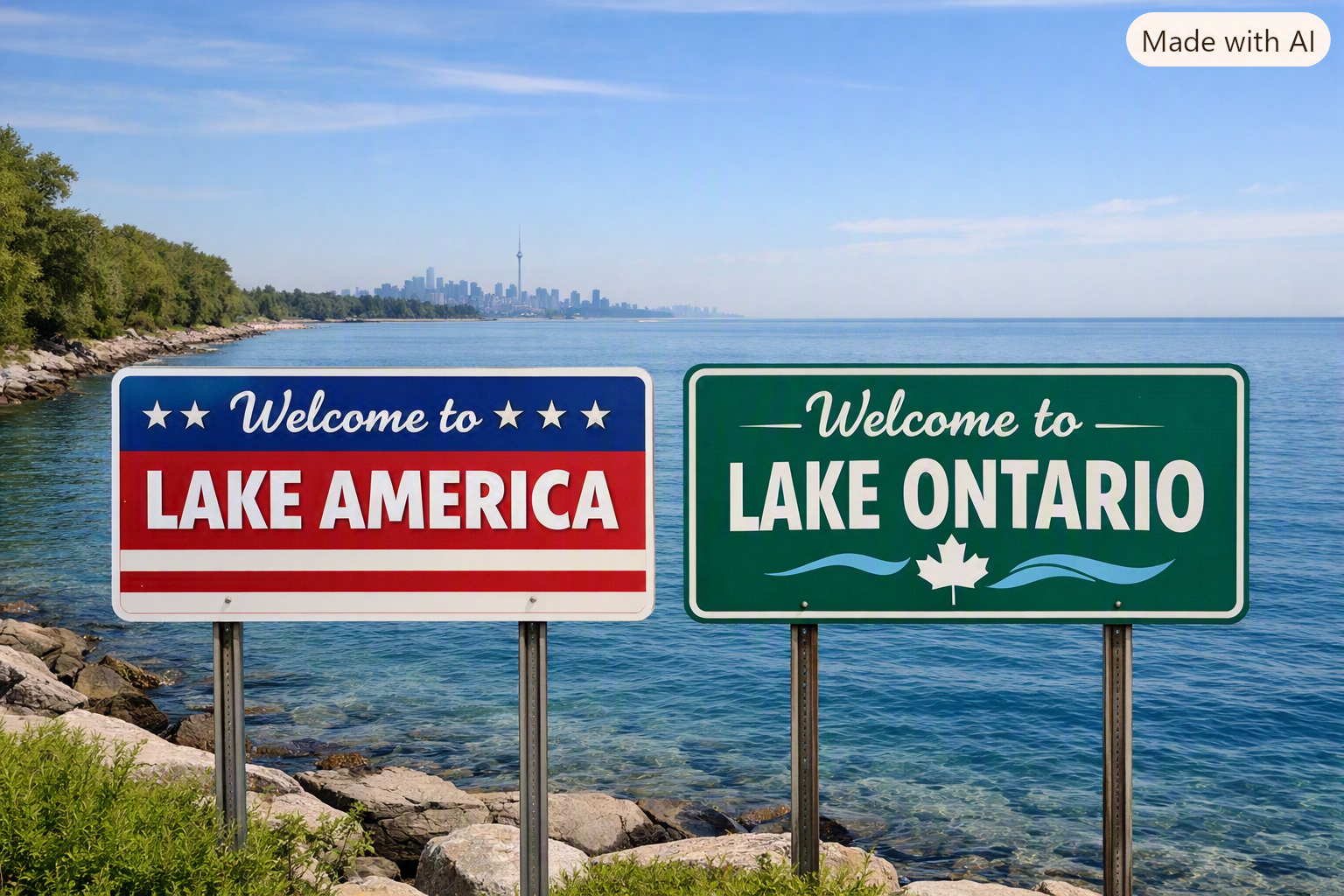
Lake Ontario/Lake America
I wrote Lake Ontario / Lake America after reading about political renaming as a form of ownership. The poem examines how language tries to overwrite geography, but the object—the lake—remains indifferent.
-
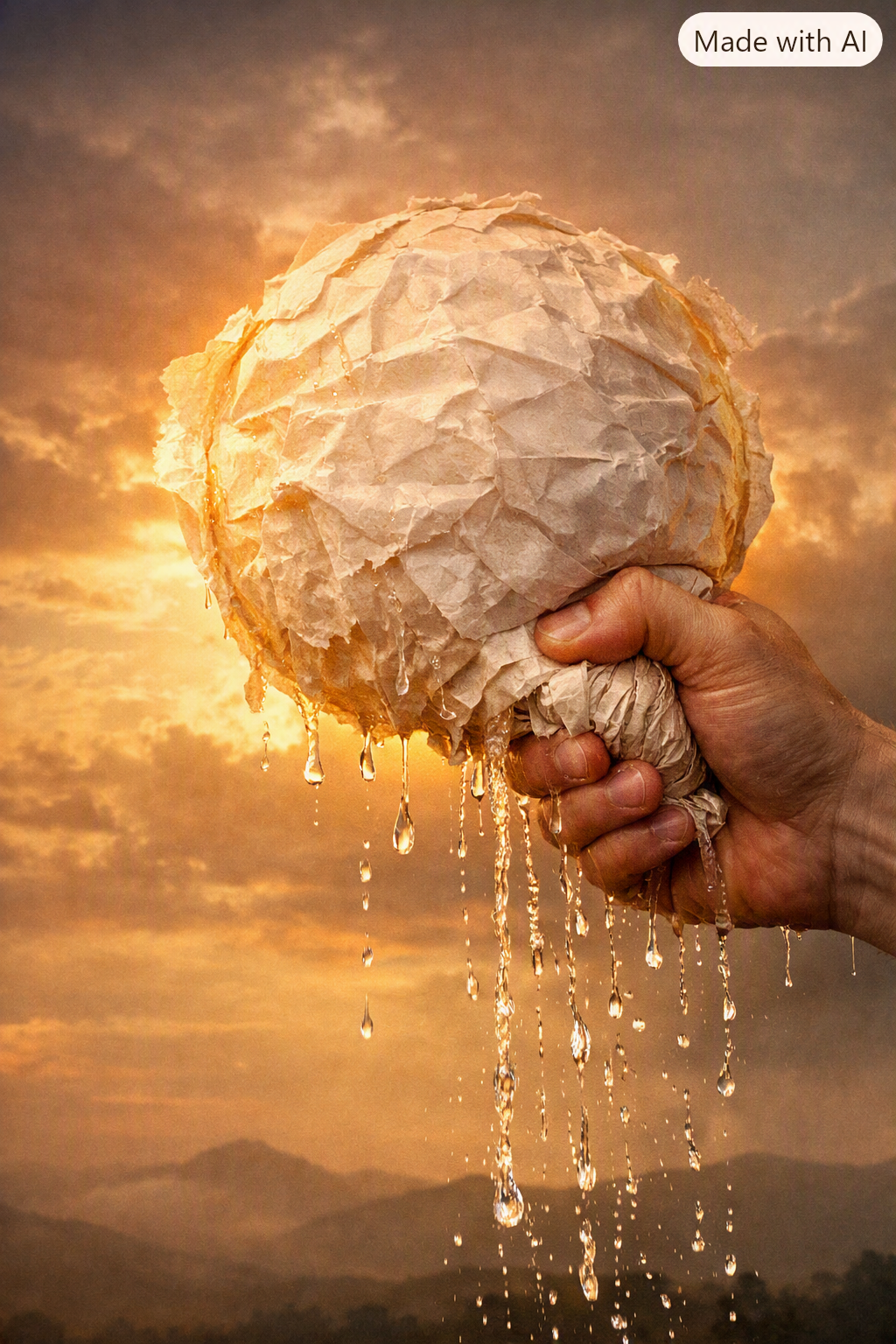
Paper Sun
Paper Sun began as an experiment in object logic—how a poem can behave like the thing it describes. I wanted to show poetic creation as a physical process: absorption, distortion, and wringing into form.
-

Why They Closed the Pool
I wrote Why They Closed the Pool after watching a drained municipal pool in late summer, its surfaces still carrying the memory of pressure. The poem studies how objects record disappearance—how heat, torque, and suction become the only witnesses left.
-

Substitute Victory
I wrote Substitute Victory after watching my dog derail the first football game of the season — a comic domestic moment that mirrored the futility of fandom. The poem turns that chaos into a light meditation on misplaced loyalty and the absurdity of hope.
-

Reverse Erasure
Reverse Erasure began as a mirror to my earlier poem Erasure. I wanted to see what happens when destruction runs backward — when the horror of disappearance becomes a slow reclamation of form. The poem’s reverse sequence borrows from Gaspar Noé’s Irreversible, but replaces cinematic violence with the mechanical violence of graphite, paper, and dust.…
-
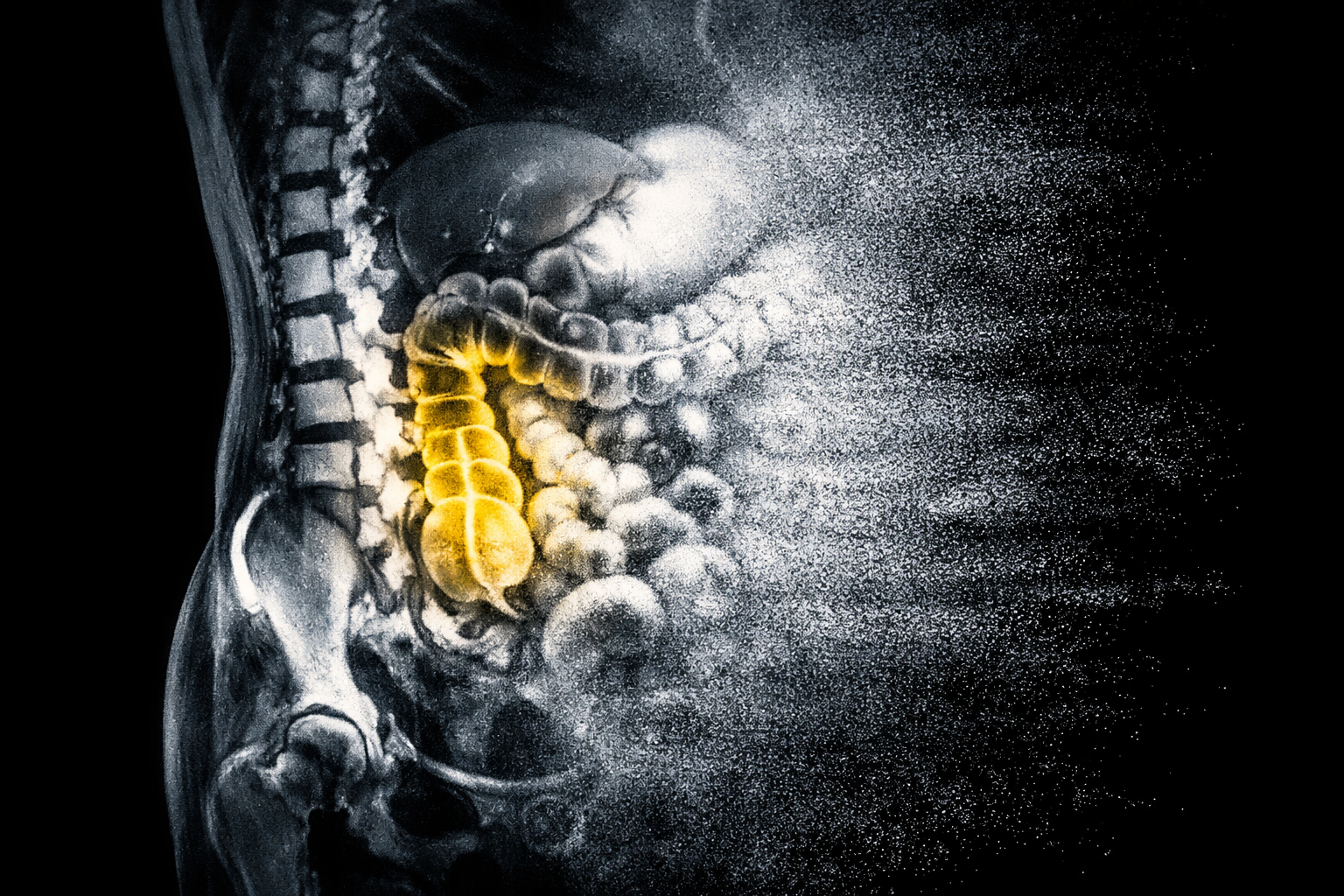
Evening Shades
I wrote Evening Shades after reading H.D.’s Evening and wanting to translate its floral disappearance into a diagnostic one. The poem examines how light and shadow behave inside the body—how visibility itself becomes a kind of haunting.
-

England 5, France 3. The 7/18/26. Miami
I wrote England 5, France 7/18/26 after watching the match and noticing how gestures—handshakes, hugs, stiff smiles—carry the residue of conflict and detente more precisely than words. The poem studies how surfaces record both trauma and victory without naming emotion.
-

Ferry
I wrote Ferry after watching a river crossing where sound and weight seemed to trade places. The poem explores how movement and release—mechanical, not emotional—can become a form of grace.
-
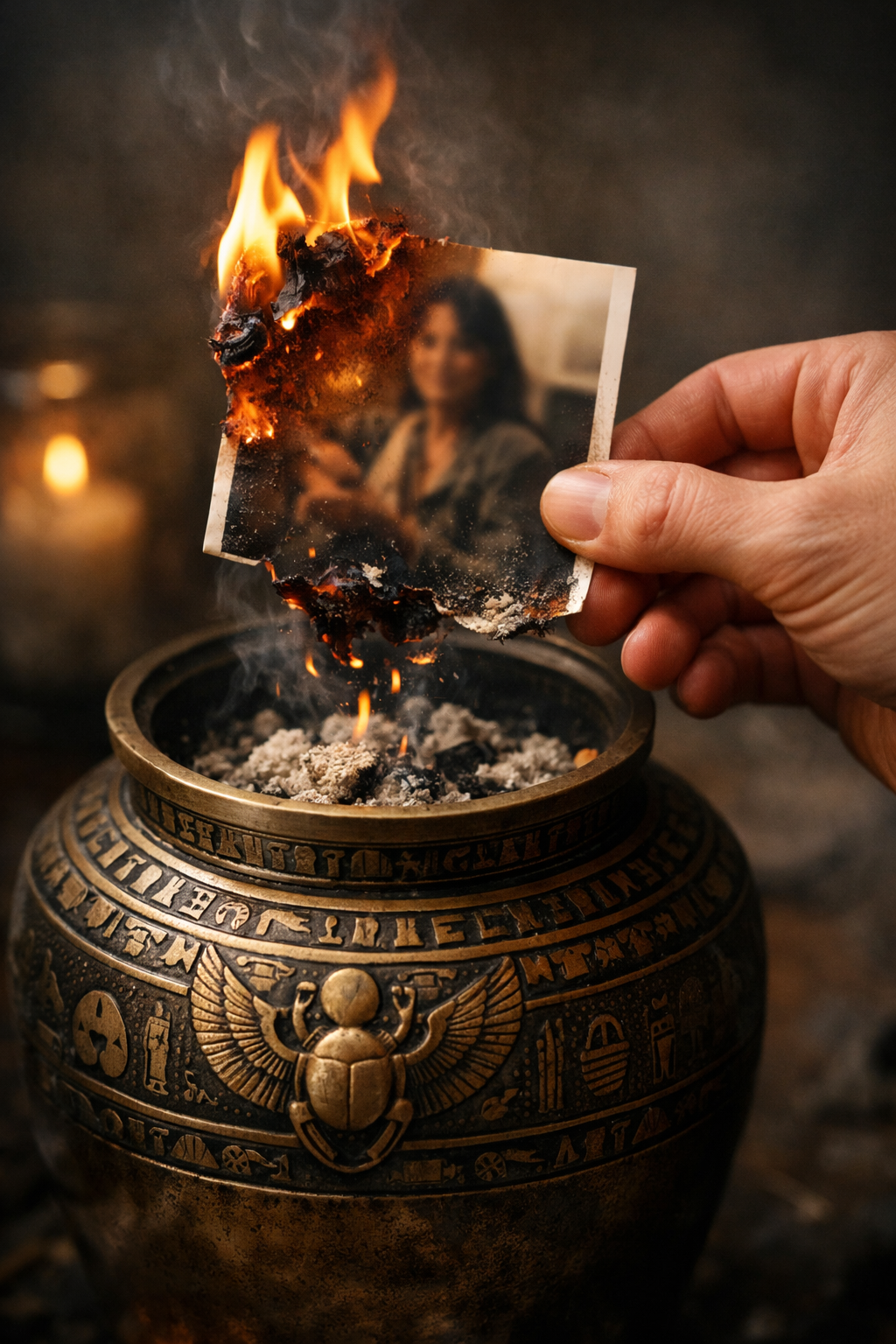
A Loss
I wrote A Loss after burning a photograph that refused to fade on its own. The poem examines how ritual and chemical reaction replace sentiment, turning memory into residue and pressure.
-
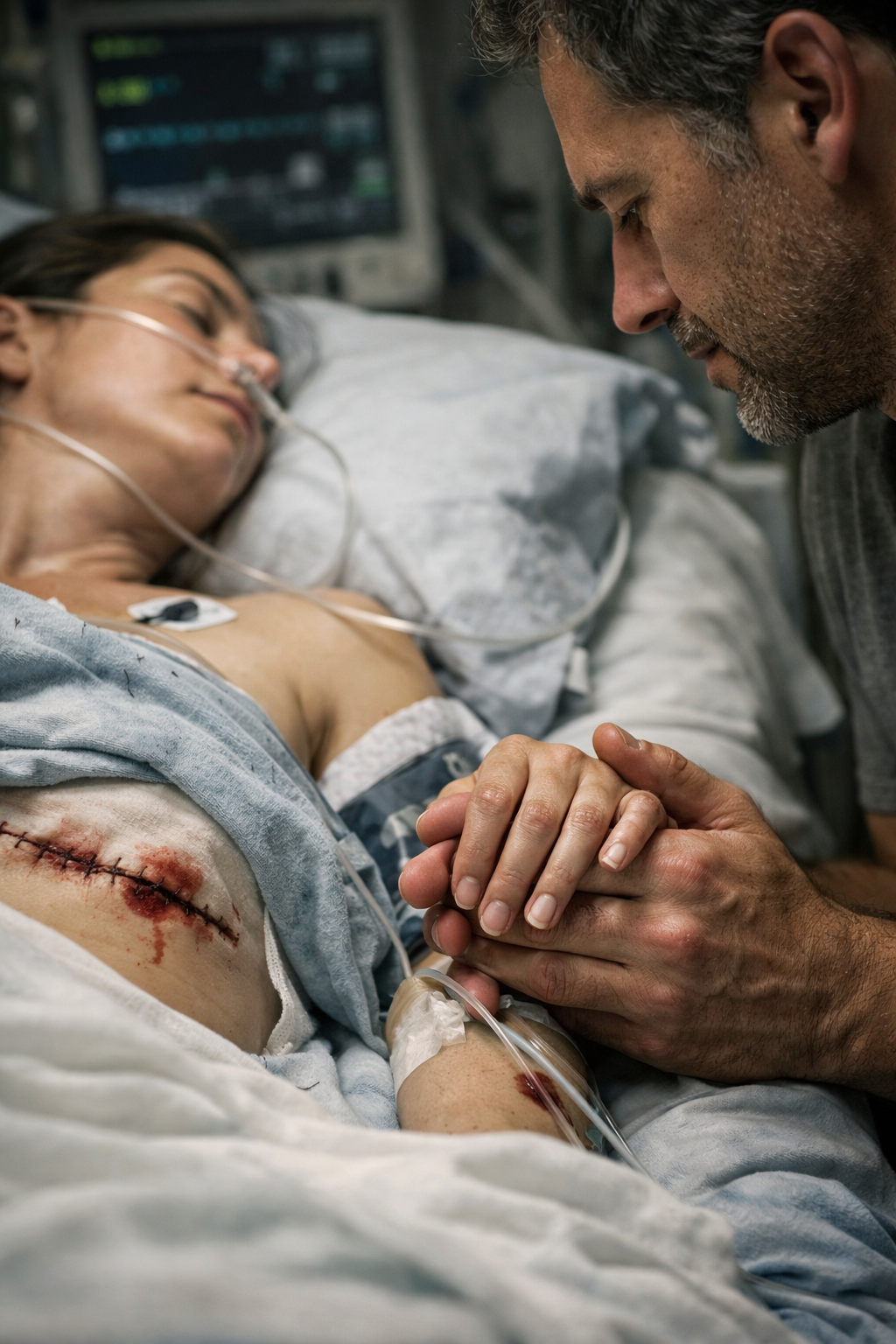
Love Is
I wrote Love Is after my cancer surgery, when my wife sat beside me and held my hand as I woke. The poem is about how love survives the body’s breaking — not through comfort, but through the persistence of touch after pain.
-
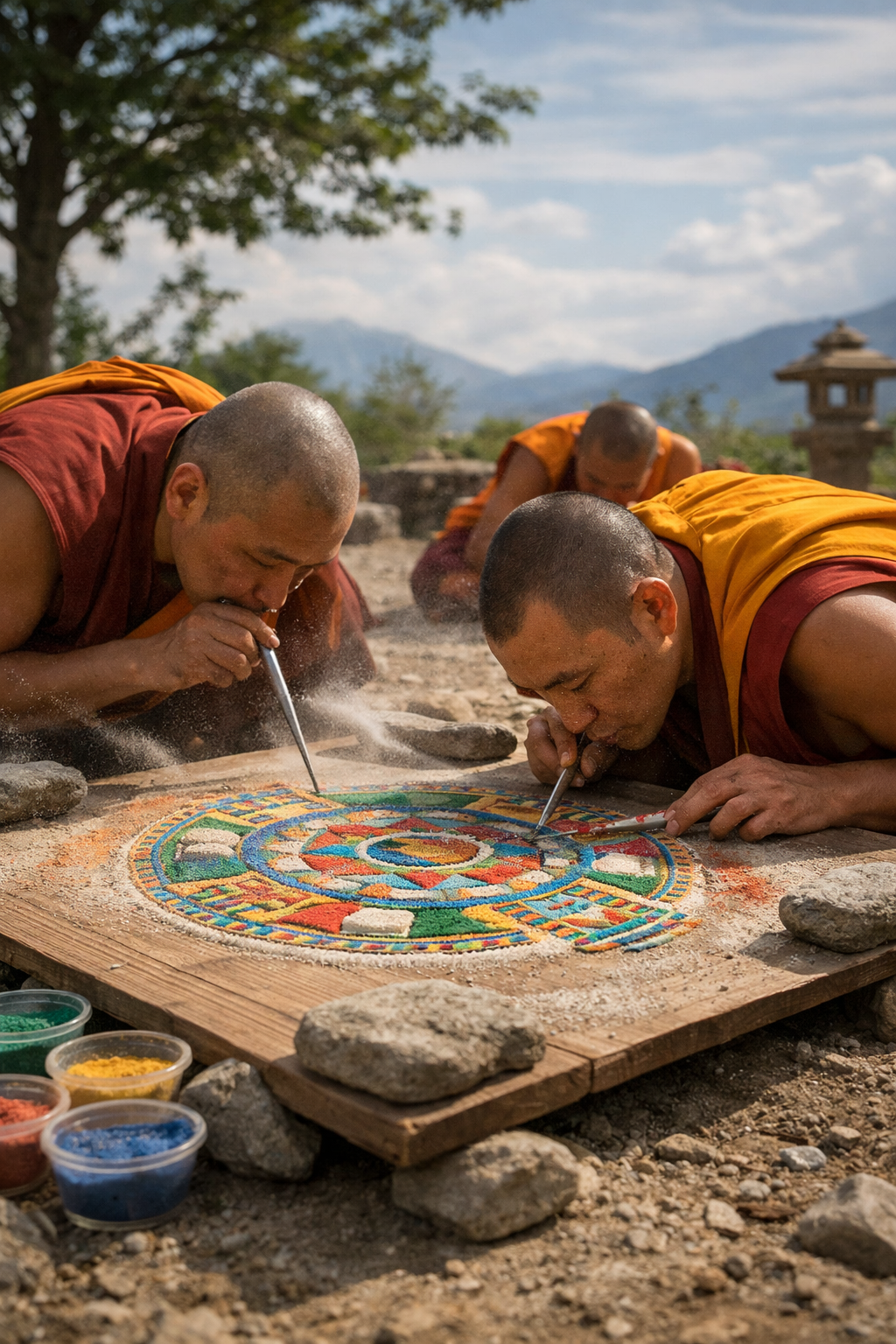
Peace Wheel
I wrote Peace Wheel after watching monks construct a sand mandala outdoors, where the wind kept undoing their precision. The poem explores the friction between breath and wind—human control against the inevitability of dispersal.
-

Vestige
I wrote Vestige out of the memory of my mother’s rituals—how care and vigilance could harden into preservation. The poem began with the image of towels draped over thorns, a gesture that felt both protective and sacrificial. I wanted to explore how domestic acts—counting, tending, washing—become ceremonies of control and grief. The poem’s tone is…