Tag: minimalist poetry
-

Lake Ontario/Lake America
I wrote Lake Ontario / Lake America after reading about political renaming as a form of ownership. The poem examines how language tries to overwrite geography, but the object—the lake—remains indifferent.
-
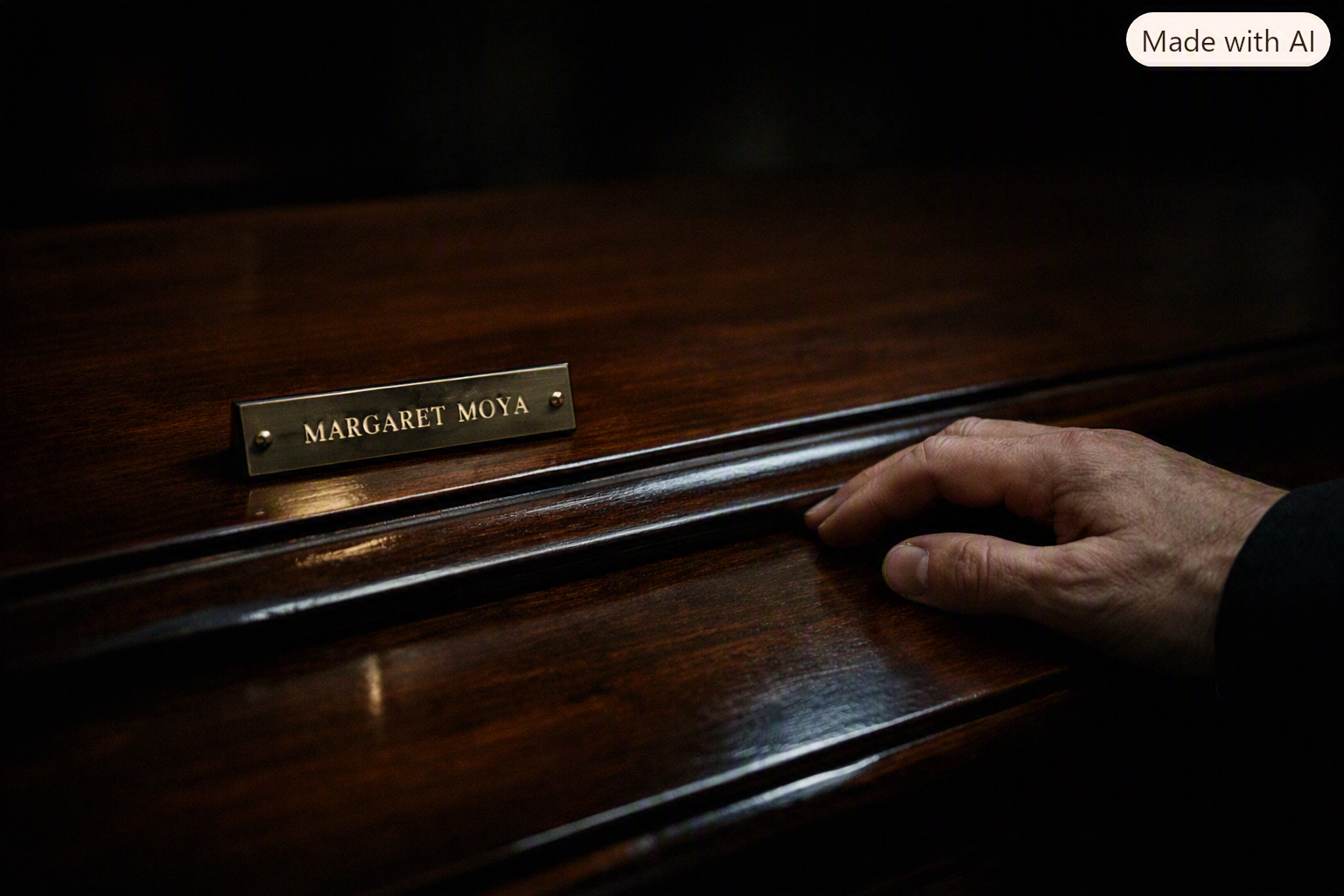
On Longing
I wrote On Longing after placing my hand near the wood that held my mother’s name. The poem examines how material boundaries fail to contain loss, and how darkness presses identity into one shape that cannot be separated.
-

Settling
I wrote Settling from the memory of watching mothers place their newborns into cribs for the first time—the motion was exact, almost ritual. The poem examines how objects record tenderness through weight and release rather than emotion.
-

Appalachian Funeral
I wrote Appalachian Funeral after driving past an abandoned church near the highway outside Soddy-Daisy, Tennessee, where the wind carried dust from passing semis into the open doorway. The poem’s theme is the residue of faith and labor — how objects, not memory, hold the pressure of what’s gone.
-
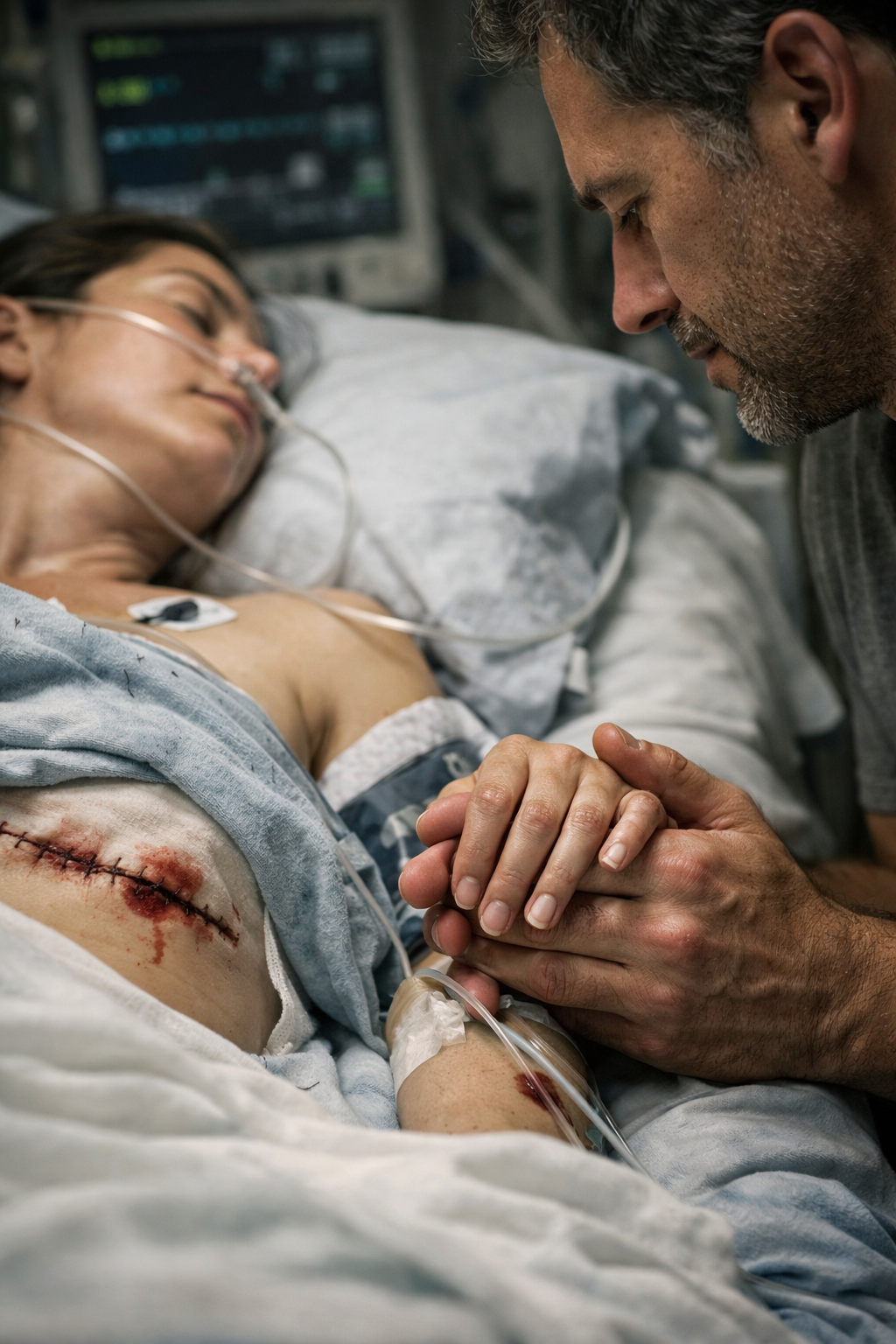
Love Is
I wrote Love Is after my cancer surgery, when my wife sat beside me and held my hand as I woke. The poem is about how love survives the body’s breaking — not through comfort, but through the persistence of touch after pain.
-

Smitten
This poem began as an attempt to strip the forge down to its procedural essentials — heat, pressure, marking — and let the body register the transformation without emotional naming. I’m interested in how objects enact change, how the smallest indentation becomes a record of force.
-
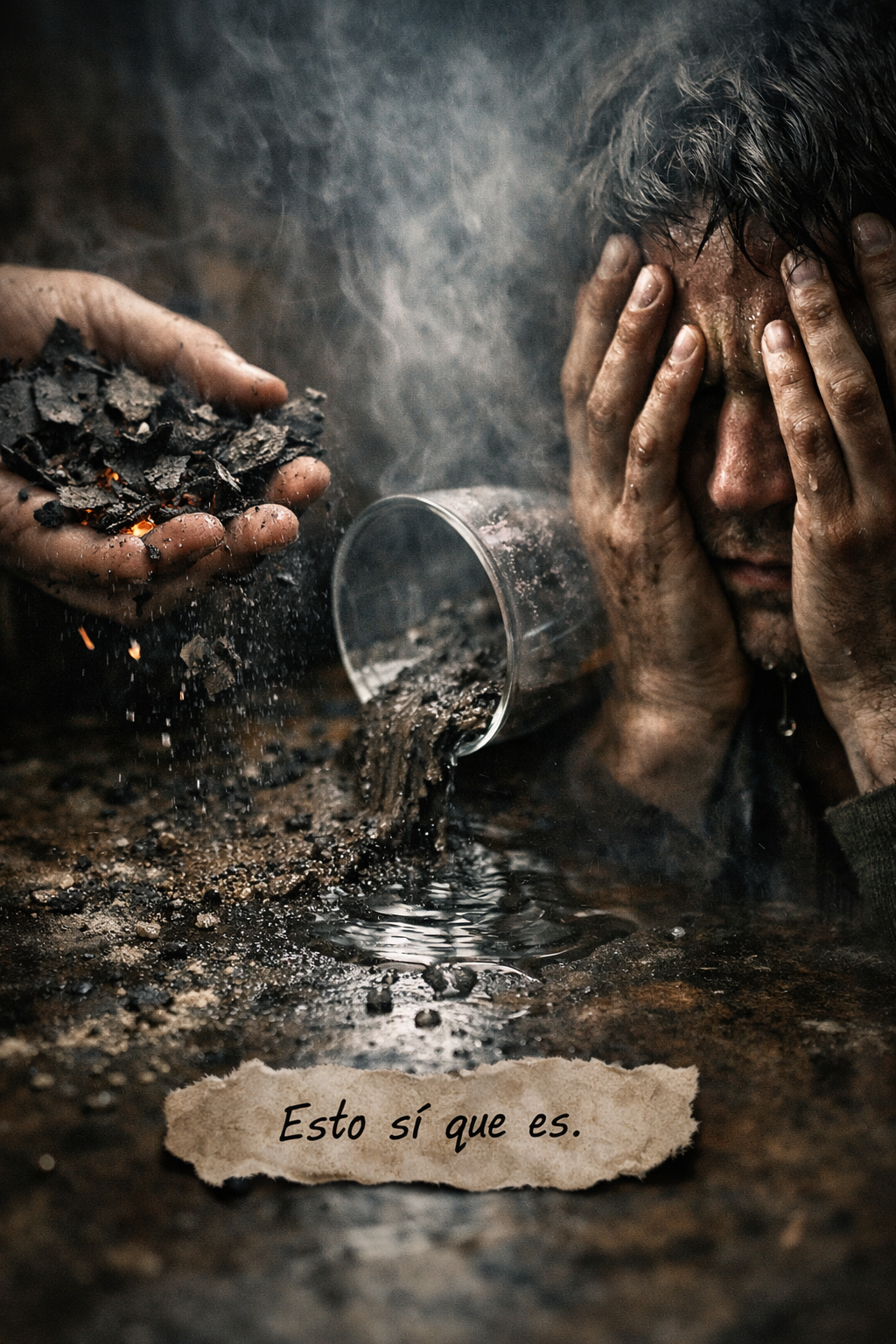
The Thing Is
wrote The Thing Is after watching ash fall from a burned letter and realizing how grief behaves like sediment — heavy, particulate, and impossible to swallow. The poem explores how matter carries emotion when language refuses to.
-
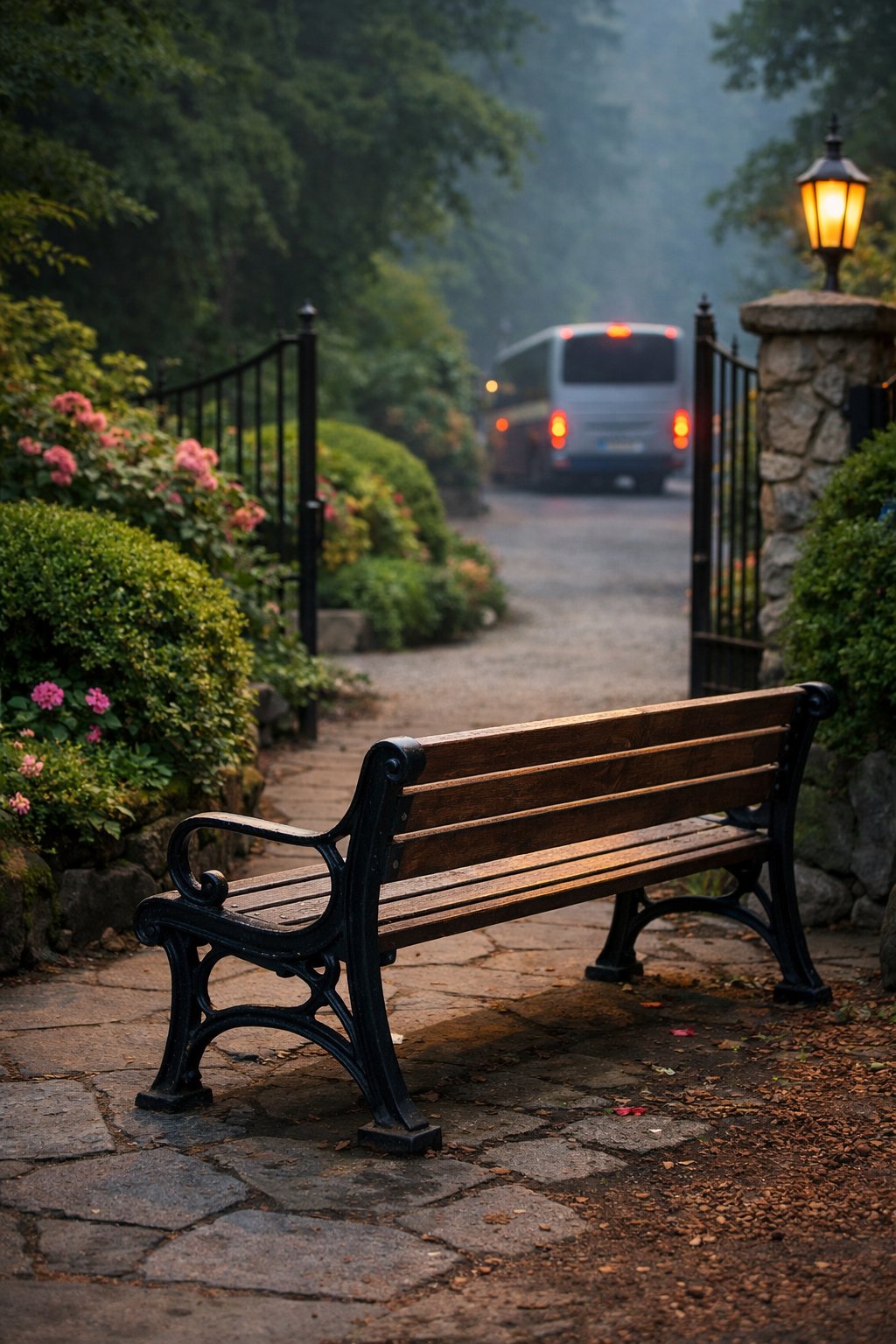
Butchart Repose
I wrote Butchart Repose after walking through the Butchart Gardens in British Columbia. The poem began as a record of fatigue and distance—the moment when beauty becomes something you must leave behind.
-
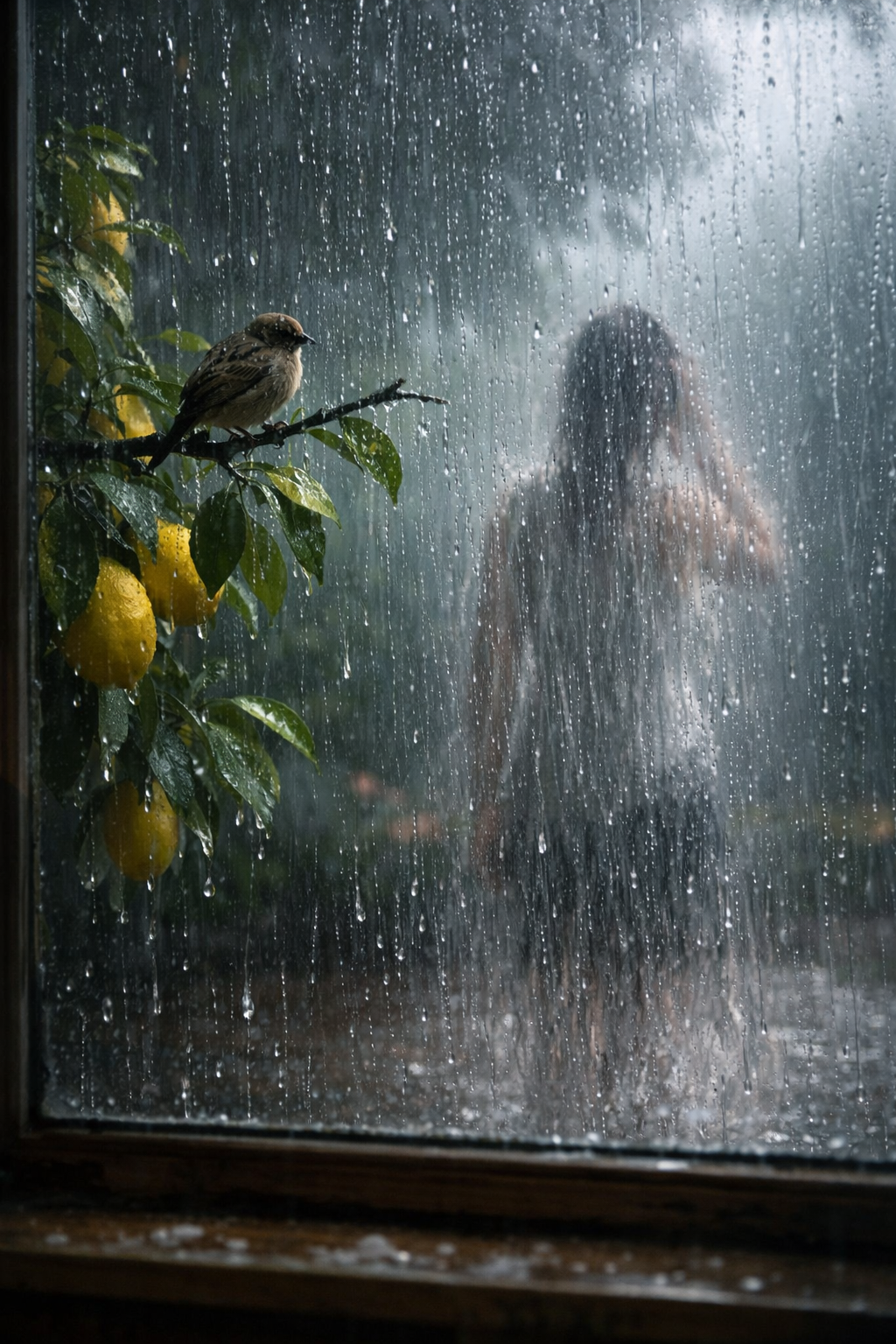
A Night of Rain
I wrote A Night of Rain after watching a bird cling to a lemon tree during a storm. The image became a study in distance—the bird, the person, and the observer caught in a triangulated gaze.
-

Elegy for a Future Death
Elegy for a Future Death began as a refusal. I wanted to write an elegy that didn’t console, didn’t mythologize, didn’t reach for metaphor. The poem strips away atmosphere and sentiment, leaving only the physical residue of absence: chain, pan, towel, nail. It’s a lyric of erosion—of what remains when return is no longer possible.…
-
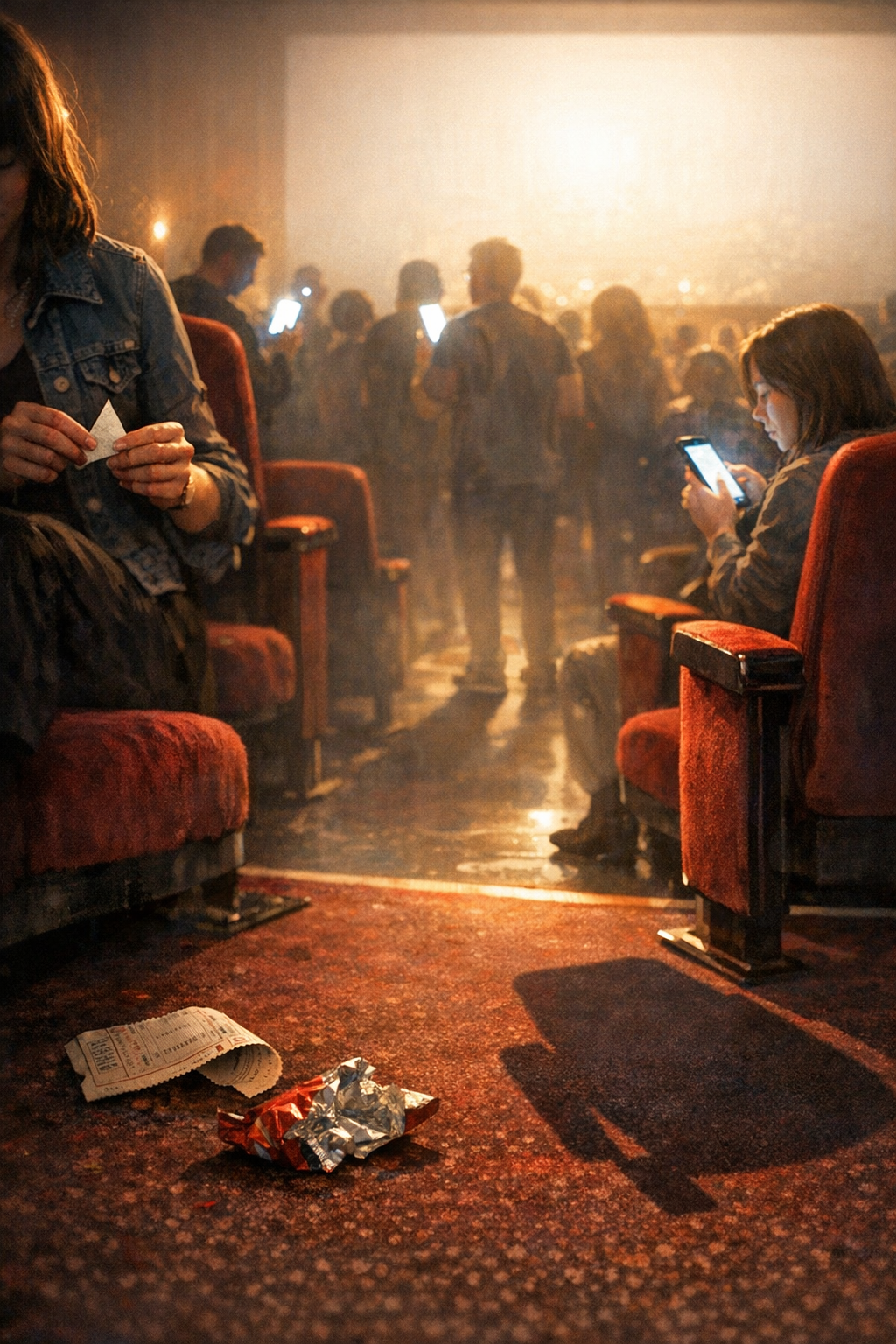
After the Movie
“After the Movie” emerged from the residue of a theater’s disassembly—the rupture of communal silence into the flicker of screens and the crackle of wrappers. I wanted to capture the moment when the film ends but its emotional architecture lingers in the objects and gestures left behind.
-

The Transparent Mother
The Transparent Mother began as a refusal to sentimentalize disappearance. I wanted to write a poem where the mother’s vanishing wasn’t metaphor but physical fact—bare feet, bloody toes, a face turned away. The poem inherits her instability without naming it.
-
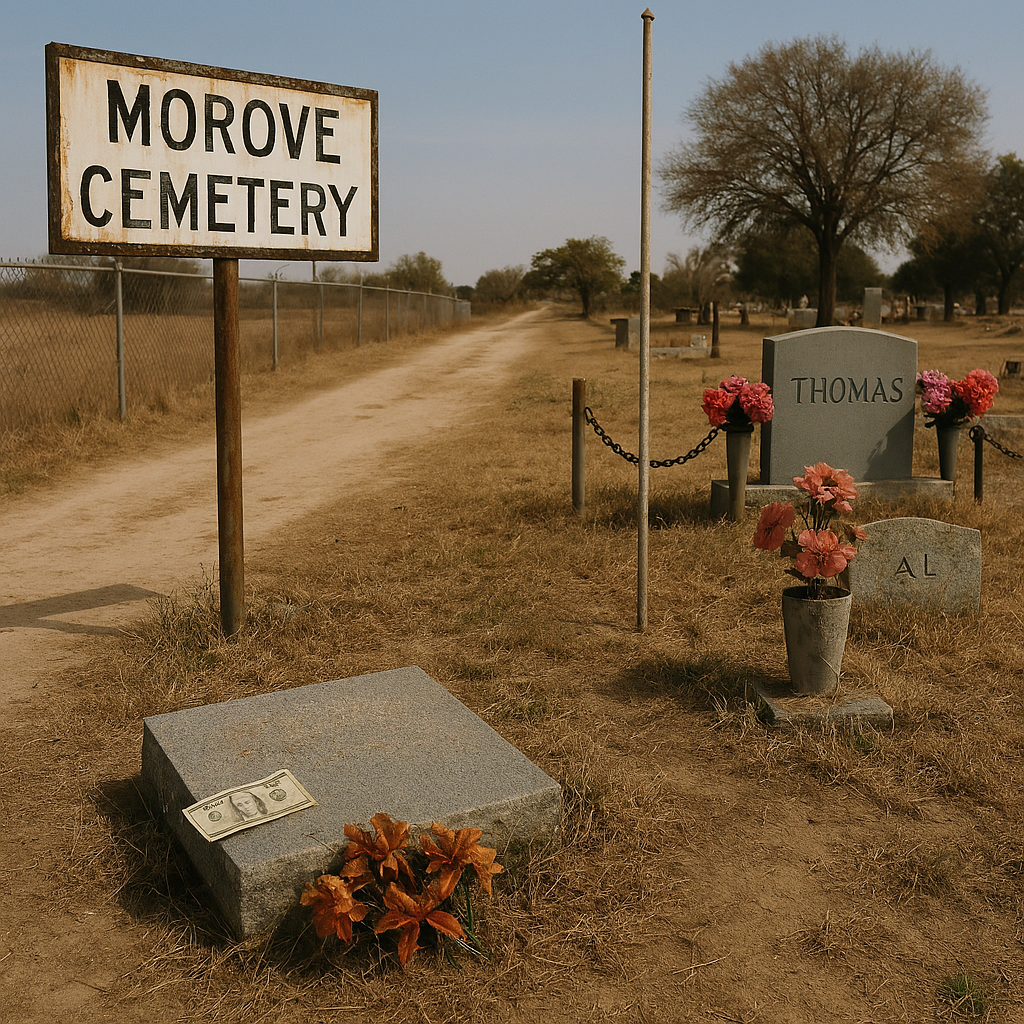
Morove Cemetery
Morove Cemetery” began as a walk through memory and inheritance. I wanted to write a poem that refused sentimentality while still holding grief in its architecture. The poem is built from objects—signs, stones, flowers, fences—that carry the emotional weight without commentary. It’s a landscape elegy, where the dead are marked by what survives them: rust,…
-

TICONDEROGA
TICONDEROGA began as a meditation on the physical relationship between body and object—specifically, the pencil as a site of memory, refusal, and violence. I wanted to write a poem that treated the pencil as a forensic artifact. The bite marks, the flaking paint, the taste of wood—all of these are real, bodily details. The poem…
-

Wail
Wail began as a test of restraint. I wanted to write a death poem without ornament, without metaphor, without reaching for comfort. The whale song emerged early—strange, bodily, and distant—and I kept it because it refused explanation. The poem is about sound that leaves the body and doesn’t come back. It’s about the final sleep…
-
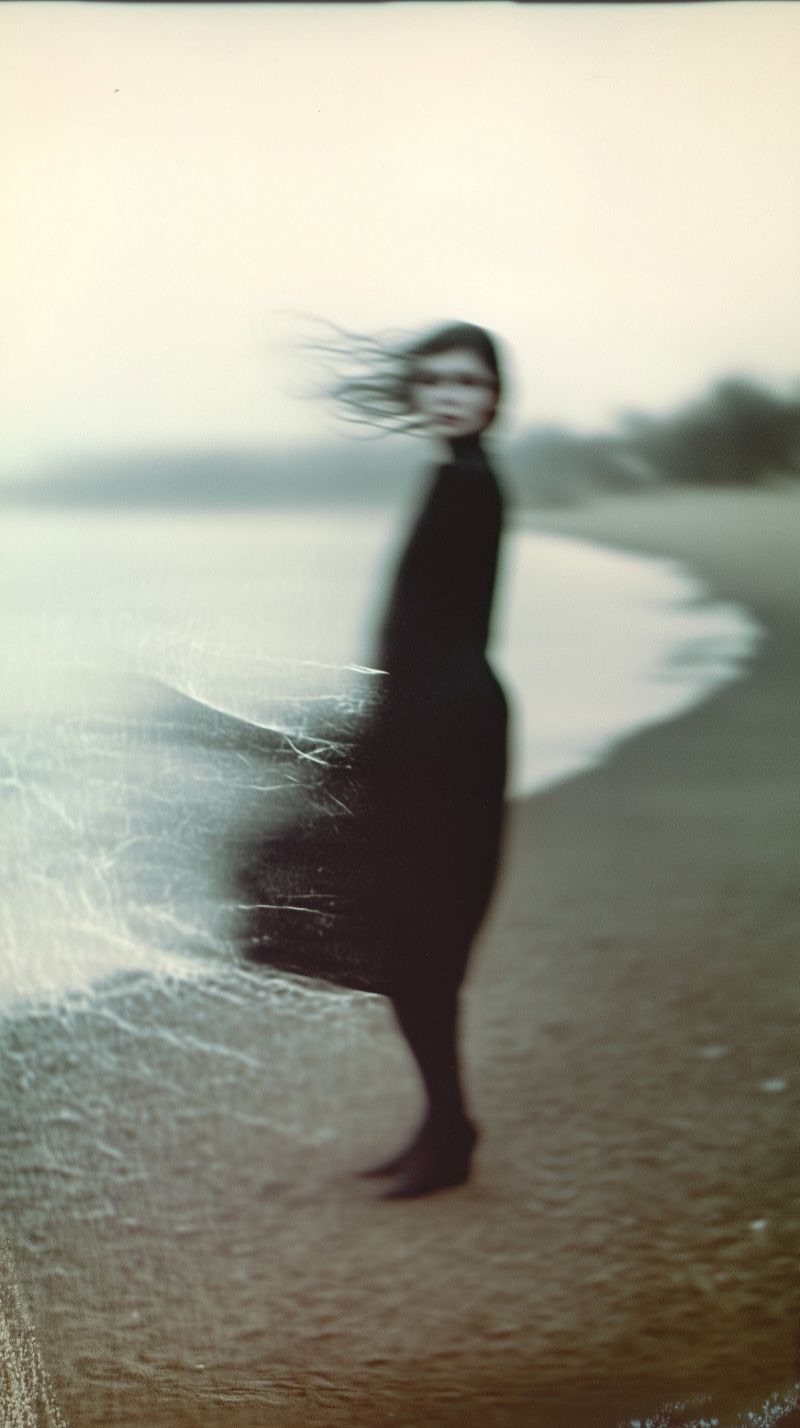
Before My Memory Began
Before My Memory Began” comes from the earliest story I was ever told about myself—a moment I cannot remember but have carried as if I lived it. The poem moves between a beach scene and a hospital room, two images that have followed me for years. I wrote it to examine how memory is inherited,…
-
Late January Arrives
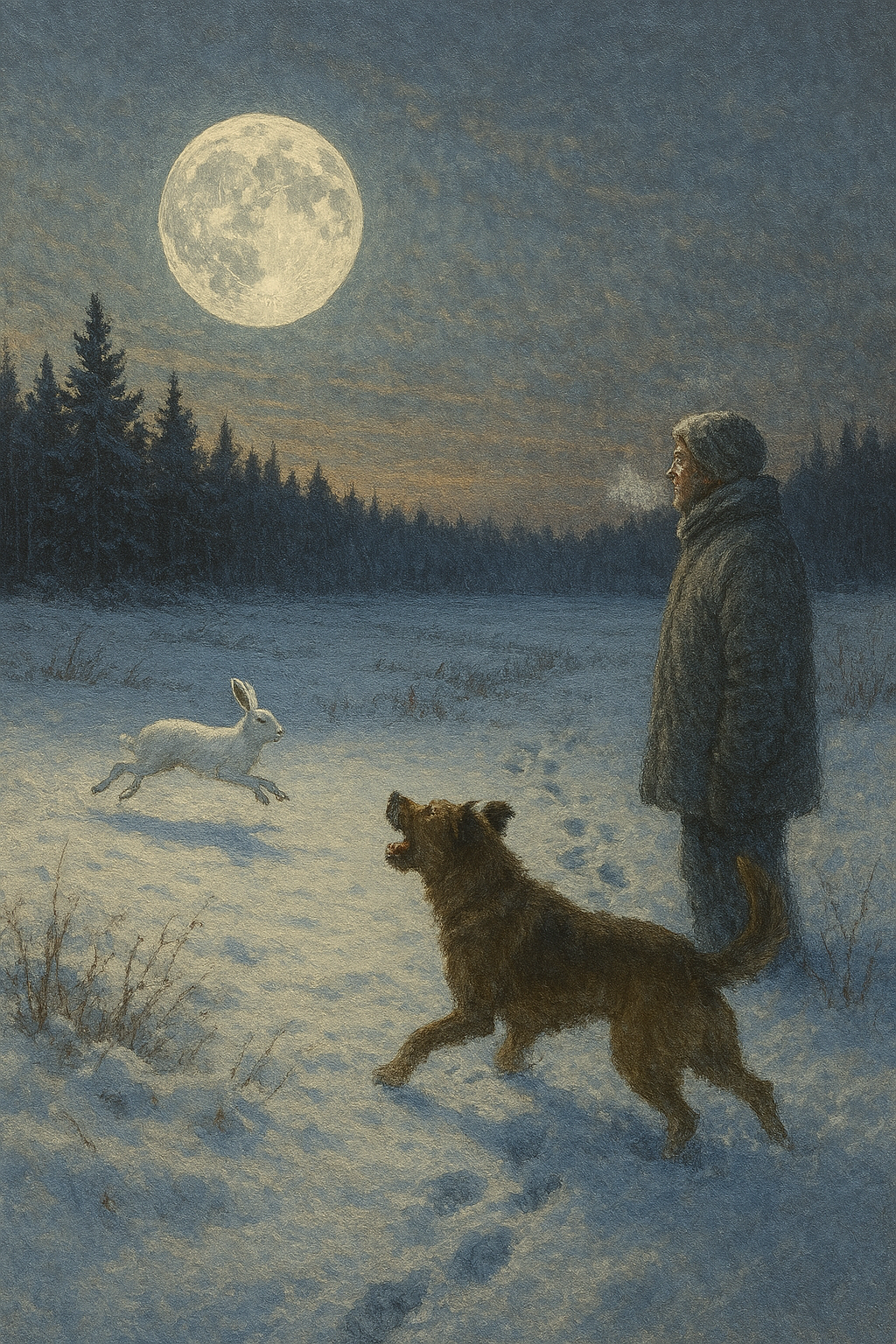
“January Arrives” emerged from a moment of stillness fractured by motion—a hare vanishing into snow, my dog’s bark echoing through the cold. I wrote this poem to honor the tension between presence and disappearance, between the human gaze and the animal trace. I wanted to create a lyric that holds without reaching, that observes without…
-
Reverb
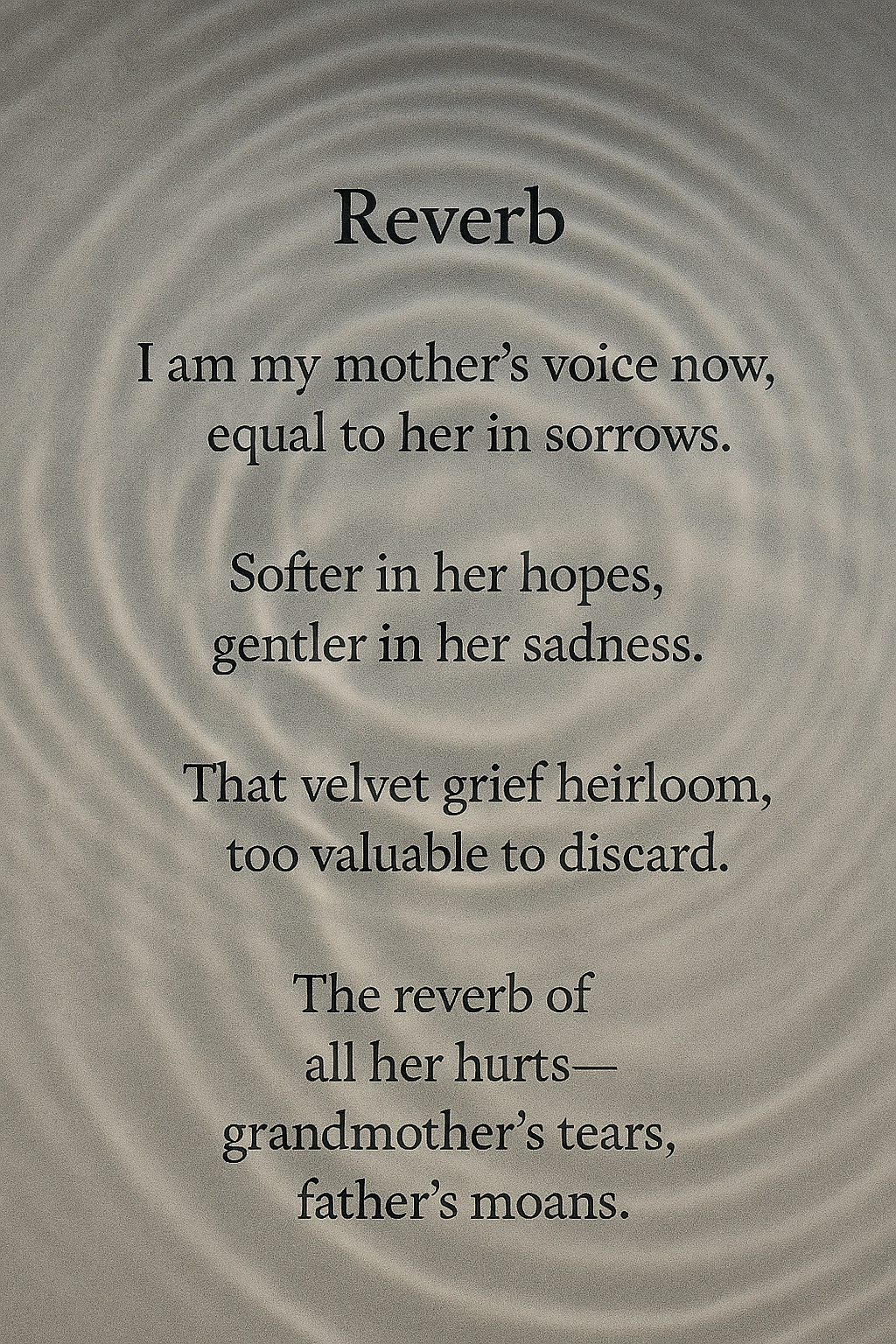
Reverb” emerged from a moment of quiet recognition—when I realized I was speaking in my mother’s cadence, carrying her grief as if it were my own. The poem is built as a series of couplets that echo generational sorrow without resolving it. I wanted the rhythm to waver, to enact the instability of grief itself.…
-
Getting There
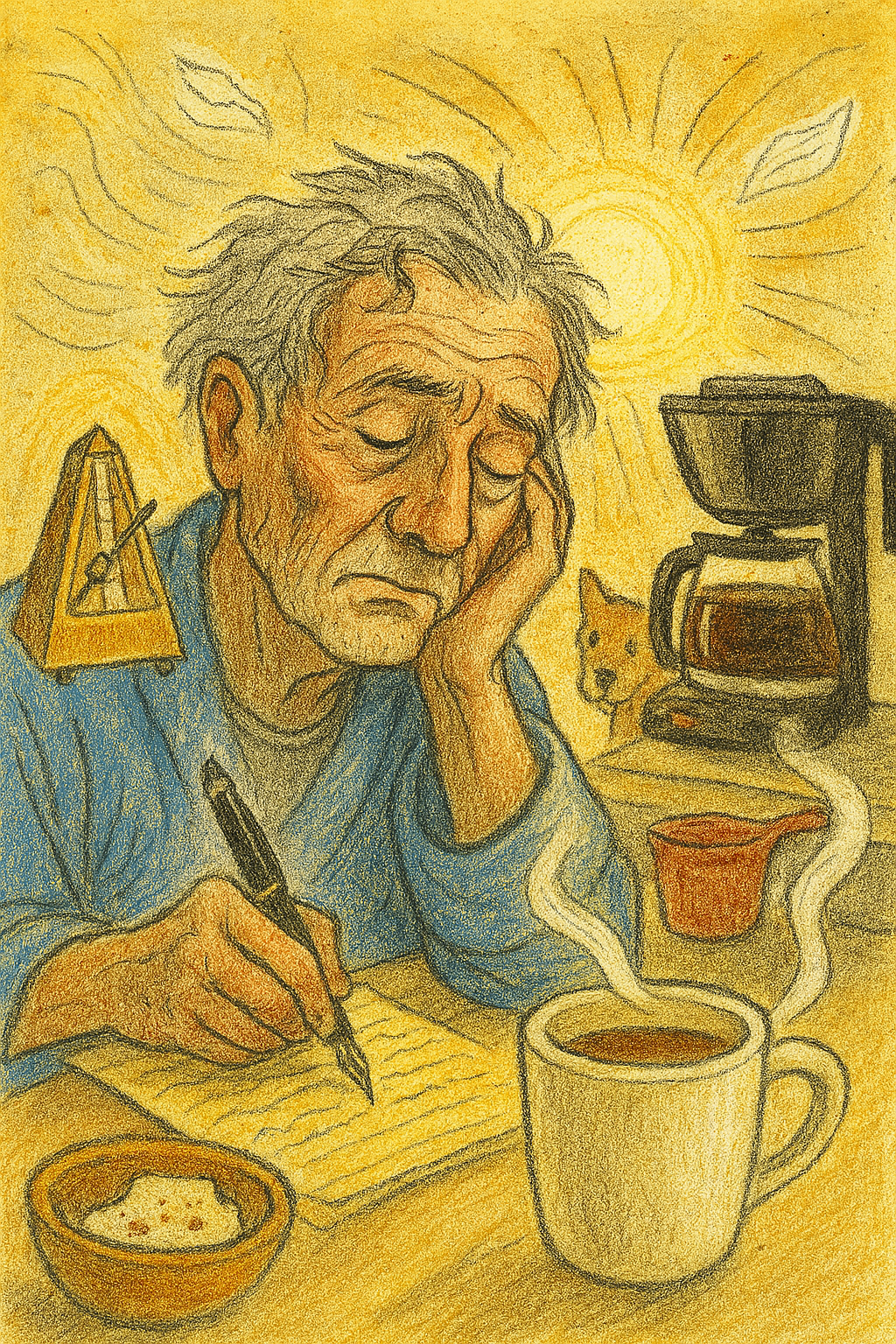
“Getting There” emerged from the rhythm of my mornings—each act of survival measured, each gesture a hinge between mortality and renewal. I wrote it after noticing how my routines—feeding the dog, checking blood sugar, making coffee—had become a kind of metronome, ticking the sacred rhythm of the day. The poem honors that rhythm and the…
-
Prometheus’ Last Day
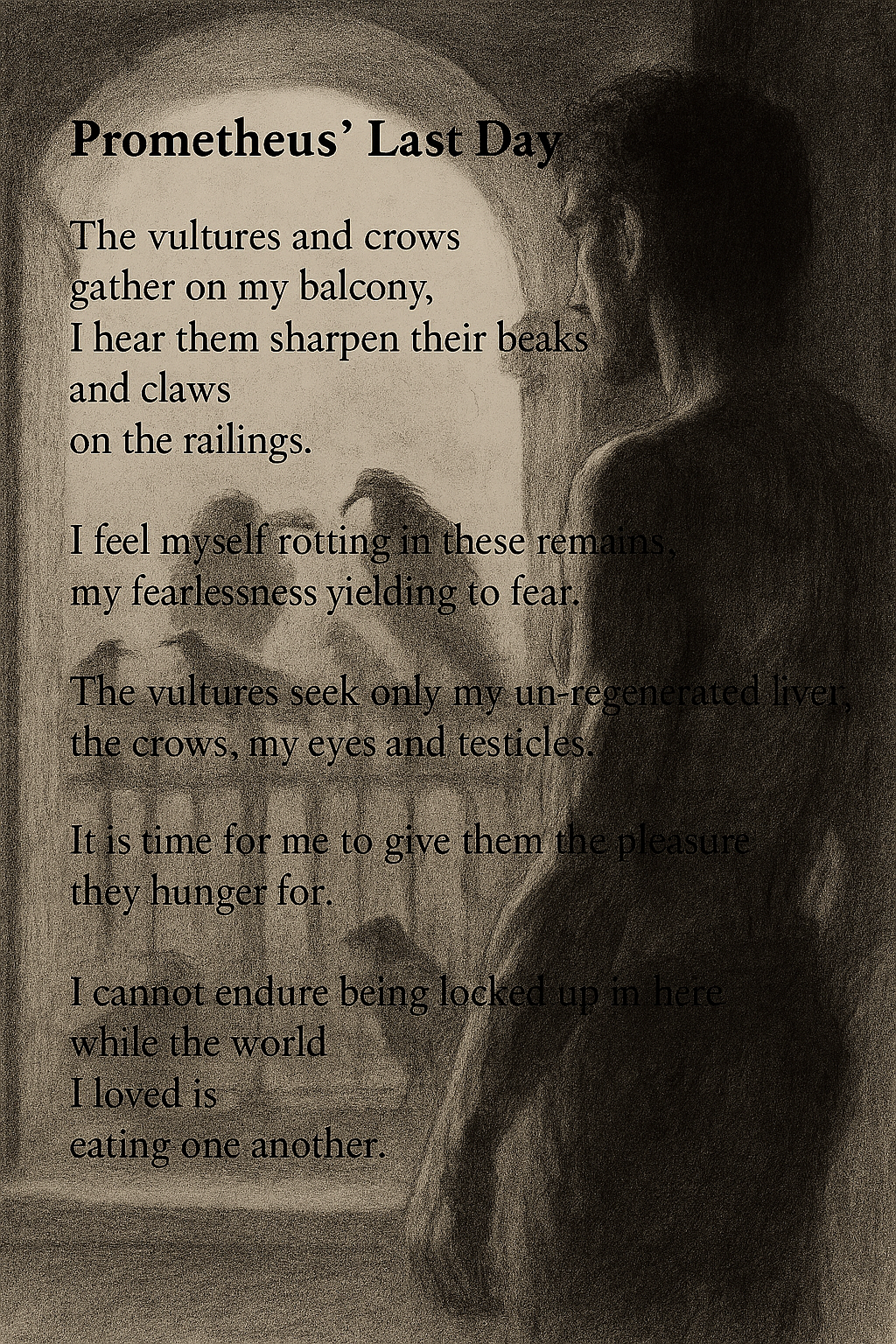
Prometheus’ Last Day began as a meditation on endurance—what it means to rot without rescue. I wanted to strip the myth of Prometheus down to its final gesture: not defiance, but surrender. The poem resists metaphor and dramatization, choosing anatomical precision and ethical collapse.
-

J’s Sky
“J’s Sky” emerged from the final moments I shared with someone I loved deeply. I wrote it in the hush that followed her passing, where grief had no metaphor—only gesture. The poem resists sentimentality and instead ritualizes consequence through pared-down language and elemental imagery. The sky becomes a container for ash, not answers. I wanted…
-
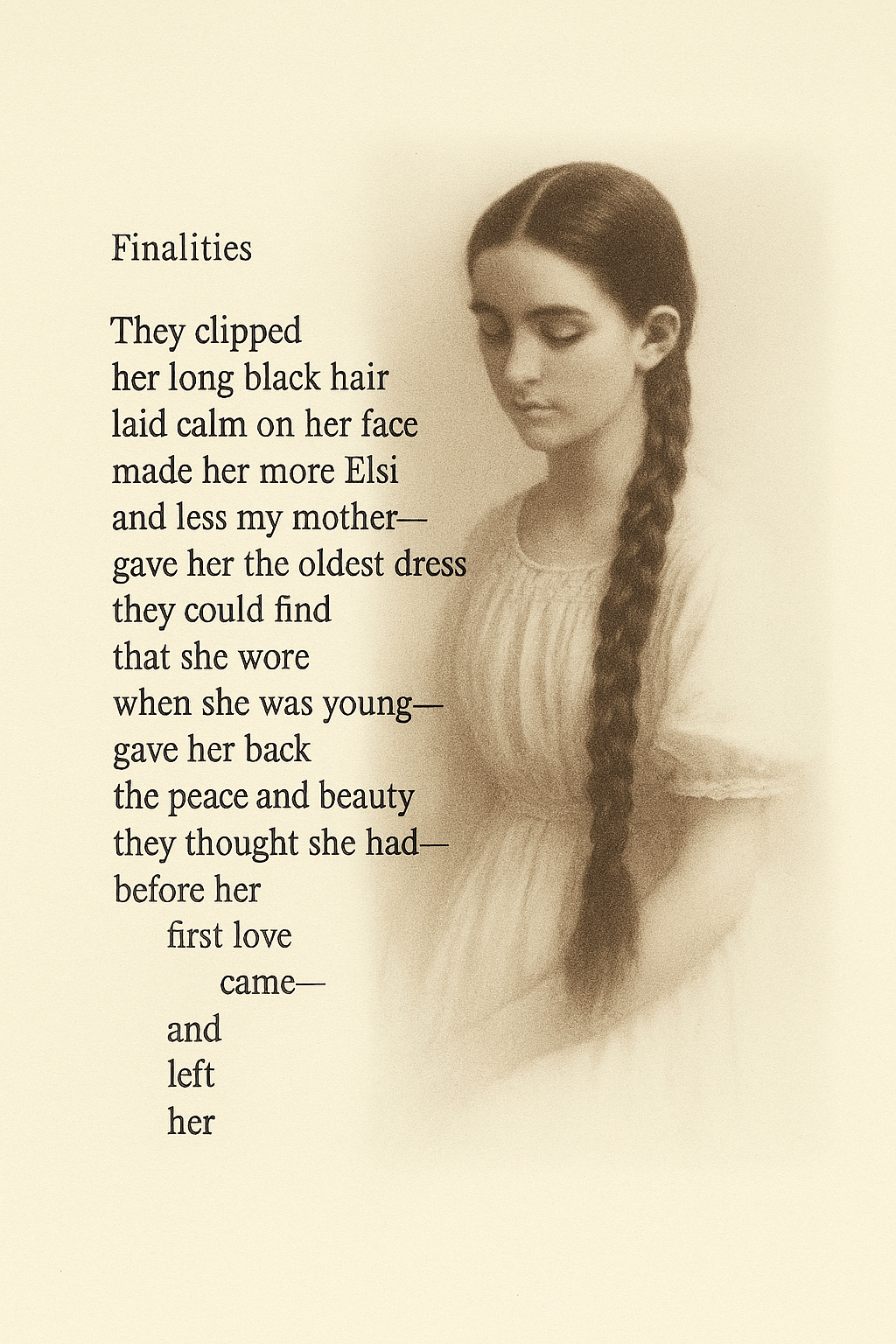
Finalities
Finalities emerged from a moment of ritual clarity after my mother’s passing. I wanted to honor not just her memory, but the gestures others made to restore her—clipping her hair, dressing her in youth, renaming her Elsi. It stages mourning as a quiet choreography of speculative grace. It’s about the transformation of a woman into…
-

Ten Prayer Requests Folded Like Love Notes
This poem began as a private act of grief and ritual—a way to place prayers where no one would find them but God. I wrote it in a shaky, illegible hand, not for clarity but for sincerity. The poem explores themes of sacred concealment, ethical restraint, and the refusal of spectacle. It’s a gesture of…
-

Blue Mercy
“Blue Mercy” began as a quiet observation—a fly, a door, a gesture. But beneath its domestic stillness, I found a philosophical hinge: mercy as both restraint and release. The poem is an allegory of consequence, where the blue swatter becomes a symbol of ethical tension—between intervention and surrender, between light and disappearance. My wife’s presence,…
-
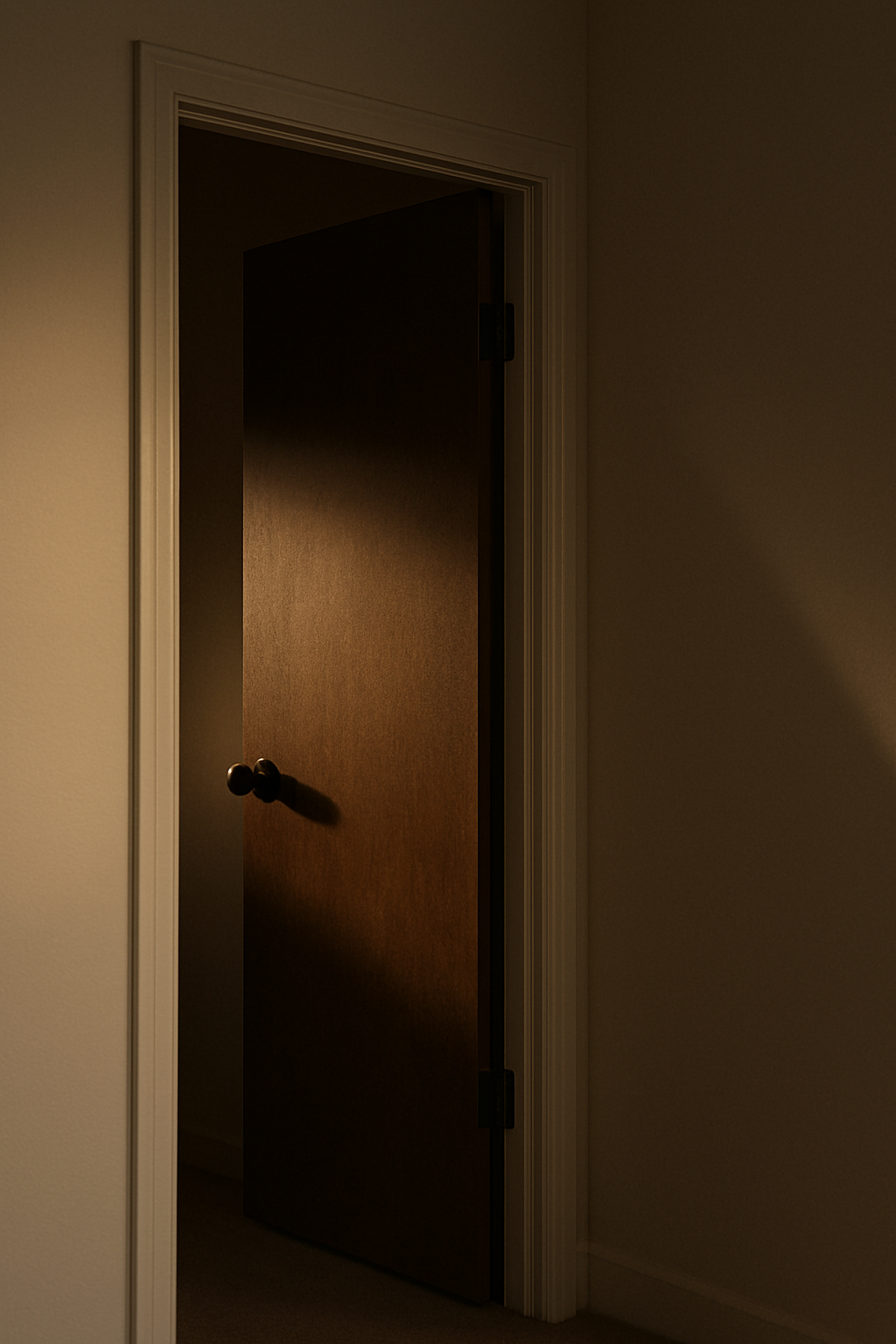
Soft Closure
Soft Closure” emerged from the quiet aftermath of loss—when grief no longer demands spectacle but settles into the architecture of daily life. The poem is built around a single domestic gesture: a door closing softly. It resists sentimentality and instead leans into restraint, letting silence and echo do the emotional work. I wanted to evoke…