Tag: compression
-

Daughter-Father Chase Scene
I wrote Father‑Daughter Chase Scene to measure the emotional distance between love and refusal — how care becomes mechanical when expressed through objects. The poem balances warmth and coldness, counting the space between a daughter’s plea and a father’s silence.
-

Lake Ontario/Lake America
I wrote Lake Ontario / Lake America after reading about political renaming as a form of ownership. The poem examines how language tries to overwrite geography, but the object—the lake—remains indifferent.
-
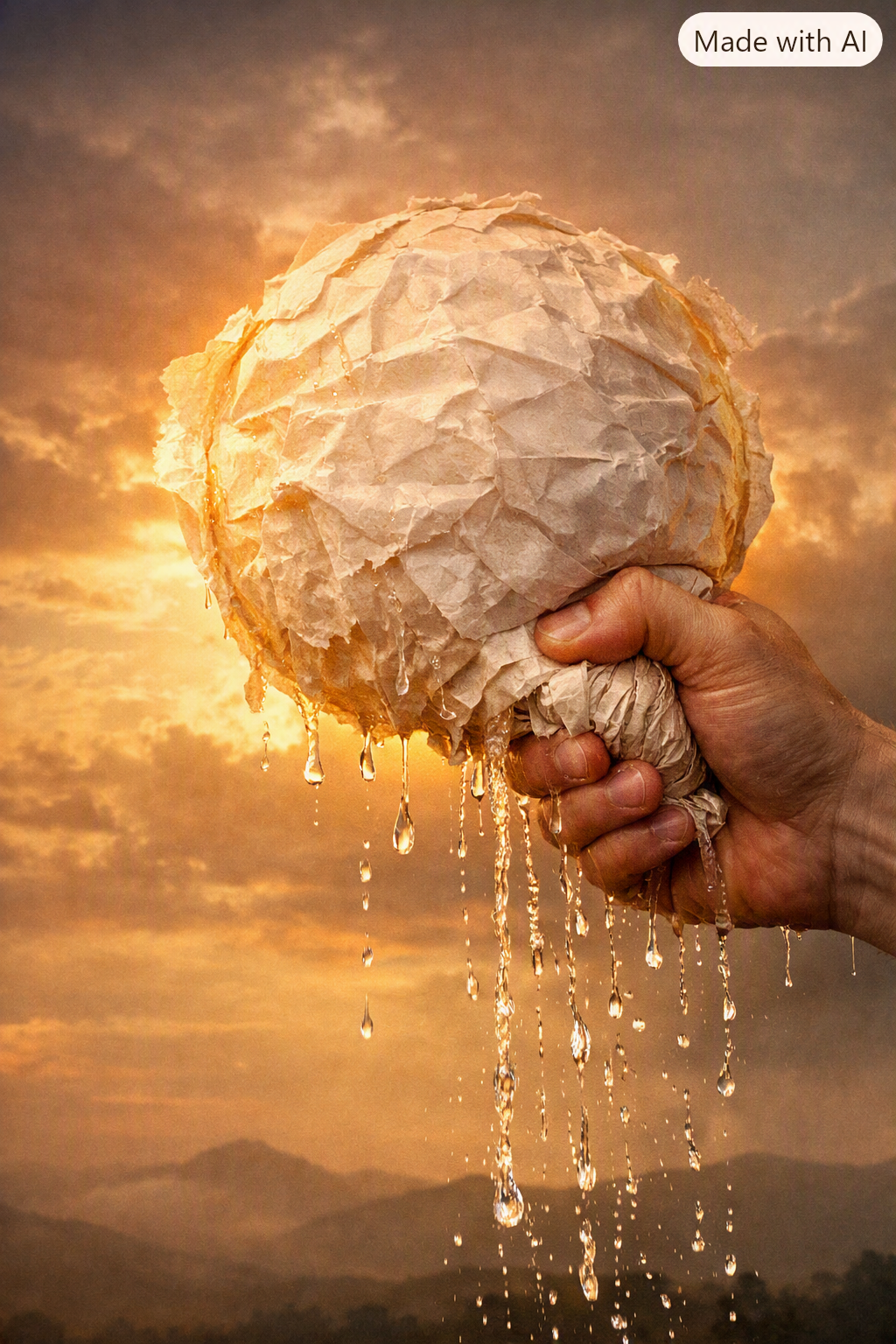
Paper Sun
Paper Sun began as an experiment in object logic—how a poem can behave like the thing it describes. I wanted to show poetic creation as a physical process: absorption, distortion, and wringing into form.
-
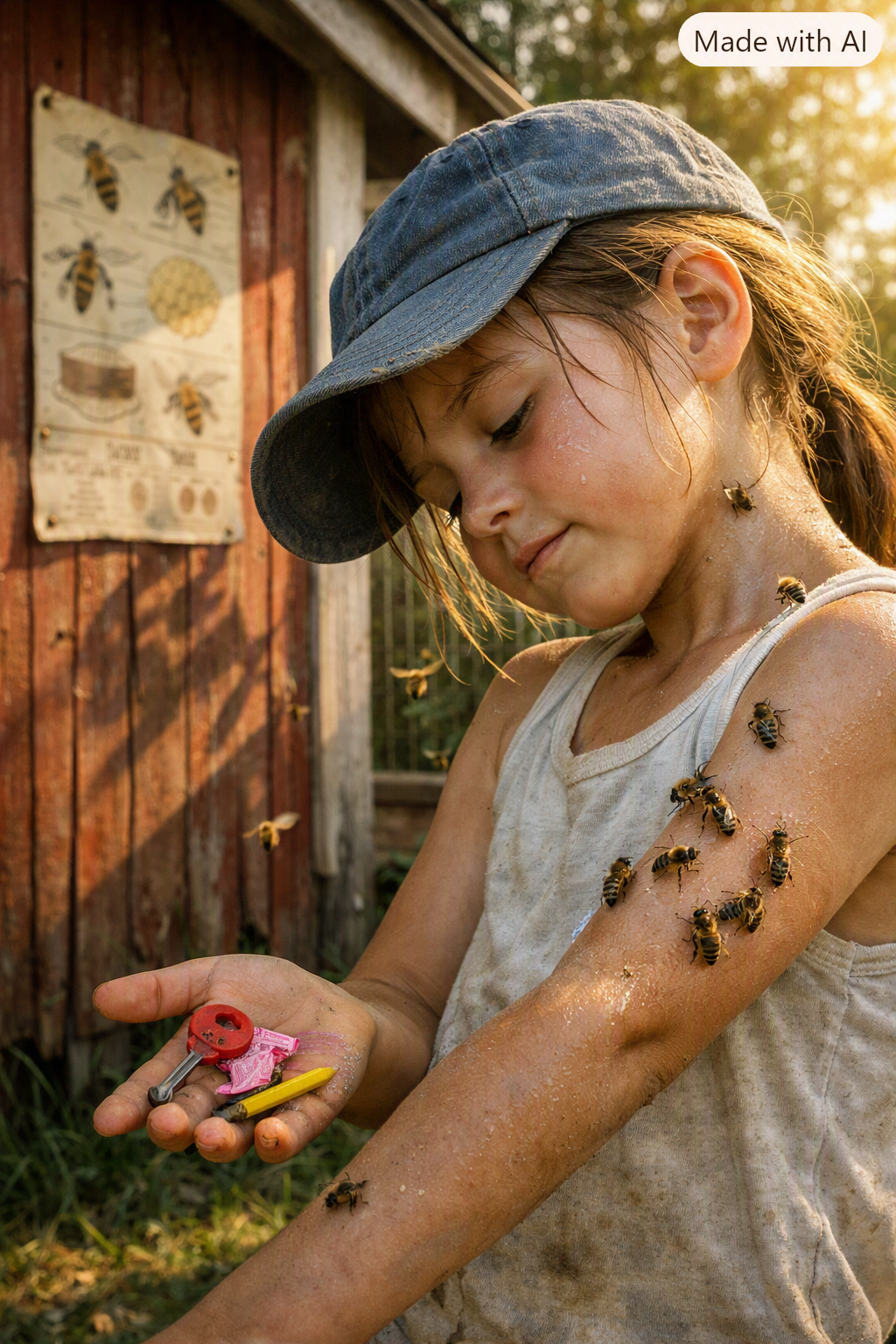
The Honey Alone
I wrote The Honey Alone after watching bees swarm near a shed in late summer; the scene became a study in pressure and inheritance. The poem examines how sweetness and labor coexist in the same body without sentiment or explanation.
-

Why They Closed the Pool
I wrote Why They Closed the Pool after watching a drained municipal pool in late summer, its surfaces still carrying the memory of pressure. The poem studies how objects record disappearance—how heat, torque, and suction become the only witnesses left.
-

A Loss
I wrote A Loss after burning a photograph that refused to fade on its own. The poem examines how ritual and chemical reaction replace sentiment, turning memory into residue and pressure.
-
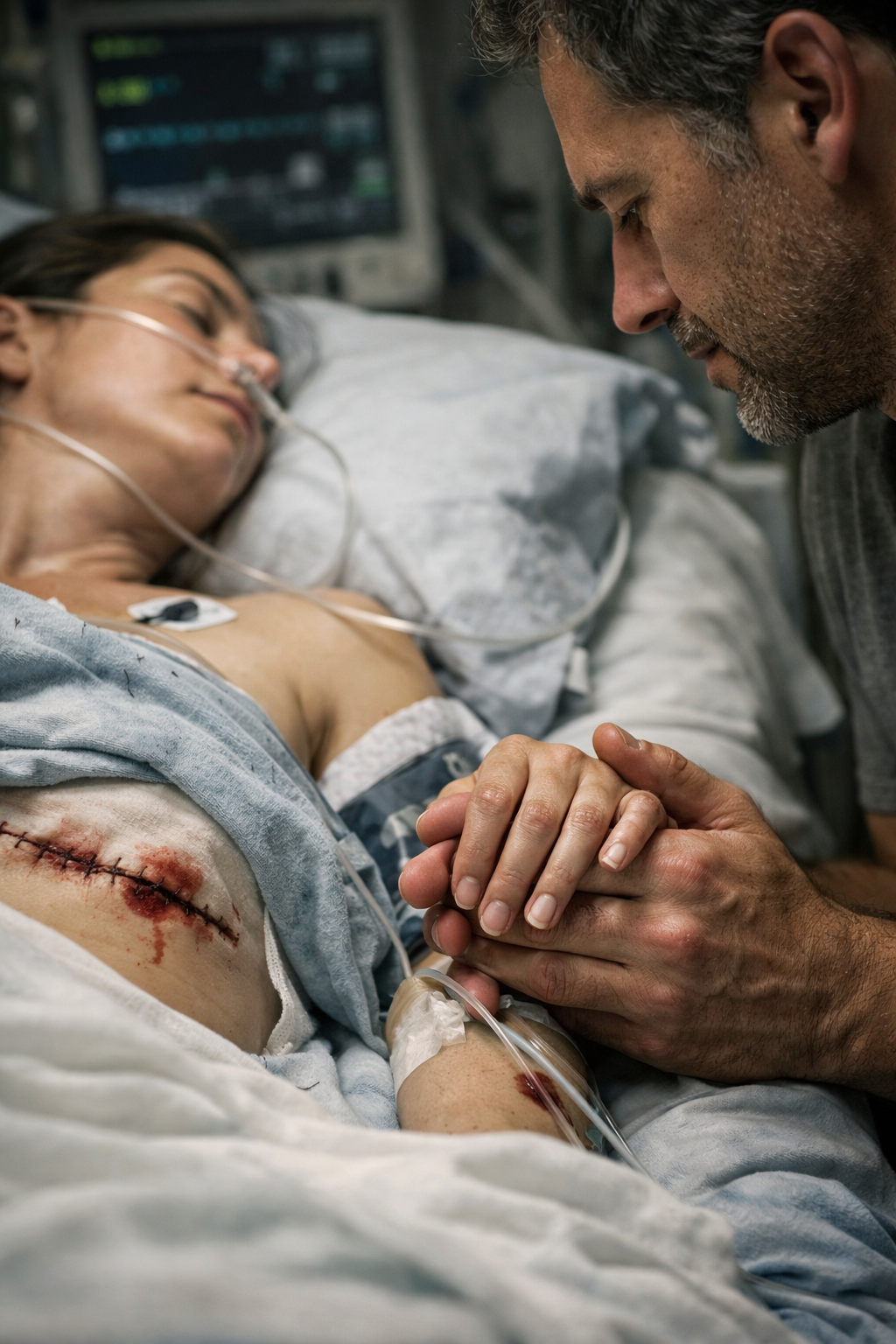
Love Is
I wrote Love Is after my cancer surgery, when my wife sat beside me and held my hand as I woke. The poem is about how love survives the body’s breaking — not through comfort, but through the persistence of touch after pain.
-

Smitten
This poem began as an attempt to strip the forge down to its procedural essentials — heat, pressure, marking — and let the body register the transformation without emotional naming. I’m interested in how objects enact change, how the smallest indentation becomes a record of force.
-
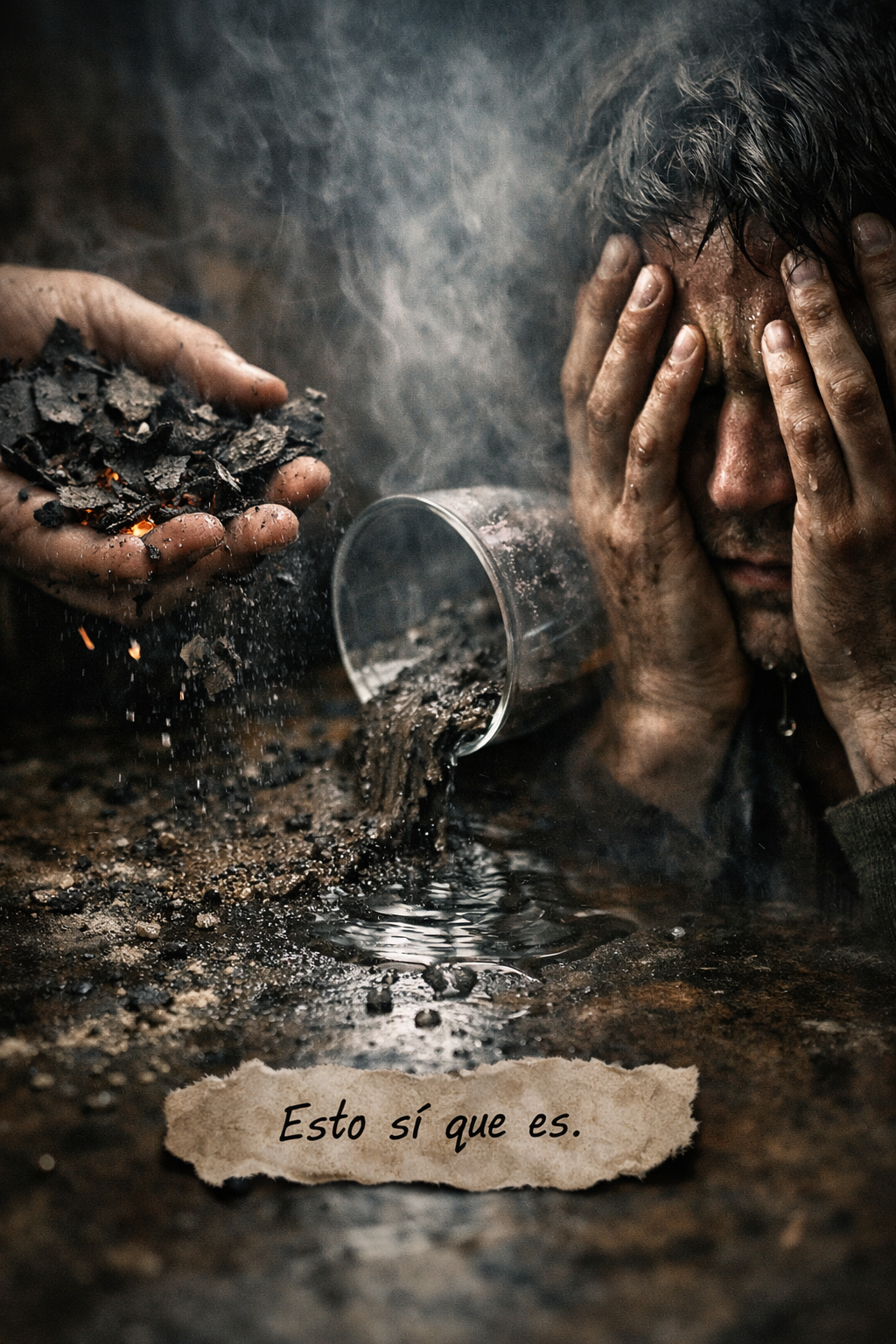
The Thing Is
wrote The Thing Is after watching ash fall from a burned letter and realizing how grief behaves like sediment — heavy, particulate, and impossible to swallow. The poem explores how matter carries emotion when language refuses to.
-

After the Fire
After the Fire began as a study in aftermath—how heat lingers after gesture fails. It’s about the refusal to touch, and the way physical residue becomes the only language left between two people.
-
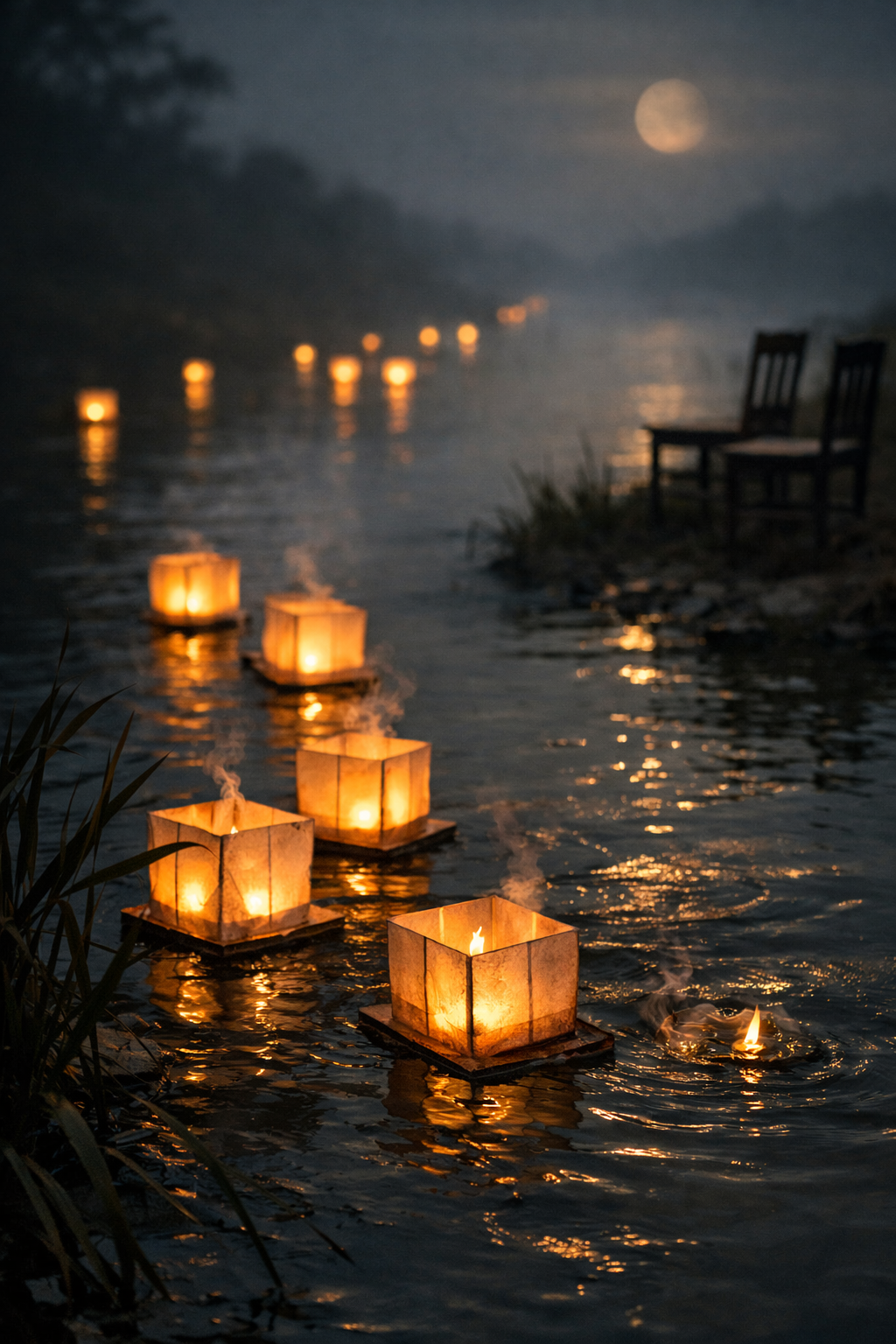
The Lantern’s Vigil
This poem began as a study of ritual and light—how grief moves through objects without naming itself. I wanted the river to do the speaking, to let the lanterns fail quietly and completely.
-
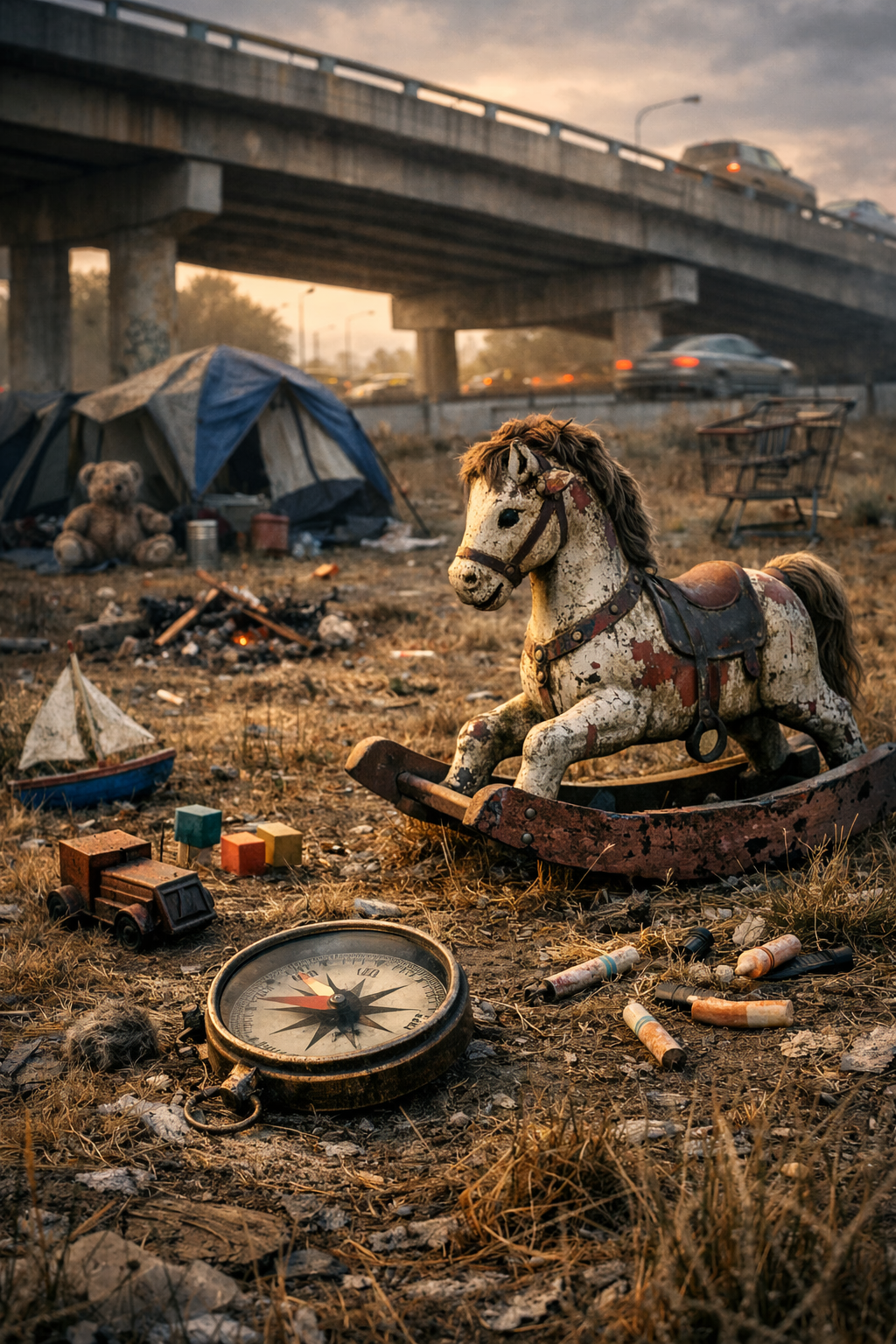
A Child’s Toys
I wrote A Child’s Toys after passing an encampment beneath an overpass where discarded playthings mirrored the fragility of shelter. The poem traces how innocence collapses into survival, how the compass of childhood still spins in ruin.
-
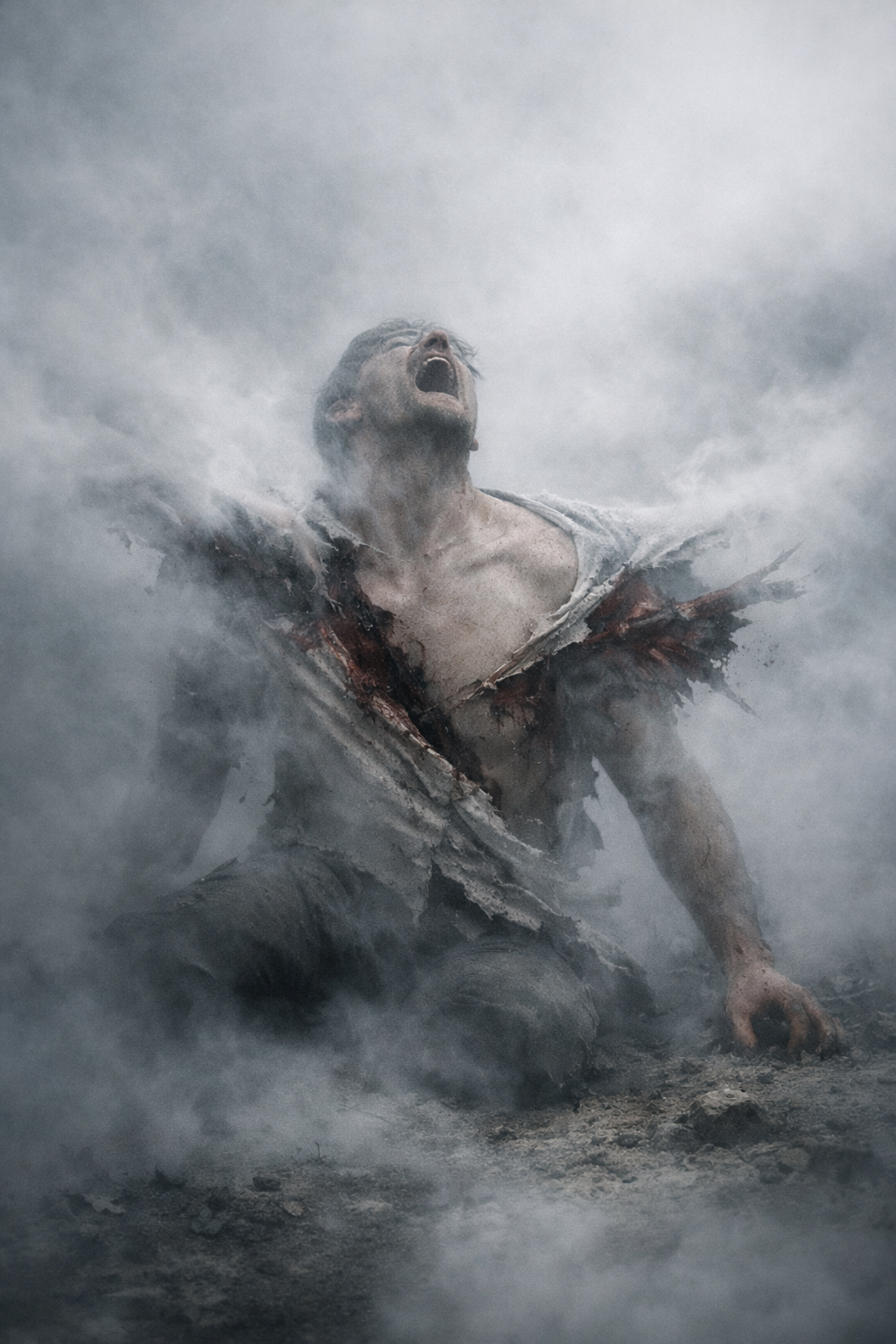
Expulsion
I wrote Expulsion after realizing how exile can happen inside the body itself—how being torn from one’s own ground feels both violent and necessary. The poem’s theme is rupture as transformation: the moment when pain becomes the only proof of change.
-
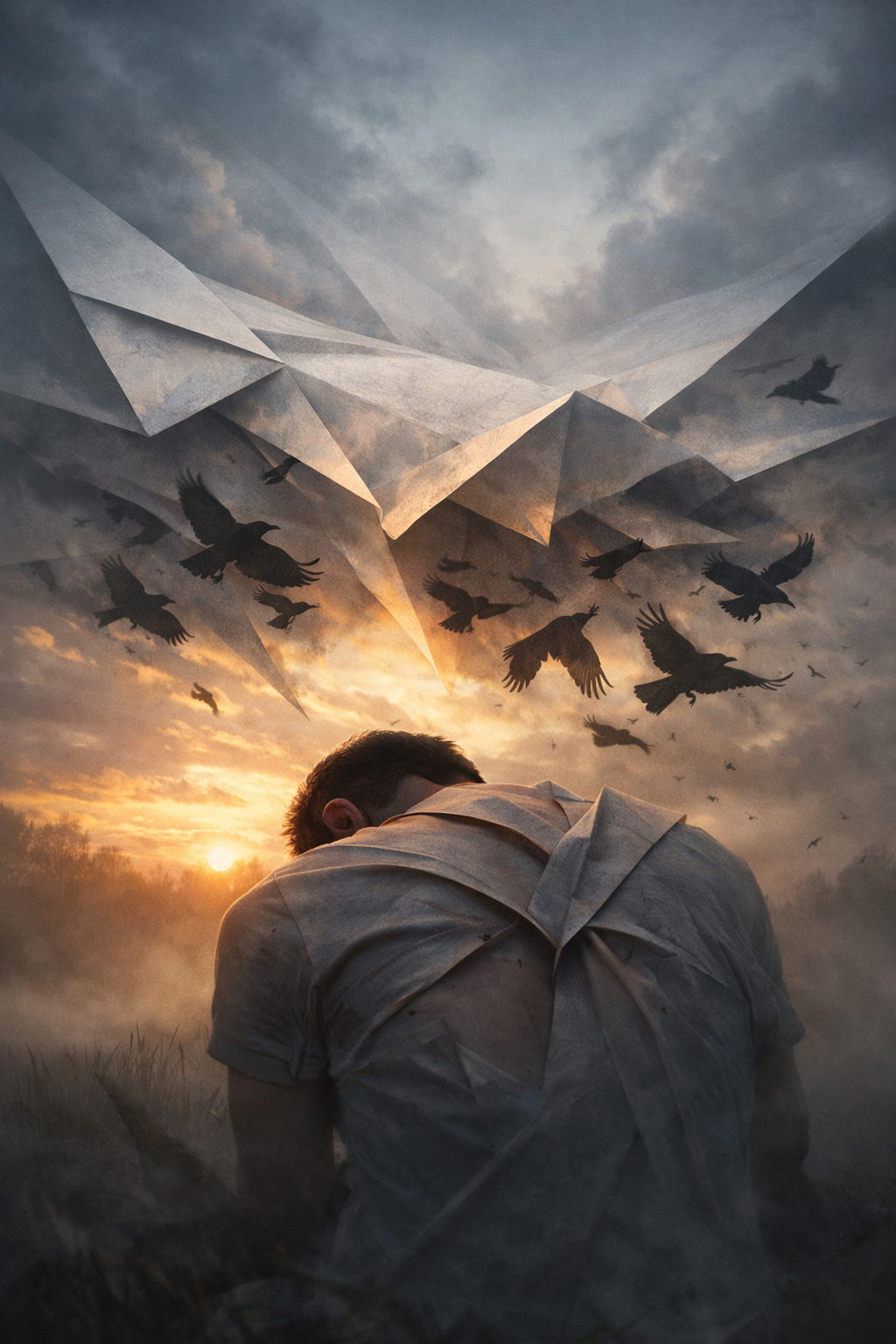
Morning Origami
I wrote Morning Origami out of the daily ceremony of chronic pain — the body folding itself under invisible pressure. The poem enacts that ritual as a dialogue between sky and flesh, where endurance becomes a kind of devotion.
-
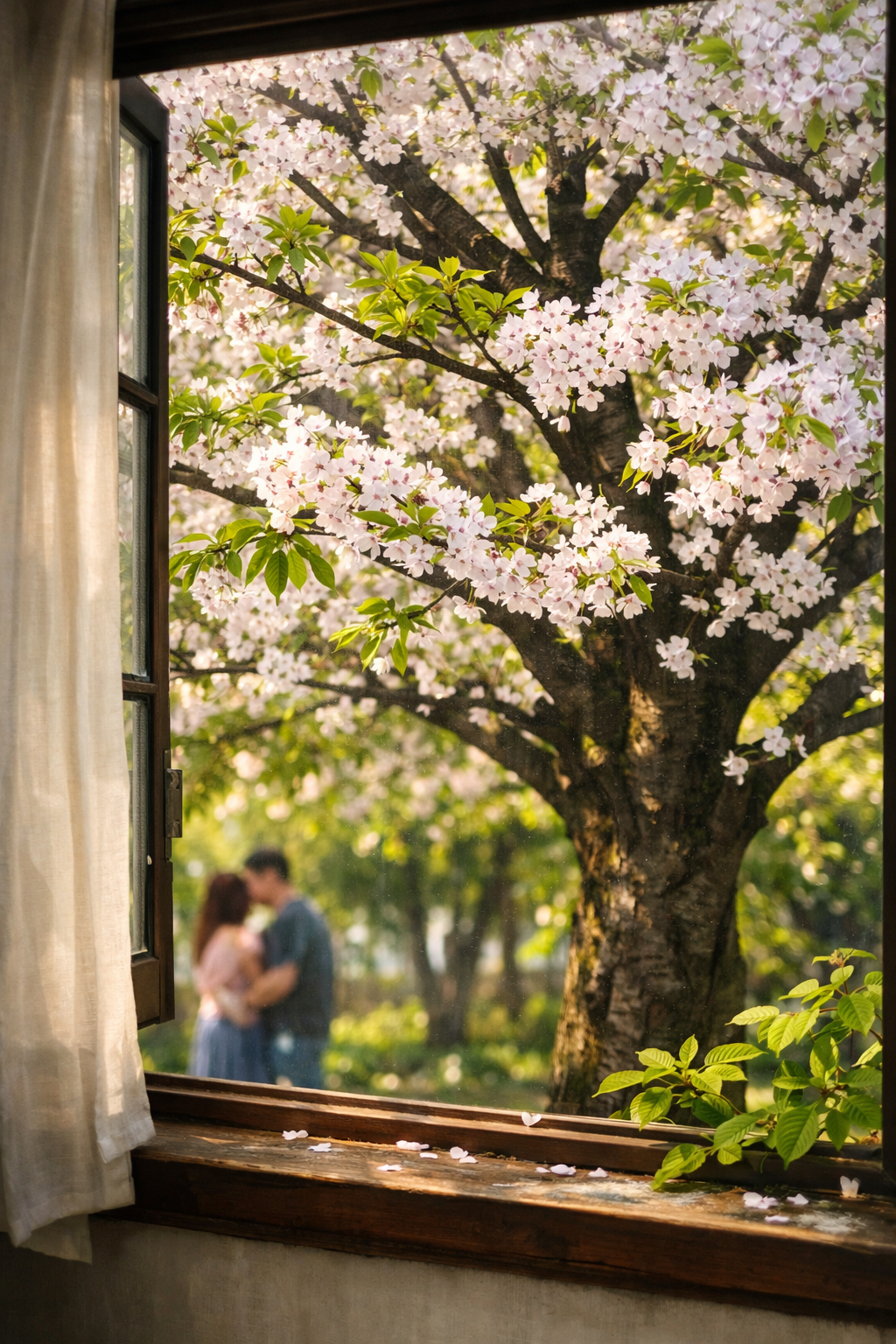
Plagiarism
This poem began as a meditation on how renewal can feel like duplication rather than change. Its theme is the tension between natural recurrence and human fatigue—the way life reissues itself even when we wish it wouldn’t.
-

Vestige
I wrote Vestige out of the memory of my mother’s rituals—how care and vigilance could harden into preservation. The poem began with the image of towels draped over thorns, a gesture that felt both protective and sacrificial. I wanted to explore how domestic acts—counting, tending, washing—become ceremonies of control and grief. The poem’s tone is…