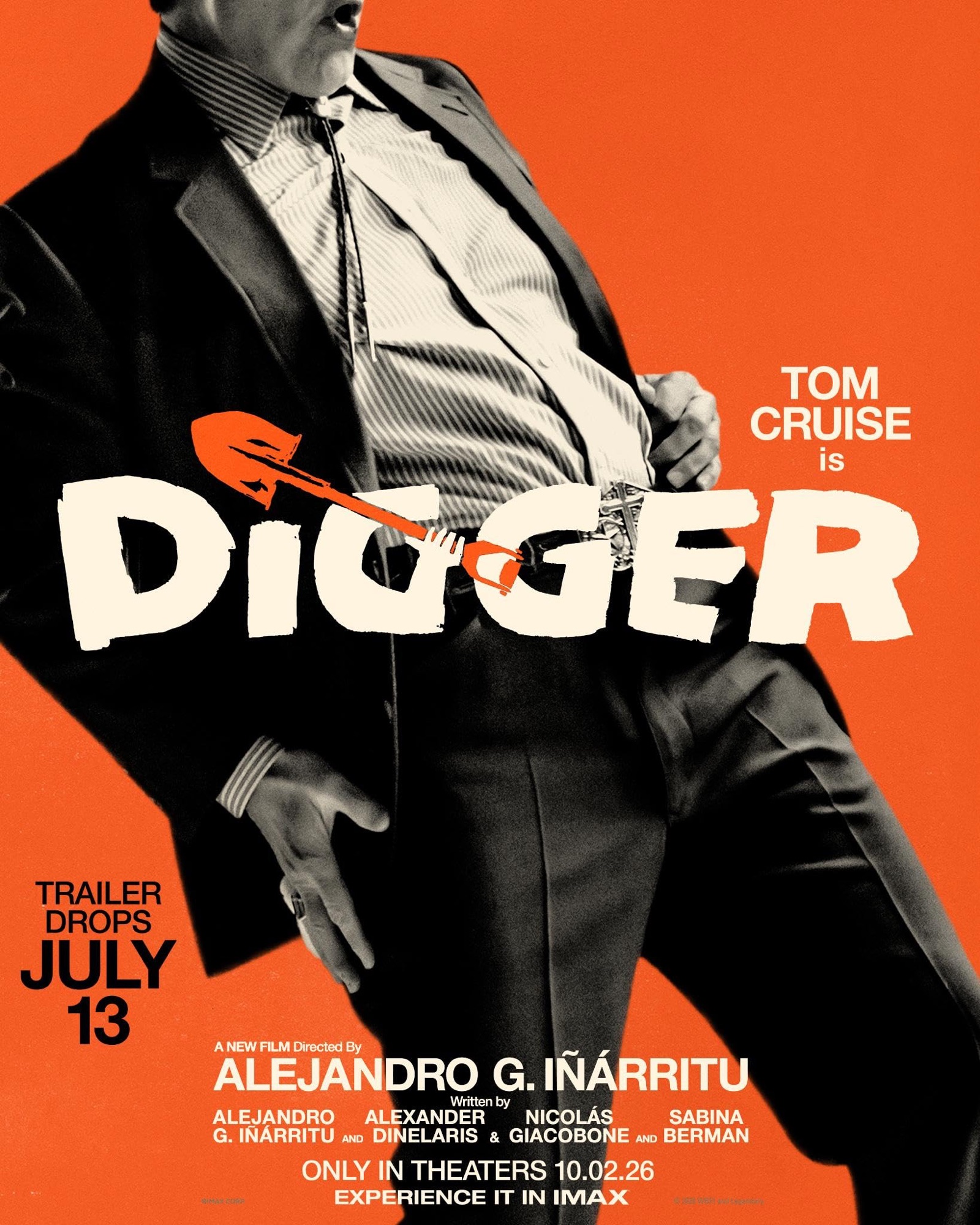


Alejandro G. Iñárritu’s Digger arrives with the sort of prestige package that usually inspires awards chatter and investor optimism. Instead, it lands with the force of a controlled demolition. The film tears into billionaire arrogance, ecological collapse, political cowardice, and the entertainment industry’s appetite for spectacle, often in the same breath. What emerges is a strange, uneven, frequently fascinating satire that seems determined to annoy the audience nearly as much as it wants to enlighten them. Somehow, that commitment becomes part of its appeal.

Iñárritu directs with a deliberate excess that sometimes edges toward self-parody. The film’s layered structure reveals that much of its catastrophe narrative is a rehearsal for a stage production, giving him a way to critique both those who shape disasters and those who turn them into easily consumed cultural products. The approach is intellectually ambitious, though at times it seems to carry more weight than it can comfortably bear. Some stretches feel more like declarations than conversations, which can make the film feel less open to its characters. Still, even when it leans into its ideas, the craftsmanship behind the chaos is unmistakable. Iñárritu knows how to channel moral outrage into cinematic momentum, even when the ideas are presented with little subtlety.

Tom Cruise delivers one of the most compelling performances of his career, bringing a thoughtful self-awareness to his dual roles as oil magnate Digger Rockwell and actor Curtis Markson. His willingness to reveal their vanity, fear, and delusion gives the film much of its force, while allowing room to glimpse the vulnerability beneath their flaws. The performance resists an easy redemption: Digger remains deeply flawed to the end, a man who initially treats catastrophe as a public relations problem before, from an offshore fortress surrounded by the remnants of privilege, reaching out to God. The irony is sharp, but the film leaves space for a measure of compassion without diminishing the consequences of his choices.

The supporting cast brings warmth and depth to material that can sometimes feel like a series of speeches rather than natural conversation. Riz Ahmed gives the scientist no one seems to hear a thoughtful, urgent presence. John Goodman portrays presidential incompetence as a dark recurring joke, though its humor gradually gives way to unease. Sandra Hüller and Jesse Plemons add welcome notes of bitterness and absurdity. Their performances help humanize a screenplay that can press its points so insistently that subtlety seems to be another resource being used up.

What ultimately makes Digger worth seeing is its refusal to offer easy comfort. The film suggests that the systems behind collapse can absorb even their own failures, turning them into profit and keepsakes. Its cynicism can feel exhausting, and its insistence on spelling out every point sometimes softens the force of its sharper observations. Even so, there is something invigorating about a major studio film willing to be so strange, confrontational, and occasionally ridiculous. Digger is messy, overextended, and at times caught up in its own cleverness. Yet it remains one of the year’s more memorable studio releases: a sprawling, expensive sermon about the end of the world, delivered by people who helped build the stage.

Grade: B.


Leave a Reply