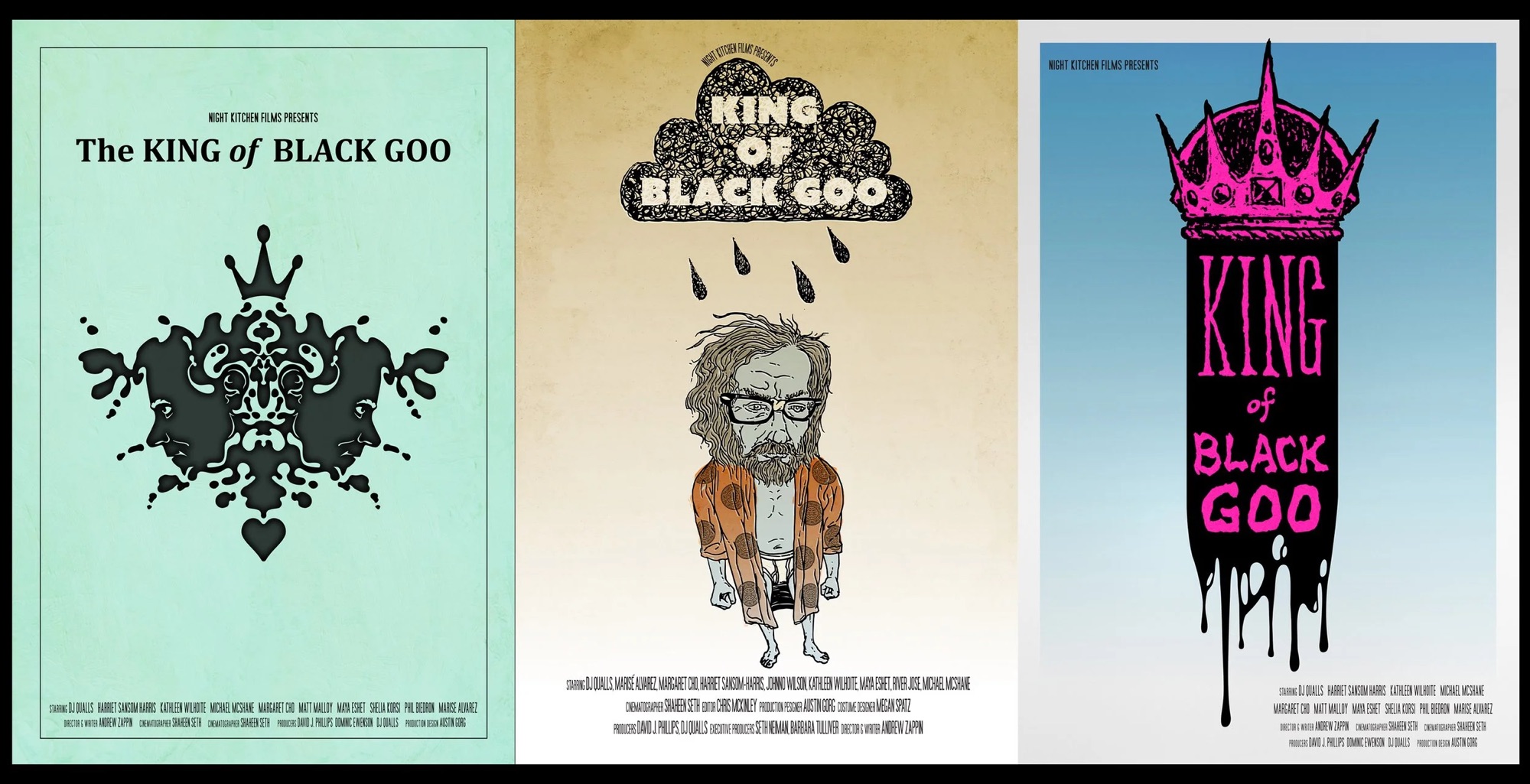


The King of Black Goo makes its striking entrance at the Chattanooga Film Festival as a deliberately volatile creation—part bizarre sci‑fi comedy, part romantic allegory, part chaotic blend of genre influences. Andrew Zappin crafts the film around a simple yet compelling premise: a bitter,孤立的 man undergoes a medical transformation to become “worthy of love.” But the film treats this premise not as mere psychology, but as raw material—a process reminiscent of reshaping a damaged polymer. It boldly proclaims its strangeness without hesitation.

The early scenes work best. Zappin keeps the frame tight, the performances sharp, and the world slightly off‑kilter. DJ Qualls portrays the protagonist as someone already partly erased, a man whose gestures seem borrowed from older, discarded versions of himself. The supporting cast—Kathleen Wilhoite, Margaret Cho, Johno Wilson—serve as counterweights, each grounding the film’s more unsteady tonal shifts. When the film embraces its “wonderfully unhinged” reputation, it does so through texture rather than chaos: fluorescent medical lighting, thick lab materials, and a feeling that every surface is just one touch away from contamination.

Mid‑film, the structure begins to loosen, revealing the rom‑com core beneath. The film’s bizarre impulses clash provocatively with its narrative obligations, creating a lively tension. Scenes that should build tension instead drift, jokes land unexpectedly, and emotional moments are playfully undercut. This is where the film’s unique character shines through. Zappin seems caught between harnessing the film’s quirky, industrial charm and steering it toward a more traditional narrative arc. The result is a patchwork that keeps you engaged, never quite predictable.

The final act revitalizes the narrative by honing in on the film’s central theme: transformation as a physical, tangible process rather than a moral one. The portrayal of the procedure’s aftermath eschews spectacle for a stark, deadpan body horror realism—subtle shifts in posture, voice, and expression that gradually reveal change. Some of the film’s most compelling moments emerge here, when it treats identity as a malleable material that can be scraped, dissolved, or reshaped. It’s unpretentious, but undeniably powerful.

As a whole, The King of Black Goo is a successful experiment with some structural fractures. It’s original, visually specific, and aligned with the Chattanooga Film Festival’s appetite for “warm‑hearted weirdos.” The film doesn’t fully reconcile its rom‑com skeleton with its stranger ambitions, but its commitment to tone and texture makes it stand out. Mixed, yes—but leaning positive, and unmistakably its own object.

Grade: B+.


Leave a Reply