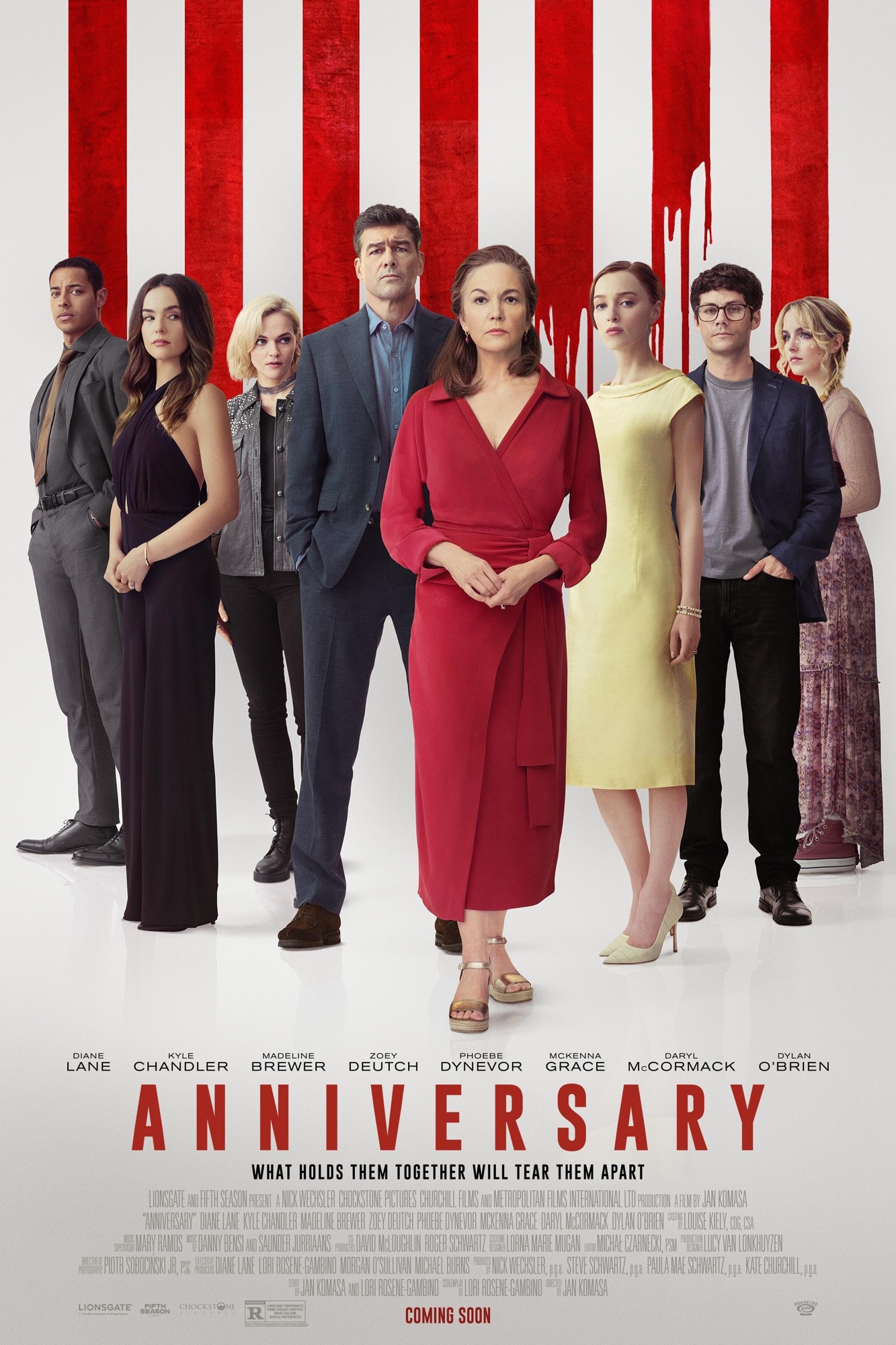


Dystopia makes an intriguing entrance in ‘Anniversary‘, a subtle thriller where the absence of details adds to its unsettling charm. Jan Komasa masterfully plays with ambiguity, making it the heart of the story’s emotion. Diane Lane’s calm presence anchors the film, offering a comforting steady beat even as the surrounding world starts to unravel.

Komasa peppers the film with moments of humor amid its foreboding atmosphere, and the tonal shifts help create a lively rhythm that prevents the story from feeling dull. The emergence of an authoritarian movement unfolds through the personal struggles of the Taylor family, with the five-year timeline adding a gentle, building tension. By keeping the broader societal impacts more subtle, the film invites viewers to interpret rather than prescribe what it means.

The director skillfully centers on the Taylors, creating a strong emotional impact. Lori Rosene-Gambino’s screenplay delivers concise, powerful moments, and the cast’s performances bring a mix of subtlety and intensity. Lane, Kyle Chandler, Zoey Deutch, Mckenna Grace, Dylan O’Brien, Madeline Brewer, and Phoebe Dynevor form a talented ensemble that beautifully navigates the film’s changing emotional landscape.

The Taylor home takes on a special role as the heart of the film, and Komasa beautifully uses it to show the family’s slow unraveling. Production designer Lucy Van Lonkhuyzen carefully shapes the space, reflecting how the story moves from warmth to brokenness. Each time jump uncovers a new challenge, and the house quietly holds that tension with steady grace, almost an old friend bearing witness to the changes.

Komasa shares polished propaganda videos from the Cumberland Company, and their corporate polish adds a somewhat chilling touch to the film. The reimagined American flag, with its stars placed centrally within the stripes, becomes a familiar symbol of the movement’s message of unity. This ambiguous symbol deepens the film’s exploration of persuasion, coercion, and the delicate line that separates them.

Music truly acts as a powerful tool in the film, especially through the recurring use of “Don’t Dream It’s Over.” Komasa thoughtfully places the song in two very different scenes, and its mix of joy, defiance, and acceptance adds a heartfelt depth to the story. This choice beautifully highlights how cultural artifacts can take on new meanings as political landscapes change, making the film’s message even more impactful.

Anniversary builds its momentum more through structure than through the mechanics of the plot. Komasa makes good use of ellipses, and the gaps between scenes help evoke a sense of drifting, reflecting the Taylors’ own disorientation. The film’s choice not to over‑explain adds to its charm, even if it sometimes leaves some developments feeling a bit underexplored.

Lane’s performance truly anchors the film. Her portrayal of Ellen Taylor evolves beautifully, showing her growing understanding of how things are changing around her. The performance wonderfully highlights the emotional toll that awareness can take. Chandler offers a calming, steady presence that gradually shows signs of strain under similar pressures, adding a compelling balance to the story.

The film’s final moments gently lead the family toward collapse, yet Komasa keeps the tone intimate even as the tension rises. The ending leaves a soft but lasting impression, inviting viewers to interpret the political aspects in their own way. This openness lets the emotional journey shine through even more.

Anniversary is a gripping thriller that relies more on subtlety than flashy moments, and its understated approach really makes it stand out. Komasa creates a film that feels both intense and familiar at the same time—a heartfelt portrait of a family slowly being squeezed by an oppressive system that thrives on certainty. While the film leaves some things open to interpretation, it’s that very vagueness that gives it a haunting, lasting impact.

Letter Grade: B+. On Hulu.


Leave a Reply