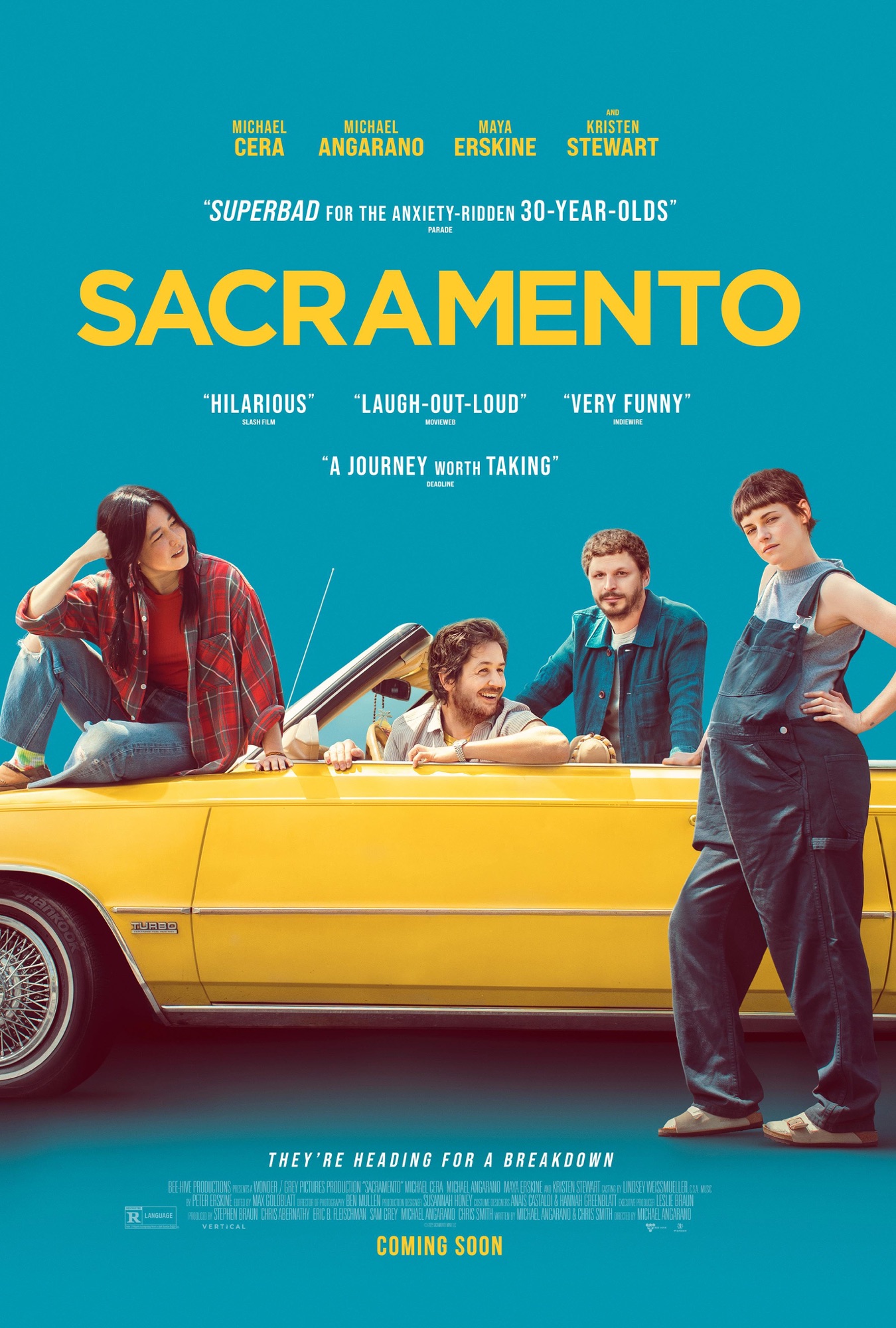


Michael Angarano’s Sacramento is a film that stumbles toward truth with a grin and a grimace. It’s a road movie that barely travels, a buddy comedy that barely laughs, and a therapy session that barely heals. And yet, it works—at least enough to leave a mark. The film’s strength lies not in its plot mechanics but in its emotional architecture, its willingness to let two men flail toward adulthood while pretending they’re just out for a drive.

The title Sacramento is less a destination than a metaphor. It’s the endpoint of a journey that neither Glenn nor Rickey fully understands. Sacramento is where the lies unravel, where dirt masquerading as ashes gets dumped, and where the ghosts of fatherhood—both literal and metaphorical—come to haunt. The city itself barely registers, but its symbolic weight is undeniable. It’s the place where the past gets confronted, however clumsily.

As a study in male insecurity, the film is both sharp and scatterbrained. Glenn’s quiet panic over impending fatherhood and job loss is rendered with a kind of emotional restraint that feels earned. Cera’s performance is a slow burn, complete of micro-expressions and withheld confessions. Rickey, on the other hand, is a walking implosion. Angarano plays him with a manic edge that teeters between charm and chaos. Their dynamic is the film’s heartbeat—erratic, but alive.

The pseudo-therapy angle is less convincing. The film gestures toward healing but rarely commits. There are moments of raw honesty, but they’re often undercut by narrative detours or comic relief. The fighting gym sequence, for instance, feels like a leftover from another movie. It’s amusing, sure, but it doesn’t deepen the emotional stakes. Still, the film earns points for exploring vulnerability without turning it into a punchline.

Friendship, though, is where Sacramento finds its footing. Glenn and Rickey’s bond is frayed but intact, and the film honors that complexity. They’re not best friends anymore, but they’re still tethered by shared history and mutual disappointment. Their conversations—awkward, accusatory, tender—carry the weight of years. The film doesn’t romanticize their connection; it just lets it breathe.

Plot-wise, Sacramento is hit and miss. The central conceit—a road trip based on a lie—has promise, but the execution is uneven. The pacing lags in places, and some scenes feel improvised. Yet the emotional throughline remains intact. Glenn’s unraveling, Rickey’s avoidance, Rosie’s quiet strength—they all contribute to a narrative that’s more felt than followed.

The direction is scrappy but sincere. Angarano doesn’t over-polish, and that works in the film’s favor. The editing and framing are loose, mirroring the characters’ emotional disarray. The film sometimes feels like it’s being made up as it goes along, but that spontaneity gives it texture. It’s not slick, but it’s honest.

The theme of adulting is well presented, if not always elegantly told. The film understands that growing up isn’t a single act but a series of humiliations, compromises, and small victories. It doesn’t offer solutions, only snapshots. That’s enough. The dirt in the canister, the crib in the backyard, and the missed calls from Tallie are the artifacts of lives in transition.

The acting is in tune with the film’s vision. Cera and Angarano play off each other with a rhythm that feels lived-in. In her brief screen time, Kristen Stewart anchors the movie with a grounded presence. Maya Erskine’s Tallie is underused but effective. The supporting cast adds texture, even if their roles are fleeting.

Sacramento is a film that doesn’t always know where it’s going, but it gets somewhere anyway. It’s messy, funny, sad, and occasionally profound. It’s not a triumph, but it’s a worthwhile detour.

Grade: B+. Streaming on Hulu


Leave a Reply