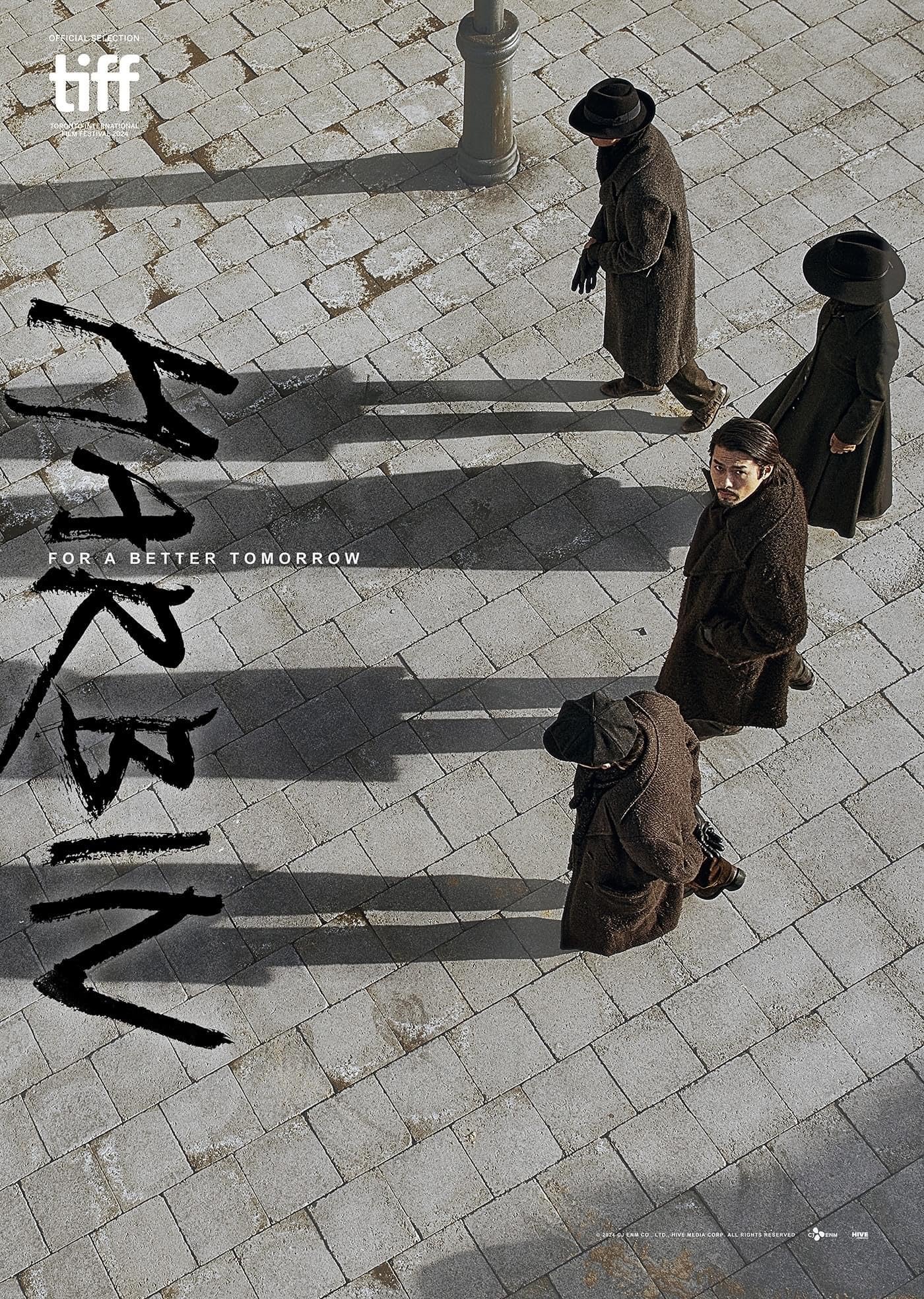


There is something about the cold—how it settles into the bones and sharpens the edges of history. *Harbin*, directed by Woo Min-ho, is a film steeped in frost and fire, a historical thriller that moves like a ghost through the corridors of time, tracing the footsteps of Korean independence fighter Ahn Jung-Geun (Hyun Bin) as he stalks his destiny through the snow-laden streets of Russian-controlled Harbin.

The film unfolds like a whispered legend, its cinematography masterfully painting the world in stark contrasts that reflect both the beauty and brutality of its narrative. The brutal white of winter serves as a chilling backdrop, embodying the stark coldness of a land under oppression. At the same time, deep shadows loom over the characters, hinting at the pervasive conspiracy that fuels their actions. Enhanced by the blood-red stain of sacrifice, the visuals evoke a visceral response, drawing viewers deeper into the protagonist’s tumultuous

Ahn, a complex character deeply haunted by the weight of his mission, navigates this contrasting landscape with a quiet yet unwavering resolve. He is a man fully aware that he is walking toward the end of his story, a journey filled with peril and moral ambiguity. His target, Japan’s Prime Minister Itō Hirobumi—the architect of Korea’s subjugation—symbolizes the oppressive forces he seeks to dismantle. As Ahn’s path toward assassination unfolds, it becomes increasingly fraught with betrayal and desperation, capturing the deep-seated tensions of a nation in turmoil. The slow erosion of certainty he experiences reflects not only his internal conflict but also the broader struggle of a people fighting against the shadows of history, leaving viewers to ponder the cost of resistance and the price of freedom.

Bin delivers a deeply nuanced performance as Ahn Jung-geun, capturing the complexity of a man torn between unwavering duty and pervasive doubt. He embodies the internal struggle between the fiery passion of revolution and the chilling reality of inevitability. His interactions with fellow resistance fighters are rich with nuance, each character marked by personal scars and haunted by their unique pasts. These exchanges pulse with unspoken grief, a poignant silence that fills the spaces between their words, revealing their collective anguish.

The film deliberately avoids rushing through its narrative, allowing the weight of history to settle into each scene. It immerses the audience in the frigid atmosphere of the time, lending an almost palpable coldness to the frame. This slow pacing allows the silence to resonate powerfully, conveying emotions and truths that an overt declaration of war could never articulate. As viewers align with Ahn’s journey, they are compelled to reflect on the broader implications of his choices against the backdrop of a tumultuous era.

Woo Min-ho masterfully crafts *Harbin* with the meticulous eye of a painter, transforming each scene into a rich tableau that resonates with themes of longing and loss. The film’s portrayal of the train station—a pivotal location where personal destinies intertwine with the sweeping currents of history—evokes a dreamlike quality. It stands as a metaphorical crossroads, blending the echoes of the past with the uncertainties of the future, and intertwining hope with the stark realities of tragedy.

The pacing of the film is deliberate and meditative, inviting viewers to immerse themselves in its atmospheric depth. This rhythm may prove challenging for those accustomed to the heightened intensity of conventional thrillers, as it often revels in moments of quiet contemplation rather than relentless action. However, for those willing to embrace this immersive experience, *Harbin* unfolds as a haunting meditation on complex themes such as sacrifice, the true cost of freedom, and the intricate ways in which history shapes memory—often remembering some while forgetting others entirely. Through its layers of meaning and emotional nuance, the film encourages viewers to reflect on the personal ramifications of historical events and the enduring impact they leave behind.

Streaming now on Hulu, *Harbin* is a film that lingers like breath on frozen glass. It serves as a requiem for those who fought and fell, reminding us that some stories are written not in ink, but in blood and snow.

Final Grade: **A-**. *Harbin* is a beautifully crafted, melancholic journey through history that not only recounts the past, but also mourns it.


Leave a Reply