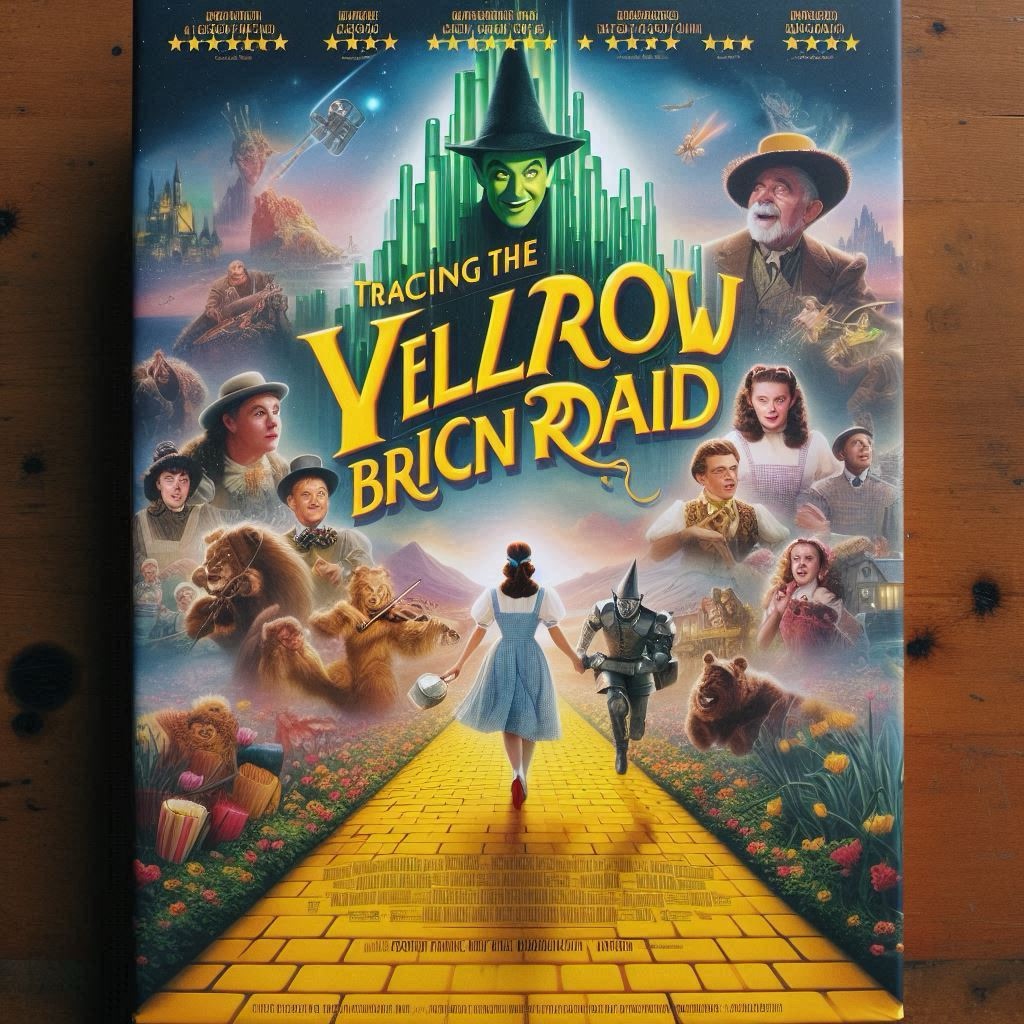


The tale of *The Wizard of Oz* is a captivating journey of transformation that has enchanted audiences for over a century. Originally conceived as a simple literary work in L. Frank Baum’s 1900 novel, titled *The Wonderful Wizard of Oz*, it quickly evolved into a beloved classic, making its way to the silver screen in various adaptations. Each iteration weaves a vibrant tapestry of imagination, showcasing groundbreaking innovation in filmmaking while highlighting the power of music.
The story follows young Dorothy Gale, who, after a tumultuous tornado whisking her away from her home in Kansas, embarks on an extraordinary adventure in the magical land of Oz. Along her journey, she encounters a whimsical cast of characters, including the Scarecrow, who seeks a brain; the Tin Man, in search of a heart; and the Cowardly Lion, who longs for courage. Together, they confront challenges and adversaries, all while exploring profound themes of friendship, self-discovery, and the quest for belonging.
Each film adaptation brings its own unique flavor to this cherished narrative, reflecting the cultural milieu of its time. From the iconic 1939 movie starring Judy Garland, with its groundbreaking use of Technicolor and memorable musical numbers like “Over the Rainbow,” to more recent interpretations that infuse modern sensibilities, the essence of *The Wizard of Oz* continues to resonate. At its core, the story remains a timeless exploration of personal growth, the importance of home, and the courage to pursue one’s dreams.
Let’s embark on an exciting adventure down the enchanting cinematic Yellow Brick Road! Together, we’ll delve into the captivating world of adaptations, examining their unique qualities and the rich tapestry of themes and characters that connect them to the timeless legacy of Oz. From the whimsical visuals to the profound messages woven throughout the stories, we will uncover the magic that makes each interpretation unique. Prepare to rediscover the wonders ahead as we explore how these narratives continue to inspire and resonate with audiences of all ages!
The First Steps Toward Oz

The earliest cinematic interpretations of *The Wizard of Oz* were groundbreaking and pivotal, laying the foundation for what would become a beloved cultural phenomenon. One such noteworthy example is L. Frank Baum’s *The Fairylogue and Radio-Plays*, created in 1908. This innovative work was a daring fusion of live performance, film, and hand-painted slides, all brought to life through Baum’s engaging narration. While it may appear primitive by today’s standards, this pioneering production was significant in blending various media and storytelling techniques, hinting at the endless adaptability of the Oz universe. It showcased Baum’s vision of a multidimensional world that could transcend the written word, paving the way for future adaptations and interpretations that would continue exploring Oz’s enchanting land in fresh and imaginative ways.

Fast-forward to 1910, and we encounter the short film The Wonderful Wizard of Oz, which cleverly distilled Baum’s stage musical into a concise viewing experience. Though it lacked sound, leaving music out of the equation, the whimsical costumes and playful slapstick humor offered glimpses of the enchanting possibilities within the story. These early adaptations captured the imagination and set the stage for the magic that would follow in Oz!

The initial efforts to bring L. Frank Baum’s enchanting world of Oz to life represent a crucial and tentative step in a grand artistic journey, meticulously laying the groundwork for a more expansive vision. During this formative period, creators across various artistic disciplines sought innovative ways to infuse Baum’s beloved universe with vibrancy, aiming to transcend the confines established by his cherished books. They explored a range of artistic mediums, including stage adaptations that captured the essence of live theater and silent films that endeavored to visually convey the magic and whimsy that had captivated readers since the original publication of “The Wonderful Wizard of Oz” in 1900.

These early endeavors were characterized by a spirit of experimentation, as artists and filmmakers ventured into uncharted territory, attempting to harness the whimsical charm of Oz in ways that would resonate deeply with audiences. Some productions took creative liberties, reinterpreting characters and infusing contemporary themes, while others remained faithful to Baum’s narrative, ensuring that the heart and soul of the story were preserved. While these initial attempts planted the seeds of possibility, it was not until 1939 that the story truly began to flourish in the collective imagination.

With the release of the groundbreaking film adaptation directed by Victor Fleming, the whimsical tale of Oz transcended its literary origins and captured the hearts of audiences worldwide. This cinematic masterpiece introduced a vibrant palette of colorful characters—such as the brave Dorothy, the endearing Scarecrow, the steadfast Tin Man, and the courageous Lion—brought to life through stunning visual effects and memorable musical numbers. The film’s innovative use of Technicolor transformed the depiction of the Emerald City and its inhabitants, creating a visual feast that has become iconic in the annals of film history.
The 1939 adaptation marked a pivotal moment in the evolution of literary adaptation, effectively transforming Baum’s imaginative landscapes and unforgettable characters into a shared cultural experience that transcended age and geography. It ignited a cultural phenomenon that resonated through generations, inspiring countless retellings, merchandise, and even theme park attractions, all of which solidified the story of Oz in the hearts of many.
This unique integration of literature, film, and community celebration not only transformed the narrative of Oz into an enduring legacy but also established it as a cornerstone of popular culture. The story continues to inspire, enchant, and provoke imagination in audiences across the globe, ensuring that the magic of Oz endures for future generations.
The MGM Masterpiece: Defining the Yellow Brick Road

The 1939 MGM musical *The Wizard of Oz*, skillfully directed by Victor Fleming, stands as the definitive adaptation of L. Frank Baum’s cherished novel—a dazzling cinematic masterpiece that has set an unparalleled standard for all subsequent interpretations. This iconic film transports audiences to the enchanting land of Oz, a vibrant realm brought to life through stunning technicolor—a groundbreaking innovation at the time that captivated viewers and still enchants today.

Judy Garland shines in her portrayal of Dorothy Gale, a spirited young girl who embarks on a remarkable journey in search of her true self and a sense of belonging. Her performance is not just memorable; it resonates on a deeply personal level, reflecting the universal quest for identity and purpose that many viewers can relate to. Garland’s ability to convey a spectrum of emotions, from innocence to longing and bravery, adds a rich layer to her character and enhances the film’s emotional depth.
The brilliance of *The Wizard of Oz* lies in its exquisite fusion of whimsy and profound emotional richness. Each character Dorothy encounters embodies unique traits that mirror important aspects of the human experience. The Scarecrow’s quest for intellect symbolizes our desire for knowledge and understanding, while the Tin Man’s yearning for a heart highlights the importance of compassion and emotional connection. The Cowardly Lion’s pursuit of courage represents the struggle many face in overcoming fear. These beautifully crafted roles serve not only as entertaining figures but also as relatable reflections of our own journeys, inviting audiences to explore deeper themes of self-discovery, friendship, and personal growth.
The film is further elevated by its unforgettable score, featuring timeless songs like “Over the Rainbow.” This particular song captures the essence of hope and dreams, encapsulating Dorothy’s longing to escape her mundane reality and discover a place where her aspirations and sense of belonging come alive. The melody’s enchanting quality and powerful lyrics evoke a sense of nostalgia, reminding audiences of the irreplaceable comfort that love, family, and dreams provide.
Ultimately, *The Wizard of Oz* transcends its genre as a mere musical; it is a timeless journey that resonates across generations. It encourages us all to embrace our dreams while cherishing the roots that make us who we are. Through its imaginative storytelling, vibrant characters, and unforgettable music, the film remains a powerful reminder of the beauty of hope and the enduring connections we share with one another.
The cinematic adaptation skillfully transformed L. Frank Baum’s beloved story into a breathtaking visual spectacle. The Wicked Witch of the West was reimagined as an even more formidable adversary, her sinister presence amplified by striking visual effects and a chilling score that resonated throughout the film. Meanwhile, Dorothy’s companions—a lovable Scarecrow, a timid yet brave Lion, and a heartfelt Tin Man—captivated audiences with their unique charm and unwavering loyalty, each character brought to life with rich backstories that deepened their emotional connections to Dorothy.
The enchanting world of Oz unfolded in stunning, vibrant colors, contrasting beautifully with the drab sepia tones of Kansas, which effectively highlighted Dorothy’s longing for adventure and escape. Every aspect of Oz was meticulously crafted, from the shimmering Emerald City to the lush landscapes of Munchkinland, immersing viewers in a whimsical yet perilous adventure. The eye-catching production design and imaginative visuals ensured audiences were not merely spectators; they were invited to step into this dazzling realm, feeling the excitement and peril that accompanied Dorothy on her legendary journey.
This extraordinary adaptation redefined the landscape of musical storytelling in the Land of Oz, establishing a new benchmark that resonated with audiences and creators alike. By intricately weaving its themes of hope, courage, and friendship into a rich tapestry of visual splendor and captivating melodies, it inspired future adaptations and challenged them to reach new heights. The transformation of the narrative was profound, as it elevated musical expression to an essential force within the storyline, allowing songs to embody the emotions and journeys of the characters. This innovative approach ensured that the power of melody became just as integral to the plot as the enchanting spells and magical elements that have long captivated the imagination, ultimately enriching the storytelling experience and creating a lasting legacy in theater and beyond.

Taking Oz to New Rhythms: *The Wiz* (1978)

Four decades later, *The Wiz* (1978) embarked on a mesmerizing journey through the Land of Oz, infusing L. Frank Baum’s classic tale with Black culture’s vibrant and dynamic essence. This bold reimagining celebrated the infectious rhythms of soul, R&B, and disco, creating a musical landscape that pulsed with life and energy. Starring the legendary Diana Ross as Dorothy, whose journey transforms from naivety to empowerment, and the iconic Michael Jackson as the Scarecrow, who embodies whimsy and heartfelt ambition, *The Wiz* reinvented Oz as an urban wonderland.
This fresh take on the beloved story beautifully reflected the complexities, struggles, and joys of inner-city existence, immersing audiences in a world that resonated deeply with their own experiences. The film seamlessly wove together lush musical numbers and vibrant choreography, allowing the characters and their journeys to resonate on both personal and communal levels. As viewers were captivated by dazzling performances and breathtaking visuals, they were also invited to explore themes of identity, friendship, and self-discovery, making *The Wiz* not only a source of entertainment but also a profound cultural celebration that left a lasting impact on audiences everywhere.
*The Wiz* profoundly redefined the classic Oz story’s cultural narrative, emphasizing the themes of individuality and self-empowerment rather than the pursuit of external validation. It brilliantly showcased the journey of self-discovery through its vibrant and infectious musical numbers, such as “Ease on Down the Road,” which encourages listeners to embrace their unique paths, and the profoundly resonant ballad “Home,” which speaks to the universal longing for belonging and authenticity.
The musical’s innovative adaptation of L. Frank Baum’s original tale infuses it with a contemporary flair, striking a powerful chord with a generation seeking genuine representation and inspiration. Its portrayal of a diverse range of characters and experiences celebrates the richness of Black culture, challenging the traditional narratives that had often sidelined such voices.
While critics’ opinions varied—some praising its bold artistic choices while others raised concerns about its departure from the source material—the show undeniably carved out a significant place in the canon of musical theater. Its dynamic choreography, colorful costumes, and memorable music not only entertained audiences but also fostered a sense of community and pride among viewers. In doing so, *The Wiz* solidified its role as a landmark moment in the evolution of Oz’s musical legacy, echoing the importance of individuality and the courage to be oneself in a world often fixated on conformity.
Animation and the Global Lens

During the vibrant decade of the 1980s, the enchanting world of Oz underwent a remarkable renaissance, marked by a series of captivating animated adaptations that brought fresh interpretations to L. Frank Baum’s classic tale. Among these was Toho’s striking Japanese anime, *The Wizard of Oz* (1982), which distinguished itself not only through its stunning visuals but also by the evocative score composed by the renowned Joe Hisaishi. His music infused the narrative with an emotive depth that resonated deeply with audiences, offering a uniquely Japanese perspective on the beloved story.

This adaptation was particularly notable for its lush animation style, which combined traditional techniques with imaginative design, breathing new life into iconic characters like Dorothy, the Scarecrow, the Tin Man, and the Cowardly Lion. Additionally, the film’s story remained faithful to the original while incorporating elements of Japanese culture and artistry, creating a beautiful tapestry that highlighted both the universal themes of courage, friendship, and self-discovery, and the specific cultural nuances that made this version distinct.
The 1980s thus marked a fascinating chapter in the legacy of Oz, as the story transcended geographical boundaries, embracing diverse cultures while remaining anchored in the timeless themes familiar to audiences worldwide. This period highlighted how beloved tales can evolve and resonate in new contexts, reaffirming the enduring appeal of Oz and its ability to inspire generations across different societies.

Over the years, a delightful array of animations has brought the enchanting world of Oz vividly to life, each adding its own unique charm and perspective. One of the early adaptations, *Journey Back to Oz*, released in 1972, featured the talented Liza Minnelli, the daughter of the iconic Judy Garland, who originally portrayed Dorothy in the beloved 1939 classic. This film not only continued the adventures in Oz but also introduced new characters and themes, enriching the narrative tapestry of this magical realm.

Fast forward to the more contemporary offering, *Tom and Jerry: Back to Oz*, released in 2016, which creatively merged the beloved antics of the iconic cartoon duo with the whimsical world of Oz. This version appealed to a newer generation, using humor and slapstick to engage kids while referencing the rich lore of the original stories.
The unique versatility of animation has allowed each iteration to beautifully exaggerate the fantastical elements of Oz, from the vivid colors of the Emerald City to the diverse inhabitants of this magical land. Each adaptation, with its distinct art style and storytelling approach, has succeeded in crafting a magical experience that continues to spark imagination and wonder in audiences of all ages. Through these animated tales, the legacy of Oz endures, inviting viewers to explore its enchantment anew.
Modern Explorations and Prequels

In the vibrant tapestry of the 21st century, adaptations of the land of Oz have evolved into captivating new experiences that resonate with audiences across generations. A prime example of this evolution is *Oz the Great and Powerful* (2013), directed by the imaginative Sam Raimi. This visually stunning film embarks on an exhilarating journey into the intriguing backstory of the Wizard himself, played by James Franco. It brilliantly reinterprets a character we thought we understood, shedding light on his rise to power and the complexity of his motives.

While the film may not adhere to the traditional format of a musical, it compensates with a delightful score by composer Danny Elfman, which infuses the narrative with a lyrical quality that enhances its enchanting atmosphere. The lush, vibrant visuals transport viewers into a fantastical landscape filled with memorable new characters and strikingly reimagined locales, all designed to evoke the magic and wonder of L—Frank Baum’s original work.

However, the film occasionally flirts with narrative inconsistency, as it balances its ambitious world-building with character development. Some plot points may seem rushed or underexplored, leaving audiences craving a deeper connection to key figures in this reimagined universe. Nevertheless, *Oz the Great and Powerful* makes a valiant effort to expand our understanding of Baum’s whimsical world while simultaneously paying homage to the beloved classic from 1939. The film ultimately invites viewers to reconsider their perceptions of heroism, morality, and the true nature of power in a land that is as complex as it is enchants.
Reframing the Story: The Lens of *Wicked

*Wicked*, both as a stage musical and its film adaptations (*Wicked* in 2024 and its sequel, *Wicked: For Good*, in 2025), recontextualizes the iconic conflict in Oz—the battle between “good” and “evil.” Based on Gregory Maguire’s 1995 novel, which offers a subversive reimagining of L. Frank Baum’s work, *Wicked* shifts the focus onto Elphaba, known as the Wicked Witch of the West, and her complex journey. This narrative challenges the traditional moral binary in the MGM film *The Wizard of Oz*. Through Elphaba’s experiences, we see how societal pressures, personal struggles, and misunderstood intentions shape the individual we were taught to fear.
Stephen Schwartz’s score for *Wicked* pays tribute to the melodies of the 1939 film while also taking a different approach. Songs like “Defying Gravity” and “For Good” express feelings of longing, resilience, and transformation in a way that echoes classics such as “Over the Rainbow” and “If I Only Had a Brain,” but with a modern twist. The lyrical themes of yearning for freedom and self-discovery create a subtle connection between *Wicked* and its MGM predecessor, linking them through music while highlighting their thematic focus’s evolution.
The film adaptations of Wicked visually echo elements from the 1939 classic while creating their own unique identity. Color symbolism plays a significant role in both films. In the original, there is a notable transition from the sepia tones of Kansas to the vivid Technicolor of Oz. This theme is revisited in Wicked, where Elphaba’s green skin symbolizes her ostracization. Similarly, the glowing Emerald City in the MGM classic represents an idealized, unattainable utopia.


The most direct connection between *Wicked* and *The Wizard of Oz* is found in its characters. The Glinda we encounter in *Wicked* starts as a bubbly, ambitious young woman but matures into the poised and politically savvy Good Witch we recognize from the 1939 film. This transformation adds new depth to her interactions with Dorothy, enhancing our understanding of her seemingly whimsical guidance.

The Wizard is reevaluated, transforming from an austere, bumbling charlatan into a character whose schemes and manipulations influence the fate of Oz. *Wicked* explores how he exploits fear and power, making his interactions with Dorothy and her companions in *The Wizard of Oz* more significant. This adds layers of irony to his empty claims of wisdom and courage.
This layered moral complexity connects *Wicked* to other darker cinematic interpretations of Oz, such as *Return to Oz* (1985), which embraced eerie visuals and themes of loss and restoration. Together, these adaptations expand the cinematic universe of Oz, portraying it not only as a land of fantasy but also as a reflection of the injustices and contradictions in our world.
The decision to split *Wicked* into two films reflects a desire to develop its narrative and emotional arcs fully. By immersing audiences in the perspectives of Elphaba and Glinda, the films aim to enhance our understanding of the original characters from *The Wizard of Oz*. This approach ensures that *Wicked* is not just a prequel but a companion piece that reshapes our emotional connection to the 1939 classic. Just as Dorothy’s journey taught us the value of home, *Wicked* invites us to reconsider the nature of “goodness” and the complexities of human (and witch) relationships.
*Wicked* is set to honor and challenge Oz’s lasting legacy. With its remarkable music, deep character development, and new moral perspective, it aims to expand on the story of Oz and redefine it for a new generation of dreamers. The Yellow Brick Road feels more vibrant and full of possibilities.
The Threads That Bind

Every musical adaptation of *The Wizard of Oz* is a vibrant tapestry created from heart, imagination, and creativity. At its core, this beloved story is a colorful canvas that encourages filmmakers to express their unique cultural perspectives, artistic styles, and personal interpretations. The result is a stunning array of ideas showcasing Oz’s enchanting magic in exciting and ever-evolving ways.
Every musical adaptation of *The Wizard of Oz* is a vibrant tapestry created from heart, imagination, and creativity. At its core, this beloved story is a colorful canvas that encourages filmmakers to express their unique cultural perspectives, artistic styles, and personal interpretations. The result is a stunning array of ideas showcasing Oz’s enchanting magic in exciting and ever-evolving ways.


Leave a Reply