
Movie Info:
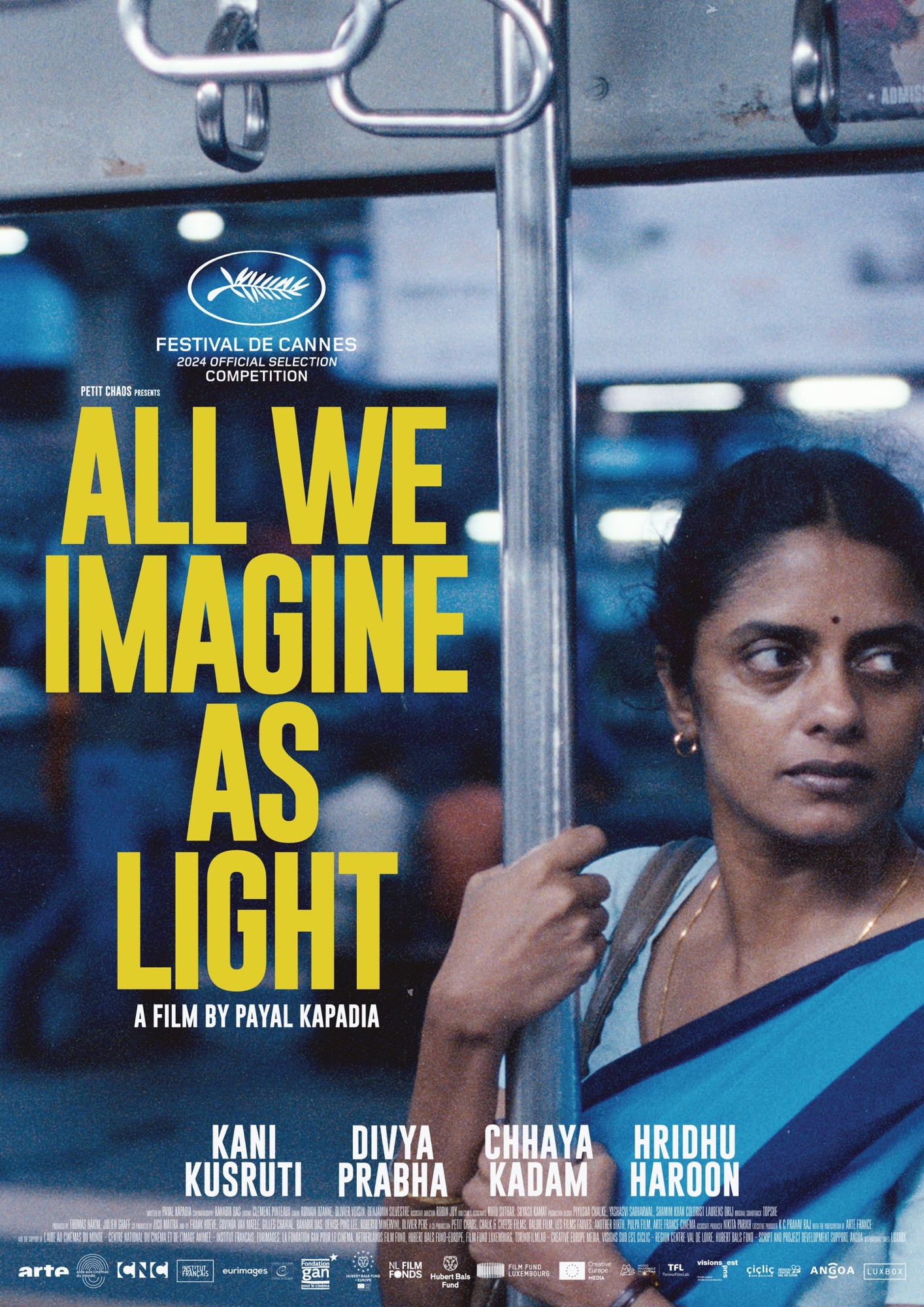
The light, the lives, and the textures of contemporary, working-class Mumbai are explored and celebrated by writer/director Payal Kapadia, who won the Grand Prize at this year’s Cannes Film Festival for her revelatory fiction feature debut. Centering on two roommates who also work together in a city hospital–head nurse Prabha (Kani Kusruti) and recent hire Anu (Divya Prabha)–plus their coworker, cook Parvaty (Chhaya Kadam), Kapadia’s film alights on moments of connection and heartache, hope and disappointment. Prabha, her husband from an arranged marriage living in faraway Germany, is courted by a doctor at her hospital; Anu carries on a romance with a Muslim man, which she must keep a secret from her strict Hindu family; Parvaty finds herself dealing with a sudden eviction from her apartment. Kapadia captures the bustle of the metropolis and the open-air tranquility of a seaside village with equal radiance, articulated by her superb actresses and by the camera with a lyrical naturalism that occasionally drifts into dreamlike incandescence. All We Imagine as Light is a soulful study of the transformative power of friendship and sisterhood, in all its complexities and richness.
Review:

In “All We Imagine as Light,” director Kapal Kapadia weaves a narrative that examines the intertwined lives of two Malayali nurses, Prabha and Anu, who navigate the vibrant yet challenging environment of Mumbai. Kani Kusruti’s performance as Prabha and Divya Prabha’s as Anu are moving, showcasing their profound ability to bring to life characters who, despite their differences, share a deep bond of compassion and support. Their portrayals resonate authentically, inviting viewers to empathize with their struggles and triumphs in a bustling city.
Prabha, portrayed by Kani Kusruti, embodies an extraordinary sense of discipline and dedication. Her longing for her husband, who has been away in Germany since their brief arranged marriage, adds a poignant touch to her character, highlighting the emotional void in her life. The arrival of a modern rice cooker from an unknown sender—a thoughtful gesture, likely from her husband—is a gentle reminder of their relationship’s unspoken feelings and unresolved complexities. Meanwhile, Dr. Manoj, played by Azees Nedumangad, introduces a new dynamic to Prabha’s world. He attempts to win her heart, yet she kindly and respectfully declines his advances, remaining steadfast in her commitment to her marital vows despite the loneliness she experiences.

Divya Prabha’s character, Anu, brings energy to the story with her personality and the tender yet complicated love affair she shares with Shiaz, portrayed by Hridhu Haroon. Their secret encounters are filled with deep emotion, providing a poignant contrast to Prabha’s more reserved nature. This dynamic illustrates how individuals cope with their desires and the weight of cultural expectations. Anu’s relationship with Shiaz subtly highlights the challenges of religious and societal boundaries.
The film shifts its focus when Prabha and Anu choose to stand by Parvathy, a devoted hospital cook portrayed by Chhaya Kadam, as she grapples with the challenges posed by a greedy builder. Faced with the prospect of losing her home and not securing her tenancy rights, Parvathy resolves to leave behind the bustling city of Mumbai and return to her village in Ratnagiri. The trio’s heartfelt journey to Ratnagiri highlights the profound strength of female solidarity and showcases the remarkable resilience of the human spirit when confronting life’s adversities.
Anu’s secret rendezvous with Shiaz in Ratnagiri adds a layer of complexity to the narrative. As Prabha inadvertently discovers their affair, she faces a moral dilemma that tests her principles and her loyalty to her friend. Meanwhile, Prabha’s encounter with a drowning man, played by Anand Sami, serves as a pivotal moment in the film. Her efforts to save him, followed by their emotionally charged conversation, transform the man into a symbolic representation of her estranged husband, allowing Prabha to confront her suppressed feelings and seek closure.

Late at night, a poignant scene unfolds in a beach shack where Prabha, Anu, Shiaz, and Parvathy come together. The warm lights softly illuminate their faces, wrapping them in a golden glow that fosters a sense of intimacy and togetherness. In this tender moment, the characters share a deep bond, supporting one another through their individual struggles. This gathering beautifully highlights the film’s central theme of human connection and the profound impact of compassion, reminding us that we are never truly alone in our challenges.
Though brief, Tintumol Joseph’s portrayal of Nurse Shanet beautifully captures the vital role that medical professionals play in our lives. It highlights the everyday struggles and the quiet heroism that often goes unrecognized in a hospital setting. The film’s cinematography enriches this emotional journey, showcasing Mumbai’s vibrant heart and Ratnagiri’s tranquil beauty.
The title “All We Imagine as Light” carries an emotional resonance, beautifully capturing the essence of the film’s themes and the journeys of its characters. In this context, light becomes a powerful symbol of hope, clarity, and the transformative nature of truth. It gently reveals the characters’ hidden desires and unspoken fears, shedding warmth on the intricate web of their relationships. This illumination serves not only to guide them but also to foster understanding and compassion as they navigate their struggles.
Prabha’s deep longing for her absent husband, intertwined with her encounter with the drowning man, underscores the theme of light as a symbol of hope and reconciliation. In those fleeting moments of connection, where she momentarily sees the man as her husband, Prabha confronts her deeply buried emotions and seeks the forgiveness she desperately needs. This transformation brings her a sense of peace, illuminated by the gentle light enveloping the group in the beach shack scene, offering comfort and solace in her struggle.

Anu’s relationship with Shiaz illustrates the intricate societal and religious hurdles they face together. What starts as a hidden connection emerges into the open, offering Anu the courage to embrace her authentic self and desires. In this narrative, the light signifies the incredible bravery it takes to confront societal norms and pursue genuine happiness.
Parvathy’s journey against the oppressive building contractor and her decision to return to Ratnagiri illuminate the themes of resilience and the quest for a better life. The light serves as a poignant symbol of the strength and unity among the women, showcasing how they uplift and support each other through their shared struggles. It represents their hope for a brighter future, liberated from the weight of exploitation and injustice that has long plagued their lives.
Dr. Manoj’s unfulfilled love for Prabha and Nurse Shanet’s steadfast dedication illustrates the intricate tapestry of human emotions—longing, devotion, and the journey of self-discovery. This light, which shines upon them, represents hope and guidance, softly illuminating their paths and helping to shape their destinies with kindness and warmth. It’s a poignant reminder of our connections and the compassion that can help heal our hearts.
“All We Imagine as Light” is a cinematic experience that weaves love, longing, and resilience themes together. The film’s nuanced exploration of its characters’ inner worlds, stellar performances, and exquisite direction make it a compelling and thought-provoking watch.
Grade: A. Streaming in The Criterion Channel.


Leave a Reply