Tag: physical detail
-

Ferry
I wrote Ferry after watching a river crossing where sound and weight seemed to trade places. The poem explores how movement and release—mechanical, not emotional—can become a form of grace.
-

A Loss
I wrote A Loss after burning a photograph that refused to fade on its own. The poem examines how ritual and chemical reaction replace sentiment, turning memory into residue and pressure.
-

Peace Wheel
I wrote Peace Wheel after watching monks construct a sand mandala outdoors, where the wind kept undoing their precision. The poem explores the friction between breath and wind—human control against the inevitability of dispersal.
-
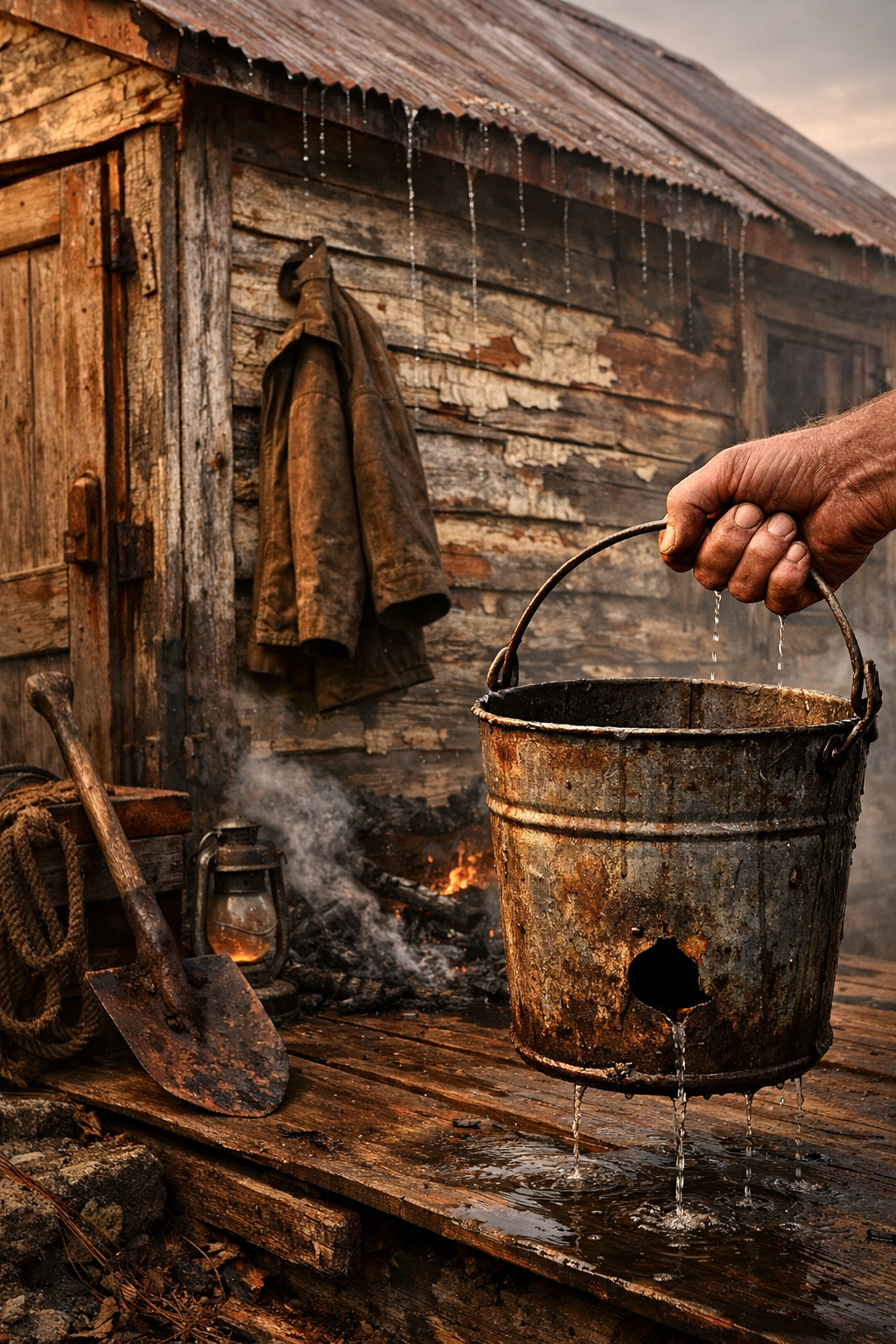
Free Fall
This poem began with the objects—door, hinge, roof, bucket—each one failing in its own small way. I wrote it to expose how the body carries damage the same way a house does: quietly, structurally, without asking for sympathy.
-
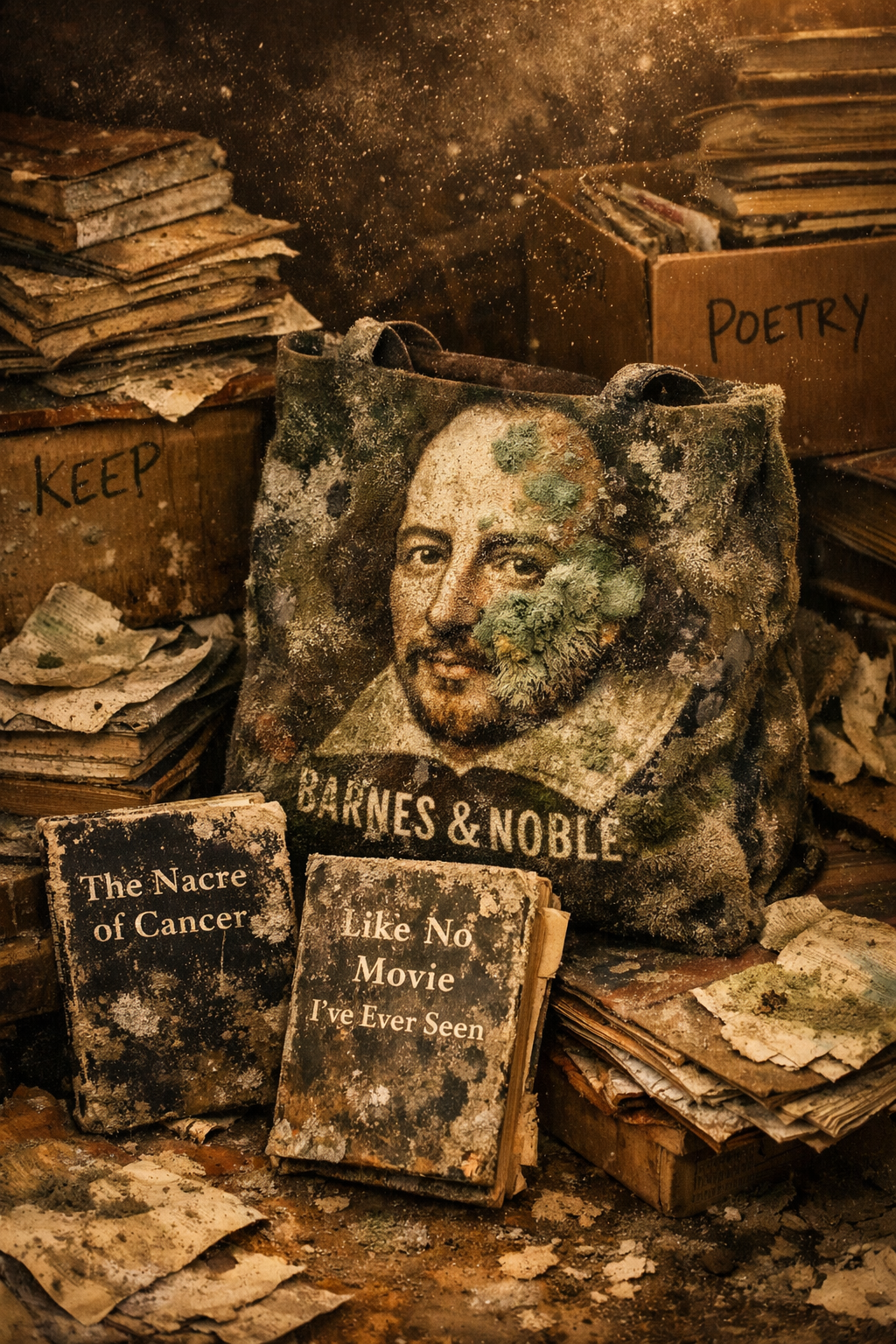
Ars Poetica
I wrote Ars Poetica while sorting through my own books, watching mold consume the faces of poets I admired. The poem confronts the rot of memory and authorship—how even our self-published titles soften under time’s pressure, yet remain proof of persistence.
-
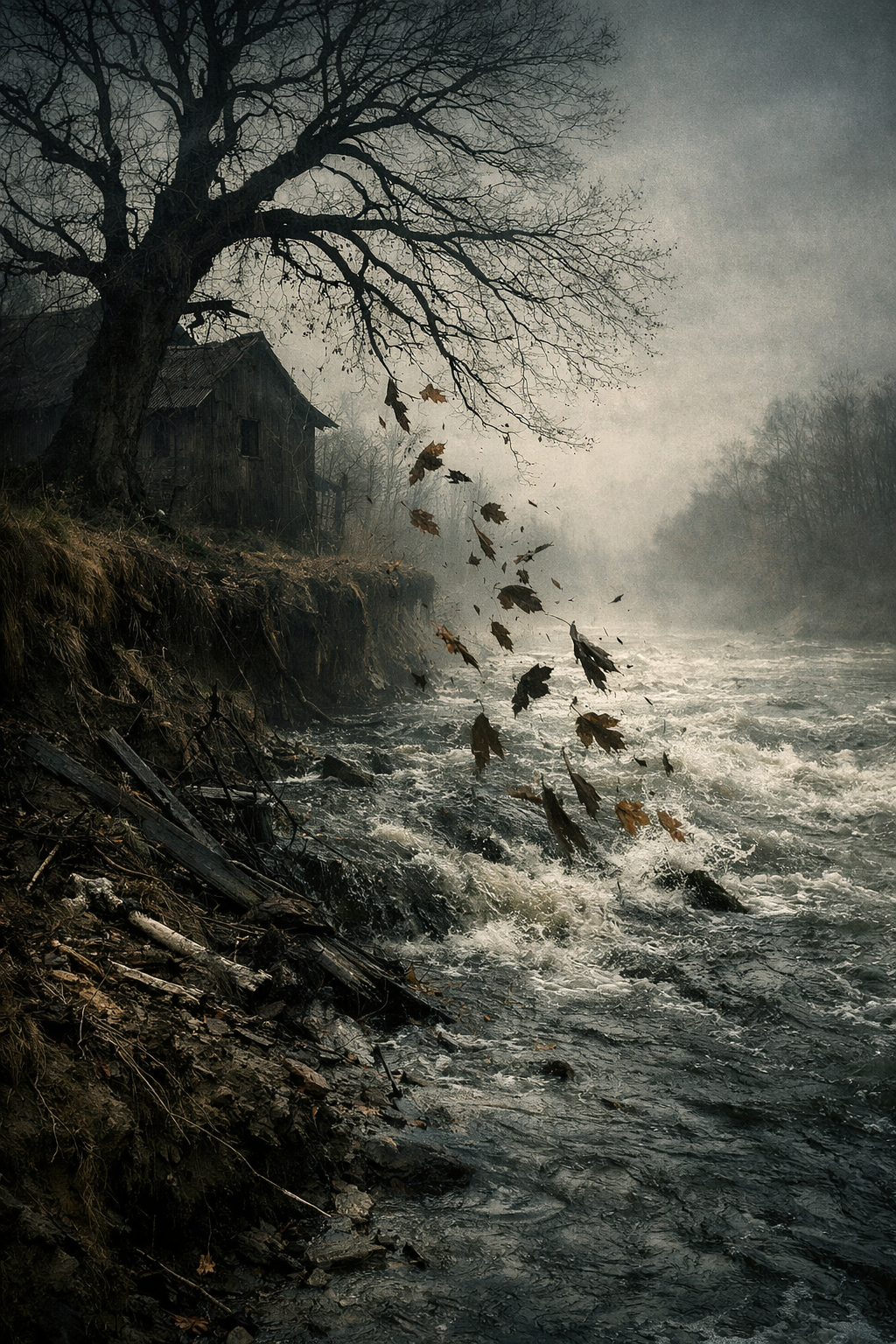
Family Tree
Family Tree began as an image of a house without windows and a river carrying away its debris. The poem explores how time erodes lineage—the way humanity sloughs into the river’s swell and becomes part of its current.
-
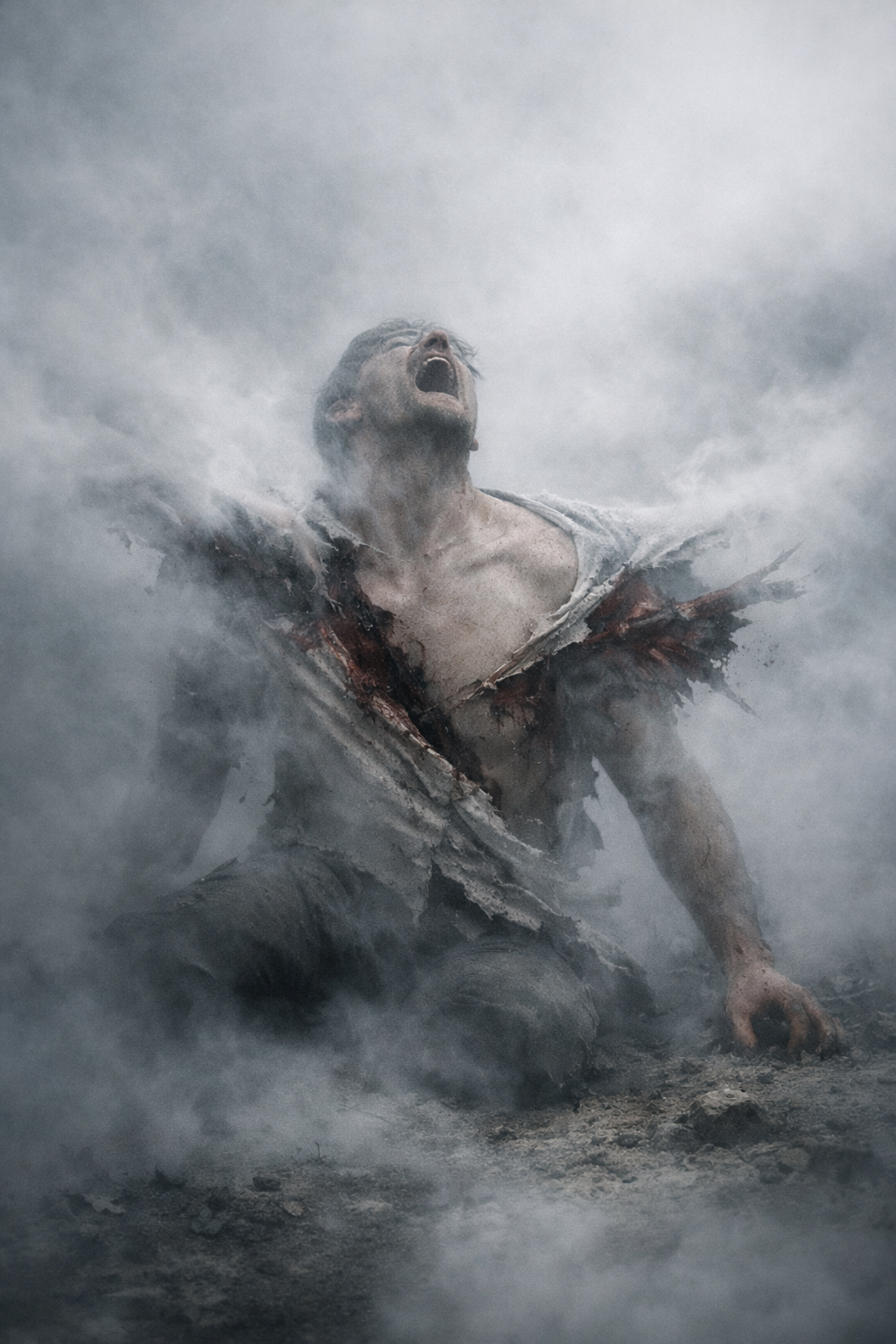
Expulsion
I wrote Expulsion after realizing how exile can happen inside the body itself—how being torn from one’s own ground feels both violent and necessary. The poem’s theme is rupture as transformation: the moment when pain becomes the only proof of change.
-

The Purple Glass
The Purple Glass” began with an object my mother once handed me—useless, she said, but beautiful. The poem traces how that uselessness became memory’s last vessel, holding what language can’t restore.
-
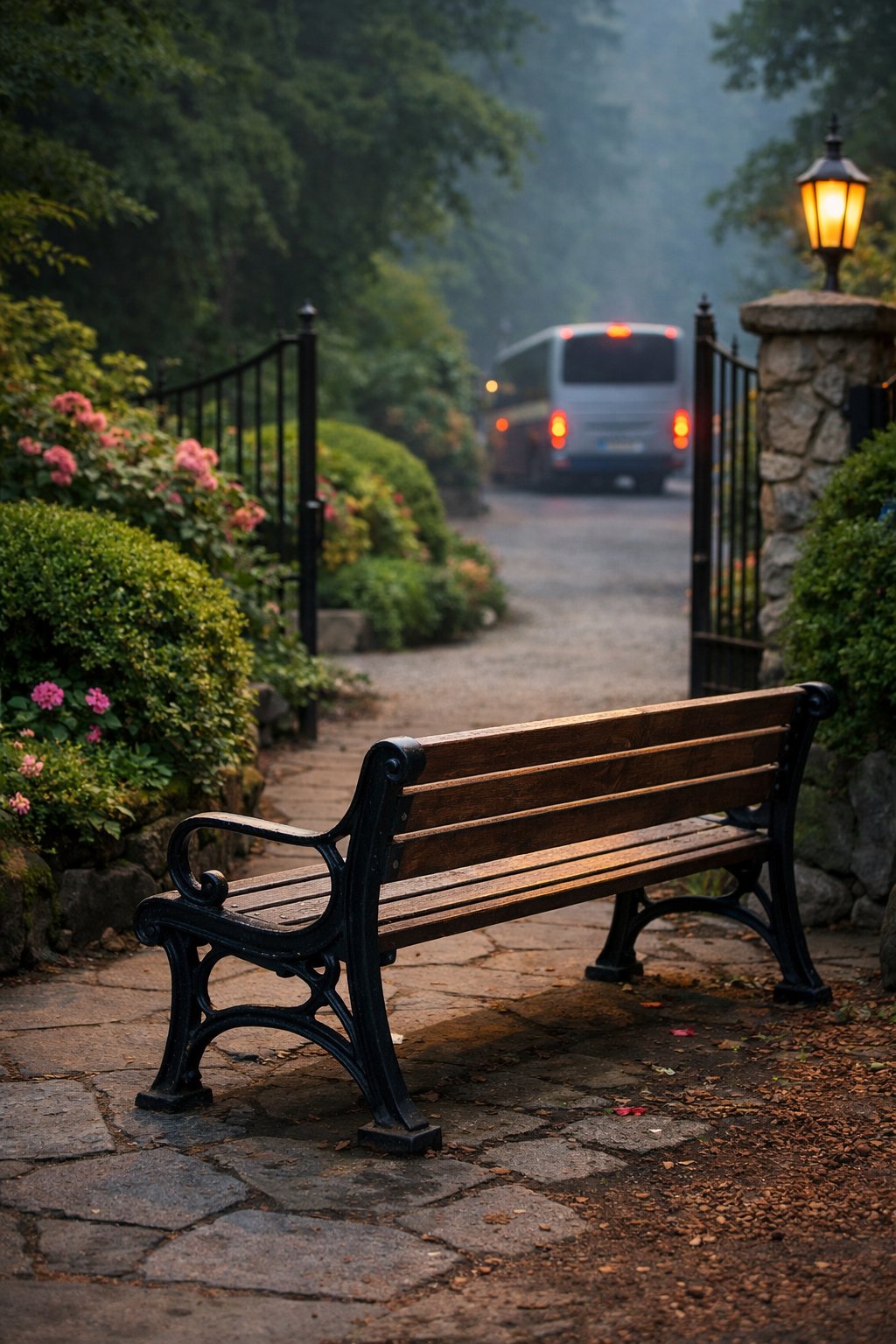
Butchart Repose
I wrote Butchart Repose after walking through the Butchart Gardens in British Columbia. The poem began as a record of fatigue and distance—the moment when beauty becomes something you must leave behind.
-
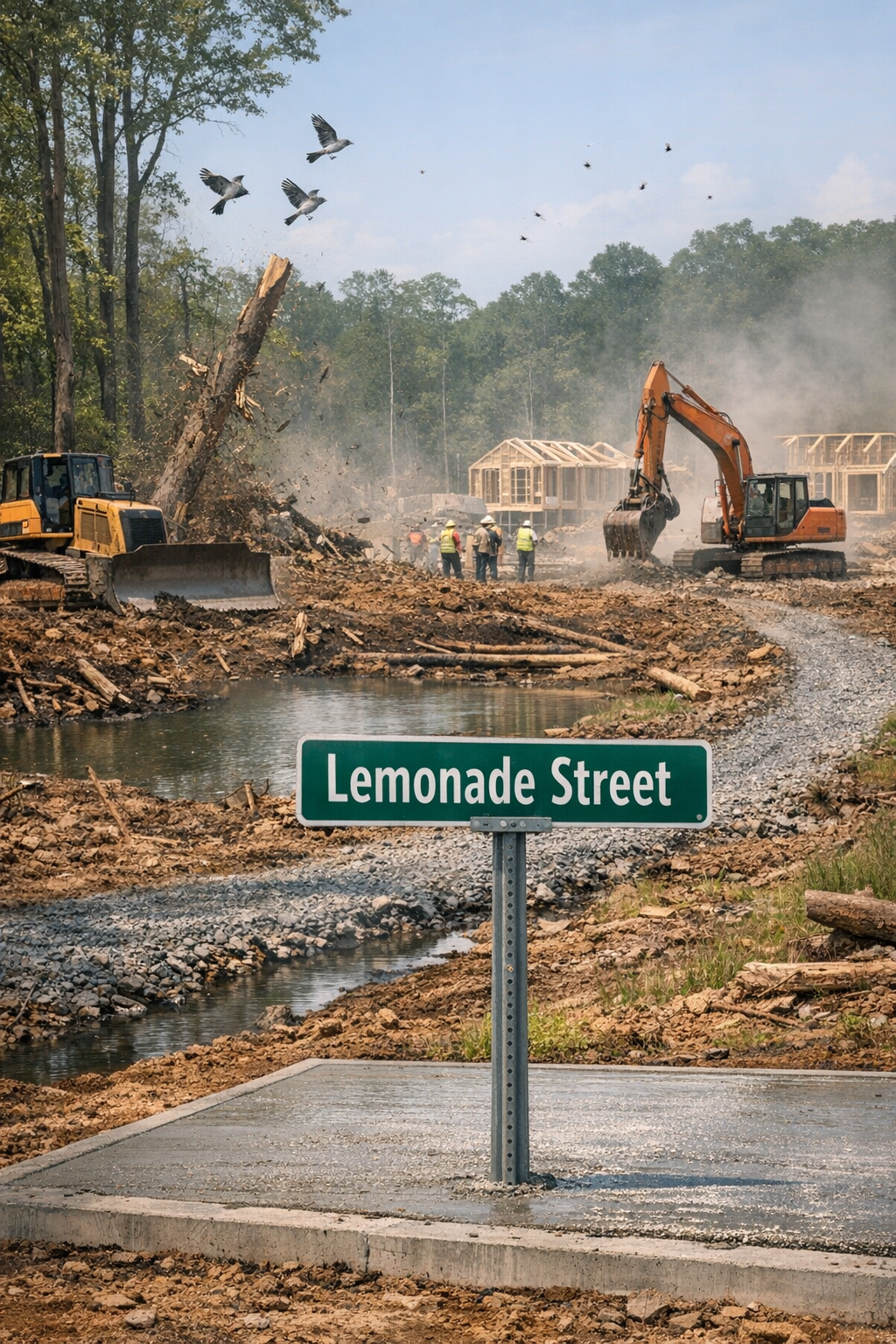
Making Lemonade Street
I wrote “Making Lemonade Street” after watching a forest near my neighborhood being cleared for new housing. The poem began as a note on the phrase “the forest in front of the forest”—a doubling that felt like both description and elegy. I wanted to record the moment when the natural and the artificial overlap, when…
-

Vestige
I wrote Vestige out of the memory of my mother’s rituals—how care and vigilance could harden into preservation. The poem began with the image of towels draped over thorns, a gesture that felt both protective and sacrificial. I wanted to explore how domestic acts—counting, tending, washing—become ceremonies of control and grief. The poem’s tone is…
-

Elegy for a Future Death
Elegy for a Future Death began as a refusal. I wanted to write an elegy that didn’t console, didn’t mythologize, didn’t reach for metaphor. The poem strips away atmosphere and sentiment, leaving only the physical residue of absence: chain, pan, towel, nail. It’s a lyric of erosion—of what remains when return is no longer possible.…
-
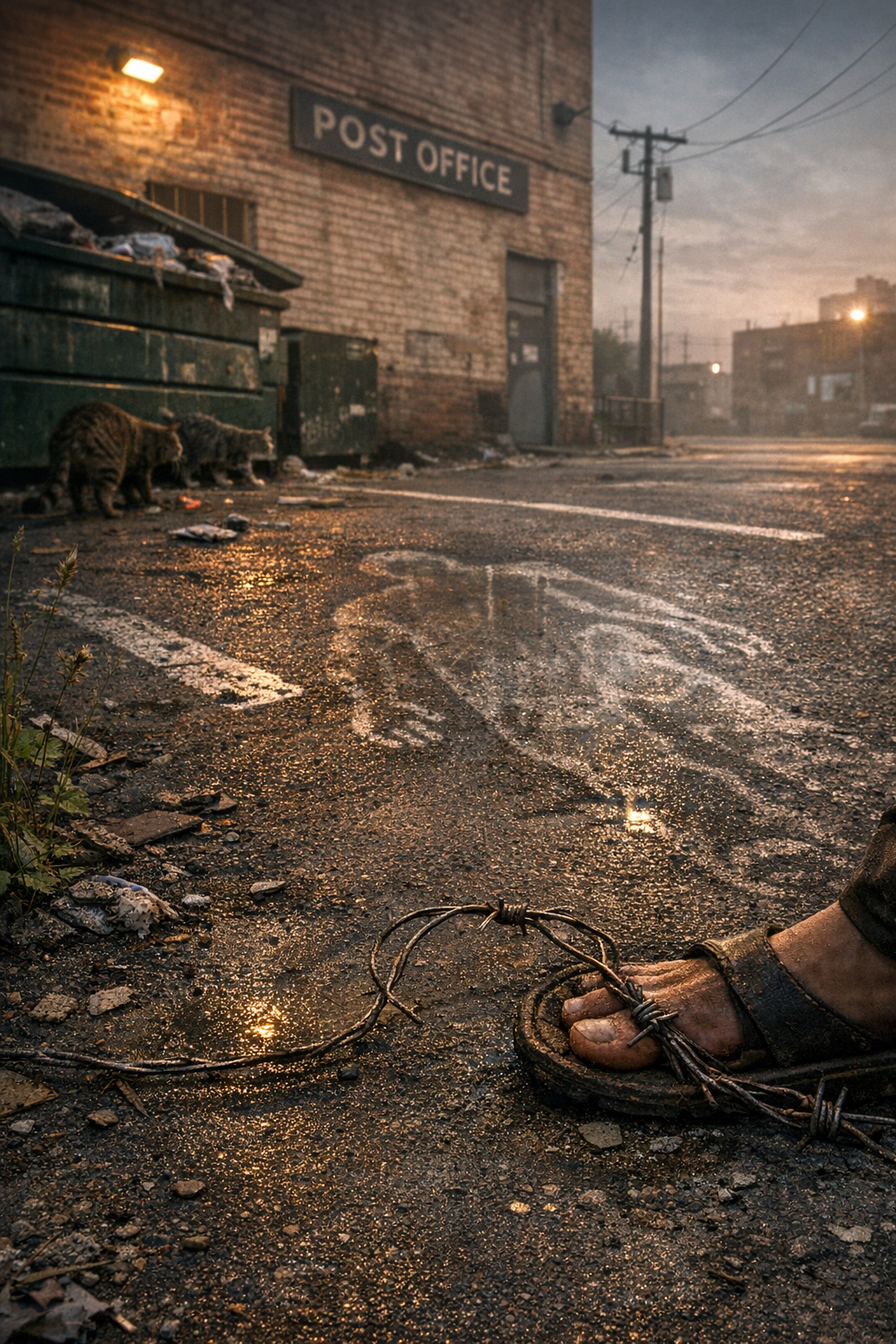
Where Are You My Friend…?
This poem emerged from walking through a heat-struck urban lot where absence felt more physical than memory. I wanted the poem to carry abandonment through objects—barbed wire, cats, asphalt—without commentary. The body persists, but only through what it touches. The theme is not grief but residue: what remains when someone doesn’t.
-
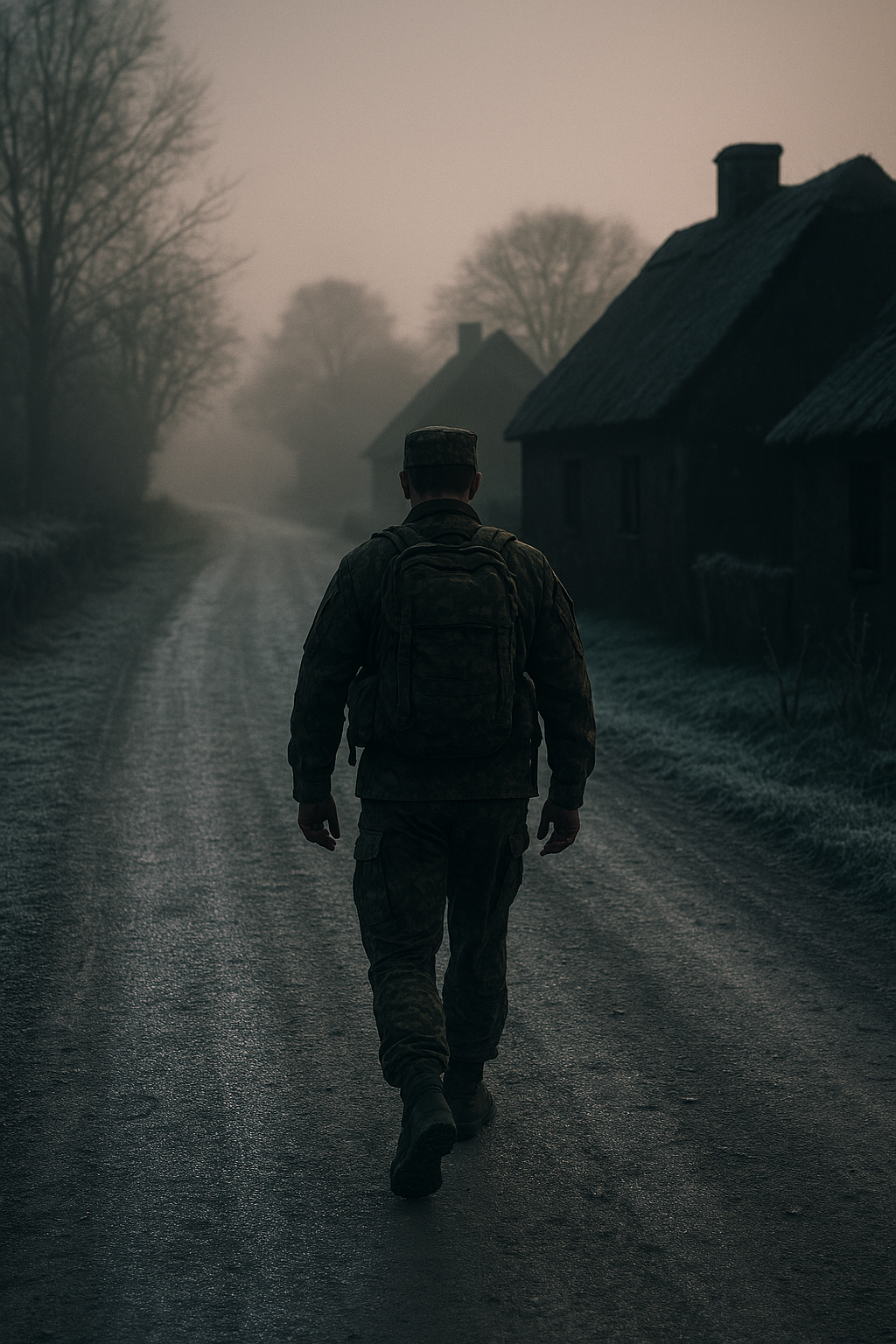
The Road They Will Leave By
The Road They Will Leave By” began as a meditation on exclusion and memory. I wanted to write a poem that refused sentimentality and simile, one that relied on physical detail and emotional pressure to convey the quiet violence of being remembered wrongly—or not at all. The soldier’s camouflage, the elders’ breath, the locking of…