Tag: ambiguity in poetry
-

A Child’s Memory Poem
This poem began as a memory fragment—an image of a child improvising sanctuary for slugs and snails during a rainy weekend with her father. I wanted to explore how care, grief, and survival manifest through small gestures: a cracked fishbowl, a wilted lettuce leaf, a library book. The poem resists sentimentality and instead leans into…
-
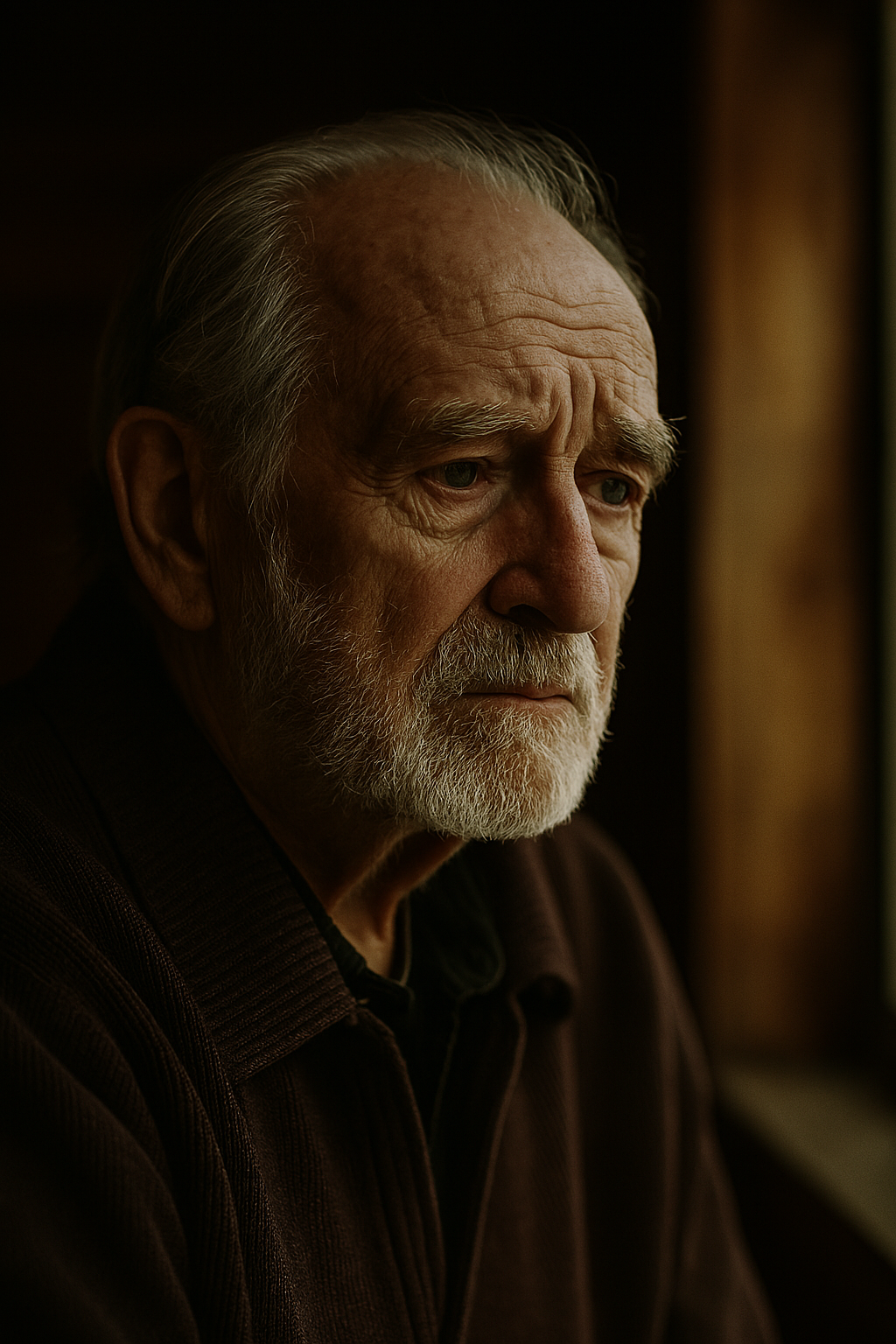
For My Older Brother
“For My Brother” came from a quiet moment my brother and I shared, shaped by past pain and recovery. The poem uses body and thought as symbols, with the slash mark showing how deep wounds can leave lasting marks. I wrote it to honor his survival and the work he had done to heal.
-
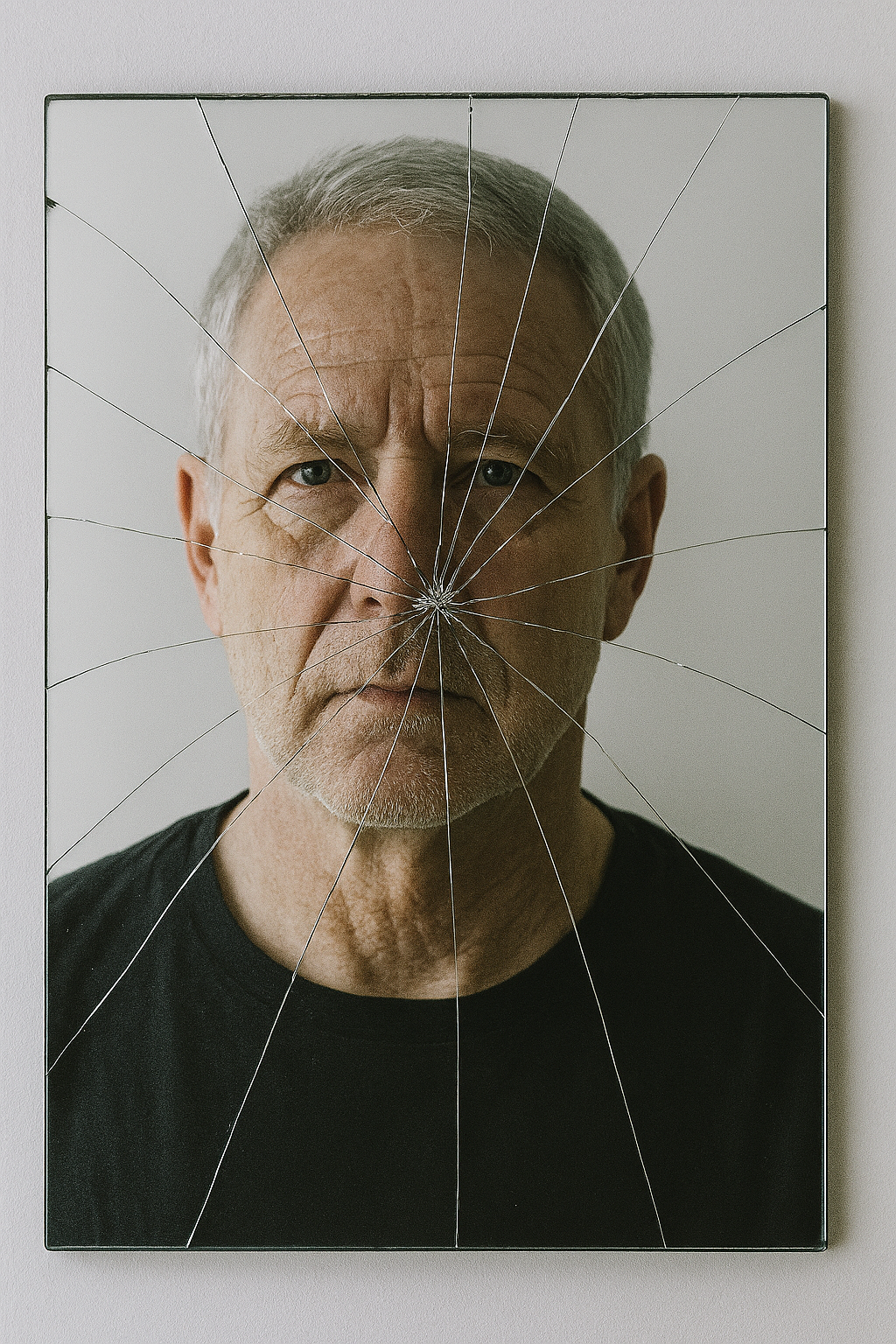
One Face Only
One Face Only began as a quiet refusal. I had just turned seventy and found myself staring into a mirror—not with nostalgia or regret, but with clarity. The poem resists the impulse to chase idealized versions of self. It’s about choosing one flawed reflection over a pile of broken possibilities. The cracked mirror became a…
-

January Dream, 1987
January Dream, 1987 emerged from a dream visitation that blurred grief with peace. My mother, who had died decades earlier, returned in the dream not to ascend, but to sign love into my palm—wordless, tactile, and precise. The poem resists sentimentality and myth, honoring ambiguity and consequence. It’s an American sonnet that turns on ethical…
-

The Shaker Chair
“The Shaker Chair” began as a meditation on absence—how sacred objects lose their purpose when belief erodes. I was drawn to the Shaker chair as a symbol of readiness, reverence, and silence. The poem inverts that grace, replacing angelic possibility with corporeal desecration. It’s not a condemnation—it’s a witnessing. The man who occupies the chair…
-

When Writing Becomes too Difficult
When Writing Becomes Too Difficult was written as a counterweight to James Sacré’s vision of poetic collapse. I wasn’t interested in rebuttal—I wanted to explore what survives when language fails. The poem is built from gesture, residue, and consequence. It resists metaphor and flourish, favoring domestic precision and ethical witnessing. Its architecture enacts marginality, and…