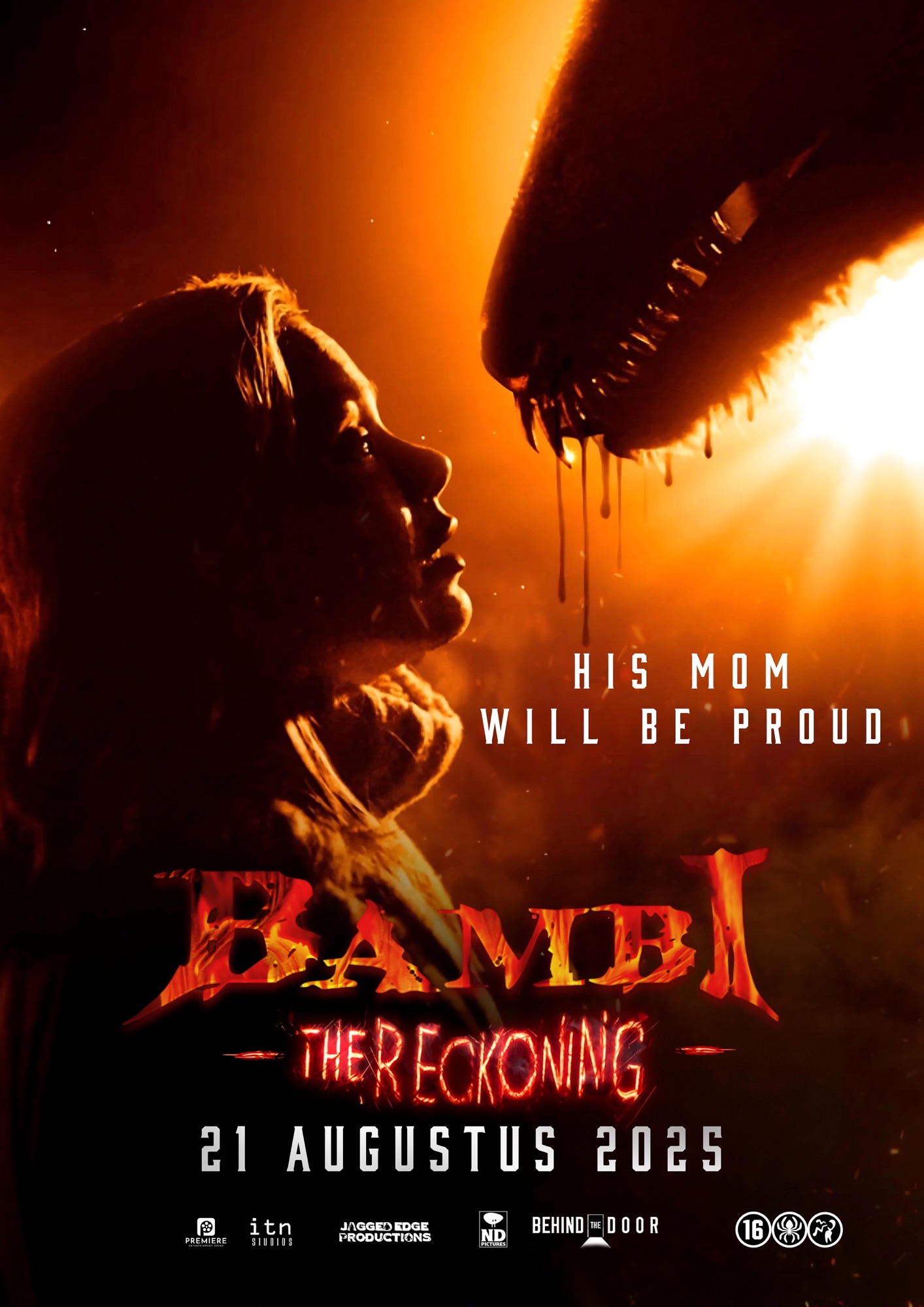


Bambi: The Reckoning* begins with the deep wound that shaped the forest, and the pain of that loss hangs heavy over every scene. Dan Allen embraces the old fable’s shadow, transforming it into a lively force, allowing the past to softly blend into the present until the forest itself seems to breathe with memories. The early tragedy—Faline crushed beneath a truck carrying Wilbexr Pharmaceuticals’ toxic load, Bambi struck down and left to rise again as something changed—sets the tone emotionally. The film explores how offspring cope with such a huge loss after being sheltered from the cruelty that caused it. The answer comes through anger, through the instinct to reclaim what was stolen, in a forest that refuses to stay passive.

Roxanne McKee brings a warm presence to the current storyline, blending maternal stability with just a hint of unease. Playing Xana, she enters Mary’s secluded home with her son Benji, and it’s almost immediate how the atmosphere shifts once the family comes together. Their beginnings are simple, with subtle gestures revealing underlying tensions, until the unwelcome visitor arrives with a force that shatters any sense of security. The assault is sudden, chaotic, and feels almost inevitable. Allen masterfully uses this moment to intertwine character development and social critique, illustrating how a family already strained by internal pressures can crumble when faced with something much older and angrier.

The intensity of Bambi’s rampage brings a unique emotional depth. The survivors’ fear becomes a heartbeat that echoes throughout the film, and every obstacle they face highlights the story’s feeling of consequence. The forest transforms into a confusing maze filled with grief and change, and the appearance of fairy tale characters—like Thumper—adds a dreamlike excitement. These scenes enhance the film’s thoughts on pollution, corporate carelessness, and how innocence can change when the world doesn’t shield it.

Bambi’s appearance is quite striking, showing a figure shaped by pain and chemical damage. Allen sees the creature not as a monster, but as a powerful symbol of human carelessness. The design choices deepen the movie’s emotional impact, encouraging viewers to think about the real cost of the forest’s suffering, while still allowing Bambi to remain a profound and tragic character. Each encounter with him feels filled with emotional weight and poignant significance.

The ensemble surrounding McKee truly enhances the film’s emotional depth. Tom Mulheron’s Benji brings warmth and life to the story, especially as he gets involved with the captured fawn hidden by Wilbexr’s hunters. Nicola Wright’s Mary, who balances between moments of dementia and surprising clarity, serves as a gentle link to the forest’s memories. Her drawings of Bambi transform into silent warnings that the family often overlooks. Her bond with the creature adds a touching layer of mystery, making the film’s emotional world even richer.

Russell Geoffrey Banks gives us the film’s most unforgettable moment as Andrew, with his tantrum before the intense conclusion serving as a striking highlight of his character. This scene captures the film’s bold choice to blend terror and absurdity, resulting in a kill sequence that’s both shocking and somehow meaningful. It beautifully illustrates the chaos that unfolds when human arrogance clashes with its own consequences.

The hunters hired by Wilbexr—Michael, Tyler, and Eddie—add a deeper layer to the film’s critique. Their presence highlights the corporation’s desperation to hide its crimes, and their cruelty toward the captured fawn shows the corruption at the heart of the story. Their deaths, delivered with chilling precision, serve as a stark contrast to the forest’s suffering, providing a violent yet necessary rebalancing in a world that feels out of harmony.

Simon’s confession in the den truly shifts the whole story. When he admits to killing Faline and poisoning the river, it transforms the film into a heartfelt exploration of guilt, fear, and the heavy toll of denial. His try to run away, only to be caught and torn apart by a mutant rabbit, feels like a haunting, poetic symbol of the damage he caused. The forest seems to stand as a silent witness, refusing to let him hide from the truth he tried to bury.

The closing moments, when Xana and Benji gently return the fawn to Bambi, are filled with tender vulnerability. The way the creature collapses during Michael’s final act of violence hits with a deep, mournful weight. Mary’s sudden clarity in stopping Michael’s rampage feels like a heartfelt act of protection, representing a meaningful connection between humans and the forest. Bambi’s passing, seen by his young ones and the family who loved him, leaves the audience with a lasting sense of sorrow that touches the heart.

Allen’s direction weaves brutality with a poetic, aching quality that invites viewers into a strange, evocative experience. The film’s unevenness adds to its charm, showcasing an ambition that goes beyond mere creature-feature thrills. ‘Bambi: The Reckoning’ strives to be something deeply mournful and furious—a story about contamination, grief, and the heavy price of forgetting the wounds we cause to the world around us. Even if it stumbles at times, its emotional power stays strong and undeniable.

Letter Grade: B+. On Peacock.


Leave a Reply