Sundance 2026: “Echoes in a Schoolhouse: Run Amok Finds Its Strange, Stirring Pulse”
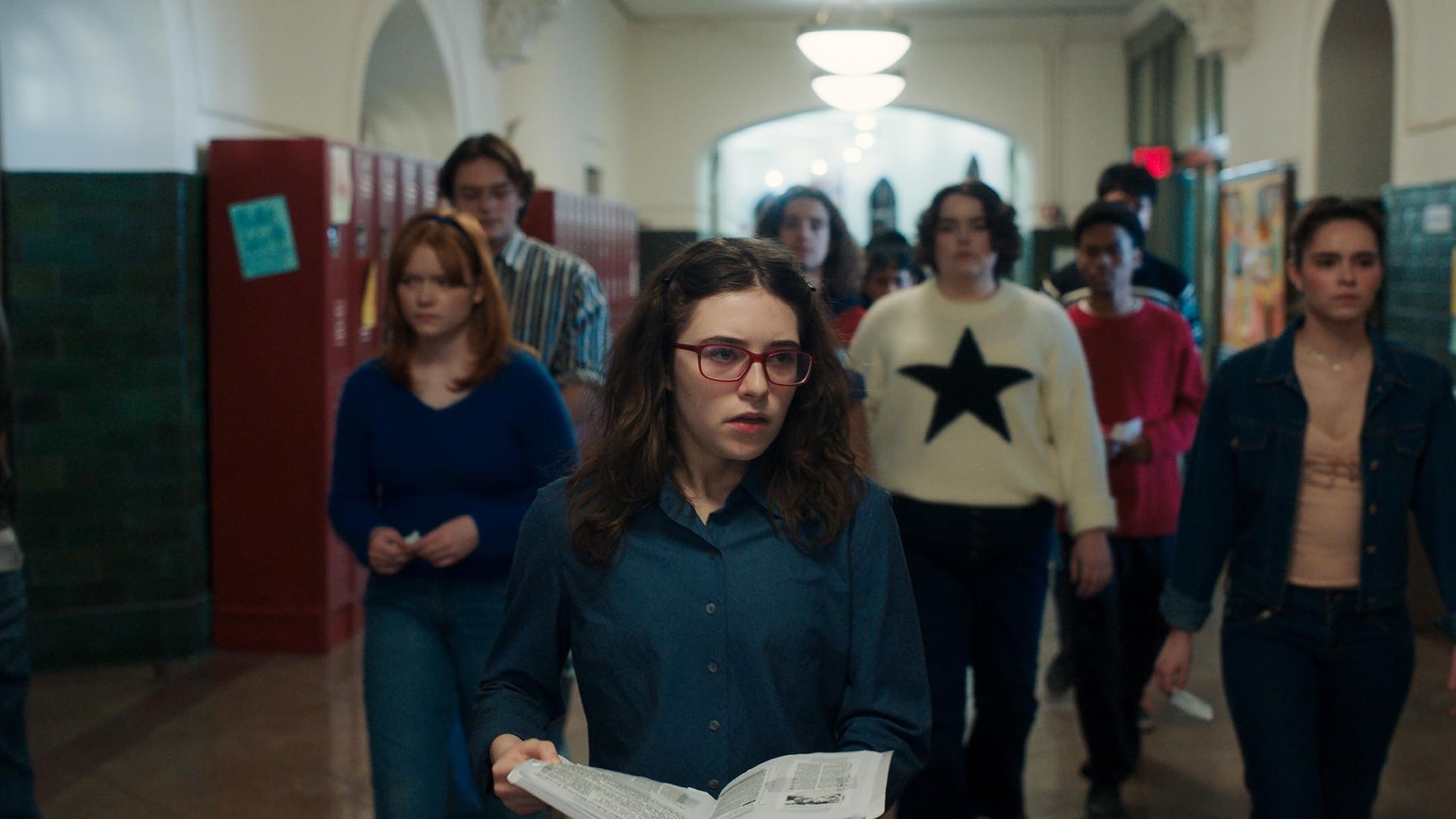
NB Mager’s Run Amok unfolds with a bold, theatrical spirit, shaping a story that blends memory, performance, and the fragile desire for understanding. The film centers on Meg, a professional teacher’s pet and amateur harpist whose plan to stage a full musical reenactment of a school shooting from a decade earlier gives the narrative its charged momentum. Mager approaches this premise with a sense of curiosity and care, guiding the film toward reflection rather than spectacle.
Patrick Wilson brings a steady, luminous presence to the role of Meg’s mentor figure, a teacher who recognizes both the daring and the vulnerability in her artistic mission. His scenes with Meg carry a gentle warmth, offering encouragement while allowing her vision to take center stage. Molly Ringwald, as Meg’s mother, adds a grounded emotional layer, shaping each moment with grace. Elizabeth Marvel, playing a former administrator still shaped by the event, offers a performance full of quiet strength and layered feeling.
Mager’s script leans into the musicality of Meg’s imagination. The harp becomes a kind of compass, guiding her through memories she has carried for years. The reenactment she envisions grows into a communal project, drawing students, teachers, and townspeople into a shared act of expression. These sequences shimmer with theatrical energy, blending song, movement, and reflection in ways that feel both daring and tender.
As Meg’s production expands, the film explores the ways communities hold their histories. Wilson’s character becomes a steadying force, helping Meg shape her vision into something that honors the past while offering space for renewal. Ringwald’s scenes with her daughter reveal a family learning to speak openly about what once felt unspeakable. Marvel’s performance deepens the film’s emotional reach, offering a portrait of someone who has lived with memory long enough to understand its shifting shape.
Mager’s direction embraces the film’s musical elements with a light, expressive touch. The reenactment sequences carry a sense of ceremony, blending choreography and song into a portrait of a community searching for harmony. The film’s pacing allows each character room to breathe, creating space for reflection, humor, and small moments of connection.
By the final act, Run Amok becomes a story about creation, courage, and the strange ways art can help people move forward. Wilson, Ringwald, and Marvel form a strong ensemble around Meg’s vision, giving the film a sense of shared purpose. Mager’s approach brings warmth and lyricism to a challenging subject, shaping a film that sings with sincerity and hope.


Leave a Reply